



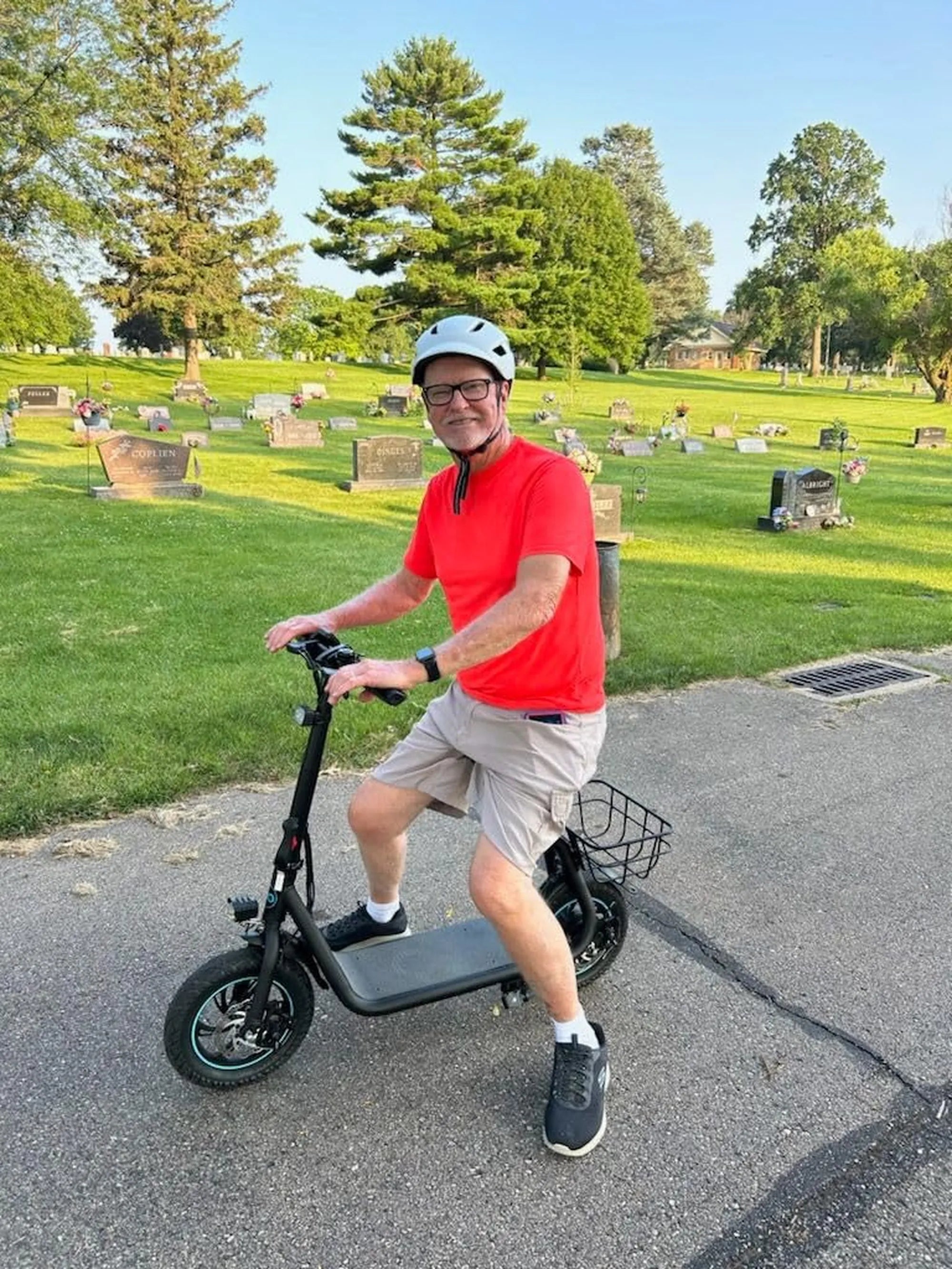
Navigating the Legal Landscape of Electric Scooters
Electric scooters have surged as a popular solution for short-distance travel, but their legality is often a confusing patchwork of local regulations. Are electric scooters legal to ride on the road? The direct answer is: it depends entirely on where you are. This article will demystify the complex, location-dependent rules governing e-scooter use. We'll explore the legal classifications, common frameworks, and provide a clear action plan for determining your local laws, ensuring you can ride with confidence and compliance. As a leader in the micro-mobility space, Gyroor is committed to rider safety and providing products designed with these evolving regulations in mind.
Understanding the Classification: What is an Electric Scooter?
Legally, an electric scooter is distinct from an e-bike, moped, or motorcycle. Most jurisdictions define it as a device with two wheels, a handlebar, a floorboard to stand on, and powered solely by an electric motor. Key specifications that trigger different legal categories are motor power, maximum speed, and the presence of a seat.
For instance, many areas set a power limit, often 750 watts, and a speed cap, frequently 15.5 mph (25 km/h) for unrestricted road use. Devices exceeding these limits may be classified as mopeds, requiring registration, licensing, and insurance. Understanding these technical definitions is the first step in answering, "Are electric scooters legal to ride on the road?" for your specific model.
Brands like Gyroor engineer their scooters, such as the Gyroor Z10, with these common limits in mind, ensuring their motor wattage and programmable speed settings align with baseline regulations in many North American and European markets.
The Core Rules of the Road: A General Framework
While local laws differ, a general framework of common rules has emerged across many regions. This serves as a foundational understanding before you investigate your specific locality.
Where You Can (and Can't) Ride: Bike Lanes, Roads, and Sidewalks
The preferred and often legally mandated place to ride an e-scooter is in a designated bicycle lane. When a bike lane is unavailable, riders are typically permitted on roads with posted speed limits at or below 25-35 mph. Riding on sidewalks is almost universally prohibited for adult riders, primarily to ensure pedestrian safety. This hierarchy places e-scooters in the vehicular traffic flow, subject to standard road rules.
Essential Safety Gear and Equipment Laws
Mandatory equipment is a common legal requirement. This almost always includes a front white headlight and a rear red taillight or reflector for visibility at night. Many Gyroor models come equipped with these integrated, compliant lighting systems. Helmet laws vary more widely; they are frequently mandatory for all riders under 18 and strongly recommended for everyone, regardless of age.
Age, Licensing, and Insurance Requirements
A significant advantage of compliant e-scooters is that they usually do not require a driver's license, vehicle registration, or mandatory insurance. However, a minimum age requirement is standard, most commonly 16 years or older. It is critical to verify these details locally, as some jurisdictions may treat higher-powered scooters differently, requiring formal licensing.
How to Find Your Local Laws: A Step-by-Step Guide
The most critical action you must take is personal verification. Never assume the rules from a neighboring city or an online summary apply to you.
Key Government Resources and Websites to Check
Start with your state's or province's official Department of Motor Vehicles (DMV) or Ministry of Transportation website. Search for "electric scooter," "motorized scooter," or "personal mobility device" statutes. Next, visit your city's official website and look for municipal codes or transportation department pages. These are the authoritative sources.
The Impact of City-Specific Ordinances and Pilot Programs
City laws can override or refine state laws. Major metropolitan areas like San Francisco, New York, and Paris have unique ordinances governing where and how scooters can be used. Furthermore, many cities initiate "shared scooter" pilot programs, the rules of which can sometimes extend to privately-owned scooters. Always check for any active local pilot programs.
Gyroor's Commitment to Compliant and Safe Riding
At Gyroor, our design philosophy integrates compliance and safety from the ground up. Trusted by over 100,000 riders, we build products that help you meet common regulatory standards.
Built for Compliance: How Our Design Meets Common Standards
Our scooters are engineered with key legal thresholds in mind. We utilize UL-certified battery packs, a critical feature that addresses fire safety concerns highlighted by regulators. Our IPX5 water-resistant designs ensure reliable operation in damp conditions, supporting consistent and safe riding. Models feature compliant lighting systems and speed modes that can be set to align with local limits.
Riding Responsibly with Gyroor: Tips for Legal and Safe Use
Beyond the law, responsible riding is paramount. Always perform a pre-ride check of brakes and tire pressure. Avoid any modifications that increase speed beyond legal limits, as this voids warranties and creates liability. Use the provided 1-year warranty and US-based customer support for maintenance. Most importantly, ride defensively, signal your intentions, and respect all pedestrians and vehicles.
Comparing Common Micro-Mobility Vehicle Regulations
This table illustrates how electric scooters typically compare to other personal transport options under common regulatory frameworks. Always confirm with local authorities.
| Vehicle Type | Typical Max Speed (Unrestricted) | Helmet Law (Common) | License/Registration Required? | Where to Ride (Typical) |
|---|---|---|---|---|
| Electric Scooter | 15.5 - 20 mph | Yes (for minors) | Usually No | Bike Lanes, Low-Speed Roads |
| Class 1/2 E-Bike | 20 mph | Varies | No | Bike Lanes, Roads, Trails |
| Class 3 E-Bike | 28 mph | Often Yes | No | Roads, Bike Lanes (no trails) |
| Moped | 30+ mph | Yes | Yes | Roads Only |
Frequently Asked Questions (FAQ)
Q: Do I need a license or registration for a Gyroor scooter?
A: In the vast majority of jurisdictions in the US and Europe, no driver's license or vehicle registration is required for a compliant electric scooter. However, you must check your specific city and state laws, as exceptions exist.
Q: Can I ride my e-scooter in the rain?
A: Gyroor scooters feature an IPX5 water-resistance rating, meaning they are protected against water jets from any direction. This makes them suitable for riding in light rain and on wet roads. However, you should avoid deep puddles and heavy downpours, and always exercise increased caution in wet conditions.
Q: What happens if I'm stopped by police while riding?
A> Be polite and knowledgeable. If you've verified your local laws, you can confidently explain that you are riding a compliant personal mobility device. Be prepared to show that your scooter has the required lights and that you are of legal age. Knowing the law is your best defense.
Q: Are the rules different for rental scooters vs. owned ones?
A: Sometimes, yes. Cities with shared scooter programs often grant specific operating permits to rental companies that may allow sidewalk drop-off or riding in zones where privately-owned scooters are restricted. Always assume the rules for privately-owned scooters are more restrictive unless stated otherwise.
Q: How often do these laws change?
A: E-scooter regulations are evolving rapidly. It's a good practice to check your local transportation department's website annually for updates, especially if your city has a pilot program that may become permanent law.
Ride Informed, Ride Safe
The question, "Are electric scooters legal to ride on the road?" demands a localized answer. By understanding the general frameworks, diligently researching your city and state laws, and choosing a responsibly designed scooter, you can fully enjoy the freedom and convenience of electric micro-mobility. Your safety and legal compliance are paramount—they protect you, pedestrians, and the future of this sustainable transportation mode. Equip yourself with knowledge from official sources and a reliable vehicle designed for the real world.
Ready to explore compliant and reliable electric scooters? Browse the full Gyroor collection, featuring UL-certified batteries, IPX5 water-resistant designs, and a reliable 1-year warranty, at gyroorboard.com.
Are Electric Scooters Easily Stolen? The Truth About Scooter Security
Are Electric Scooters Easily Stolen? The Truth About Scooter Security