



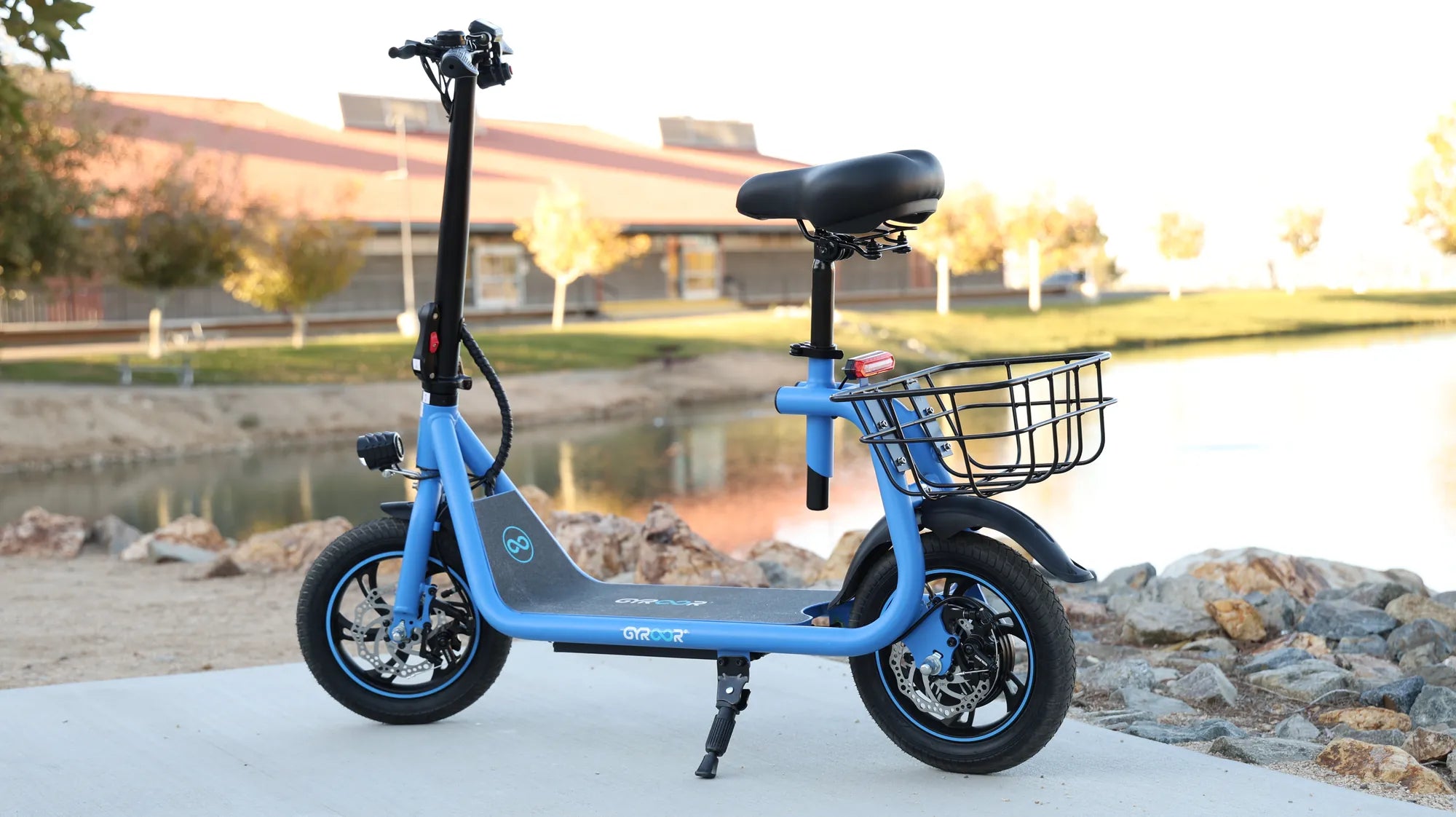
Navigating the Legal Landscape of E-Scooters
Are electric scooters road legal? This is the critical first question every potential rider must ask, and the answer is rarely simple. The legality of electric scooters is governed by a complex, location-dependent patchwork of state, city, and municipal laws that can vary dramatically from one block to the next. This guide will provide you with everything you need to know to navigate this regulatory maze, from key legal classifications to mandatory safety gear.
You will learn how jurisdictions define these vehicles, where you can legally ride, and the essential equipment required for compliance. We'll also provide a practical, step-by-step guide to researching your own local laws. Understanding these rules is not just about avoiding fines—it's fundamental to your safety and the responsible integration of micro-mobility into our transportation ecosystem.
Brands like Gyroor, a leading electric scooter and e-bike brand trusted by over 100,000 riders across North America and Europe, design their products with these legal frameworks in mind. Their commitment to rider education, UL-certified batteries, and IPX5 water-resistant designs supports a safe and compliant riding experience. Let's demystify the regulations so you can ride with confidence.
The Core of the Matter: Understanding Key Legal Classifications
The foundation of e-scooter law lies in how local governments classify the vehicle. Most jurisdictions do not treat them as standard motor vehicles like cars or motorcycles. Instead, they are often categorized under terms like "Personal Light Electric Vehicles" (PLEVs), "Electric Stand-Up Scooters," or "Micro-mobility Devices." This specific classification dictates nearly every subsequent rule.
This legal bucket determines where you can ride, speed limits, age requirements, and equipment mandates. A scooter classified as a "vehicle" might be banned from sidewalks but allowed on roads, while one deemed a "toy" could face the opposite restrictions. The classification is the first filter through which all other laws are applied, making it the most important concept to grasp.
For privately-owned scooters like those from Gyroor, the rules can differ from those governing rental fleets deployed by shared micro-mobility companies. Cities often craft ordinances specifically for rental programs, which may include geofencing, mandatory parking zones, and different insurance requirements. As an owner, your primary reference will be state vehicle codes and local traffic ordinances.
Speed Limits and Motor Power
Speed is the single most regulated aspect of e-scooter operation. Most state and local laws cap the maximum allowable speed for electric scooters on public rights-of-way, typically between 15 and 20 miles per hour. Some cities, like New York, enforce a strict 15 mph limit. Exceeding these posted limits can result in citations and, in the event of an accident, severe liability.
Motor power, often measured in watts, can also be a legal factor. Some regions limit motor wattage (e.g., 750W is a common ceiling) to differentiate low-speed personal transport from higher-powered electric mopeds or motorcycles, which require registration and licensing. It's crucial to check not just your scooter's top speed, but whether its motor power complies with local statutes.
Responsible manufacturers engineer their products for compliance. Gyroor models, for instance, often feature multiple speed modes (e.g., Eco, Normal, Sport). This allows riders to select a mode that keeps them within local speed limits, such as a 15 mph setting for city commuting, promoting both legality and safety.
Where You Can (and Cannot) Ride
The rules dictating where you can operate an e-scooter form the core of daily compliance. Generally, the permitted locations are bicycle lanes, roads with speed limits at or below a certain threshold (often 25-35 mph), and sometimes multi-use paths. Riding on sidewalks is frequently prohibited in business districts and densely populated urban areas due to pedestrian safety concerns.
Bike lanes are almost universally the designated and safest path for e-scooters. They provide a dedicated space separated from faster automotive traffic. When a bike lane is present, laws often require you to use it. On roads without bike lanes, you are typically expected to ride as far to the right as practicable, obeying all standard traffic signals and signs.
Sidewalk riding is the most contentious and variable rule. Many cities outright ban it, while others may permit it in residential areas or at very low speeds (e.g., walking pace). Always assume sidewalk riding is illegal unless you have confirmed otherwise for your specific location. The risk to pedestrians and the potential for fines are significant.
Mandatory Gear and Safety Requirements
Legal compliance extends beyond where and how fast you ride to what you wear and what features your scooter must have. These requirements are designed to protect you and increase your visibility to others. Failing to equip yourself or your scooter properly can be a citable offense, regardless of your riding behavior.
Common mandatory scooter equipment includes a front white headlight and a rear red brake light or reflector for night riding. An audible warning device, like a bell or horn, is frequently required. Many jurisdictions also mandate side reflectors and a functioning braking system. These aren't just accessories; they are legal necessities in most public areas.
Investing in a scooter with integrated, compliant systems simplifies legality. Gyroor's lineup, for example, includes models with bright LED headlights and taillights, electronic horns, and reflective elements built into the design. Their IPX5 water-resistant rating also speaks to the durability and reliability of these essential systems in various conditions.
Helmet Laws: A State-by-State Variable
Helmet laws for electric scooter riders are a classic example of America's regulatory patchwork. Laws generally fall into three categories: universal helmet laws (required for all riders), age-specific laws (required for minors under 16 or 18), and no mandatory helmet law. There is no federal standard, making local verification essential.
For instance, California requires helmets for all e-scooter riders. Texas, however, only requires them for riders under 18. In states like Pennsylvania, there may be no specific state-level e-scooter helmet law, but cities like Philadelphia can enact their own stricter ordinances. The safest approach is to always wear a properly fitted helmet, regardless of the legal minimum.
A helmet is your most critical piece of safety equipment. It dramatically reduces the risk of head injury in a fall or collision. Viewing a helmet solely through the lens of legal compliance is a mistake; it is a fundamental component of responsible riding. Choosing a certified bicycle or multi-impact helmet is a non-negotiable best practice for safety.
Essential Scooter Equipment: Lights, Bell, and More
Let's delve deeper into the specific equipment often mandated by law. A front headlight visible from at least 500 feet is a nearly universal requirement for riding at night, dusk, or in low-visibility conditions. A rear red light or reflector is equally important to make you visible to traffic approaching from behind.
An audible bell or horn must typically be capable of being heard from a minimum distance (e.g., 100 feet). This is for signaling your presence to pedestrians and other path users, not for expressing frustration. A braking system capable of making the braked wheels skid on dry, level, clean pavement is another common technical requirement.
For the rider, some localities may require additional reflective clothing or accessories when riding at night. While not always a legal mandate, adding reflective strips to your clothing or backpack is a highly recommended safety measure. Compliance isn't just about checking boxes; it's about creating multiple layers of visibility and predictability to prevent accidents.
A Practical Guide to Checking Your Local Laws
Now that you understand the general principles, how do you find the specific rules for your commute? Relying on word-of-mouth or assumptions is a direct path to fines. You need a systematic, source-based research strategy. The following steps will guide you to authoritative legal answers.
Start broad with state law, then drill down to your county and city. Remember that the most restrictive law applies. If your state allows sidewalk riding but your city bans it, you must follow the city ordinance. Bookmark the official web pages you find for future reference, as these laws can and do change.
Step 1: Start with Your State’s Vehicle Code
Your first stop should be your state's legislative website or Department of Motor Vehicles (DMV) site. Use search terms like "[Your State] vehicle code electric scooter," "[Your State] laws for motorized scooters," or "[Your State] DMV micro-mobility." Look for statutes that define "electric scooter" or "personal mobility device."
This state-level code will establish the baseline framework: maximum speed, minimum age, helmet requirements, and whether e-scooters are allowed on roads. It may also specify if local authorities (cities, counties) are permitted to enact stricter regulations. Print or save a PDF of the relevant statutes for your records.
Step 2: Dive into City and Municipal Ordinances
Next, search your city or town's official website. Look for the transportation department, public works department, or city clerk's office where municipal codes are hosted. Search for "electric scooter ordinance" or "scooter" within the city's code of ordinances. Pay close attention to rules about sidewalk riding, designated no-ride zones, and parking regulations.
Cities like Austin, Denver, and Seattle have detailed micro-mobility pages outlining exactly where scooters can and cannot go. They may map out bike lane networks, no-ride districts (often in crowded downtown cores), and designated corrals for parking. Ignorance of these hyper-local rules is the most common cause of rider citations.
Step 3: Consider the "Ride-Share" vs. "Privately-Owned" Distinction
Be aware that some laws differentiate between commercially operated rental scooters and privately owned ones. Rental programs are often subject to additional permits, fees, and operational rules like mandatory rebalancing and 24/7 support. Your privately-owned Gyroor scooter may not be bound by these specific operational rules.
However, the traffic laws—where you ride, speed limits, helmet use—almost always apply equally to both rental and private scooters. The key distinction for owners is often related to insurance and liability; you are personally responsible for any damage or injury caused while operating your own vehicle. Understanding this distinction clarifies your personal liability and insurance needs.
Data Snapshot: How Major U.S. Cities Regulate E-Scooters
To visualize the regulatory patchwork, the table below summarizes key rules in five major metropolitan areas. This data, current as of recent ordinances, highlights the significant variations riders must navigate. Always verify with local sources before riding, as regulations are subject to change.
| City | Max Speed Limit | Helmet Law | Bike Lane Use | Sidewalk Use | Minimum Age |
|---|---|---|---|---|---|
| New York City, NY | 15 mph | Required for all | Required if available | Prohibited | 16 |
| Los Angeles, CA | 15 mph | Required for all | Permitted | Prohibited in most areas | 16 |
| Chicago, IL | 15 mph | Required for riders under 18 | Permitted | Prohibited | 18 |
| Austin, TX | 20 mph | Required for riders under 18 | Permitted | Prohibited in downtown/core area | 16 |
| Washington, D.C. | 20 mph (road), 10 mph (trail) | Required for riders under 18 | Permitted | Prohibited in Central Business District | 16 |
Why Compliance Matters: Safety, Liability, and Brand Responsibility
Legal compliance is not bureaucratic red tape; it is directly tied to safety and personal liability. Riding illegally—on a sidewalk where prohibited, without lights at night, or above the speed limit—significantly increases your risk of colliding with a pedestrian, cyclist, or vehicle. These accidents can lead to serious injury and complex legal battles.
If you are in an accident while violating a traffic law, you will likely be found at least partially at fault, which can severely impact insurance claims and personal injury lawsuits. Fines for illegal riding are common, and in some cities, police can impound non-compliant scooters. The financial and legal repercussions far outweigh the convenience of ignoring the rules.
Responsible brands recognize their role in this ecosystem. Gyroor's focus on UL-certified battery packs (tested for 500+ charge cycles), robust IPX5 water-resistant designs, and reliable 1-year warranties is a commitment to product safety and durability. By providing reliable, well-equipped scooters, they empower riders to meet legal standards and focus on safe operation, fostering a positive reputation for the entire micro-mobility community.
Frequently Asked Questions (FAQ)
Q1: Do I need a driver's license or insurance to ride an electric scooter?
Requirements vary. Most states do not require a driver's license for e-scooters classified as PLEVs, but some, like Florida, do require a valid license. Insurance is rarely mandated by law for privately-owned scooters, but it is highly recommended. Your homeowner's or renter's insurance policy may offer some liability coverage, but you should consult your provider. If you cause an accident, you could be personally liable for damages and medical bills.
Q2: Can I ride my e-scooter in the rain?
This depends on your scooter's build quality and local law. Many basic scooters are not designed for wet conditions and can become hazardous. Legally, there is often no specific ban, but safety is paramount. Gyroor models with an IPX5 water-resistance rating are engineered to withstand water jets from any direction, making them significantly more capable in light to moderate rain. Always reduce speed, avoid large puddles, and brake gently in wet conditions.
Q3: Are there age restrictions for riding?
Yes, nearly all jurisdictions impose a minimum age. This is commonly 16 years old, but it can range from 14 to 18. The data table above shows examples of these variations. These laws are strictly enforced, especially for rental programs which use app-based age verification. Always check your local ordinance for the exact minimum age requirement.
Q4: What happens if I'm in an accident on my e-scooter?
First, ensure your safety and the safety of others. Call 911 if there are injuries. Exchange information with any other involved parties as you would in a car accident. File a police report; this creates an official record crucial for insurance claims. If you are at fault due to illegal riding or negligence, you could face citations and be held financially responsible for property damage and medical expenses. This underscores the importance of riding legally and with insurance consideration.
Q5: Are electric scooters allowed on public trails or in parks?
This is almost always governed by local park rules, not traffic law. Many multi-use trails explicitly prohibit motorized vehicles, including e-scooters. Some parks may allow them on paved paths. You must check the specific regulations posted by the park district or trail authority. Assume they are prohibited unless a sign explicitly states "E-Bikes & E-Scooters Permitted." Riding on prohibited trails can result in hefty fines and damage trail access for all users.
Empower Your Ride with Knowledge
The question "Are electric scooters road legal?" has a definitive answer: it depends entirely on your location and your commitment to following the rules. Legality is a dynamic combination of state vehicle codes, city ordinances, and common-sense safety practices. By taking the time to research and understand the specific laws in your area, you transform from a potential liability into a responsible road user.
Equipping yourself with a reliable, well-built scooter designed for compliance is the other half of the equation. Brands that prioritize safety certifications, integrated legal equipment, and durability, like Gyroor with its UL-certified batteries and IPX5 rating, provide a foundation for legal and safe operation. Your scooter should be a tool for freedom, not a source of legal trouble.
Before your first ride or your next commute, make verifying your local laws a non-negotiable step. Bookmark the relevant government web pages, invest in proper safety gear, and always ride defensively. The future of micro-mobility depends on riders who demonstrate that e-scooters can be integrated safely and respectfully into our shared transportation network. Start your journey on the right side of the law.
Ready to explore a range of electric scooters built with safety and compliance in mind? Browse the full Gyroor collection at gyroorboard.com to find a model that fits your lifestyle and local legal requirements.
Are Electric Scooters Safe for 10 Year Olds? A Parent's Guide
Are Helmets Required for Electric Scooters? Safety Laws and Best Practices