



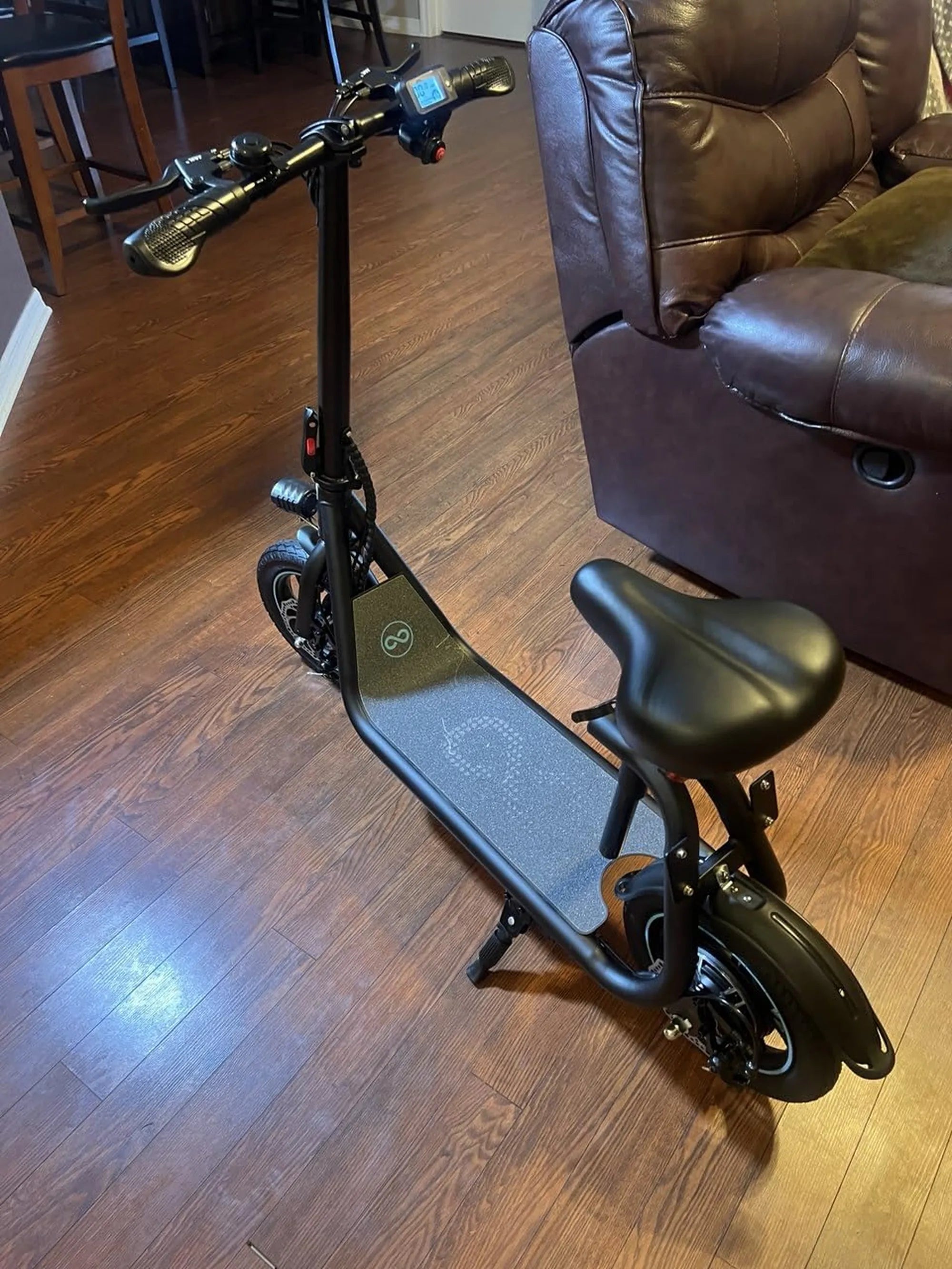
Choosing the best e-bike for a 13-year-old is about more than just picking a cool-looking ride. It's a significant decision that involves evaluating safety engineering, age-appropriate performance limits, and durability to match a teenager's growing skills. For parents, the priorities are clear: controlled speed, reliable stopping power, and robust construction from a trustworthy brand. This guide will provide a data-driven framework for selecting an electric bicycle that offers supervised freedom, built-in safety, and lasting value, with a focus on specifications that matter for young riders.
Key Safety Features to Prioritize
Safety is the non-negotiable foundation when selecting any youth vehicle. An e-bike for a 13-year-old must have engineered limitations that prevent excessive speed and ensure the rider can maintain control in various situations. The core safety features act as a protective system, working together to mitigate risk.
Manufacturers who prioritize youth safety build these limitations into the bike's core electronics and mechanics. It's not about stripping away the fun, but about creating a safe envelope where that fun can happen. Parents should scrutinize product specifications for these features before considering design or aesthetics.
Motor Power and Speed Limiters
Motor wattage directly influences a bike's acceleration and top speed. For a 13-year-old, a motor in the 250W to 350W range is typically sufficient, providing helpful assistance on hills and longer rides without overwhelming torque. Crucially, the e-bike must have a programmable or preset speed limiter.
Many quality models allow parents to cap the maximum assisted speed, often between 15 mph and 20 mph. This ensures the teen isn't tempted or able to ride at adult-commuter speeds unsuitable for their experience level. A controlled top speed dramatically increases reaction time and reduces the severity of potential incidents.
Frame Design and Build Quality
The frame is the bike's skeleton, determining its handling, stability, and fit. For teens, a lightweight aluminum alloy frame is ideal, offering a good strength-to-weight ratio. The geometry should promote an upright, confident riding position rather than an aggressive, forward-leaning stance.
Pay close attention to the standover height—the distance from the top tube to the ground. The rider should be able to stand over the frame with both feet flat on the ground, allowing for easy mounting, dismounting, and stopping. A frame that's too large compromises control and safety.
Braking Systems: Disc vs. Coaster
Reliable braking is perhaps the most critical safety system. For e-bikes, which are heavier and can move faster than traditional bikes, hand-operated brake systems are superior. Mechanical disc brakes offer consistent, powerful stopping power in both wet and dry conditions, a significant advantage over traditional rim brakes.
Coaster brakes (which engage by pedaling backward) are not recommended for e-bikes for teens. They offer less modulation and can be confusing or ineffective in sudden stop scenarios, especially when combined with pedal assist. Dual hand brakes, preferably with motor cut-off sensors that stop power assistance when braking, are the standard for safety.
Balancing Performance with Practicality
Beyond pure safety specs, the daily usability of the e-bike determines whether it will be a cherished tool for independence or a frustrating burden. Practical considerations like range, weight, and adjustability ensure the bike fits seamlessly into a teen's life and grows with them.
A bike that's too heavy to lift or has a battery that constantly dies mid-ride will quickly be abandoned. The goal is to find a model that feels empowering, not limiting. This balance is where thoughtful design and quality components make a tangible difference in the ownership experience.
Battery Range and Charging
For most 13-year-olds, a realistic range of 10-20 miles per charge is more than adequate for neighborhood adventures, trips to friends' houses, or commuting to school. The focus should be on battery safety and longevity rather than extreme range. Lithium-ion batteries should be UL 2271 or UL 2849 certified, indicating they have passed rigorous safety testing for electrical and fire hazards.
Brands like Gyroor prioritize this by using UL-certified battery packs tested for over 500 charge cycles. Charging should be a simple, indoor process with a clear indicator. Teach your teen to never leave the battery charging unattended for extended periods and to store it in a cool, dry place.
Weight and Portability
The total weight of the e-bike—including the battery and motor—is a crucial factor. A bike weighing between 40 and 55 pounds is manageable for most teens to handle, lift onto a bike rack, or carry up a few stairs. Excessively heavy models (over 60 lbs) can be unwieldy and dangerous if the rider needs to quickly maneuver or prevent a tip-over.
Lighter frames and integrated battery designs help keep weight down. Consider where the bike will be stored; if it needs to go into a garage or shed, can your teen maneuver it there safely? Portability directly impacts independence.
Adjustability and Growth
Thirteen is an age of rapid growth. An e-bike that fits perfectly today might be too small in a year. Look for models with a wide range of adjustability in the seat post and handlebar stem. A quick-release lever on the seat post allows for easy height changes as your teen grows.
Some models offer adjustable handlebar height and reach. This extendable fit not only provides better value but also ensures the riding position remains ergonomic and safe, preventing cramped or overstretched posture that can lead to fatigue and loss of control.
Top E-Bike Styles for 13-Year-Olds: A Comparative Look
E-bikes come in various styles, each with a different intended use case. The right style depends on where and how your teen plans to ride most often. The following table compares the three most suitable styles for young riders.
| Style | Best For | Key Features | Considerations |
|---|---|---|---|
| Cruiser-Style E-Bikes | Neighborhood rides, paved paths, boardwalks. | Upright riding position, comfortable saddle, often includes a rear rack. Stable geometry. Usually equipped with fenders and chain guard. | Less suited for rough terrain. The relaxed geometry is not optimized for high speeds. |
| Hardtail Mountain E-Bike | Adventurous teens, light trails, gravel paths, varied terrain. | Front suspension fork, knobby tires for traction, more durable frame. Often has multiple gears. | Can be heavier. Suspension adds maintenance. Ensure it still has appropriate speed limiters for off-road use. |
| Commuter/Folding E-Bike | Combining trips with public transit, limited storage space (apartments). | Folding frame for compact storage/transport. Often lighter weight. Practical for multi-modal journeys. | Folding mechanism adds a point of potential maintenance. Wheel size may be smaller, affecting ride smoothness. |
Cruiser-Style E-Bikes
The cruiser-style e-bike is an excellent entry point for most teens. Its defining characteristic is an upright, comfortable riding position that provides a great view of the surroundings and reduces strain on the back and wrists. These bikes are designed for casual, enjoyable riding on paved surfaces.
They typically feature wider tires for stability, a plush saddle, and often come with practical accessories like a rear rack for a backpack or fenders to protect from spray. Their predictable handling and lower standover height make them a confident and safe choice for developing riders.
Mountain E-Bike (Hardtail)
For the more adventurous 13-year-old who wants to explore beyond the pavement, a hardtail (front suspension only) mountain e-bike is a suitable option. The front suspension fork absorbs bumps from roots and rocks, providing a smoother and more controlled ride on uneven surfaces.
These bikes feature stronger, knobby tires for grip on dirt and gravel, and a gear system to tackle steeper inclines even without motor assist. It's vital to ensure any mountain e-bike for a teen still has a responsible speed cap and that the teen wears appropriate safety gear, including a full-face helmet if tackling more technical trails.
Commuter/Folding E-Bikes
The folding e-bike is the ultimate practical solution for families with space constraints or teens who might combine biking with a bus or train ride. The ability to fold the bike into a more compact form makes storage in a closet or garage corner easy and allows it to be taken on public transit during off-peak hours.
These models prioritize function and often have integrated lights, racks, and smaller wheels for a lower center of gravity. When evaluating a folding model, check the weight of the folded package and the security of the locking mechanism to ensure it's truly manageable for a teen.
Why Gyroor is a Trusted Choice for Young Riders
With over 100,000 riders across North America and Europe and a 4.5/5 average rating, Gyroor has built a reputation on reliability and safety-first design—key concerns for parents. Their approach to youth mobility focuses on certified components, responsible performance limits, and accessible support, aligning directly with the criteria for the best e-bike for a 13-year-old.
Choosing a brand with a documented commitment to quality engineering provides peace of mind that goes beyond the initial purchase. It signifies an investment in a product designed for real-world use by growing riders, backed by a company that stands behind its technology.
Commitment to Certified Safety (UL & IP Ratings)
Gyroor's foundational safety promise is its use of UL-certified battery packs across its lineup. This third-party certification is a critical differentiator, verifying that the battery has been tested for electrical, mechanical, and fire safety. For a device that will be charged in a family home, this is a paramount concern.
Furthermore, many Gyroor models boast IPX5 water-resistant ratings. This means the electrical components are protected against low-pressure water jets from any direction, making the bike resilient to rainy days or wet roads. This durability ensures the safety systems function correctly even in less-than-ideal conditions.
Warranty and Support for Peace of Mind
Gyroor backs its e-bikes with a comprehensive 1-year warranty, covering manufacturing defects in the frame, motor, battery, and electronic components. This warranty acts as a safety net for parents, protecting their investment during the critical first year of ownership.
Coupled with accessible, US-based customer support, this warranty structure reduces long-term ownership anxiety. Should a technical issue arise, parents have a clear path to resolution, which is not always the case with direct-to-consumer brands.
Models Designed for Responsible Riding
Gyroor's product development considers different rider needs. Their commuter and cruiser-style e-bikes often feature the 250W-350W motor range suitable for teens, with multiple levels of pedal assist that allow parents to effectively govern top speed. The ergonomic designs prioritize stable geometry and adjustable components.
By focusing on reliable, safe, and enjoyable riding experiences rather than chasing extreme performance metrics, Gyroor's philosophy naturally aligns with the needs of families introducing their teens to personal electric mobility.
Essential Gear and Riding Rules
The safest e-bike is only one part of the equation. Proper gear and established rules form the essential behavioral framework for safe riding. This combination of the right equipment and clear guidelines empowers teens to make good decisions while protecting them from common hazards.
Making safety gear non-negotiable from day one establishes it as part of the riding ritual, not an optional extra. Similarly, collaboratively setting rules ensures the teen understands the responsibilities that come with this new freedom.
Non-Negotiable Safety Equipment
A properly fitted helmet is an absolute mandate. Look for a CPSC-certified bicycle helmet. Consider multi-impact models designed for skateboarding for added protection. Beyond the helmet, high-visibility is key.
Equip the bike with bright front and rear LED lights, even for daytime riding. Reflective stickers on the frame, a reflective vest, or ankle bands dramatically increase a rider's visibility to drivers. Sturdy closed-toe shoes and gloves (for grip and hand protection) complete the basic safety kit.
Establishing Ground Rules and Practice Zones
Before hitting the open road, establish clear rules. These should cover permitted riding areas (e.g., no major roads initially), daylight-only riding unless with an adult, a check-in protocol, and a strict prohibition on passenger riding. Discuss and practice hand signals for turning and stopping.
Start all riding in a safe, controlled environment like an empty parking lot. Have your teen practice starting, stopping, turning, and using the brakes at low speeds to build muscle memory. Gradually introduce more complex environments like quiet neighborhood streets as their confidence and skill grow.
Frequently Asked Questions (FAQ)
Is an e-bike safe for a 13-year-old?
Yes, when selected and used appropriately. Safety depends on choosing a bike with age-appropriate speed limiters (15-20 mph max), reliable disc brakes, a proper fit, and a UL-certified battery. Combined with mandatory helmet use, safety gear, and parental supervision/rules, e-bikes can be a safe and rewarding activity.
What is the legal age to ride an e-bike?
Laws vary by state, province, and country. In many U.S. states, there is no minimum age for Class 1 and Class 2 e-bikes (which are typically pedal-assist and have a max speed of 20 mph), but helmet laws often apply to riders under 18. It is the parent's responsibility to check and comply with all local regulations regarding age, helmet use, and where e-bikes are permitted.
How much should I spend on an e-bike for my teen?
Expect to invest between $800 and $1,500 for a quality, safe e-bike from a reputable brand. Prices below this range often compromise on critical safety components like brake quality, battery certification, and frame strength. This investment should cover a durable product with a warranty that will last through the teen's growth.
How do I maintain my teen's e-bike?
Basic maintenance includes keeping tires properly inflated, regularly checking that brakes are responsive and pads are not worn, ensuring all bolts are tight (especially after the first few rides), and keeping the chain clean and lubricated. The battery should be stored at room temperature and not left fully depleted for long periods. Refer to the manufacturer's manual for specific motor and battery care.
Can the speed limiter be removed or hacked?
Responsible manufacturers design their speed-limiting software to be secure and not easily overridden by the end user. Some disreputable brands or aftermarket modifications may promise to "unlock" speed, but this is extremely dangerous, voids the warranty, and makes the bike illegal in most jurisdictions. Discuss the importance of the speed limit with your teen as a safety feature, not a restriction.
Parental Checklist: Before You Buy
Use this actionable list to evaluate potential e-bikes systematically. Print it out and take notes during your research and test rides.
- Verify Local Laws: Check age restrictions, helmet laws, and permitted riding areas for e-bikes in your municipality.
- Confirm Safety Specs: Motor wattage (250W-350W), programmable speed limiter (capped at 15-20 mph), and hand-operated disc brakes are present.
- Test the Fit: Ensure your teen can stand over the frame with feet flat. Check adjustability of seat and handlebars for growth.
- Assess Weight & Handling: Can your teen safely lift and maneuver the bike? Is the weight distribution stable?
- Inspect Battery Certification: Look for UL 2271 or UL 2849 certification on the battery pack for verified safety.
- Review Warranty & Support: Understand the warranty length (aim for 1 year) and the process for getting customer support.
- Plan for Gear: Budget for and select a CPSC-certified helmet, lights, and reflective gear as part of the total purchase.
Conclusion: Empowering Independence, Ensuring Safety
The journey to find the best e-bike for a 13-year-old culminates in a choice that grants measured freedom while embedding multiple layers of protection. It’s a tool that teaches responsibility, encourages outdoor activity, and expands a teen's world—all under the safeguard of thoughtful engineering like speed limiters, certified batteries, and robust brakes. Brands that prioritize these features, such as Gyroor with its UL-certified components and rider-focused designs, provide the trustworthy foundation parents need. By combining a well-chosen e-bike with non-negotiable safety gear and clear rules, you create an environment where fun and safety ride together. Ready to explore models that match this safety-first philosophy? Browse the full Gyroor collection at gyroorboard.com to find an e-bike built for responsible adventure.
Best Dirt Bike Handlebars: The Ultimate Guide to Control & Comfort
180 Dirt Bike: The Ultimate Guide to Power, Performance & Ownership