



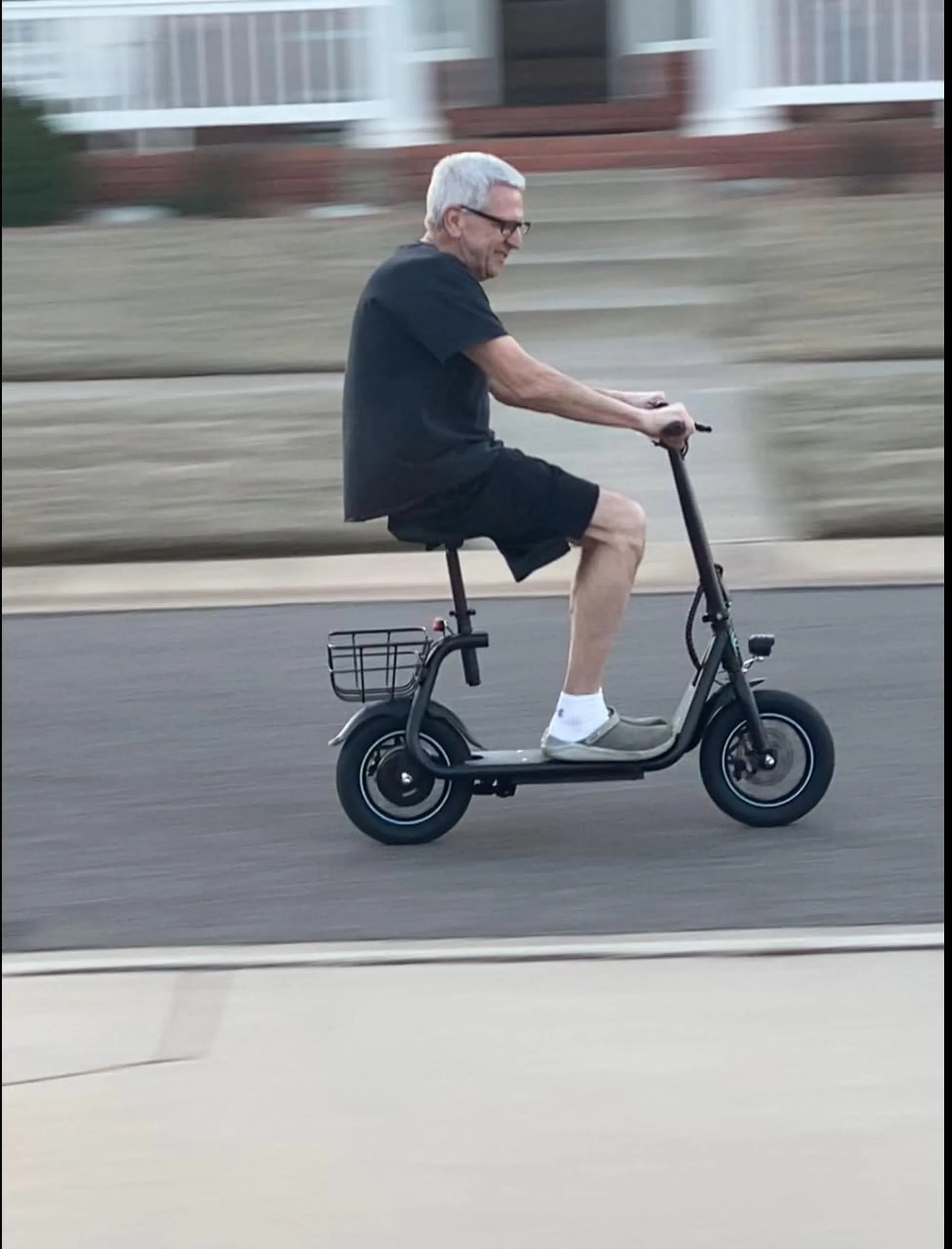
Introduction: The Road to a Better Ride
An electric road scooter is engineered for the pavement, prioritizing sustained performance, reliability, and rider comfort over off-road ruggedness. Choosing the right model transforms your urban commute, errand runs, or leisure rides from a chore into a pleasure. The core decision hinges on balancing three critical pillars: speed for efficient travel, range for distance confidence, and comfort for daily usability.
This guide cuts through marketing hype to focus on the engineering and data that matter for road-focused riders. We will analyze the specifications that translate to real-world performance and provide clear recommendations for different rider profiles. Leading brands like Gyroor build their reputation on these principles, offering UL-certified, safety-focused models trusted by over 100,000 riders across North America and Europe.
Key Features of a Top-Tier Road Scooter
Understanding the core components is essential for making an informed purchase. The best electric road scooters integrate these features seamlessly to deliver a superior riding experience on paved surfaces.
Motor Power & Speed: Sustaining Pace on Pavement
Motor wattage is the primary determinant of a scooter's capability. For road use, sustained power is more critical than a high peak speed. A 500W motor is a solid entry point for flat terrain, but 800W or higher is recommended for cities with frequent inclines.
Torque, the rotational force, is what gets you moving from a stop and powers up hills. A high-torque motor provides better acceleration and hill-climbing ability, which is vital for stop-and-go traffic. Speed motors maintain higher top-end velocity but may struggle on gradients.
For reliable road commuting, a dual-motor configuration offers the best of both worlds. It provides exceptional torque for acceleration and hill climbing, while also enabling a higher, more stable top speed when needed on clear stretches.
Battery Capacity & Real-World Range
Manufacturer range claims are often based on ideal laboratory conditions. Real-world range depends on battery capacity, measured in watt-hours (Wh), which factors in both voltage (V) and amp-hours (Ah). The formula is simple: Voltage x Amp-Hours = Watt-Hours.
A higher Wh rating generally means more potential range. A 48V 15Ah battery (720Wh) will typically outlast a 36V 12Ah battery (432Wh). However, real-world factors like rider weight, wind resistance, hill frequency, and riding style (aggressive acceleration) can reduce range by 30-40%.
Battery safety is non-negotiable. UL-certified battery packs, like those used in all Gyroor models, undergo rigorous testing for stability, charging cycles, and failure prevention. This certification is a key indicator of a brand's commitment to rider safety and product longevity.
Suspension & Deck Design: The Comfort Equation
Road vibrations from cracks, seams, and uneven pavement are the primary source of rider fatigue. Quality suspension absorbs these shocks. Spring or hydraulic front suspension is highly effective, while some models add rear suspension or a dual-spring system for a plush ride.
Tire choice is equally important. Large, pneumatic (air-filled) tires (10 inches or larger) offer inherent cushioning and better traction. Solid or honeycomb tires eliminate flats but transmit more vibration. For comfort-focused road riding, pneumatic tires paired with suspension create the smoothest experience.
The deck is your platform. A wide, long deck (over 20 inches long) allows for multiple foot positions. High-quality, abrasive grip tape is essential for security. A slightly flexible deck material can also contribute to shock absorption, further enhancing comfort on longer journeys.
Braking Systems & Safety for Higher Speeds
As speed and weight increase, braking performance becomes critical. A combination of two independent braking systems is the industry standard for safety. Disc brakes (mechanical or hydraulic) offer the strongest, most consistent stopping power and perform well in wet conditions.
Drum brakes are enclosed, making them low-maintenance and resistant to weather, but they can overheat on long descents. Electronic (regenerative) braking uses the motor to slow the scooter and can recapture some energy, but it should never be the sole braking system.
For road scooters capable of 20+ mph, a front disc brake and a rear drum or disc brake provide optimal control. This allows for balanced, predictable stopping, preventing fishtailing and ensuring safety in emergency situations.
Top Picks: Matching Road Scooters to Rider Profiles
The 'best' scooter is the one that aligns with your specific needs. We segment recommendations based on primary commuting priorities, using a data-driven approach to highlight ideal feature sets.
The Long-Distance Commuter: Maximizing Range
This rider needs a scooter that reliably covers 25+ miles on a single charge. Priority goes to high-capacity batteries (750Wh+), energy-efficient motors, and features that conserve power. Look for models with selectable riding modes, including an 'Eco' mode that limits top speed to extend range.
Regenerative braking can add 5-10% back to your battery on routes with frequent stops. Comfort is also key for long rides, so a suspension system and pneumatic tires are mandatory. A bright headlight and reliable brake lights are crucial for evening commutes.
Gyroor's long-range models exemplify this category, focusing on large, UL-certified battery packs and efficient motor controllers to deliver predictable, safe mileage for the daily commuter who can't risk running out of power.
The Speed-Focused Urbanite: Prioritizing Pace & Power
For riders who value quick transit and the ability to keep pace with urban traffic, motor power is king. Look for scooters with 1000W+ single motors or dual-motor setups, which can achieve top speeds of 28-35 mph. This power must be matched with a robust braking system—dual hydraulic or mechanical disc brakes are ideal.
Stability at speed is provided by a longer wheelbase, a stiff deck, and often wider handlebars. High-speed scooters benefit from wider tires for better cornering grip. The trade-off is often increased weight and slightly reduced range due to the power demands.
Performance-oriented brands engineer scooters in this category with heat-dissipating motor controllers and reinforced frames to handle the stresses of sustained high-speed operation, ensuring durability and safety.
The Comfort-Seeker: Smoothing Out the City Streets
This priority is about ride quality above all else. The ideal scooter features a full suspension system—front and rear—combined with large (10” or 11”) pneumatic tires. This combination effectively isolates the rider from nearly all road imperfections.
The deck should be wide and may feature anti-vibration padding or a textured surface that reduces foot fatigue. A wide, padded kickstand provides stable parking, and intuitive, dampened throttle controls prevent jerky acceleration.
Comfort extends to usability: a clear, bright display that's readable in sunlight, intuitive controls, and a folding mechanism that doesn't require excessive force. These details transform the scooter from a vehicle into a seamless extension of the rider's commute.
Beyond the Spec Sheet: Essential Considerations for Road Riders
Technical specifications tell only part of the story. These practical factors significantly impact the ownership experience and long-term satisfaction.
Portability & Weight: Last-Mile Logistics
If your commute involves stairs, public transit, or storage in a tight space, weight and foldability are paramount. Performance scooters often weigh 45-70 lbs, making them cumbersome to carry. Commuter-focused models may weigh 30-40 lbs.
Evaluate the folding mechanism: is it a one-step process? Does the scooter lock securely when folded for easy rolling? A good folding design and a built-in carry handle can make a 40 lb scooter far more manageable than a poorly designed 35 lb one.
Durability & Weather Resistance
Road scooters encounter dust, water splashes, and occasional rain. The IP (Ingress Protection) rating indicates resilience. An IPX5 rating, standard on Gyroor scooters, means the unit is protected against water jets from any direction, making it safe for riding in wet conditions and through puddles.
Build quality is evident in weld points, bolt quality, and cable management. A reputable warranty is a sign of confidence; Gyroor offers a reliable 1-year warranty, backed by accessible customer support, which is invaluable for a daily-use vehicle.
Lighting & Visibility: Staying Safe After Dark
Integrated lighting is a safety necessity. A headlight with at least 200 lumens is required to see the road ahead. A bright taillight with a brake light function (that activates when braking) is critical for being seen by traffic from behind.
Many scooters lack sufficient side visibility. Adding aftermarket reflective stickers, wheel rim lights, or a wearable LED vest is a wise investment for urban night riding. Ensuring you are visible is as important as being able to see.
Comparison Table: Road Scooter Feature Analysis
| Rider Profile | Priority Features | Ideal Motor | Ideal Battery | Key Comfort Specs | Best For |
|---|---|---|---|---|---|
| Long-Distance Commuter | Maximum Range, Reliability | 500W-800W Efficient | 48V/15Ah+ (720Wh+) | Pneumatic Tires, Basic Suspension, Eco Mode | Daily commutes >10 miles, predictable routing |
| Speed-Focused Urbanite | Acceleration, Top Speed | 1000W+ Single or Dual Motor | 48V/13Ah+ (624Wh+) for power | Stiff Deck, Wide Tires, Dual Disc Brakes | Dense city traffic, riders who value quickness |
| Comfort-Seeker | Smooth Ride, Ergonomics | 500W-800W (Sufficient) | 48V/12Ah+ (576Wh+) | Full Suspension, Large Pneumatic Tires, Padded Deck | Uneven city streets, riders sensitive to vibration |
Frequently Asked Questions (FAQ) for Road Scooter Buyers
Q: How fast can I legally ride an electric scooter on the road?
Local laws vary significantly. In many U.S. cities, the legal limit for e-scooters on public roads and bike lanes is 15-20 mph. Some jurisdictions limit privately owned scooters to 20-25 mph. It is imperative to check your specific city and state regulations before riding. Riding above legal limits can result in fines and invalidate insurance.
Q: Can I ride my road scooter in the rain?
Scooters with an IPX5 rating or higher are designed to withstand water jets and heavy rain, making them safe for wet weather riding. However, caution is always advised: reduce speed, avoid deep puddles (to protect the electronics), and brake earlier and more gently. Always dry your scooter after a wet ride.
Q: What maintenance does a road scooter require?
Regular maintenance ensures safety and longevity. Key tasks include: checking and maintaining proper tire pressure weekly; inspecting brake pads for wear and adjusting cable tension; periodically tightening bolts and fasteners (especially after the first 50 miles); and cleaning the scooter with a damp cloth. For the battery, avoid full discharges and store in a cool, dry place.
Q: How important is the wheel size for a road scooter?
Very important. Larger wheels (10 inches and up) roll over cracks, bumps, and debris more easily than smaller wheels (8 inches), providing greater stability, comfort, and safety. For dedicated road use, larger pneumatic tires are generally the superior choice for a smooth and secure ride.
Q: Are more expensive scooters worth the investment for road use?
For daily commuting, yes. Higher-priced scooters typically invest in better-quality components: UL-certified batteries, more powerful and efficient motors, superior braking systems, and robust frames with better weatherproofing. This translates to greater safety, reliability, comfort, and longer overall lifespan, reducing long-term cost and frustration.
Conclusion: Finding Your Perfect Road Companion
Selecting the best electric road scooter is a process of aligning engineering with personal need. The core pillars of speed, range, and comfort must be weighted based on your specific commute, local terrain, and riding style. A long-distance rider will prioritize a high-capacity, safe battery, while an urban speedster needs robust power and braking.
Beyond performance specs, prioritize certified safety features like UL-rated batteries and reliable dual braking systems. Consider the practicalities of weight, weather resistance (IP rating), and the security of a strong warranty from an established brand. These factors ensure your scooter is a dependable asset, not a liability.
By understanding the technology and asking the right questions, you can confidently choose a scooter that transforms your daily travel. For a range of models built with these road-ready principles—focusing on safety-certified batteries, IPX5 water resistance, and reliable performance—browse the full Gyroor collection at gyroorboard.com to find your ideal ride.
Are Electric Scooters Street Legal in Florida? What You Need to Know
Best Electric Scooters Under $250: Affordable and Reliable Rides for Everyone