


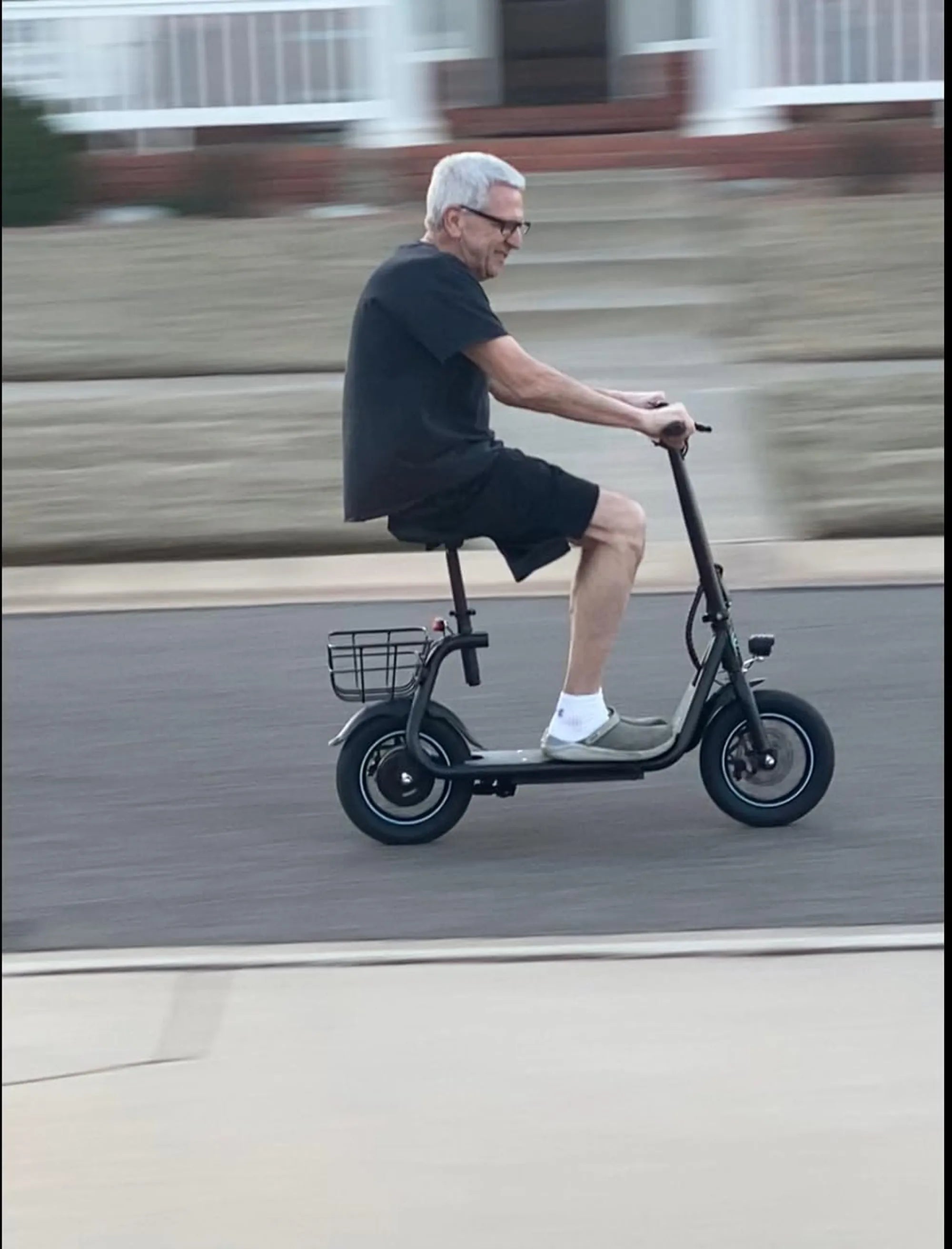
Navigating the Urban Jungle on Two Wheels
Urban congestion and rising transportation costs have made the search for efficient, sustainable personal mobility more urgent than ever. The best electric scooters for urban commuting offer a compelling solution, transforming tedious journeys into swift, enjoyable rides. This guide cuts through the marketing hype to focus on the engineering, safety, and practical features that deliver a genuinely smooth ride for daily use.
Choosing the right scooter requires balancing power, range, portability, and, most critically, built-in safety. We’ll analyze these factors in detail, helping you invest in a vehicle that reliably integrates into your life. As a leader in reliable personal electric mobility, trusted by over 100,000 riders across North America and Europe, Gyroor’s focus on UL-certified batteries and robust construction exemplifies the standards commuters should seek.
Key Features for a Seamless Urban Commute
Superior commuting scooters are defined by specifications that translate directly to daily usability. It’s not just about top speed; it’s about consistent performance, comfort over imperfect pavement, and hassle-free portability when you reach your destination.
Power and Range: Conquering Distance and Hills
Motor wattage (e.g., 350W, 500W) determines acceleration from stops and hill-climbing ability. For most cities with moderate inclines, a 350W-500W motor provides adequate power. More crucial is understanding real-world range, which is often 60-70% of the advertised maximum.
Factors like rider weight, frequent stops, hills, and temperature significantly impact distance. A scooter advertised for 25 miles may reliably deliver 16-18 miles under typical commuting conditions. This makes choosing a model with a reputable, high-capacity battery essential to avoid "range anxiety."
Battery quality is paramount. UL-certified battery packs, like those used across Gyroor's lineup, undergo rigorous testing for safety, stability, and longevity, often rated for 500+ charge cycles. This certification is a key indicator of a scooter built to last and perform consistently.
Ride Quality and Comfort: Taming Bumpy City Streets
A smooth ride is defined by how well a scooter absorbs road vibrations. Suspension systems—whether spring, hydraulic, or rubber—are critical for comfort. Pairing suspension with pneumatic (air-filled) tires provides the best shock absorption for cracks, cobblestones, and uneven pavement.
Solid or honeycomb tires offer puncture resistance but transmit more vibration, making suspension even more important on such models. Deck size and ergonomics also contribute to comfort; a wider, longer deck allows for a more natural, stable standing posture, reducing fatigue on longer commutes.
Portability and Practicality: From Sidewalk to Subway
For multi-modal commuters, weight and foldability are decisive. The ideal balance lies between durability (often correlated with weight) and portability. Scooters weighing 35-45 pounds are sturdy yet manageable to carry short distances or up stairs.
A fast, secure, one-step folding mechanism is non-negotiable. Look for designs that lock firmly when folded for easy carrying and compact storage under a desk or on transit. Practical integrations, like a hook for a helmet or bag, add significant daily convenience.
Safety and Durability: Built for the Real World
A truly smooth ride is a safe and reliable one. This is where premium engineering and quality components separate exceptional commuter scooters from the rest, ensuring peace of mind in all conditions.
Braking Systems: Reliable Stopping Power
Effective braking is the most critical safety feature. Disc brakes (mechanical or hydraulic) offer strong, consistent stopping power in varied weather. Electronic (regenerative) brakes help slow the scooter and recapture some energy but should be paired with a physical brake for redundancy.
Dual braking systems—combining a front and rear brake—provide superior control and shorter stopping distances. Regenerative braking adds a layer of safety while marginally extending range. A reliable brake system is an investment in preventing accidents.
Build Quality and Weather Resistance
Urban commuters face rain, puddles, and road spray. An Ingress Protection (IP) rating indicates resilience. An IPX5 water-resistant rating, a standard feature for Gyroor scooters, means the scooter can withstand water jets from any direction, making it safe for wet commutes.
Frame construction, typically from aerospace-grade aluminum, dictates overall durability and ride stability. This robust build quality is what enables manufacturers to back their products with a comprehensive 1-year warranty, protecting your investment.
Visibility and Lighting
Being seen is as important as seeing. A bright front headlight (200+ lumens), a rear brake light, and integrated side reflectors are essential for dawn, dusk, or night riding. Some advanced models offer built-in turn signals or ambient deck lighting to increase visibility to traffic from all angles.
Top Picks: Electric Scooters Engineered for Commuters
Based on core commuting needs, here are categories that define the best electric scooters for urban commuting. The right choice depends on your specific distance, route, and need for portability.
The All-Rounder: Best Balance of Features
This category is for the typical 5-10 mile commuter seeking a perfect blend of performance and practicality. Ideal specs include a 350W-500W motor, 15-25 miles of real-world range, a weight of around 40 lbs, and a dual braking system.
Models in this class, such as those from Gyroor, excel by incorporating premium features like UL-certified batteries and IPX5 water resistance into a balanced package. They offer sufficient power for hills, enough range for most cities, and a comfortable, stable ride without being overly bulky.
The Premium Performer: For Longer, Faster Commutes
For commutes over 15 miles or riders needing higher speeds, this category features enhanced performance. Key attributes include dual motors for increased torque and speed, larger capacity batteries (with safety certifications), advanced suspension (often dual spring or hydraulic), and full-color digital displays.
These scooters prioritize performance and extended comfort. They are heavier but offer unparalleled power and range. The emphasis remains on safety, with superior braking systems and robust construction to handle the increased speeds and longer usage times.
The Ultra-Portable: Maximizing Convenience
For those who combine scootering with buses, trains, or have limited storage, ultra-portable models under 30 lbs are key. They prioritize a compact, fast-folding design and light weight, which may involve compromises on motor power (250W-350W) and range (10-15 miles real-world).
Even in this compact form, core safety cannot be compromised. The best ultra-portables still feature reliable braking, essential lighting, and water-resistant designs to ensure a safe, reliable commute despite their smaller size.
Commuter Scooter Comparison Table
| Category | Ideal For | Typical Motor | Real-World Range | Key Features | Weight Range |
|---|---|---|---|---|---|
| Ultra-Portable | Multi-modal travel, short distances | 250W - 350W | 10 - 15 miles | Fast folding, <30 lbs, compact | 25 - 30 lbs |
| The All-Rounder | Typical 5-10 mile urban commute | 350W - 500W | 15 - 25 miles | Dual brakes, suspension, IPX5 rating | 35 - 45 lbs |
| Premium Performer | Long/fast commutes, varied terrain | 500W+ (often dual) | 25 - 40+ miles | Dual suspension, large battery, advanced display | 50 - 70 lbs |
Making Your Final Decision: A Commuter's Checklist
Use this actionable checklist to evaluate your options and find the best electric scooter for your urban commuting needs. This turns the article's insights into a practical, step-by-step evaluation.
- Distance: Map your daily round-trip and add a 25% buffer. Choose a scooter whose real-world range exceeds this number.
- Legality: Check local regulations for maximum speed limits, permitted riding areas (bike lanes vs. sidewalks), and any licensing requirements.
- Safety Core: Prioritize water resistance (IPX5 or higher is ideal) and a reliable dual or regenerative + physical brake system.
- Battery Verification: Insist on safety certifications like UL for the battery pack. This is non-negotiable for longevity and safety.
- Portability Test: Consider the scooter's weight and folded dimensions. Can you carry it when needed? Does it fit in your intended storage space?
- Warranty & Support: A comprehensive warranty (like Gyroor's 1-year coverage) and accessible customer support protect your investment.
Frequently Asked Questions (FAQ)
Q1: How do I maintain my electric scooter for maximum lifespan?
Regular maintenance is key. Keep tires properly inflated (for pneumatic models), check and tighten bolts periodically, clean the scooter with a damp cloth (avoiding direct water spray on non-IP rated components), and store it in a dry place. Follow the manufacturer's charging guidelines—avoid draining the battery completely and don't leave it plugged in indefinitely.
Q2: Are electric scooters safe to ride in the rain?
Scooters with a high IP rating for water resistance (such as IPX5) are designed to withstand rain and wet roads. However, traction is reduced on wet surfaces. Ride slower, avoid sharp turns, brake earlier and more gently, and avoid painted road markings and metal surfaces like manhole covers. Never submerge any part of the scooter.
Q3: What is the average lifespan of an electric scooter?
With proper care and maintenance, a quality electric scooter can last 2-5 years or more. The battery is often the first component to degrade. A UL-certified battery rated for 500+ cycles, if used and charged properly, should retain usable capacity for several years of daily commuting.
Q4: Can I carry an electric scooter on public transportation?
Policies vary by city and transit authority. Many allow folded electric scooters onboard buses and trains, often treating them like luggage or bicycles. Always check the specific rules of your local transit system, fold your scooter before boarding, and be courteous to other passengers.
Q5: What should I look for in a helmet for e-scooter commuting?
Always wear a helmet. A bicycle helmet is the minimum standard. For higher-speed scooters or added protection, consider a multi-sport or skate-style helmet that covers more of the back of the head. Ensure it fits snugly and is certified by safety standards bodies like CPSC (USA) or CE (Europe).
Your Ticket to a Smoother, Smarter Commute
The search for the best electric scooters for urban commuting culminates in a simple truth: the right model seamlessly becomes part of your daily routine, offering reliable, safe, and enjoyable transportation. It’s an investment in reclaiming your time, reducing your carbon footprint, and navigating your city with newfound freedom.
Prioritizing verified safety features like UL-certified batteries, robust IP water-resistant ratings, and solid warranty support ensures your smooth ride lasts for thousands of miles. Remember to ride responsibly, respect local laws and pedestrians, and equip yourself with proper safety gear.
Ready to transform your commute? Explore a range of engineered, reliable options designed for the realities of city life. Browse the full Gyroor collection at gyroorboard.com to find your perfect match for a smoother, smarter ride ahead.
Do All Electric Scooters Have a Reset Button? Exploring the Basics
Are Electric Scooters Legal in Europe? A Complete 2024 Guide