


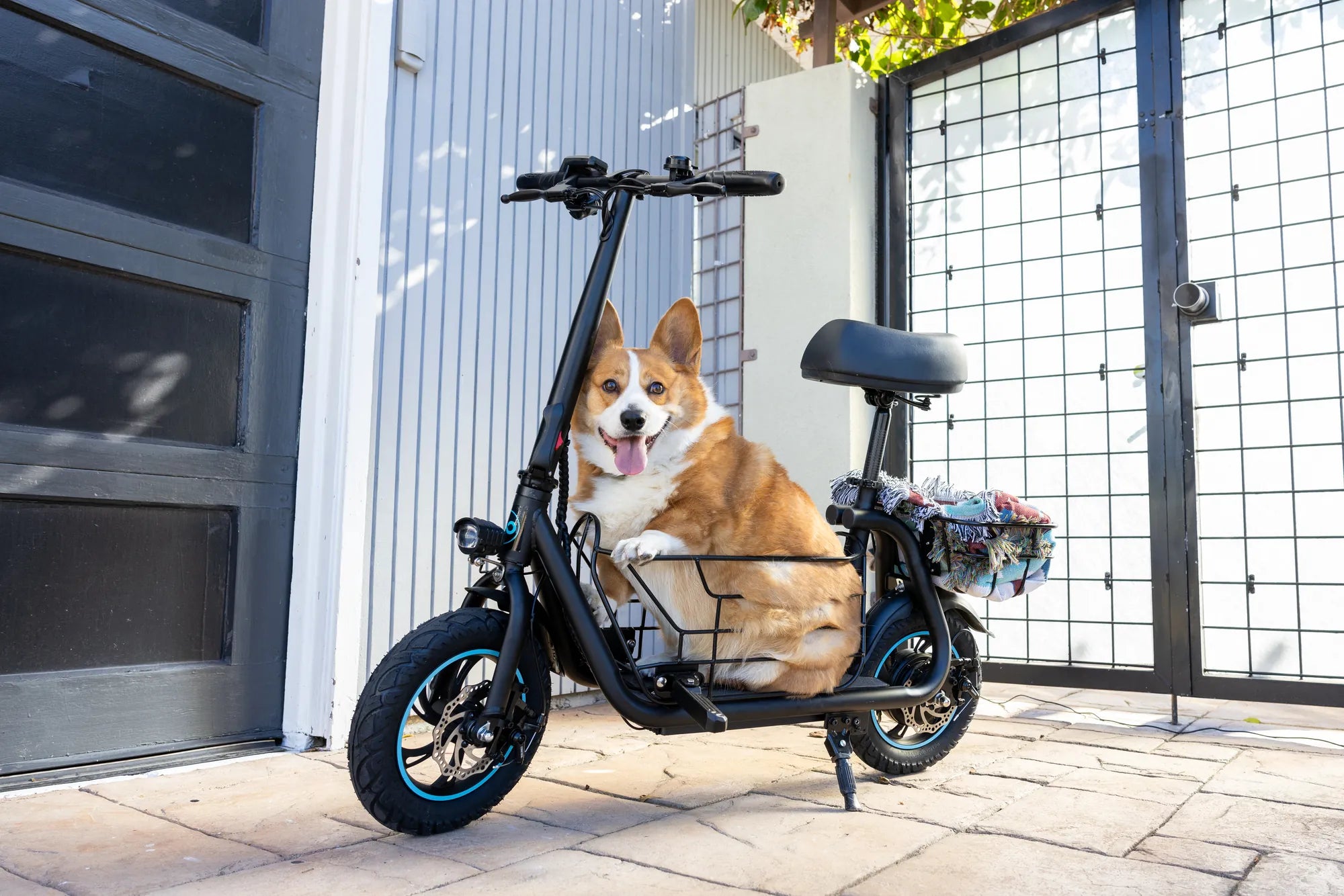
Finding the best scooter for a 13 year old boy is about more than just picking a fun toy. It's a significant purchase that grants a young teen newfound independence while demanding serious consideration of safety and reliability. This guide cuts through the noise to provide a data-driven framework for selecting a scooter that prioritizes your child's well-being, stands up to active use, and offers genuine long-term value. You will learn the non-negotiable safety specifications, understand key performance metrics, and discover how features like certified batteries and comprehensive warranties build parental confidence.
Key Safety Features Every Parent Must Check
Safety is the paramount concern when selecting any vehicle for a child. For an electric scooter, this extends beyond just wearing a helmet to the intrinsic engineering of the device itself. The best scooter for a 13 year old boy will excel in core safety areas that prevent accidents and mitigate risks. These features form the foundation of a responsible purchase.
Parents should scrutinize the braking system, speed capabilities, and overall stability. A scooter that is too fast or cannot stop reliably is a hazard. Furthermore, construction quality directly impacts safety; a flimsy frame or poor welding can fail under stress. Prioritizing these elements ensures the scooter is a tool for responsible fun, not an unnecessary danger.
The Critical Importance of UL-Certified Batteries
The battery is the heart of an electric scooter and its most critical safety component. A UL-certified lithium-ion battery pack has undergone rigorous independent testing by Underwriters Laboratories for safety regarding overheating, short-circuiting, and fire risk. This certification is non-negotiable for a device a teen will often charge unsupervised.
Uncertified, off-brand batteries pose a significant fire hazard. They can overcharge, swell, or even combust. Brands like Gyroor, trusted by over 100,000 riders, use UL-certified batteries tested for 500+ charge cycles, ensuring both safety and long-term performance. This certification provides peace of mind that the power source is as reliable as the scooter itself.
Braking Systems: Disc vs. Electronic Regeneration
Effective braking is essential for navigating neighborhoods, avoiding obstacles, and stopping safely at intersections. The best scooter for a 13 year old boy should feature a dual-braking system for redundancy. Common types include mechanical disc brakes, which provide strong, consistent stopping power in all weather, and electronic (regenerative) brakes, which use the motor to slow down and can recharge the battery slightly.
A combination of both is ideal. For example, a front electronic brake and a rear disc brake offer balanced, reliable stopping. Foot fender brakes, common on basic kick scooters, are often insufficient for the higher speeds and weights of electric models. Always verify the braking system's quality and look for scooters where the brakes are appropriately sized for the scooter's power.
Speed Limits and Parental Control Modes
For a 13-year-old, a top speed between 10-15 mph (16-24 km/h) is generally appropriate. This range allows for efficient travel to school or a friend's house while keeping speed manageable. Many quality scooters come with multiple speed modes (e.g., Beginner, Eco, Sport) that can be set and locked via a companion app or PIN code.
Parental controls are a key feature. They allow you to cap the maximum speed initially, letting your teen graduate to higher speeds as they demonstrate responsible riding. A scooter that rockets to 20+ mph is not the best scooter for a 13 year old boy; controlled, incremental speed access is a safer approach that aligns with developing skills and judgment.
Top Scooter Considerations: Beyond Speed
While speed and safety are headline features, the overall suitability of a scooter is determined by a suite of other factors. These considerations impact daily usability, comfort, and how well the scooter will hold up over months of use. Durability, range, and ride quality are just as important for long-term satisfaction.
Ignoring these aspects can lead to a scooter that is uncomfortable, impractical, or breaks down quickly. A holistic view ensures the scooter fits the teen's lifestyle, whether it's a daily commute on pavement or weekend adventures on varied paths. The best scooter for a 13 year old boy is one that is joyfully used for a long time.
Weight Capacity and Build Quality
Always choose a scooter with a maximum weight capacity significantly higher than your child's current weight. If your teen weighs 120 lbs, look for a scooter rated for at least 220 lbs. This overhead ensures the frame, stem, and deck are built to handle dynamic loads from jumping curbs or riding over bumps without stress fractures.
Build quality is evident in materials and construction. A frame made from aerospace-grade aluminum is both lightweight and strong. Check for reinforced welding at stress points, a sturdy folding mechanism that locks securely, and a wide, grippy deck for stable footing. A robust build is a primary indicator of a scooter designed for real-world use by active riders.
Real-World Range and Battery Efficiency
Manufacturer range claims are often based on ideal conditions: a lightweight rider on flat, smooth pavement at low speed. For a realistic estimate, assume a usable range of 10-15 miles for most teen-appropriate models. This is sufficient for several days of typical use between charges.
Range is directly tied to battery quality and motor efficiency. A scooter with a UL-certified battery and a well-tuned motor will deliver more consistent range. Consider your teen's routine; a 4-mile round trip to school requires less range than extensive weekend exploration. The best scooter for a 13 year old boy offers enough range for freedom without constant range anxiety.
Tire Type: Air-Filled vs. Solid Comfort
Tires significantly affect ride comfort and maintenance. Air-filled (pneumatic) tires, like those on bicycles, offer superior shock absorption. They smooth out cracks in the sidewalk, gravel, and other imperfections, providing a more comfortable and stable ride, especially important for longer trips.
Solid (airless or honeycomb) tires are puncture-proof and require zero maintenance. However, they transmit more vibration from the road to the rider, leading to a harsher ride on rough surfaces. For a 13-year-old, pneumatic tires are often the better choice for comfort, but if flat tires are a major concern, high-quality solid rubber tires can be a practical compromise.
Durability and Warranty: Ensuring Long-Term Value
A scooter is an investment. Protecting that investment requires a focus on durability features and strong warranty support. A scooter built with quality components and backed by a comprehensive warranty will last through the teen years, providing greater value and reducing the risk of unexpected repair costs.
Durability isn't just about withstanding crashes; it's about resisting daily wear from weather, vibration, and repeated folding. A good warranty reflects the manufacturer's confidence in their product. When evaluating the best scooter for a 13 year old boy, these factors are strong indicators of reliability and a company that stands behind its gear.
The Role of IP Water-Resistance Ratings
An IP (Ingress Protection) rating indicates how well a scooter is sealed against dust and water. A rating of IPX5, common on Gyroor models, means the scooter can withstand low-pressure water jets from any direction. This makes it safe to ride through puddles, in light rain, or when washing the scooter.
This is a crucial feature for real-world use. Teens won't always check the weather, and a sudden drizzle shouldn't risk damaging the electronics or motor. Water resistance protects the scooter's internal components, extending its lifespan and ensuring it's ready to ride in various conditions. It’s a key feature for a durable, everyday vehicle.
Understanding a Comprehensive 1-Year Warranty
A strong warranty is your safety net. Look for a warranty that covers the core components for at least one year: the battery, motor, controller, and frame. Gyroor, for instance, offers a 1-year comprehensive warranty on these parts, which is a benchmark for the industry.
This means if a motor fails under normal use or a battery exhibits a defect, it will be repaired or replaced. A warranty backed by accessible, responsive customer support in your region (like Gyroor's US-based support) is invaluable. It transforms a product into a supported purchase, ensuring help is available if needed.
Recommended Models and Responsible Riding Tips
With the key criteria established, the search narrows to models that embody these principles. The ideal scooter should match the teen's primary use case, whether it's urban commuting or light trail riding. Equally important is establishing a culture of safe riding from day one, with clear rules and proper protective gear.
This combination of the right hardware and the right habits creates a safe and enjoyable riding experience. The best scooter for a 13 year old boy is ultimately part of a system that includes the rider's knowledge and preparedness. Let's explore model profiles and foundational safety practices.
Model Profiles: Commuter vs. All-Terrain Styles
For most teens, a commuter-style scooter is ideal. These models prioritize portability, smooth ride quality on pavement, and efficient motors for good range. They typically feature medium-sized pneumatic tires, a streamlined design, and a weight suitable for carrying up stairs if needed. Look for integrated lighting and a bell for urban safety.
For teens with access to park paths, dirt trails, or rougher neighborhoods, an all-terrain or off-road style scooter may be better. These have larger, often knobby tires (8.5 inches or larger), more ground clearance, and enhanced suspension systems. They are built to handle bumps and uneven surfaces more comfortably but are usually heavier and less portable.
Essential Gear and Fundamental Riding Rules
A certified bicycle helmet is an absolute minimum requirement. Strongly consider knee and elbow pads, especially during the learning phase. High-visibility clothing or reflective stickers on the scooter and backpack are wise for dusk riding.
Establish clear rules: always ride in bike lanes or on the right side of the road, never against traffic. Obey all traffic signals and pedestrian right-of-way. Avoid using headphones while riding. Use the scooter's lights at dawn, dusk, and night. Finally, know and follow local ordinances regarding where electric scooters are legally permitted to operate.
Comparison of Key Scooter Features
| Feature | Why It Matters for a 13-Year-Old | Ideal Specification |
|---|---|---|
| Top Speed | Balances fun with safety and control. | 10-15 mph, with programmable modes. |
| Braking System | Ensures reliable stopping in emergencies. | Dual system (e.g., disc + electronic). |
| Battery Certification | Prevents fire risk during charging/use. | UL-certified lithium-ion pack. |
| Weight Capacity | Ensures structural integrity and durability. | Minimum 220 lbs capacity. |
| Range | Determines practical usability for trips. | 10-15 miles real-world. |
| Tire Type | Affects ride comfort and maintenance. | Pneumatic for comfort; solid for zero maintenance. |
| Water Resistance | Protects electronics from rain and puddles. | IPX5 rating or higher. |
| Warranty | Covers defects and protects your investment. | 1-year comprehensive on battery, motor, frame. |
FAQ: Your Questions, Answered
What is a safe top speed for a 13-year-old?
A safe top speed is between 10-15 mph (16-24 km/h). This is fast enough for practical travel but slow enough to maintain control and react to obstacles. Scooters with programmable speed modes that allow parents to set a lower limit initially are highly recommended.
Are electric scooters legal for teens?
Laws vary dramatically by city, state, and country. Common restrictions include a minimum age (often 14-16), helmet requirements, and prohibitions on riding on sidewalks. Always check your local Department of Transportation or city council website for specific ordinances before purchasing.
How do I maintain the scooter?
Basic maintenance includes regularly checking tire pressure (for pneumatic tires), inspecting brakes for wear, ensuring all bolts are tight, and keeping the scooter clean. Store it in a dry place and avoid leaving the battery fully depleted or at 100% charge for extended periods.
Why is a UL-certified battery so important?
UL certification is an independent verification of safety. It drastically reduces the risk of battery fires caused by overheating, short circuits, or faulty management systems. For a device used and charged by a teen, this certification is a critical layer of protection for your home and child.
Can it handle hills?
Hill-climbing ability depends on motor power (wattage) and torque. A motor in the 300W-500W range can typically handle moderate inclines. For hilly areas, look for scooters with higher wattage motors and good torque ratings. Remember, climbing steep hills will drain the battery much faster.
Empowering Independence with Confidence
Selecting the best scooter for a 13 year old boy is a decision that empowers a teen with responsible independence while giving parents tangible peace of mind. The right choice is not the fastest or flashiest, but the one built with certified safety components, durable engineering, and reliable support. Features like a UL-certified battery, IPX5 water resistance, and a strong 1-year warranty are not just specs—they are the pillars of a trustworthy product.
By prioritizing these fundamentals, you invest in more than transportation; you invest in safe adventures, growing confidence, and years of reliable fun. The journey begins with choosing a scooter designed to be a partner in that growth, from a brand that stands behind its commitment to safety and quality.
Ready to explore a range of electric scooters engineered with these safety-first principles? Browse the full Gyroor collection, featuring UL-certified batteries, robust IPX5-rated designs, and comprehensive warranties, at gyroorboard.com.
10 Inch Scooter Inner Tube: The Complete Guide to Selection, Maintenance & Safety
E1 Error Code Scooter: Ultimate Diagnosis & Fix Guide