



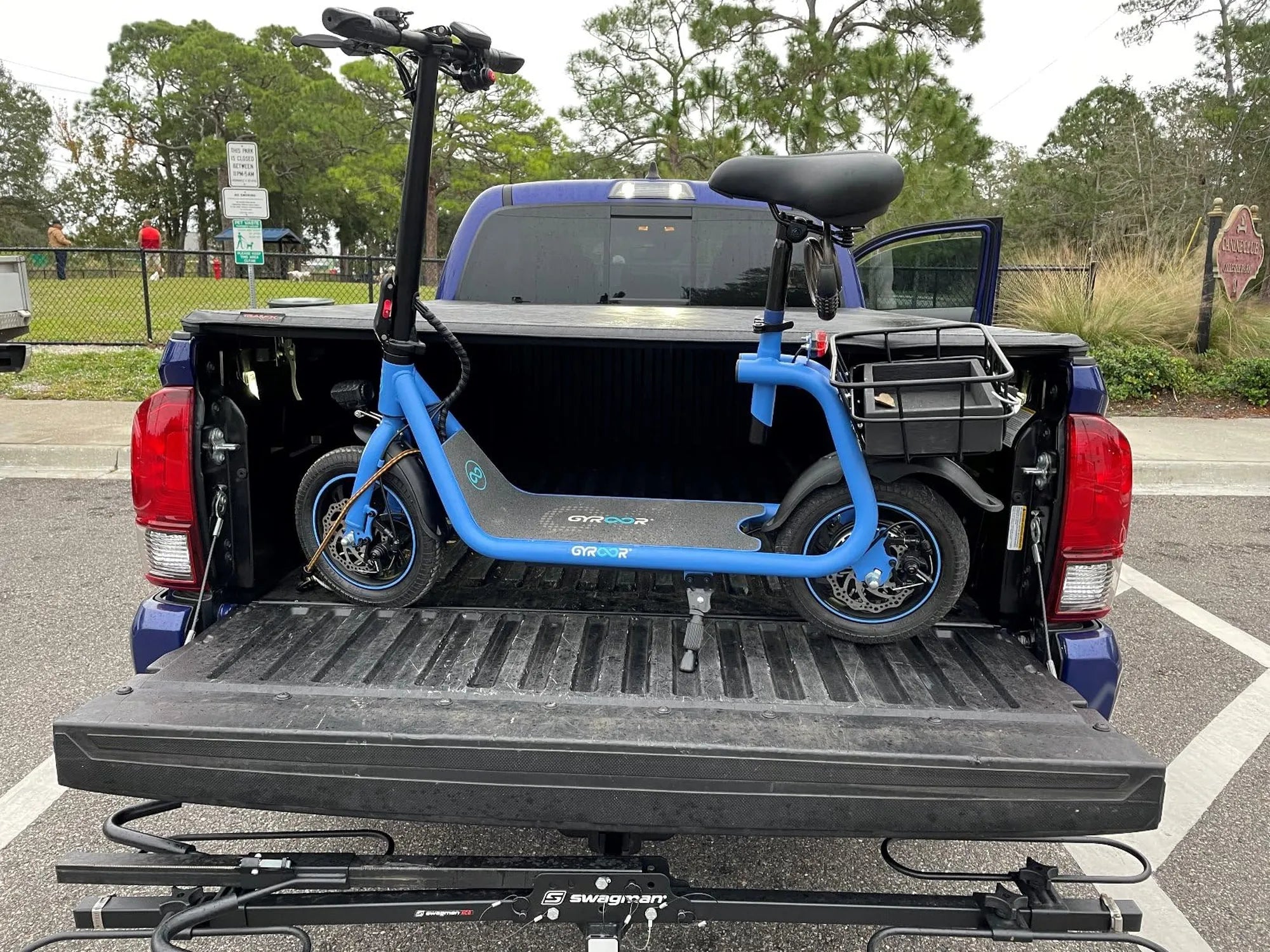
Navigating the world of personal electric transport requires balancing budget with performance and safety. If you're considering Big Lots electric scooters for your daily commute, you need clear facts about what these models offer. This ultimate guide provides a detailed, objective analysis of the affordable electric scooters available at major retailers, comparing them against dedicated electric vehicle brands to help you understand true commuting efficiency.
You'll learn how to evaluate motor power, battery range, and build quality. We'll examine the trade-offs between upfront cost and long-term reliability. By the end, you'll have the knowledge to choose a scooter that fits both your budget and your daily transportation needs safely.
Understanding the Big Lots Electric Scooter Marketplace
Big Lots operates as a broad-line discount retailer, not a specialized electric vehicle manufacturer. Their inventory typically includes seasonal merchandise, which means electric scooters often appear during spring and summer months. The selection varies significantly by location and season, with limited consistent model availability year-round.
The scooters found at Big Lots are generally entry-level models manufactured by various OEMs and sold under different brand names. These are typically positioned as recreational or last-mile transportation solutions rather than heavy-duty commuter vehicles. The focus is overwhelmingly on accessible price points.
Shoppers should approach these purchases with careful scrutiny of product specifications. Unlike dedicated brands with detailed technical support pages, product information at big-box retailers can be minimal. It's crucial to examine the manual, warranty card, and any listed specs on the box before purchase to understand exactly what you're getting.
The retail environment also affects post-purchase support. While returns may be straightforward within the return window, long-term technical support or part sourcing can be challenging. This contrasts sharply with brands that maintain dedicated customer service teams and comprehensive online parts stores.
Key Factors to Evaluate Before You Buy
Purchasing any electric scooter requires careful consideration of specific performance metrics. These factors determine whether a scooter will meet your daily commuting demands or become a frustrating disappointment. Let's break down the critical elements you must check.
Motor Power and Speed: Setting Realistic Expectations
Motor wattage directly determines a scooter's ability to handle inclines and maintain speed. Big Lots electric scooters commonly feature motors in the 100W to 250W range. This is sufficient for flat terrain and light riders but may struggle on hills greater than a 10-15% grade.
Top speeds for these budget models typically cap between 10 mph and 15 mph. This is suitable for short trips on sidewalks or bike paths but may feel slow for longer commutes where maintaining pace with urban bicycle traffic (15-20 mph) is desirable. Always verify the advertised speed is for the actual motor output, not a theoretical maximum.
Consider your route's topography. A 150W motor might propel a 160-pound rider on flat ground adequately, but the same motor will slow considerably on even moderate hills, reducing efficiency and increasing trip time. For consistent commuting, especially in hilly areas, higher wattage (350W+) provides necessary torque.
Battery Life and Range: Planning Your Commute
The battery is the heart of any electric scooter, dictating how far you can travel. Models at discount retailers often use basic lithium-ion or sometimes older sealed lead-acid (SLA) batteries. Lithium-ion is lighter and generally offers better performance, while SLA batteries add significant weight.
Advertised range—often between 5 and 10 miles per charge—is usually an ideal scenario test. Real-world range depends heavily on rider weight, terrain, temperature, and riding style. A 10-mile claim might translate to 6-7 miles for a 180-pound rider on a route with slight inclines.
Battery management systems (BMS) are crucial for safety and longevity. Higher-quality scooters include advanced BMS for overcharge protection, temperature monitoring, and cell balancing. Budget models may have minimal protection, which can affect battery lifespan and safety over hundreds of charge cycles.
Build Quality and Safety Features: What to Look For
Frame construction determines durability. Look for aluminum alloy frames rather than plastic-heavy designs. Check the welding points and folding mechanism (if present) for stability. A wobbly stem or deck can become a serious safety issue at speed.
Braking systems are non-negotiable for safety. Common setups include:
- Electronic (Regenerative) Brakes: Use motor resistance; less effective at high speeds or on steep declines.
- Disc Brakes: Offer strong, consistent stopping power but require maintenance.
- Foot Brakes: Pressing on the rear fender; a basic backup system.
Many budget scooters rely solely on electronic or foot brakes, which may not provide adequate stopping distance in emergencies.
Wheel size and type affect ride comfort and stability. Smaller solid rubber wheels (under 8 inches) are common on budget models but transmit more vibration from pavement cracks and debris. Air-filled (pneumatic) tires provide better shock absorption but require maintenance. Also verify the maximum weight capacity—often 220-250 pounds—and do not exceed it.
How Big Lots Scooters Compare to Brand-Name Alternatives
When evaluating value, direct comparison reveals significant differences in engineering philosophy. The table below contrasts typical characteristics of scooters from major retailers against those from established electric vehicle brands like Gyroor.
| Feature | Typical Big Lots/Retailer Model | Gyroor Commuter Model (Example) |
|---|---|---|
| Motor Power | 100W - 250W | 350W - 500W (Peak) |
| Max Speed | 10 - 15 mph | 19 - 25 mph |
| Real-World Range | 5 - 8 miles | 15 - 25 miles |
| Battery Certification | Often unspecified | UL 2271 Certified |
| Water Resistance | Minimal or unspecified | IPX5 Rated |
| Warranty Period | 90 days - Limited | 1 Year Comprehensive |
| Frame Build | Basic aluminum/plastic composite | Aerospace-grade aluminum alloy |
| Primary Brake Type | Electronic or foot brake | Disc + Electronic Dual System |
| Customer Support | Store return policy | Dedicated US-based team & parts |
| Long-Term Cost | Lower upfront, higher risk of replacement | Higher upfront, lower total cost of ownership |
The upfront price difference is apparent, but the long-term value proposition differs dramatically. Brand-name scooters are designed for daily use with components rated for hundreds of charge cycles and thousands of miles. Their engineering includes redundancy in safety systems and better thermal management for electronics.
Post-purchase support creates another major divergence. A dedicated brand stands behind its product with warranties that cover the battery, motor, and controller. They provide accessible replacement parts and repair guides. This support network is virtually non-existent for generic models once the store return window closes.
The Gyroor Advantage: Investing in Certified Performance and Peace of Mind
For commuters relying on their vehicle daily, certification and proven reliability become paramount. Established brands build their reputation on these factors. Gyroor, as a leading electric scooter and e-bike brand trusted by over 100,000 riders across North America and Europe, exemplifies this approach through several key advantages.
Battery safety is the most critical concern. All Gyroor models use UL-certified battery packs tested for 500+ charge cycles under rigorous conditions. This certification ensures the battery meets stringent electrical, mechanical, and environmental safety standards, significantly reducing fire risk—a concern with uncertified lithium batteries from unknown manufacturers.
Weather resistance enables true all-season commuting. An IPX5 water-resistant rating means the scooter can withstand water jets from any direction, protecting against rain and road spray. This engineering prevents water ingress that could damage electronics or cause short circuits in cheaper models not built for real-world conditions.
Performance specifications are designed for actual urban commuting. A 350W motor provides enough torque for hills, while a 10Ah battery offers a 20+ mile range, comfortably covering most round-trip commutes with a safety margin. This eliminates "range anxiety" and ensures you won't be left walking halfway home.
The comprehensive 1-year warranty covers the entire vehicle, with dedicated US-based support. This commitment means if an issue arises, you have a direct path to resolution. Combined with a library of tutorial content and readily available parts, it transforms the scooter from a disposable item into a maintainable vehicle.
Safety First: Essential Practices for All Electric Scooter Riders
Regardless of your scooter's origin, proper safety practices are non-negotiable. Electric scooters are vehicles, and riding one comes with inherent risks that must be managed through preparation and prudent behavior.
Always wear a helmet certified for bicycle or skateboard use. Wrist guards, knee pads, and elbow pads are highly recommended, especially for new riders. Your head hitting pavement at 15 mph can cause life-altering injuries, making protective gear the single most important investment alongside the scooter itself.
Conduct a pre-ride check every time. Verify tire pressure (if pneumatic), test brake function at low speed, ensure the throttle returns smoothly, and check that all lights are working. Loose bolts, particularly in the stem and folding mechanisms, should be tightened regularly using the provided tools.
Ride defensively and predictably. Assume cars don't see you. Use hand signals for turns, obey traffic signals, and avoid weaving between pedestrians on sidewalks where scooter use is permitted. Stick to bike lanes when available, and never ride under the influence of alcohol or drugs that impair balance and judgment.
Practice proper charging etiquette. Only use the manufacturer-provided charger, and charge on a non-flammable surface in a well-ventilated area. Avoid leaving the battery charging unattended or overnight. Store your scooter in a dry place at room temperature when not in use to preserve battery health.
Maintenance and Longevity: Extending Your Scooter's Life
Regular maintenance ensures safety, reliability, and maximizes your investment. Even basic models benefit from consistent care, while premium scooters are designed with serviceability in mind.
Keep the scooter clean, especially after wet rides. Wipe down the deck to prevent corrosion on metal parts and use a soft cloth to clean the stem and handlebars. Avoid high-pressure water sprays that could force water into electrical components unless your model has a high IP rating.
Tire care depends on type. Solid tires require no inflation but wear down over time. Pneumatic tires need monthly pressure checks—proper inflation prevents pinch flats and improves efficiency. Inspect tires regularly for embedded debris or excessive wear, and replace them when tread is minimal or cracks appear.
Brake maintenance is crucial. For disc brakes, listen for grinding noises that indicate worn pads. Many models allow for pad replacement. For electronic brakes, ensure the regenerative braking feels consistent; a sudden change in resistance could indicate a controller issue. Lubricate mechanical brake cables periodically if present.
Battery care dictates overall vehicle lifespan. Avoid completely draining the battery; try to recharge when it reaches 20-30%. For long-term storage (over a month), charge the battery to about 60% and store in a cool, dry place. Extreme heat and cold degrade battery chemistry faster than normal use.
Making the Smart Choice for Your Urban Commute
Your decision ultimately depends on your specific use case, budget, and risk tolerance. Big Lots electric scooters and similar retail options can serve as low-cost introductions to electric personal transport. They may be suitable for occasional recreational use on smooth, flat paths or for very short trips where walking is almost as fast.
However, for true commuting—regular, dependable transportation to work, school, or transit hubs—the limitations of budget models become significant barriers. The restricted range, slower speeds, and uncertain durability can turn a promising commute into a daily hassle. The lack of certified safety components also introduces unnecessary risk.
Investing in a purpose-built commuter scooter from a reputable brand like Gyroor offers superior efficiency, safety, and long-term cost-effectiveness. The higher initial investment spreads over years of reliable service, with lower per-mile cost and the peace of mind that comes with certified batteries and professional support. Your commute shouldn't be a source of anxiety about whether your vehicle will function today.
Evaluate your daily mileage, route challenges, and local weather conditions. Match those needs to a scooter's proven specifications, not just its price tag. The right electric scooter doesn't just move you from point A to point B—it transforms your relationship with urban mobility, making it efficient, enjoyable, and sustainable.
Frequently Asked Questions (FAQ)
Q: Are Big Lots electric scooters suitable for adult commuters?
A: They can be for very specific, limited use cases. An adult with a short (under 2-mile), flat commute on protected paths might find them adequate for occasional use. However, most adults will find the limited speed, range, and weight capacity restrictive for daily commuting. Heavier riders or those with hills on their route will likely experience performance issues.
Q: What is the typical warranty on a scooter from Big Lots?
A> Warranties vary but are often limited to 90 days from the date of purchase and may only cover manufacturing defects, not normal wear and tear or components like the battery. Coverage is typically handled through the retailer's return desk rather than a dedicated manufacturer's support line, which can limit technical assistance.
Q: How difficult is it to find replacement parts for these scooters?
A> Extremely challenging. Since these are often generic models produced by various factories, specific replacement parts (unique controllers, motor assemblies, or deck covers) are rarely available through official channels. Riders frequently must attempt generic part matches or cannibalize other scooters. This contrasts with brands that maintain official parts inventories for years.
Q: Can the batteries in these scooters be replaced when they degrade?
A> Sometimes, but it's not straightforward. The battery is often a proprietary pack in a unique casing. While technically replaceable if you can find a matching voltage and connector, sourcing a safe, reliable replacement battery is difficult. Using an uncertified or mismatched battery poses significant fire and performance risks.
Q: How does the total cost of ownership compare between a budget retail scooter and a brand-name model?
A> The budget scooter has a lower upfront cost ($150-$300) but a potentially higher total cost. If it fails after the short warranty period, you must buy another. A brand-name scooter ($500-$900) has a higher initial price but is engineered for durability (often 2-5 years of daily use). When spread over thousands of miles and years of service, the cost per mile of the reliable scooter is often lower, not including the value of your time and safety.
Q: What should I do immediately after purchasing any electric scooter?
A> First, read the entire manual. Then, perform an assembly check, tightening all bolts securely. Charge the battery fully using only the provided charger. Take your first rides in a safe, open area like an empty parking lot to practice braking, turning, and getting a feel for the acceleration and balance. Never skip this familiarization phase.
Your choice in electric transportation impacts your daily routine, budget, and safety. While the appeal of a low initial price is strong, the value of reliability, certified safety, and dedicated support becomes clear the moment you depend on your scooter for an important commute. For those ready to invest in a truly efficient commuting solution, explore engineering-built options designed for the real world.
Browse the full Gyroor collection at gyroorboard.com to see commuter scooters with UL-certified batteries, IPX5 water resistance, and the 1-year warranty that provides genuine peace of mind for your journey.
How to Use Electric Scooters in Paris: A Complete Guide for Riders
Buy Electric Scooters UK: The Ultimate Guide to Choosing the Best Ride