



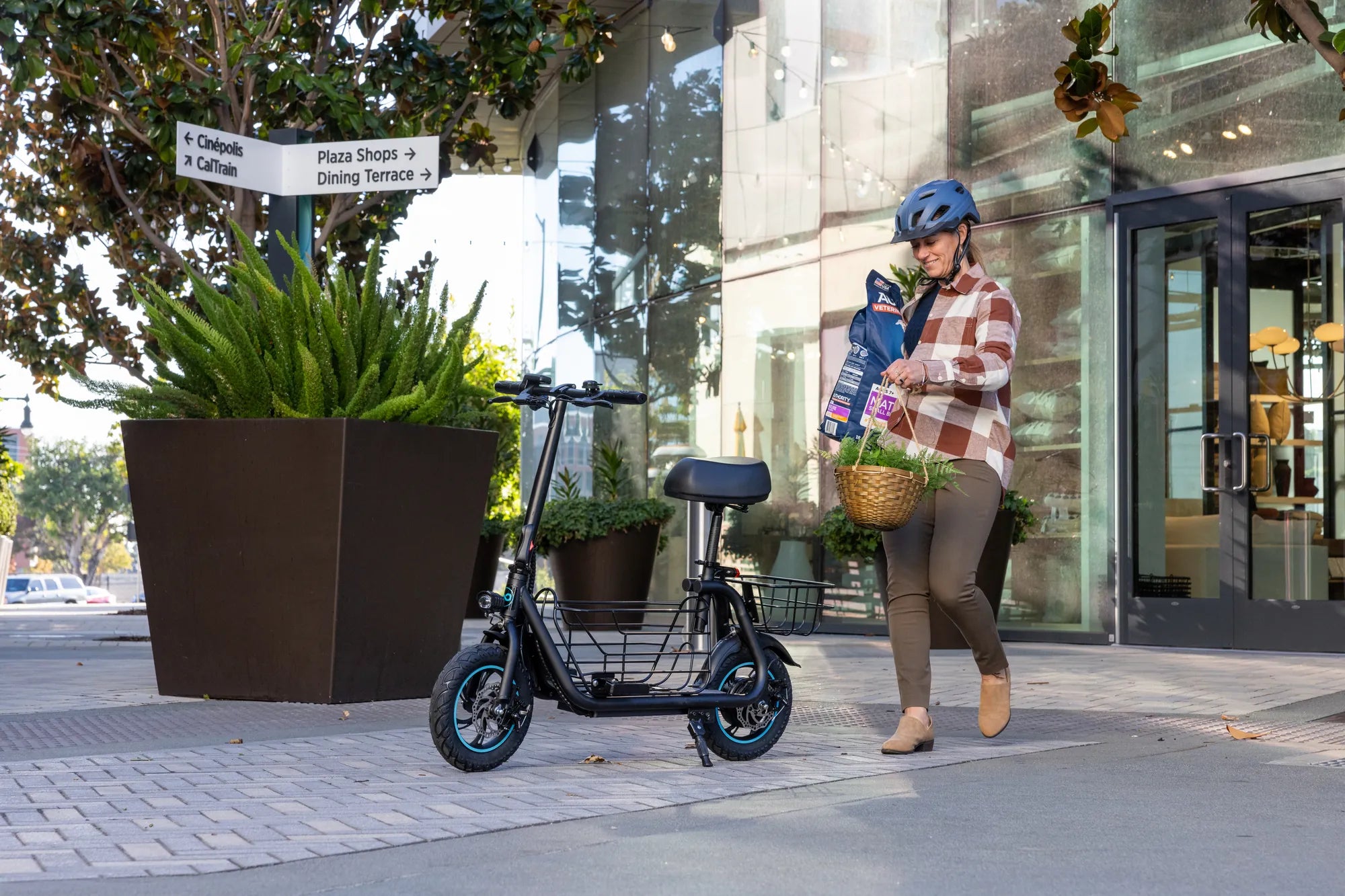
Navigating the UK's Electric Scooter Revolution
Electric scooters have transformed urban mobility, offering a swift, efficient, and eco-friendly alternative for short journeys. For UK residents considering a purchase, navigating the market requires careful attention to specific laws, features, and conditions. This ultimate guide is designed to help you buy electric scooters UK with confidence. We will demystify regulations, compare essential technical specifications, and highlight models built to handle British weather and roads, ensuring your investment is safe, legal, and perfectly suited to your needs.
The surge in popularity is undeniable, but the UK's regulatory framework presents unique challenges for private owners. Unlike many other countries, the rules here are strict and specific. This guide cuts through the complexity, providing a clear, step-by-step approach to selecting the right scooter. You'll learn how to match motor power to your commute, why battery certification is non-negotiable, and which build features conquer potholed streets.
Our goal is to move beyond basic specs. We provide a data-driven analysis of what truly matters for performance and longevity in the UK context. From the damp climate to varied urban terrain, your scooter must be more than just powerful; it must be resilient. We will reference industry-leading standards, such as the UL-certified batteries and IPX5 water-resistant designs trusted by brands like Gyroor, to establish a benchmark for quality and safety.
By the end of this guide, you will possess a comprehensive checklist. This knowledge empowers you to evaluate any model, avoid common pitfalls, and ultimately buy electric scooters UK riders can rely on for daily commuting or leisure on private land. Let's begin with the most critical foundation: understanding the law.
Understanding UK E-Scooter Laws & Regulations (The Legal Framework)
The legal status of privately owned electric scooters in the UK is frequently misunderstood. As of now, it is illegal to ride a privately owned e-scooter on public roads, pavements, cycle lanes, or in any public space. They are classified as 'Powered Transporters' under the Highway Act 1835 and require insurance, tax, and licensing, which are not currently available for these vehicles.
The only legal way to ride an e-scooter in public is through official, government-rental trials operating in select designated areas across England. These trials use specific, approved scooters with insurance provided by the rental operator. Riding a private scooter in these trial areas remains illegal. For private owners, legal use is restricted to private land with the explicit permission of the landowner.
This legal landscape is under review, and future regulation is anticipated. However, any purchase today must be made with the current restrictions in mind. Ignorance of the law is not a defence and can result in a fine, penalty points on your driving licence, or the scooter being impounded. This makes it crucial to factor legality into your purchasing decision from the outset.
The distinction between private ownership and rental schemes is absolute. Rental scooters are part of a regulated trial with built-in safeguards like geo-fencing to control speed in certain zones and mandatory parking areas. When you buy electric scooters UK for private use, you assume full responsibility for where and how it is used, emphasising the need for secure private land access.
Key Legal Considerations for Buyers
Before purchasing, several specific legal points must be understood. First, while there is no official power limit for private scooters (as they are not legal for road use), the rental trial scooters are typically capped at 500W and have a maximum speed of 15.5 mph. These figures serve as a practical benchmark for what may be considered in future legislation.
Age is another critical factor. Rental schemes require users to be 18 or over with a full or provisional driving licence. For private use on private land, it is strongly advised that only responsible adults operate these vehicles, given their potential speed. There is also a strong recommendation for wearing a helmet, though it is not a legal requirement on private land.
Insurance is a complex area. There is no legal requirement to insure a scooter used exclusively on private land, but it is highly advisable for protection against theft, damage, or third-party liability. Some home insurance policies may offer limited cover, but you must check with your provider. Specialised personal electric vehicle insurance policies are becoming more available.
Ultimately, purchasing an e-scooter in the UK is an investment in a product for use on private property. This guide focuses on ensuring that investment is sound, safe, and high-performing, preparing you for potential future legal changes while prioritising responsible riding today.
Critical Features to Consider Before You Buy
Selecting the right electric scooter involves balancing a suite of technical features against your specific needs and the UK environment. Performance on paper does not always translate to performance on wet, uneven British paths. A systematic evaluation of these key areas will prevent disappointment and ensure you choose a model built to last.
Prioritise features that address real-world conditions: motor power for hills, battery range for reliable commutes, and durability for challenging surfaces. A scooter with impressive top speed but poor water resistance is a poor choice for the UK. We will break down each component, from the motor and battery to the tyres and warranty, providing a clear framework for comparison.
This analysis is grounded in practicality. For instance, a commuter needing to travel five miles each way in a hilly city has vastly different requirements from someone using a scooter on flat, private farmland. By understanding these features, you can allocate your budget effectively, avoiding overpaying for unnecessary specs or compromising on critical safety elements.
Brands that cater to international markets, like Gyroor, often design with varied climates in mind, featuring robust water resistance and durable construction. Using such brands as a reference point helps establish a quality baseline when you decide to buy electric scooters UK based riders can trust through drizzle and across cobbles.
Motor Power & Speed: Matching Performance to Your Needs
Motor power, measured in watts (W), is the primary determinant of a scooter's ability to accelerate and climb hills. For the UK's undulating urban landscapes, sufficient power is non-negotiable. A 250W motor may suffice for flat canal paths, but it will struggle on the inclines of cities like Bristol, Edinburgh, or Sheffield.
For most adult riders, a 350W motor is considered a practical minimum for reliable performance. It offers a good balance of hill-climbing torque and efficiency. A 500W motor provides more confident acceleration and can handle steeper gradients with ease, making it a preferred choice for heavier riders or those in particularly hilly areas. Remember, higher power often correlates with reduced battery range.
Top speed is often a headline figure, but its practical utility in the UK is limited by law and safety. Even on private land, extremely high speeds increase risk. A top speed of 15-20 mph is more than adequate for most uses and aligns with the rental trial limits, making it a sensible target. Focus on motor torque (the rotational force) for hill-climbing rather than outright maximum speed.
Dual-motor scooters offer exceptional power and traction but come with significant trade-offs: higher cost, greater weight, and much faster battery drain. For the vast majority of UK users, a well-designed single motor scooter from a reputable brand provides the optimal blend of performance, efficiency, and practicality for the money.
Battery Range & Charging: Planning Your UK Commute
The advertised range of an electric scooter is almost always a best-case scenario, achieved under ideal laboratory conditions. Real-world range is affected by rider weight, terrain, temperature, wind, and how aggressively you accelerate. In the UK, colder temperatures can significantly reduce lithium-ion battery performance.
As a rule of thumb, assume a real-world range of 60-70% of the manufacturer's claim. If your daily round-trip commute is 10 miles, look for a scooter with an advertised range of at least 15-20 miles. This buffer accounts for hills, headwinds, and battery degradation over time. It also prevents you from consistently draining the battery to zero, which prolongs its overall lifespan.
Battery quality and safety are paramount. Always look for scooters that use cells from reputable manufacturers (like Samsung or LG) and, crucially, feature UL-certification or equivalent for the entire battery pack. This certification, as used by Gyroor, indicates rigorous testing for safety, stability, and longevity over 500+ charge cycles, drastically reducing the risk of fire.
Charging time is another practical consideration. Most scooters charge fully in 4-8 hours. Fast-charging capabilities can be convenient but may stress the battery over the long term. Consider where you will charge your scooter safely—never leave it charging unattended overnight or in a cluttered area. A reliable battery management system (BMS) is a key feature that protects against overcharging and overheating.
Build Quality, Tyres & Suspension: Conquering UK Roads
UK road and path surfaces are notoriously variable, featuring potholes, cracks, cobblestones, and uneven paving. A scooter's build quality, tyre choice, and suspension system are its first line of defence against this environment, directly impacting comfort, control, and safety.
Build quality refers to the materials and construction of the frame, stem, and folding mechanisms. Look for aircraft-grade aluminium or reinforced steel frames. The folding mechanism should feel solid and secure, with no wobble or play when locked in the riding position. A shaky stem is a major safety hazard and indicates poor engineering.
Tyres come in two main types: solid (airless) and pneumatic (air-filled). Solid tyres are virtually puncture-proof, a significant advantage, but they offer a much harsher ride and less grip, especially on wet surfaces. Pneumatic tyres provide superior shock absorption and traction, crucial for UK weather, but are susceptible to punctures. Some premium models feature tubeless pneumatic tyres with sealant for the best of both worlds.
Suspension is not a luxury on UK roads; it's a critical component for ride quality and control. A basic spring or rubber suspension can help, but a full hydraulic or spring-based system at both the front and rear dramatically smooths out vibrations and impacts. This not only makes riding more comfortable but also improves stability and reduces fatigue, allowing you to maintain better control over longer distances.
Portability & Weight: From Train to Office
If your use case involves multi-modal commuting—such as riding to a train station, carrying the scooter on board, and then riding the final leg to the office—portability is a top-tier concern. The two key factors are weight and the efficiency of the folding mechanism.
Weight varies dramatically, from lightweight commuter models around 12kg to powerful off-road beasts exceeding 30kg. A scooter between 14kg and 18kg is generally considered a practical compromise for carrying up stairs or through a busy station. Anything over 20kg becomes cumbersome for regular lifting.
The folding mechanism should be intuitive, quick to operate (preferably one-click), and result in a compact, secure package. Some models fold at the stem, while others also fold the handlebars, reducing the footprint further. Check the folded dimensions to ensure it will fit under your desk, in a locker, or in designated storage on public transport.
Additional portability features include a built-in carry handle, which makes a significant difference when navigating crowded spaces. Remember, a lighter scooter often sacrifices battery size or motor power, so you must prioritise based on your commute's length and the amount of carrying involved. When you buy electric scooters UK commuters need, this trade-off is one of the most important to resolve.
Water Resistance & Warranty: Built for British Weather
The UK's damp and drizzly climate makes water resistance a non-negotiable feature. An Ingress Protection (IP) rating tells you how well the scooter's electronics are sealed against dust and water. The first digit after 'IP' refers to solid particle protection; the second digit refers to liquid protection.
For reliable use in light rain or on wet roads, look for a minimum rating of IP54. An IPX5 rating, like that found on many Gyroor models, means the scooter can withstand water jets from any direction, offering robust protection against typical British weather. Never submerge an e-scooter or ride through deep puddles, as this can exceed its rating and cause irreparable damage.
A comprehensive warranty is your safety net. A reputable manufacturer will offer at least a 1-year warranty covering manufacturing defects on the frame, motor, and battery. Some brands offer extended warranties or separate, longer coverage for the battery. Crucially, check that the warranty is valid and serviceable in the UK. A global brand with a European presence typically provides better support.
After-sales service is part of the warranty equation. Can you easily get spare parts like tyres, brake pads, or a replacement charger? Is there a UK-based customer service team or authorised repair centre? These factors greatly influence the long-term cost of ownership and your peace of mind. A cheap scooter with no local support can become a very expensive paperweight if it breaks.
Top Electric Scooter Models for UK Riders (2024)
Based on the critical features outlined above, we can categorise scooters into profiles suited for different UK use cases. The following table compares key specifications for two primary categories: a commuter-focused model and a more powerful model suited for private land with challenging terrain. These are based on general specifications from leading brands that meet the stringent requirements for UK conditions.
| Model Profile | Urban Commuter | Performance / Private Land |
|---|---|---|
| Ideal For | Short city commutes, flat to moderate hills, public transport carry. | Larger private estates, hilly terrain, longer leisure rides. |
| Motor Power | 350W Sustained | 500W - 800W Peak |
| Max Speed | 15 - 18 mph | 18 - 25 mph |
| Real-World Range | 12 - 18 miles | 20 - 30 miles |
| Tyre Type | 8.5" Pneumatic (or tubeless with sealant) | 10" Pneumatic, Off-Road Tread |
| Suspension | Front spring or dual basic suspension | Full hydraulic or robust spring suspension (Front & Rear) |
| IP Rating | IPX5 | IPX5 or higher |
| Weight | 14 - 16 kg | 20 - 25 kg |
| Key UK-Relevant Feature | Lightweight fold, excellent water resistance for daily drizzle. | High-torque motor for hills, robust suspension for uneven ground. |
The Urban Commuter profile prioritises a balance of portability, weather resistance, and sufficient power for city use. Brands like Gyroor offer models in this category that emphasise UL-certified battery safety and reliable warranties, crucial for daily dependability. The focus is on a hassle-free, safe ride that can be easily stored.
The Performance / Private Land profile sacrifices some portability for greater power, range, and comfort over rough surfaces. These models are ideal for users with access to extensive private land where higher speeds and off-road capability can be safely enjoyed. They represent a more substantial investment but deliver a premium riding experience.
It is essential to cross-reference any model you consider against this feature checklist. Do not be swayed by a single impressive statistic; a scooter is an ecosystem of parts that must work together reliably. The best choice is the one that consistently meets your most frequent use-case scenarios within the bounds of UK law.
When you are ready to buy electric scooters UK focused brands provide, examining detailed spec sheets against this framework will reveal the true value proposition. Always look for verified customer reviews that mention long-term reliability and after-sales service.
Where to Buy Electric Scooters in the UK Safely
Choosing a reputable retailer is as important as choosing the right scooter. The marketplace contains a wide range of sellers, from global online giants to specialist independents and direct-to-consumer brands. Each channel has its advantages and potential pitfalls.
Major online marketplaces (e.g., Amazon, eBay) offer vast choice and competitive prices, often with buyer protection schemes. However, they can also host lesser-known brands with unclear warranty policies and limited UK-based support. Scrutinise seller ratings, read reviews carefully, and verify the warranty details before purchasing. Ensure the product is shipped from a UK warehouse to avoid long import delays and potential customs charges.
Specialist e-mobility shops, both online and physical, provide expert advice and often curate their selection to higher-quality brands. They typically offer better after-sales support, including servicing and readily available spare parts. The price may be slightly higher, but the value of professional guidance and reliable service is significant for a technical product like an e-scooter.
Buying directly from the manufacturer's website (e.g., gyroorboard.com) can be an excellent option. It often ensures you get the latest model, full manufacturer warranty, and direct access to customer service. Brands like Gyroor, with a established customer base of over 100,000 riders, build their reputation on this direct relationship. Look for clear UK shipping information, local return addresses, and responsive customer service channels.
Regardless of where you buy, conduct due diligence. Check the company's physical address and contact details. Search for independent reviews of their customer service. Confirm the warranty is valid for the UK and understand the return policy. A safe purchase is one where you have confidence in the seller's ability to support you long after the sale is complete.
FAQs: Your Electric Scooter Questions, Answered
Q: Can I legally ride my own e-scooter to work in the UK?
A: No, it is currently illegal to ride a privately owned e-scooter on any public road, pavement, or cycle lane, including for commuting. The only legal way to use an e-scooter for a public commute is via an official rental scheme in a trial area. For private scooters, commuting is only possible if your entire route is on private land with permission.
Q: What is the most important feature for riding in a hilly city like Edinburgh or Bristol?
A: Motor power and torque are paramount. A minimum of a 350W motor is advised, with 500W or higher providing much more confident and efficient hill-climbing. Combine this with pneumatic tyres for good traction on potentially wet inclines.
Q: Do I need to insure my e-scooter?
A> For use exclusively on private land, it is not a legal requirement but is highly recommended. Insurance can cover theft, accidental damage, and third-party liability if someone is injured. If future regulations allow road use, insurance will almost certainly become mandatory. Check with specialist providers for personal electric vehicle policies.
Q: How do I maintain my e-scooter in rainy weather?
A> First, know its IP rating and do not exceed it. After riding in damp conditions, wipe down the scooter with a dry cloth, paying attention to the deck, brakes, and stem joints. Regularly check tyre pressure and brake function, as wet conditions can accelerate wear. Always store it in a dry place and never charge it while it is wet.
Q: Are electric scooters allowed on trains or buses in the UK?
A> Policies vary by transport operator. Some train companies may allow folded e-scooters if treated as luggage, provided the battery is under a certain capacity (often 160Wh). Most London buses do not permit them. You must always check the specific carrier's policy before travel. The scooter's battery must always be undamaged and switched off during transport.
Your Path to the Perfect E-Scooter
Purchasing an electric scooter in the UK is a decision that blends practical desire with necessary caution. The journey begins with a firm understanding of the legal landscape, accepting that for now, your new vehicle's domain is private land. This knowledge frames every subsequent choice, from the power of the motor to the depth of the warranty.
By methodically evaluating features—prioritising a UL-certified battery for safety, an IPX5 rating for weather resistance, and robust suspension for comfort—you transform from a casual browser into an informed buyer. You learn to see beyond marketing claims to the engineering that ensures reliability on Britain's demanding surfaces. The goal is not just to buy electric scooters UK retailers sell, but to invest in a quality product that delivers lasting value and enjoyment.
Let this guide serve as your benchmark. Compare models against the specifications that matter most for your intended use. Choose a retailer that offers transparent support and stands behind their products. Whether you seek a nimble commuter for private estate travel or a powerful machine for weekend exploration, the right scooter is one that matches your needs without compromising on safety or build quality.
Ready to explore a range of electric scooters engineered for durability and performance? Browse the full Gyroor collection, featuring UL-certified batteries, IPX5 water-resistant designs, and a reliable 1-year warranty, trusted by over 100,000 riders, at gyroorboard.com.
Big Lots Electric Scooters: The Ultimate Guide to Affordable and Efficient Commuting
Where Do You Ride Electric Scooters? Exploring the Best Places to Glide