

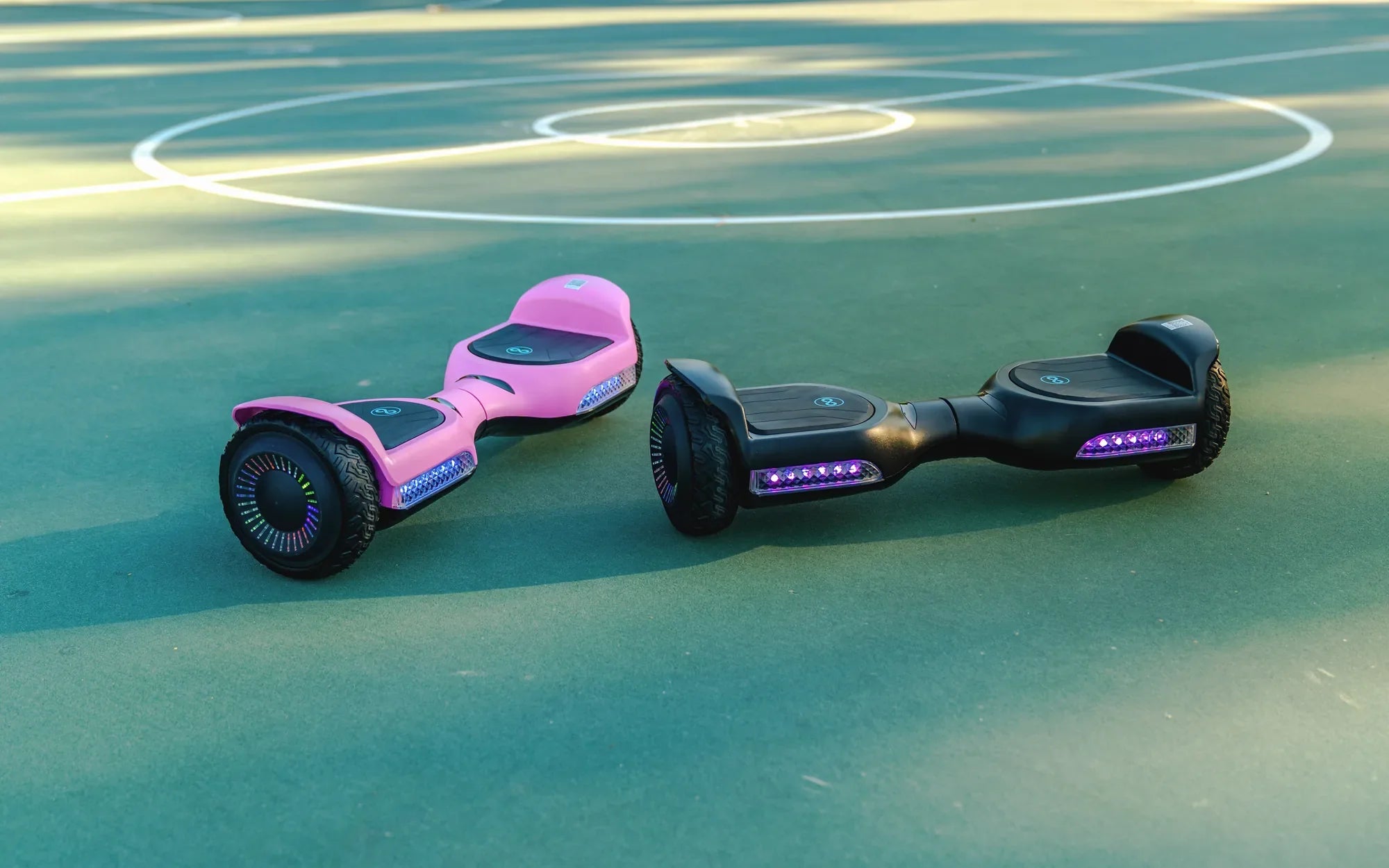
Ready to turn heads while you glide? The blue wheel hoverboard has become a symbol of modern, stylish personal transport, merging eye-catching aesthetics with practical mobility. This guide delivers everything you need to know: from selecting a safe, high-performance model to mastering your first ride and keeping your board in peak condition. You'll learn the key technical specifications that matter, compare hoverboards to other electric vehicles, and discover the maintenance routines that ensure long-term reliability and style.
What is a Blue Wheel Hoverboard?
A blue wheel hoverboard is a self-balancing, two-wheeled electric scooter distinguished by its vibrant blue-rimmed wheels. It operates via gyroscopic sensors and foot pads that detect your body's lean to control speed, direction, and braking. Far more than a simple color variant, the blue wheels have become a signature style statement, often paired with complementary LED lighting for a cohesive, futuristic look.
The core technology remains consistent across quality models: two electric motors (one in each wheel), a microcontroller, and a lithium-ion battery pack. The rider's subtle weight shifts forward, backward, or side-to-side dictate the board's movement. This intuitive control system is what makes mastering a Blue Wheel Hoverboard: The Ultimate Guide to Riding in Style an achievable goal for most people within a short practice session.
This guide focuses on the full experience—selection, operation, and care—with an emphasis on models that prioritize safety and durability alongside their visual appeal. The iconic blue wheels are just the beginning; the real value lies in the engineering and certification behind the deck.
Why Choose a Blue Wheel Hoverboard? Style Meets Substance
The immediate draw is undeniable. The blue wheels provide a bold, custom look that stands out from standard black or gray models. This aesthetic is often enhanced by multicolor LED wheel lights and deck accents that create a stunning light show at night, making every ride an event. It’s personal transport as a fashion accessory.
Beyond looks, a well-made hoverboard offers a uniquely intuitive and fun riding experience. The self-balancing technology provides a smooth, quiet glide that feels almost effortless once mastered. Its compact, wheel-to-wheel design offers exceptional portability for last-mile commuting, campus travel, or leisurely rides in parks and paved pathways.
For brands committed to quality, like Gyroor—a leading electric scooter and e-bike brand trusted by over 100,000 riders—style is never an excuse to compromise on substance. Their approach integrates the popular blue wheel design with foundational engineering priorities: UL-certified batteries for safety, robust motors for performance, and IP-rated construction for durability. This combination ensures the style has lasting substance.
Key Features to Look For in a Quality Model
Not all blue wheel hoverboards are created equal. Distinguishing a high-quality, safe product from a substandard one requires scrutiny of specific features. These specifications are non-negotiable for safety, performance, and longevity.
Motor Power and Performance
Dual motor wattage determines torque, hill-climbing ability, and smooth acceleration. For most riders, a model with dual 350W motors is a solid minimum, capable of handling moderate inclines (up to 15 degrees) and providing a top speed of around 10 mph. More powerful 400W or 500W motors offer better performance for heavier riders or slightly steeper terrain.
Battery Safety and Certification
This is the most critical safety component. Always insist on a UL 2272 certified battery pack. This certification means the battery has passed rigorous electrical, mechanical, and environmental stress tests to mitigate fire risk. Gyroor, for instance, uses UL-certified battery packs tested for 500+ charge cycles, ensuring both safety and long-term capacity retention. Range varies but expect 7-12 miles per charge for standard models.
Build Quality and Water Resistance
A good hoverboard should feel solid, not flimsy. Look for an IP rating, which indicates protection against dust and water. An IPX5 rating, common in quality models, means the unit can withstand low-pressure water jets from any direction. This allows you to confidently ride on damp pavement or through occasional puddles without damaging internal components.
Wheel Size and Terrain
Standard 6.5-inch wheels are ideal for smooth, indoor surfaces. For outdoor use on sidewalks or paved paths, 8.5-inch or 10-inch wheels provide greater stability, better shock absorption, and improved handling of minor cracks and bumps. The blue wheel aesthetic works across all sizes, but larger wheels generally offer a more comfortable ride outdoors.
Mastering the Ride: A Step-by-Step Guide to Hoverboarding
Learning to ride is straightforward with the right approach. Always begin in a flat, open, and obstacle-free area like an empty parking lot or smooth driveway.
Mounting and Finding Your Balance
First, place the board on level ground and power it on. Stand directly behind it. Place one foot (usually your dominant foot) firmly on its corresponding footpad, keeping your weight centered over that foot. Use a wall, fence, or friend for support as you quickly but smoothly step your other foot onto its pad. Stand upright with knees slightly bent, looking forward—not down at your feet.
Basic Movement: Forward, Backward, and Stopping
To move forward, gently lean your weight onto your toes. To reverse, lean slightly onto your heels. The key is subtlety; dramatic leans cause jerky movements. To stop, return to a perfectly level, upright stance. The gyroscopes will halt the board. Practice moving forward and stopping repeatedly until it feels natural before attempting to reverse.
Steering and Turning
Hoverboards turn by differential wheel speed. To turn right, gently push your left foot forward (or apply more pressure with your right toes). To turn left, push your right foot forward. Start with wide, gradual turns. For a tight spin (in place), push one foot forward and the other backward simultaneously.
Dismounting Safely
Come to a complete stop. Shift your weight to your dominant foot, then step backward off the board with your other foot, following through with your dominant foot. Always step off backwards or to the side; stepping off forward over the front of the board is a common cause of falls.
Blue Wheel Hoverboards vs. Other Personal Transport
Choosing the right electric personal transporter depends on your primary use case, commute, and desired experience. Here’s how the blue wheel hoverboard stacks up against popular alternatives.
| Feature | Blue Wheel Hoverboard | Electric Kick Scooter | Electric Bike (E-Bike) | Electric Skateboard |
|---|---|---|---|---|
| Learning Curve | Moderate (30-60 mins practice) | Very Easy (near-instant) | Easy (like a bike) | Steep (requires board skills) |
| Portability | Excellent (compact, carryable) | Good (often foldable) | Poor (bulky, heavy) | Good (carry under arm) |
| Typical Range | 7-12 miles | 15-25 miles | 20-50+ miles | 10-20 miles |
| Max Speed | 10-12 mph | 15-20 mph | 20-28 mph (assisted) | 20-30+ mph |
| Terrain Handling | Paved paths, smooth surfaces | Paved paths, some cracks | Roads, trails, hills | Very smooth pavement |
| Ideal Use Case | Stylish short trips, campus, parks | Practical urban commuting | Longer commutes, errands, exercise | High-speed, skilled recreational riding |
The Blue Wheel Hoverboard: The Ultimate Guide to Riding in Style highlights its niche: unmatched style and fun in a compact package for short-distance travel. For longer, faster, or more utilitarian commutes, a Gyroor electric scooter or e-bike might be a more suitable choice from the same trusted brand.
Safety First: Essential Gear and Riding Etiquette
Safety is paramount and non-negotiable. A stylish ride should never come at the expense of personal protection.
Mandatory Protective Gear
Always wear a properly fitted bicycle or multi-impact helmet. Wrist guards are highly recommended, as falls often involve instinctive hand placement. Knee and elbow pads provide crucial joint protection, especially for beginners. This gear is essential regardless of your skill level.
Riding Etiquette and Rules
Hoverboards are typically classified for sidewalk and bike path use, not public roads. Always yield to pedestrians and give an audible signal (a polite "passing on your left") when approaching. Avoid crowded sidewalks. Be aware of local regulations, as laws regarding electric personal transporters vary by city and state.
Hazard Awareness
Constantly scan the path ahead for cracks, potholes, gravel, sand, and wet surfaces. These are the most common causes of falls. Never ride in the rain or on soaked surfaces, even with a water-resistant rating. Avoid steep inclines beyond your board's specified grade limit. Never leave a charging board unattended.
Maintenance 101: Keeping Your Blue Wheels Rolling Smoothly
Proper care extends your hoverboard's life and maintains its performance and stunning look.
Battery Best Practices
Use only the manufacturer-provided charger. Avoid draining the battery to 0%; recharge when it drops to 20-30%. For long-term storage (over a month), charge the battery to about 50-60% and store in a cool, dry place. Re-check the charge every few months. Following these steps preserves the health of UL-certified cells.
Tire and Wheel Care
Regularly inspect tires for wear, cuts, or embedded debris. For air-filled tires (on some all-terrain models), maintain the recommended PSI. Keep the distinctive blue wheel rims clean by wiping them with a damp cloth to remove dust and brake dust. Check for and tighten any loose axle nuts.
General Cleaning and Storage
Power off and disconnect the charger before cleaning. Wipe the deck, footpads, and wheels with a slightly damp cloth. Do not use a hose or high-pressure spray. Store the board in a dry, temperature-stable environment away from direct sunlight, which can fade the blue wheels and stress the battery.
Frequently Asked Questions (FAQ)
Are blue wheel hoverboards safe for kids?
Safety depends on the specific model's build quality and the rider's maturity. Many quality models are rated for riders ages 8+ or with a minimum weight (often 44 lbs). Absolute prerequisites are a UL 2272 certified battery, full protective gear, and adult supervision during learning and riding. Always check the manufacturer's age and weight recommendations.
What is the typical range and speed?
For most standard models with dual 350W motors, expect a range of 7-12 miles on a full charge and a top speed of 9-10 mph. Larger models with 400W+ motors may achieve 12-15 miles and speeds up to 12 mph. Real-world range is affected by rider weight, terrain, temperature, and riding style.
Can they be used on grass or slight inclines?
Standard 6.5" or 8.5" wheel hoverboards struggle on grass and rough terrain. For grass, dirt paths, or gravel, you need a specifically designed "all-terrain" model with larger, knobby tires (often 10") and more powerful motors (500W+). Most boards can handle slight inclines (up to 15 degrees), but performance varies by motor power and rider weight.
How do I know if the battery is UL-certified?
The product description or specifications list from a reputable brand will explicitly state "UL 2272 Certified" for the battery or overall system. You can also look for the UL mark on the battery pack itself or in the user manual. Reputable brands like Gyroor prominently feature this certification as a core safety selling point.
What does the IPX5 water resistance rating mean for riding?
An IPX5 rating means the hoverboard is protected against water jets from a nozzle (6.3mm) from any direction. In practical terms, this allows you to ride on wet pavement, through shallow puddles, or in light drizzle without immediate damage. It is not waterproof. Do not submerge it, ride in heavy rain, or through deep standing water.
Rolling into the Future with Confidence
The journey with a blue wheel hoverboard is one defined by style, innovation, and smart mobility. By choosing a model built on a foundation of certified safety features like UL-approved batteries and robust construction, you invest in peace of mind alongside performance. Mastering the intuitive riding technique opens up a new way to navigate your world, while diligent maintenance ensures your stylish companion remains reliable for years. This guide empowers you to make informed decisions, ride safely, and fully enjoy the unique blend of fashion and function that defines the modern hoverboard experience. Embrace the future of personal transport—do it with style, and do it with confidence.
Ready to find your perfect ride? Explore a range of reliable, stylish electric mobility solutions, from hoverboards to high-performance scooters and e-bikes. Browse the full Gyroor collection at gyroorboard.com.
Two Wheel Hoverboard Market: Trends, Growth, and Future Outlook
Self Balancing Electric Scooter for Girls: The Ultimate Guide to Fun and Safe Riding