



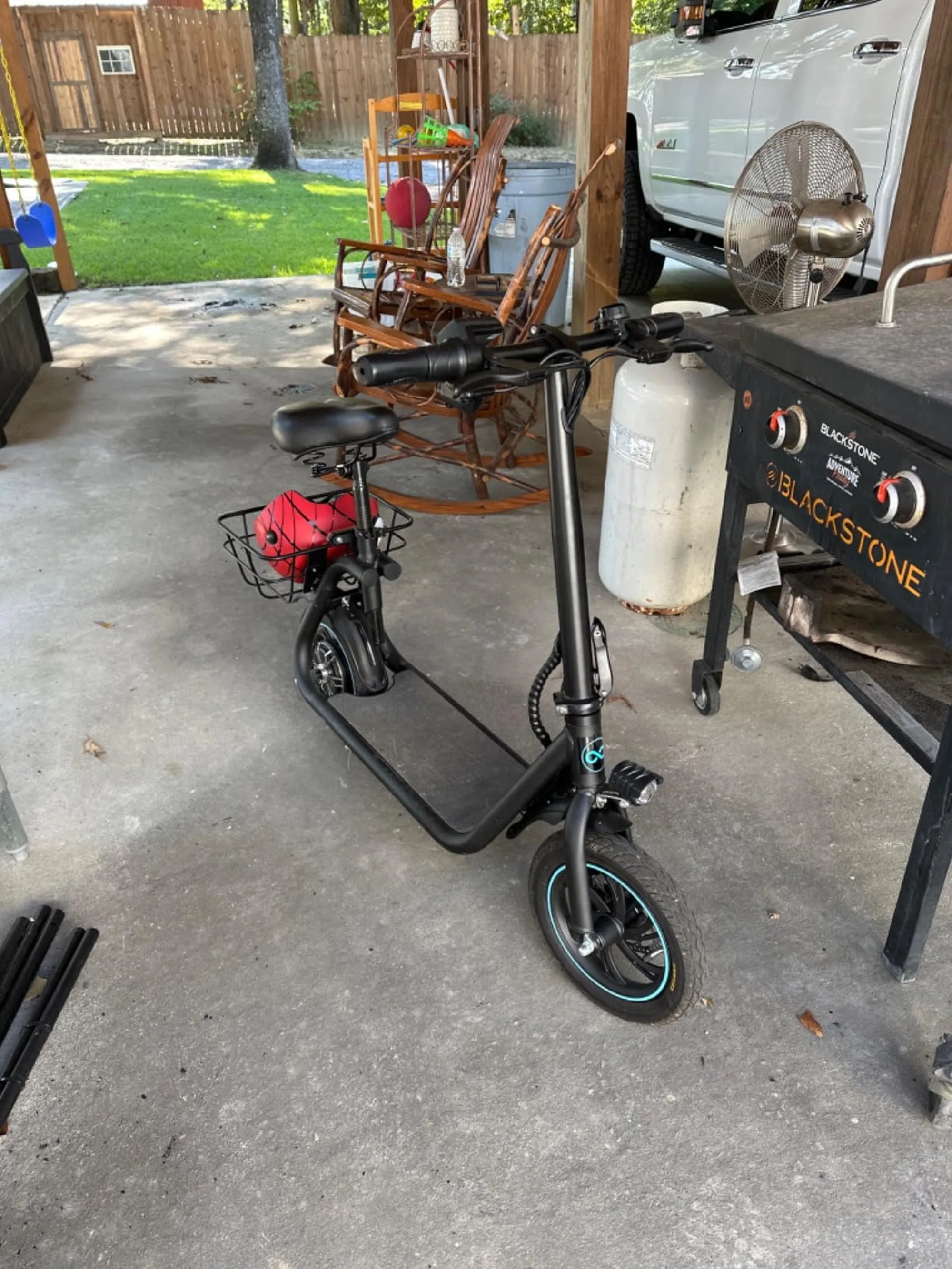
Riding an electric scooter in the rain is a common concern for daily commuters and recreational riders alike. The short answer is: it depends on your scooter's build and the conditions, but caution is always required. This definitive guide will answer the core question, Can You Use Electric Scooters in the Rain? Safety Tips and Considerations, with factual data and actionable advice. You will learn how to interpret water resistance ratings, understand the real risks to electrical systems, master safe wet-weather riding techniques, and implement crucial post-ride maintenance to extend your scooter's lifespan. We'll reference engineering standards and specific brand features from Gyroor, a leader in the North American and European markets, to provide clear, practical guidance.
Understanding Water Resistance Ratings: IPX Explained
To assess if you can ride in the rain, you must first understand the Ingress Protection (IP) rating system. This international standard classifies the degree of protection provided against solids and liquids. For electric scooters, the 'X' often replaces the first digit (solid particle protection), focusing on the liquid resistance indicated by the second digit.
The IPX scale for water is crucial. Ratings like IPX4 indicate protection against water splashes from any direction, suitable for light drizzle. IPX5, a common standard for many commuter-focused scooters, means the unit can withstand water jets (6.3mm nozzle) from any direction. It is designed for rain and riding through wet streets, but not submersion.
It's vital to distinguish between water-resistant and waterproof. No consumer electric scooter is truly 'waterproof' (which would imply submersibility, akin to IPX7 or IPX8). Manufacturers like Gyroor design for real-world 'water resistance,' with models typically rated IPX5. This rating means the scooter is built to handle typical wet-weather commuting scenarios, not flooding or pressurized washing.
Always check your scooter's manual for its specific IP rating. Assuming a higher rating than stated is a primary cause of water damage. An IPX5 rating is a reliable indicator that the scooter has sealed compartments and protected connectors, offering a practical level of safety for riding in the rain when combined with rider caution.
The Real Risks: What Happens to E-Scooters in the Rain?
Water is the enemy of electronics and precision mechanics. Understanding the specific components at risk helps appreciate why caution is non-negotiable. The core electrical trio—battery, motor, and controller—are highly susceptible to moisture.
The battery compartment, even if sealed, can be compromised if submerged or subjected to prolonged heavy spray. Water ingress can lead to corrosion on terminals, cell damage, and in worst-case scenarios, short circuits that pose a fire risk. This is why Gyroor uses UL-certified battery packs housed in reinforced enclosures, adding a critical layer of safety testing to the physical IP rating.
The electronic speed controller (ESC) is the scooter's brain. Located under the deck, it's vulnerable to water splashing up from the front wheel. Corrosion or a short here can cause erratic behavior, sudden acceleration or braking failure, and permanent damage. The motor, often hub-mounted in the wheel, can suffer from bearing corrosion and winding damage if water penetrates its seals.
Beyond electronics, mechanical systems are compromised. Disc or drum brakes can lose significant stopping power when wet. Tire traction on wet pavement, especially with small, solid tires, is drastically reduced, increasing skid risk. Water can also seep into the deck, damaging internal wiring and creating a slippery standing surface. The cumulative effect is reduced safety, performance, and scooter longevity.
Gyroor's Engineering for Wet Weather: Built for Real-World Use
Recognizing that riders face unpredictable weather, responsible brands engineer solutions. Gyroor designs its electric scooters with specific features to mitigate wet-weather risks, providing a more resilient platform for commuters.
The foundation is the IPX5-rated construction. This isn't just a claim; it involves sealed cable entries, protected throttle and display units, and gasketed deck lids. This systemic sealing aims to prevent water jets from penetrating critical areas during typical wet-street riding.
Battery safety is paramount. Gyroor's use of UL 2271 certified battery packs is a key differentiator. This certification involves rigorous testing for electrical, mechanical, and environmental safety, including exposure to water. The battery housing is an additional layer of defense, designed to be one of the most sealed components on the scooter.
Further design considerations include enhanced brake systems. Many models feature combined braking systems or anti-lock braking principles to improve control on slippery surfaces. The deck texture is also designed for better grip when wet. These features collectively mean that while no scooter is invincible, a Gyroor scooter is built to a standard that anticipates and manages the challenges of damp conditions more effectively.
Essential Safety Tips for Riding an Electric Scooter in the Rain
Your behavior is as important as your scooter's IP rating. Adopting a cautious, prepared approach is the single biggest factor in safe wet-weather riding. This checklist covers the full journey from preparation to post-ride care.
Pre-Ride Preparation is Key
Never start a wet ride unprepared. First, check the weather radar. Is it a passing drizzle or a steady downpour? If heavy rain is imminent, consider delaying your trip. Visually inspect your scooter: ensure tire tread is adequate (for pneumatic tires) and check that brake pads have sufficient material and cables are taut.
Gear up appropriately. Wear a waterproof or water-resistant jacket and pants. High-visibility colors are crucial as rain reduces driver visibility. Use a full-face helmet or wear goggles to maintain clear vision. Assume that every surface is more slippery, including your footing when mounting and dismounting.
Riding Techniques for Slippery Surfaces
Radically adjust your riding style. Reduce your speed by at least 30-50% compared to dry conditions. This increases reaction time and reduces the force of impacts. Accelerate and decelerate smoothly and gradually to prevent wheel spin or skidding.
Use both brakes gently and apply them earlier than usual. Avoid sudden, hard braking. Be exceptionally cautious on road markings, metal covers, manhole lids, and painted surfaces, as these become extremely slick. Avoid leaning into turns; instead, slow down before the turn and steer through it while keeping the scooter as upright as possible. Never ride through puddles of unknown depth.
Post-Ride Care to Ensure Longevity
This step is non-negotiable. Once indoors, immediately dry the entire scooter with a soft, absorbent towel. Pay special attention to the brake discs/calipers, wheel hubs, the deck seam, the stem folding mechanism, and any exposed connectors.
Never use a pressure washer or hose to clean your scooter, as this can force water past seals. Wipe down with a damp cloth if needed. Let the scooter air dry in a well-ventilated area for several hours before attempting to charge it. Check for any unusual sounds or performance issues on your next ride, which could indicate water ingress.
Comparing Conditions: Drizzle vs. Downpour vs. Flood
Not all wet conditions are equal. Use this practical guide to assess risk levels and make informed go/no-go decisions based on observable conditions and your scooter's capabilities (assuming an IPX5 rating).
| Condition | Description & Risk Level | Recommended Action for IPX5 Scooters |
|---|---|---|
| Light Drizzle / Damp Streets | Fine mist, no standing water. Roads are wet but not flooded. Low to Moderate Risk. | Riding is generally acceptable with heightened caution. Adhere strictly to all safety tips. Ideal conditions for testing your scooter's wet-weather handling cautiously. |
| Steady Rain / Downpour | Heavy, continuous rain creating puddles and substantial spray. High Risk. | Not recommended. Water volume and pressure can exceed IPX5 design limits. Visibility and traction are severely compromised. Postpone travel if possible. |
| Standing Water / Flooding | Puddles deeper than the bottom of the deck (often >2 inches). Extreme Risk. | Avoid absolutely. Submersion can immediately damage the motor, controller, and battery. It poses a direct electrical hazard to the rider and will likely cause catastrophic failure. |
| Post-Storm Wet Roads | Rain has stopped, but roads are wet with debris (leaves, gravel). Moderate Risk. | Can be ridden with extreme caution. Primary risks are traction loss on hidden debris and residual water in mechanics. Dry your scooter thoroughly after the ride. |
Long-Term Maintenance and Water Exposure
Even with careful riding, repeated exposure to moisture has cumulative effects. A proactive maintenance regimen is essential to combat corrosion and seal degradation over time, preserving both safety and value.
Schedule regular inspections of all critical seals, especially around the deck lid, stem collar, and cable entry points. Look for cracks, brittleness, or deformation. Applying a silicone-based protectant to rubber seals (avoiding electronics) can help maintain their flexibility and water-repelling properties.
Every few months, or after a period of frequent wet riding, conduct a more detailed check. Inspect brake components for rust, ensure wheel bearings spin smoothly without grumbling (a sign of water contamination), and look for any white or green corrosion on battery terminals or electrical connectors within accessible compartments.
Be mindful of storage. Never store a damp scooter in a sealed bag or airtight space, as this promotes condensation and mold. Always allow for complete air drying. Following these practices helps ensure that the designed IP rating remains effective throughout the scooter's life, supporting the reliable performance trusted by over 100,000 Gyroor riders.
Frequently Asked Questions (FAQ)
Q: Is my Gyroor scooter waterproof?
A: No consumer electric scooter is waterproof. Gyroor models are built to a water-resistant standard, typically IPX5. This means they are engineered to protect against water jets from any direction, making them suitable for riding in rain and on wet roads, but they cannot be submerged or subjected to high-pressure washing.
Q: Can I ride my scooter through puddles?
A: It is strongly discouraged. Puddles are often deeper than they appear and can submerge the lower motor hub or force water into the deck. The sudden splash can also bypass seals. Always go around puddles or, if unavoidable, proceed at walking speed while avoiding the deepest part.
Q: What should I do if my scooter gets partially submerged?
A> 1. Do NOT turn it on or attempt to charge it. 2. Immediately power it off if it's on. 3. Dry it thoroughly with towels as described in the post-ride care section. 4. Place it in a dry, warm area to air dry for at least 24-48 hours. 5. Before using it again, inspect carefully. If you notice any electrical issues, strange sounds, or error codes, contact customer support. The warranty does not cover water damage from submersion.
Q: How does rain affect battery range and performance?
A> You will experience reduced range. Cold, wet conditions increase rolling resistance and can decrease battery efficiency. Additionally, using lights for visibility and the added strain on the motor from wet surfaces will consume more power. Expect a 10-20% reduction in typical range.
Q: Does riding in the rain void the warranty?
A> Riding in conditions that match or are less severe than the scooter's stated IP rating (e.g., rain on an IPX5 model) does not void the Gyroor warranty. However, damage resulting from negligence, such as submersion, pressure washing, or riding in torrential downpours that exceed the design specification, is not covered. Always refer to the official warranty terms for your specific model.
Conclusion: Smart Riding in All Conditions
The ability to use an electric scooter in the rain hinges on a combination of robust engineering and informed rider responsibility. Brands like Gyroor deliver the former through IPX5 water resistance, UL-certified battery safety, and sealed designs built for real-world commuting. The latter is up to you: respecting condition limits, mastering wet-weather techniques, and committing to diligent post-ride maintenance. By understanding the risks and protocols outlined here, you can make confident decisions, extend the life of your investment, and ride safely when the skies turn gray. For scooters engineered with these real-world challenges in mind, browse the full Gyroor collection at gyroorboard.com.
Electric Scooters Allowed on Sidewalks: What You Need to Know
Electric Scooters in Vegas: The Ultimate Guide to Riding in Sin City