



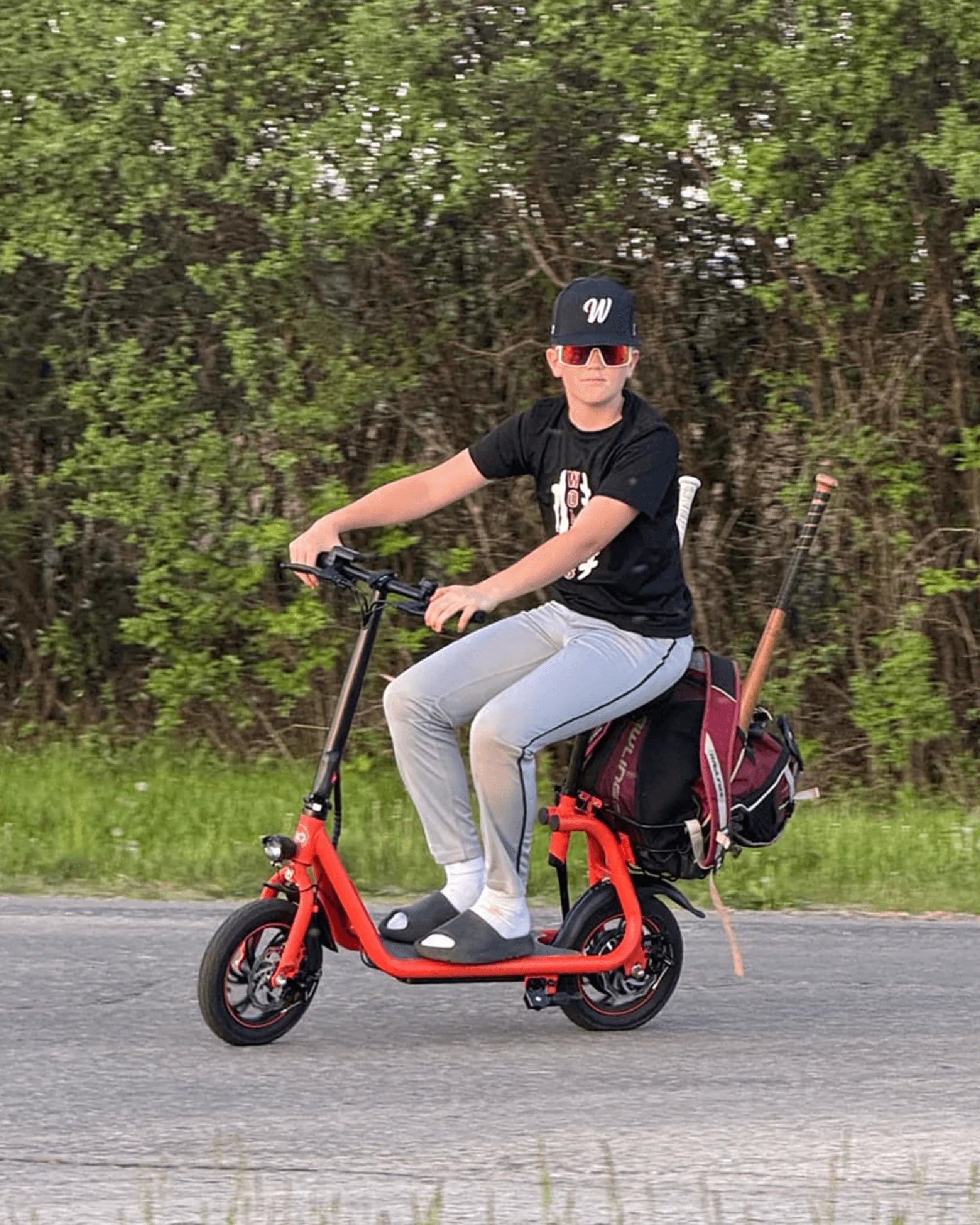
Electric scooters have taken urban transportation by storm, offering a convenient and eco-friendly way to navigate crowded cities. But one question remains hotly debated: should electric scooters be allowed on sidewalks? As cities grapple with this issue, riders and pedestrians alike are left wondering where these zippy vehicles truly belong. Let’s dive into the complexities of this topic and uncover what it means for the future of urban mobility.
The Rise of Electric Scooters in Urban Areas
Electric scooters have become a staple in many cities, providing a quick and affordable alternative to cars and public transit. Their compact size and ease of use make them ideal for short trips, but their presence on sidewalks has sparked controversy. While some cities embrace them as part of the transportation ecosystem, others have imposed strict regulations to keep them off pedestrian pathways.
Current Regulations on Electric Scooters and Sidewalks
Rules regarding electric scooters on sidewalks vary widely by location. Some cities explicitly prohibit sidewalk riding, while others allow it under certain conditions. For example:
- No Sidewalk Riding: Many urban areas ban electric scooters from sidewalks entirely, citing safety concerns for pedestrians.
- Limited Access: Some jurisdictions permit scooters on sidewalks but restrict their speed or require riders to yield to pedestrians.
- No Clear Rules: In other places, regulations are vague or nonexistent, leaving riders unsure of where they can legally operate.
Understanding local laws is crucial for riders to avoid fines and ensure safe coexistence with pedestrians.
Safety Concerns: Pedestrians vs. Scooter Riders
The debate over electric scooters on sidewalks often centers on safety. Pedestrians argue that scooters weaving through foot traffic create hazards, especially for children, the elderly, and people with disabilities. On the other hand, scooter riders may feel unsafe sharing roads with cars and buses. Key safety issues include:
- Collision Risks: High-speed scooters can collide with pedestrians, leading to injuries.
- Cluttered Sidewalks: Parked scooters can obstruct pathways, creating obstacles for pedestrians.
- Visibility Challenges: Scooters are quiet and can startle pedestrians if not ridden cautiously.
Balancing these concerns requires thoughtful urban planning and clear guidelines.
The Case for Allowing Electric Scooters on Sidewalks
Proponents of sidewalk riding argue that electric scooters fill a critical gap in urban transportation. Here’s why some believe they belong on sidewalks:
- Reduced Road Congestion: Scooters take up less space than cars, easing traffic in crowded cities.
- Accessibility: For those uncomfortable riding in bike lanes or streets, sidewalks offer a safer option.
- Last-Mile Solution: Scooters bridge the gap between public transit and final destinations, reducing reliance on cars.
With proper etiquette and speed limits, scooters could coexist peacefully with pedestrians.
The Case Against Electric Scooters on Sidewalks
Opponents highlight the dangers and inconveniences of mixing scooters with foot traffic. Their arguments include:
- Pedestrian Safety: Sidewalks are designed for walking, not high-speed vehicles.
- Uneven Surfaces: Sidewalks often have cracks, curbs, and obstacles that make scooter riding hazardous.
- Conflict Zones: Busy sidewalks become chaotic when shared with scooters, leading to accidents.
Many advocate for dedicated scooter lanes or stricter enforcement of existing bans.
Future Solutions: Finding a Middle Ground
As cities evolve, so too must their approach to electric scooters. Potential solutions include:
- Dedicated Scooter Lanes: Creating separate pathways for scooters could reduce conflicts with pedestrians and cars.
- Speed Limits: Enforcing lower speeds on sidewalks could make scooter riding safer for everyone.
- Education Campaigns: Teaching riders and pedestrians about shared space etiquette can foster harmony.
The goal is to integrate scooters into urban landscapes without compromising safety or convenience.
Electric scooters are here to stay, but their place on sidewalks remains uncertain. Whether you’re a rider or a pedestrian, staying informed and advocating for smart policies can help shape the future of urban mobility. The next time you see an electric scooter gliding by, ask yourself: where should it really be?
Advantages of Electric Scooters: Redefining Urban Mobility
Can You Use Electric Scooters in the Rain? Safety Tips and Considerations