

Introduction to Scooter Licensing and the 150cc Category
Do you have to have a license for a 150cc scooter? This is a critical question for anyone considering a powerful, fuel-efficient scooter for commuting or recreation. The short answer is a definitive yes in nearly all jurisdictions. A 150cc scooter is a substantial machine, offering speeds and performance that place it firmly outside the legal category of a moped or motorized bicycle in the eyes of the law.
This guide will provide a comprehensive, data-driven breakdown of the licensing requirements across the United States, Canada, and the United Kingdom. We will clarify how vehicles are classified, detail the specific license you need, and outline the associated legal steps like registration and insurance. Furthermore, we will explore high-performance electric alternatives that offer similar utility with different, often less restrictive, regulatory frameworks.
Understanding How Scooters are Classified: It's About More Than CCs
Engine displacement, measured in cubic centimeters (cc), is a primary metric, but legal classification hinges on a combination of factors. Authorities use top speed, power output (in horsepower or kilowatts), and sometimes vehicle weight or transmission type to determine if a vehicle is a moped, motorcycle, or something else. This classification directly dictates licensing, registration, and insurance mandates.
For example, a vehicle with an automatic transmission and a step-through frame might look like a scooter, but its engine size and speed capability determine its legal standing. A 50cc scooter typically has a governed top speed of 30-40 mph, which often allows it to be registered as a moped. A 150cc scooter, however, can easily reach 55-70 mph, placing it in an entirely different category.
The 150cc Benchmark: Moped vs. Motorcycle
In the vast majority of U.S. states, the definition of a moped is strict. Common limits include an engine size of 50cc or less, a maximum speed of 30 mph, and sometimes a power output under 2 brake horsepower. A 150cc scooter exceeds all these thresholds. Therefore, it is classified as a motorcycle, motor-driven cycle, or motor scooter, requiring a full motorcycle license or endorsement.
This distinction is crucial. Operating a vehicle classified as a motorcycle with only a standard car license is illegal and can result in severe penalties. The 150cc engine size is a clear bright line that almost universally moves the vehicle into the motorcycle realm for licensing purposes.
Licensing Requirements Across Key Regions
Licensing authority is decentralized. In the U.S., states set the rules. In Canada, provinces are in charge. In the UK, national law applies but with specific graduated tiers. The common thread for a 150cc gas scooter is the requirement for a motorcycle-specific credential.
United States: A State-by-State Reality
You must check your specific state's Department of Motor Vehicles (DMV) regulations. The general rule is unwavering: a standard Class C driver's license is insufficient. You will need to add a motorcycle endorsement to your existing license or obtain a separate Class M motorcycle license.
The process typically involves several steps. First, you must pass a written knowledge test specific to motorcycle operation. Then, you obtain a learner's permit, which may have restrictions like no passengers or no nighttime riding. Finally, you must pass a practical on-road skills test, often conducted on your own scooter, to demonstrate competency in handling, braking, and maneuvering.
Some states may have simplified procedures for lower-powered motorcycles, but the 150cc threshold almost always triggers the full endorsement process. There is no state where a 150cc scooter can be legally operated with a car license alone.
Canada: Provincial Jurisdiction
Canadian provinces follow a similar model. Operating a 150cc scooter requires a motorcycle license, such as a Class 6 license in provinces like British Columbia, Alberta, and Ontario. Canada widely employs a graduated licensing system for motorcycles to ensure rider safety.
This system usually starts with a knowledge test to receive a learner's permit (e.g., Class 6L). After a mandatory holding period and often a mandatory training course, the rider can take a road test to obtain a full, unrestricted motorcycle license. Insurance from a provider like ICBC (in BC) or a private insurer is also legally mandatory before riding on public roads.
United Kingdom and Europe
In the UK, the licensing system is tiered based on age and vehicle power. A 150cc scooter, with a power output typically between 11 kW and 35 kW, falls under the A2 motorcycle license category for riders aged 19 and over. For riders aged 17-18, an A1 license (for vehicles up to 11 kW) may cover some lower-power 150cc models, but most will require A2.
A standard Category B car license does not permit you to ride a 150cc scooter. The process requires Compulsory Basic Training (CBT), a theory test, and a two-part practical test (off-road maneuvers and on-road riding). Upon passing, you receive your motorcycle license for the relevant category. This structured approach emphasizes demonstrated skill and safety knowledge.
Beyond the License: Registration, Insurance, and Safety Gear
Securing the correct license is only the first legal hurdle. A 150cc scooter must be properly titled and registered with your state or provincial transportation authority. This process involves paying registration fees and receiving a license plate that must be displayed on the vehicle. An annual renewal is typically required.
Insurance is non-negotiable. At a minimum, you must carry liability insurance to cover damages or injuries you may cause to others. Comprehensive and collision coverage are highly recommended to protect your investment. Riding without insurance can lead to fines, license suspension, and financial ruin in the event of an accident.
Safety gear, while sometimes mandated by law, is critical personal protection. A Department of Transportation (DOT) or Economic Commission for Europe (ECE)-approved full-face or modular helmet is essential. Riders should also invest in armored jackets, gloves, durable pants, and over-ankle boots to mitigate injury risk. Safety is paramount when operating a vehicle capable of highway speeds.
The Electric Alternative: Navigating Power with Different Rules
The licensing landscape for 150cc gas scooters is clear and restrictive. However, modern electric mobility offers powerful alternatives with distinct regulatory frameworks. High-performance electric scooters and e-bikes can deliver comparable commuting utility and speed, often without requiring a motorcycle license.
Brands like Gyroor specialize in this electric space, offering UL-certified, reliable vehicles trusted by over 100,000 riders. Understanding these alternatives can provide a path to convenient, eco-friendly transportation without the complex licensing process of a gas-powered motorcycle.
High-Speed Electric Scooters: A Distinct Category
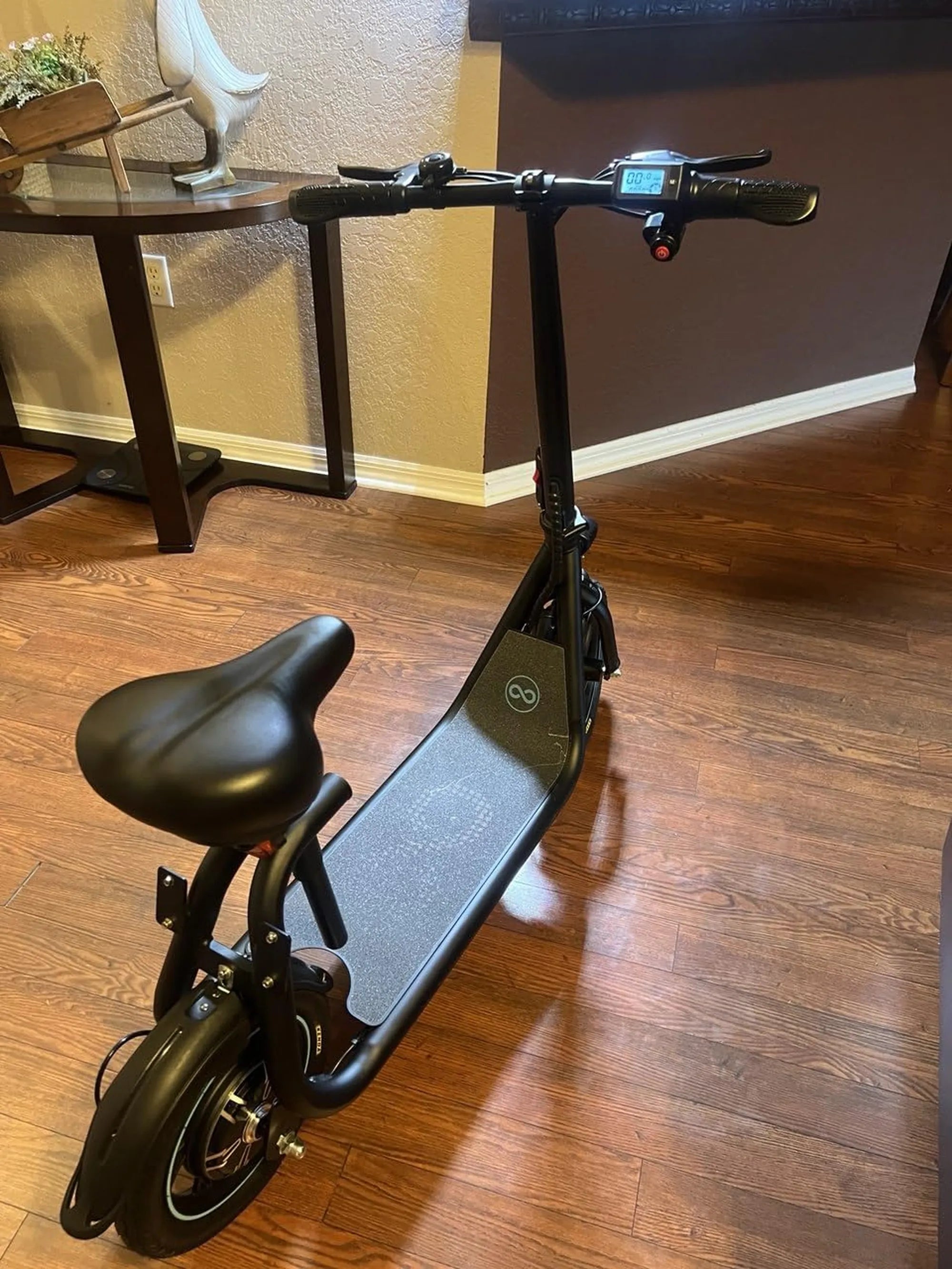
Top-tier electric scooters, such as the Gyroor S8 or similar performance models, can reach speeds of 30-40 mph, rivaling 50cc and some 150cc gas scooters in urban settings. Legally, they are often classified as "electric personal assistive mobility devices" or under local micro-mobility ordinances, not as motor vehicles.
This classification frequently means no motorcycle license, registration, or insurance is required. However, key restrictions apply: riders must be of a minimum age (often 16+), sidewalk riding is usually prohibited, and use may be limited to bike lanes or roads with speed limits under a certain threshold. Always check your city and state's specific e-scooter laws.
Commuting Freedom with E-Bikes
For the most license-free freedom, a Gyroor electric bike is an excellent choice. In most U.S. states and Canadian provinces, e-bikes that have functional pedals, a motor under 750W (1 horsepower), and a maximum assisted speed of 20 mph (Class 1 and 2) or 28 mph (Class 3) are legally classified as bicycles.
This means you can ride them with no license, no registration, and no insurance required—just follow standard bicycle rules. They offer robust power for hills and long commutes, integrated lighting for safety, and the peace of mind that comes with Gyroor's reliable 1-year warranty and IPX5 water-resistant design. It's a powerful, practical solution that bypasses the 150cc licensing question entirely.
Comparison Table: 150cc Gas Scooter vs. Electric Alternatives
| Feature | 150cc Gas Scooter | High-Speed E-Scooter (e.g., Gyroor) | E-Bike (e.g., Gyroor) |
|---|---|---|---|
| Typical Top Speed | 55-70 mph | 30-40 mph | 20-28 mph (assisted) |
| License Required | Motorcycle License/Endorsement | Usually None (Age Restriction) | None (Classified as Bicycle) |
| Registration & Plate | Yes | No | No |
| Insurance Required | Yes (Liability Minimum) | No | No (Optional Recommended) |
| Operating Cost (Fuel/Charge) | $$ (Gasoline) | $ (Electricity) | $ (Electricity) |
| Maintenance | Engine Oil, Belts, Spark Plugs | Brake Pads, Tire Air, Battery Care | Brake Pads, Tire Air, Battery Care |
| Best For | Highway Commutes, Long Distances | Urban/Suburban Last-Mile Trips | Versatile Commuting, Exercise, Errands |
Frequently Asked Questions (FAQ)
Q: Can I drive a 150cc scooter with a regular car license?
A: No. In the United States, Canada, and the United Kingdom, a 150cc scooter is classified as a motorcycle. A standard car license (Class C, Category B) is insufficient. You must obtain a motorcycle endorsement or a separate motorcycle license.
Q: What are the penalties for riding a 150cc scooter without a motorcycle license?
A> Penalties vary by jurisdiction but are severe. They can include substantial fines, points on your driving record, impoundment of the scooter, and even misdemeanor charges. Your car insurance rates may also increase dramatically.
Q: If I get a motorcycle license for a 150cc scooter, can I ride larger motorcycles?
A: In most cases, yes. A standard motorcycle license or endorsement in the U.S. and Canada typically permits you to operate any two- or three-wheeled motorcycle, regardless of engine size. In the UK's graduated system, an A2 license restricts you to medium-power bikes until you upgrade.
Q: Do electric scooters that go 30+ mph require a license?
A> It depends entirely on local law. Most cities and states currently regulate these as consumer electronic devices, not motor vehicles, so no license is required. However, laws are evolving rapidly. Always check your specific local ordinances before riding.
Q: Does the Gyroor 1-year warranty cover wear and tear or accidents?
A: No. The Gyroor warranty covers defects in materials and workmanship under normal use. It does not cover consumable parts (like tires or brake pads), damage from accidents, misuse, neglect, or unauthorized modifications that void safety certifications.
Conclusion: Know the Rules, Choose Your Ride
The requirement for a license for a 150cc scooter is unambiguous. It is a motorcycle in the eyes of the law, demanding a motorcycle license, registration, insurance, and proper safety gear. Before purchasing one, verify the exact process with your local DMV or licensing agency and budget for the associated costs and training time.
For many seeking efficient urban mobility, powerful electric alternatives present a compelling path. A high-performance Gyroor e-scooter or e-bike can deliver the speed and range you need for daily commutes, often without the licensing hurdles. They offer a lower-cost, eco-friendly, and convenient way to navigate your city. Explore the full range of UL-certified, reliable options designed for real-world riding.
Ready for a powerful, practical ride without the complex licensing? Browse the full Gyroor collection of electric scooters and e-bikes at gyroorboard.com to find your perfect commute solution.
Best Toddler Scooter Helmet: The Ultimate Safety & Fit Guide for Parents
e bike controller 48v 500w: The Complete Guide to Your E-Bike's Brain