



Introduction: Budapest's Evolving Urban Landscape
Budapest, a city famed for its thermal baths and historic architecture, is rapidly transforming its urban mobility. The Danube River divides the hilly Buda from the flat Pest, creating a unique transport landscape. Visitors and residents alike now navigate a modern mix of trams, metros, bikes, and a very visible new contender.
This article directly answers the core question: Does Budapest have electric scooters? The answer is a definitive yes. Electric scooters have become a staple of the city's streetscape since their introduction around 2018. They represent a key component of a broader push towards sustainable, flexible urban transport.
We will explore not just the presence of e-scooters, but their integration into Budapest's existing eco-friendly mobility ecosystem. From rental fleets zipping along the Danube embankment to private scooters used by daily commuters, this guide provides the data and local knowledge you need.
Understanding this landscape is crucial for anyone looking to explore Budapest efficiently, reduce their carbon footprint, or simply enjoy the freedom of zipping across the Chain Bridge with the wind in their hair.
The State of Electric Scooters in Budapest: A Clear Answer
Budapest is a fully-fledged electric scooter city. The presence of shared e-scooter fleets is immediately apparent in central districts like District V (Belváros-Lipótváros), along the Danube Promenade, and around major hubs like Deák Ferenc tér. The market is served by major international operators like Lime, Bird, and Tier, as well as local providers.
These rental scooters are unlocked via smartphone apps, charged per minute, and are designed for short, point-to-point trips. They are particularly concentrated on the Pest side, where the terrain is predominantly flat, making for ideal scooting conditions. The average cost ranges from 100-150 HUF per minute to unlock, plus a per-minute fee.
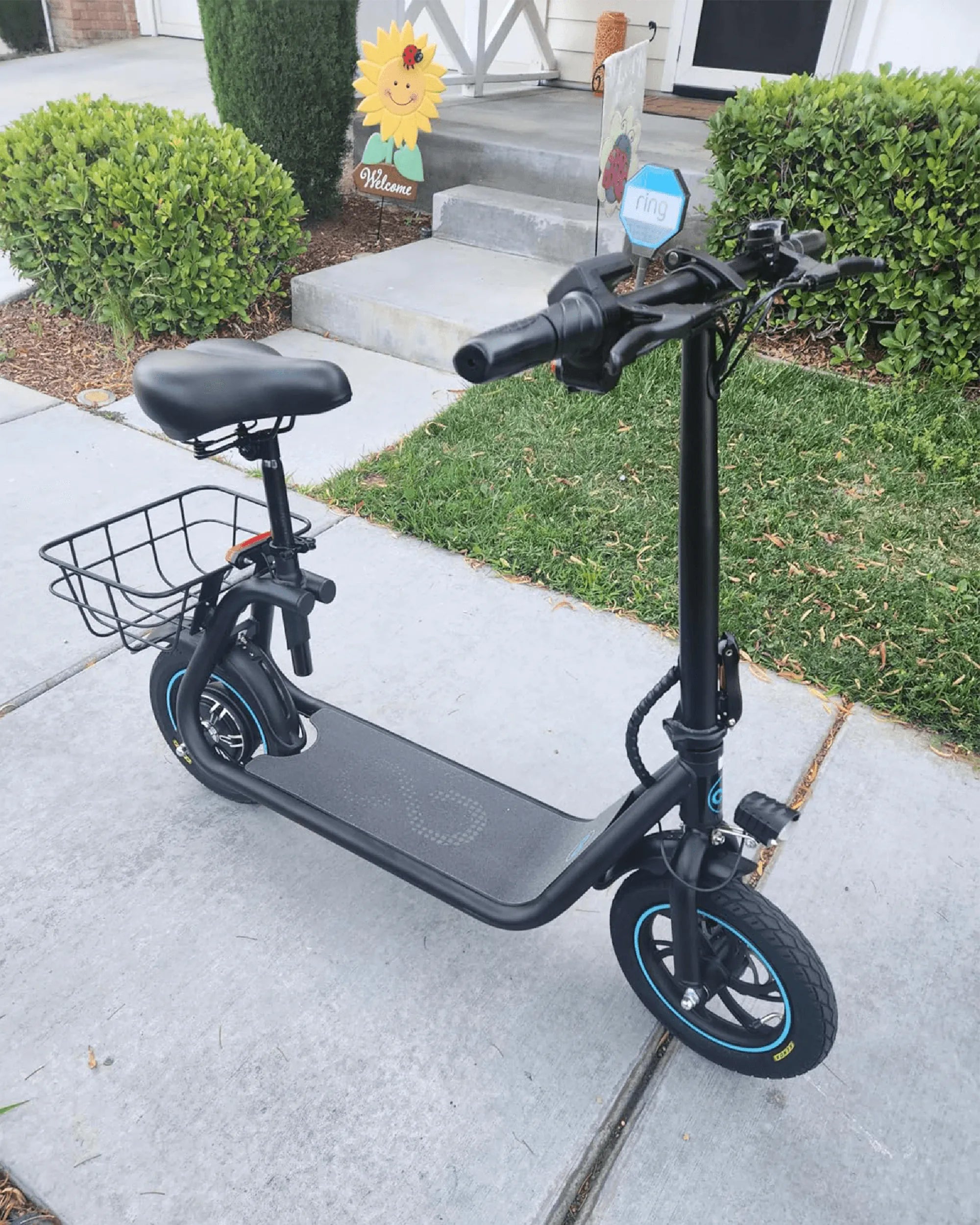
Beyond rentals, private electric scooter ownership has surged. Residents and longer-term visitors are increasingly investing in their own personal mobility devices (PMDs). These offer greater reliability, better performance, and cost savings over regular rental fees. For daily commuters or those living in the city, a private scooter is often the smarter economic choice.
Models from trusted brands are a common sight. Brands like Gyroor, known for UL-certified batteries and robust construction, are popular choices for those prioritizing safety and durability on Budapest's varied surfaces. The ability to own a vehicle with an IPX5 water-resistant rating is a significant advantage given the city's unpredictable weather.
Navigating the Rules: Budapest's E-Scooter Regulations
Using an e-scooter in Budapest comes with a clear legal framework designed for safety and order. Ignoring these rules can result in substantial fines, so understanding them is non-negotiable.
Where to Ride: Electric scooters are classified as bicycles under Hungarian law. You must use bicycle lanes where available. If no bike lane exists, you should ride on the road, not the sidewalk. Riding on sidewalks is prohibited and can result in a fine of up to 30,000 HUF. This is strictly enforced in busy pedestrian areas.
Speed Limits: The maximum permitted speed for e-scooters on public roads is 25 km/h. Many rental scooters are geo-fenced to automatically reduce speed in crowded pedestrian zones. On bike paths, always adhere to posted limits and adjust your speed to conditions.
Age and Equipment: Riders must be at least 16 years old. While a helmet is not legally mandatory for those over 16, it is highly recommended for safety. The use of lights (white front, red rear) is required after dark. Riding under the influence of alcohol is illegal and dangerous.
Parking Rules: Scooters must be parked responsibly. They should not block sidewalks, building entrances, ramps, or public transport stops. Designated parking zones, often marked with symbols, are becoming more common. Failing to park correctly can lead to your rental scooter being reported and a fee, or your private scooter being impounded by city authorities.
Gyroor's Guide to Riding Your Own E-Scooter in Budapest
For those who call Budapest home or plan an extended stay, owning a personal electric scooter offers unparalleled freedom and value. A quality private scooter like those from Gyroor transforms the city into your personal playground and efficient commute corridor.
The primary advantage is long-term cost efficiency. While a 20-minute rental ride can cost 500-800 HUF, the same trip on a personal scooter costs mere pennies in electricity. Over a month, the savings compared to using rental fleets daily are substantial, quickly offsetting the initial investment.
Safety and reliability are paramount. Owning a scooter from a brand with a focus on safety engineering is crucial. For instance, Gyroor scooters utilize UL-certified battery packs, tested for over 500 charge cycles, significantly reducing any risk of battery fire—a key concern with uncertified models. Their IPX5 water resistance is essential for Budapest's sudden rain showers, ensuring the scooter isn't damaged by wet streets.
Storage and charging become part of your routine. Most residential buildings allow scooters to be brought inside for secure overnight storage and charging. This eliminates the hunt for a charged rental and protects your investment from theft or vandalism. The 1-year warranty offered by reputable brands provides long-term peace of mind for daily riders navigating the city's roads.
Comparing Your Transport Options: Scooters vs. Bikes vs. Public Transit
Choosing the right mode of transport in Budapest depends on your route, budget, and needs. The following table provides a data-driven comparison of the primary eco-friendly options.
| Transport Mode | Avg. Cost (Short Trip) | Flexibility & Access | Best For | Environmental Impact |
|---|---|---|---|---|
| E-Scooter (Rental) | ~600 HUF / 15 min | Very High (App-based, everywhere) | Spontaneous trips, tourists, last-mile | Low (Electric, shared asset) |
| E-Scooter (Private) | ~10 HUF / 15 min (electricity) | Total (Your schedule, your vehicle) | Daily commuters, residents, cost-conscious users | Very Low (Electric, long lifecycle) |
| Bubi Bike Share | 500 HUF / 30 min (Single) or 5,000 HUF / 30-day pass | High (Docked stations in central areas) | Leisure rides, exercise, station-to-station travel | Very Low (Human-powered) |
| Public Transit (BKV) | 450 HUF / Single ticket | Medium (Fixed routes & schedules) | Longer distances, bad weather, hill climbs to Buda | Low (Efficient mass transport) |
| Walking | Free | Low (Limited by distance) | Exploring small districts, sightseeing at slow pace | None |
Electric scooters, particularly private ones, excel as "last-mile" solutions. They seamlessly integrate with the BKV network. For example, you can scoot from your apartment to the metro station, fold your scooter, take the metro to a distant district, and then unfold it for the final leg of your journey. This multimodal approach is the pinnacle of efficient urban mobility.
For tackling the steeper hills of Buda Castle District, the combined power of an e-scooter's motor is a clear advantage over a traditional pedal bike. However, for a purely recreational ride along the flat Margaret Island, the city's Bubi bikes or a leisurely walk might be more enjoyable.
Beyond Scooters: Budapest's Array of Eco-Friendly Transport
Electric scooters are just one thread in the green tapestry of Budapest's transport network. The city boasts one of Europe's most comprehensive and historic public transport systems, which is itself a form of sustainable mobility.
The Bubi bike-sharing system, with its distinctive red bikes and over 150 docking stations, is deeply integrated into the city. It's a fantastic option for longer, more leisurely rides, especially with the affordable monthly pass. The bikes are sturdy and well-maintained, perfect for a ride along the Danube.
Budapest's trams, metros, and buses (run by BKV) are the backbone of the city. The iconic yellow trams, like the #2 line along the Pest embankment, offer not just transport but a moving sightseeing tour. Purchasing a 24-hour or 72-hour travel card encourages unlimited use and is highly cost-effective for tourists. These networks are essential for longer cross-city journeys or when weather turns unfavorable.
Emerging options include e-moped rentals (like those from Lime or Bird), which are suitable for longer, faster trips and require a driver's license. Additionally, traditional taxi services are being supplemented by ride-hailing apps, though these are less eco-friendly. The key is to view e-scooters not as a replacement, but as a agile complement to these established and emerging networks.
Essential Tips for a Safe and Enjoyable Budapest E-Scooter Experience
Maximizing your e-scooter experience in Budapest hinges on safety, etiquette, and local knowledge.
1. Prioritize a Helmet: Despite local riders often going without, wearing a helmet is the single most effective safety measure. This is especially important when navigating road traffic.
2. Respect Pedestrians: Always yield to those on foot. Use a bell or your voice to alert pedestrians when passing from behind, and do so slowly and with ample space. Never startle people.
3. Master the Terrain: The cobblestone streets of Castle Hill in Buda are beautiful but treacherous on small scooter wheels. It's often wiser to walk your scooter in these areas or use the funicular. Be extremely cautious when crossing tram tracks; cross them at as close to a 90-degree angle as possible to avoid getting a wheel stuck.
4. Park with Purpose: Always look for designated micro-mobility parking zones. Never park in a way that obstructs pathways for people with disabilities, building entrances, or emergency exits. For private scooters, use a robust lock if leaving it unattended in public, even briefly.
5. Ride Defensively: Assume car drivers may not see you. Use hand signals for turning, make eye contact with drivers at intersections, and be hyper-aware of car doors opening. At night, ensure your lights are on and consider adding reflective elements to your clothing or backpack.
Frequently Asked Questions (FAQ)
Q: Are electric scooters legal on sidewalks in Budapest?
A: No. It is illegal to ride an e-scooter on the sidewalk. You must use bicycle lanes or, if none are available, the road. Riding on sidewalks can result in a fine.
Q: Do I need a license or insurance to ride an e-scooter?
A: No license is required for e-scooters with a maximum designed speed of 25 km/h, which includes all rental models and most private ones. Third-party liability insurance is not legally required but is recommended for private scooter owners.
Q: What is the best app for renting e-scooters in Budapest?
A> The Lime and Bird apps are most widespread. It's useful to have both installed to compare availability and pricing. The Bolt app (which includes Tier scooters) is also a major player. Check each app for pricing and parking zone maps.
Q: Can I take my electric scooter on trams, metros, or buses?
A> Yes, generally. Folded e-scooters are permitted on BKV vehicles, similar to folded bicycles. Avoid peak hours when vehicles are crowded, and be courteous to other passengers by keeping the scooter in a compact space.
Q: Is it safe to ride an e-scooter in Budapest at night?
A> It can be, with precautions. Stick to well-lit main roads with bike lanes, such as the Grand Boulevard or along the Danube. Ensure your scooter's lights are fully functional, wear reflective gear, and be extra vigilant. Avoid poorly lit side streets and parks after dark.
Q: How do I handle Budapest's tram tracks on a scooter?
A> Approach tram tracks with caution. Slow down and cross them at as perpendicular an angle as possible. Do not ride parallel to the tracks for long, as your wheel can easily get caught, causing a crash.
Conclusion: Embracing Sustainable Mobility in the Heart of Europe
Budapest has enthusiastically answered "yes" to the question of electric scooters, weaving them into the fabric of its urban transport. From the rental fleets dotting Andrássy Avenue to the private scooters carried onto the Metro, they are a testament to the city's modern, sustainable evolution. They offer a uniquely flexible and enjoyable way to connect the historic sites of Buda with the vibrant ruin bars of Pest.
The true key to enjoying this mobility revolution is informed, responsible riding. By understanding the regulations, respecting all other road and path users, and choosing reliable equipment, you contribute to a safer and more sustainable city for everyone. For those looking to make e-scooting a regular part of their Budapest life, investing in a certified, durable personal scooter from a trusted brand is a decision that pays dividends in safety, reliability, and cost savings over time.
Ready to explore Budapest on your own terms? Discover the freedom and safety of a personal electric scooter engineered for urban adventures. Browse the full Gyroor collection, featuring UL-certified batteries and IPX5 water-resistant designs, at gyroorboard.com.
Electric Kick Scooters Market: Trends, Growth, and Future Outlook
Electric Scooters for Old People Manufacturers: Your Guide to Safe Mobility