



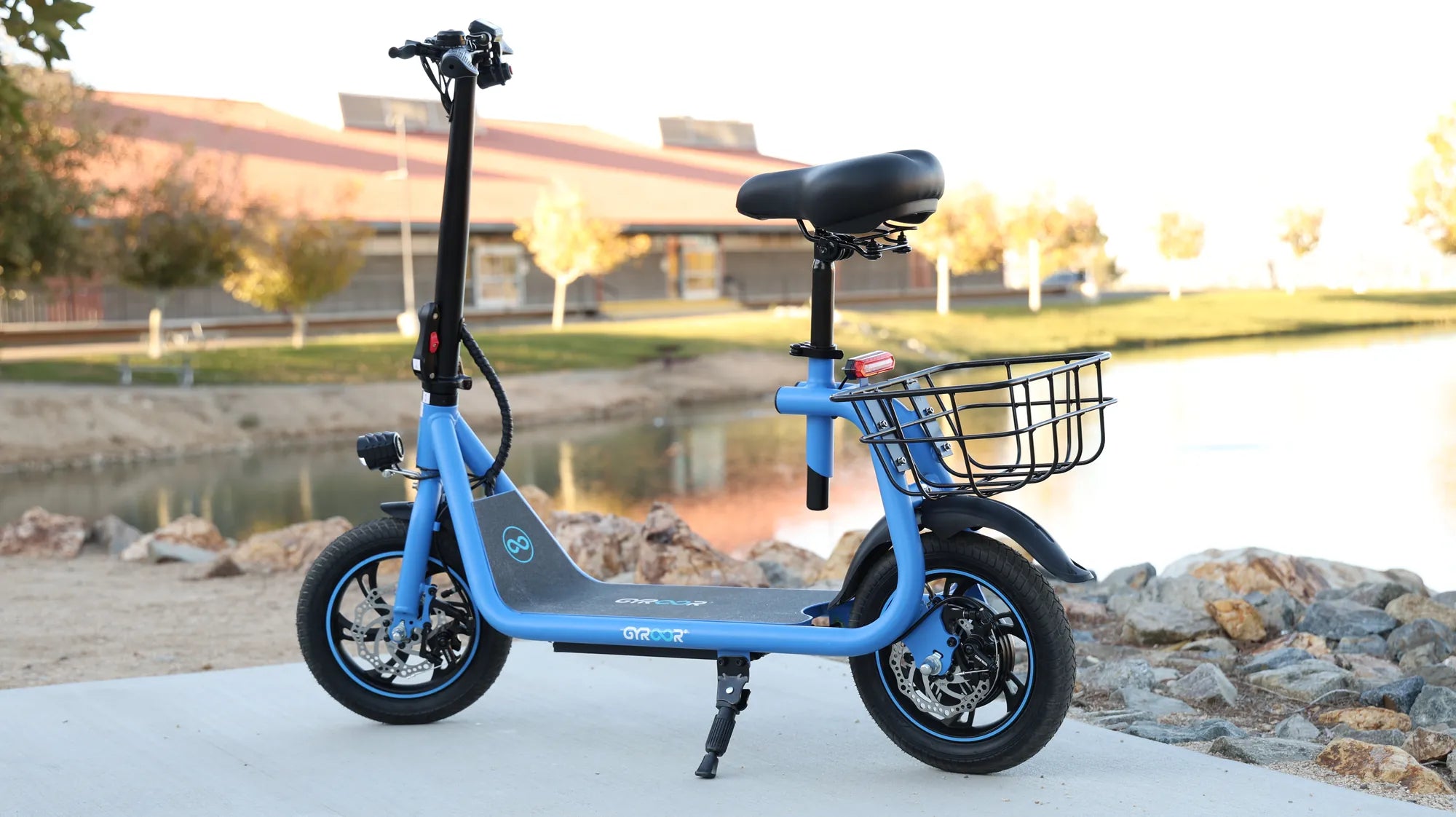
Introduction: The Electric Kick Scooter Revolution
The global electric kick scooters market is undergoing a seismic shift, evolving from a niche novelty to a cornerstone of modern urban transportation. This transformation is driven by a powerful convergence of technological innovation, environmental urgency, and changing urban mobility patterns. Understanding the current trends, underlying growth drivers, and future trajectory is essential for consumers, city planners, and industry stakeholders alike.
This analysis will provide a comprehensive overview of the Electric Kick Scooters Market: Trends, Growth, and Future Outlook. We will dissect the key trends defining rider preferences in 2024, examine the macroeconomic and social forces fueling market expansion, and forecast the innovations and challenges that will shape the next decade. For consumers, this serves as a vital guide to making an informed purchase in a rapidly evolving landscape.
Key Market Trends Shaping Rider Choices in 2024
The market has matured beyond basic point-A-to-B devices. Today's consumers demand sophisticated machines that offer performance, intelligence, and durability, reflecting a shift from shared fleet experimentation to personal ownership of high-quality vehicles.
Trend 1: The Rise of Performance and Range
Commuters are no longer satisfied with short-range, underpowered scooters. The demand is for robust performance that handles varied urban terrain and longer commutes reliably. Motors rated at 500W and above are becoming the standard for adult commuters, enabling consistent speeds of 20+ mph and better hill-climbing ability.
Concurrently, battery technology advancements have made ranges of 30-40 miles on a single charge increasingly attainable for premium models. This extended range alleviates "range anxiety" and makes e-scooters a viable primary vehicle for daily use, not just a last-mile supplement.
Trend 2: Smart Integration and Connectivity
Bluetooth-enabled companion apps are now a baseline expectation. These apps transform the scooter from a simple vehicle into a connected device. Riders can track speed, distance, and battery life, customize performance profiles (e.g., Eco, Sport modes), and conduct firmware updates.
Advanced features include GPS-based anti-theft systems with geofencing, ride history logging, and diagnostic checks that alert users to potential maintenance issues. This digital layer enhances security, personalization, and long-term ownership value.
Trend 3: Enhanced Safety and Durability Features
Safety is the paramount concern for new adopters. Manufacturers are responding with integrated lighting systems that go beyond a simple headlight and taillight. Sequential turn signals, bright brake lights, and deck-mounted ambient lighting are becoming common for increased visibility.
Durability is equally critical. Build quality now emphasizes wider decks for stable footing, full or front suspension for comfort, and robust, water-resistant designs. An IPX5 water resistance rating, for instance, signifies a scooter can withstand water jets from any direction, making it capable of handling wet roads and light rain, a key feature for reliable daily commuting.
Growth Drivers: Why the Market is Accelerating
The expansion of the Electric Kick Scooters Market is not accidental. It is propelled by fundamental shifts in urban living, environmental consciousness, and technological progress.
Urbanization and the Last-Mile Problem
Global cities are growing denser, and traffic congestion is worsening. The "last-mile problem"—the inefficient final leg of a journey from a transit hub to home or office—remains a significant urban logistics challenge. Electric scooters present a nimble, space-efficient, and cost-effective solution, seamlessly integrating with public transit networks to create efficient multi-modal commutes.
Sustainability and Eco-Conscious Consumerism
The transition to low-carbon transportation is a major societal imperative. Electric kick scooters, with their zero direct emissions, resonate deeply with environmentally conscious consumers. They offer a tangible way for individuals to reduce their carbon footprint and dependency on fossil fuels, aligning personal mobility with broader sustainability goals.
Technological Advancements and Cost Reduction
Improvements in lithium-ion battery energy density, motor efficiency, and manufacturing economies of scale have been pivotal. Better technology delivers more performance and range per dollar, making high-quality e-scooters more accessible. The focus on safety certifications, like UL certification for battery packs, also builds consumer trust in the technology.
The Competitive Landscape: What Leading Brands Are Doing Right
The market is segmented into various tiers, from shared mobility operators to value-focused and premium personal ownership brands. Success in the personal ownership segment is increasingly tied to proven reliability, safety, and direct customer relationships.
The Importance of Safety Certifications and Warranty
In a market where battery safety is a top concern, certifications are non-negotiable. Brands that invest in third-party verified safety, such as using UL-certified battery packs that undergo rigorous testing for over 500 charge cycles, distinguish themselves. Coupled with a comprehensive warranty—like a reliable 1-year coverage on major components—this builds essential trust with safety-conscious consumers looking for a long-term investment.
Direct-to-Consumer Models vs. Traditional Retail
The Direct-to-Consumer (DTC) model has flourished in this space. By selling online directly to riders, brands can offer higher specifications at competitive price points, maintain control over brand messaging, and establish a direct line for customer support and community building. This contrasts with traditional retail, which often involves markup and less product education.
Future Outlook: What's Next for Electric Kick Scooters?
The future outlook for the electric scooter market points toward greater integration, intelligence, and regulation.
Regulatory Evolution and Infrastructure Development
Clear, consistent regulations are the next frontier. We anticipate more cities developing specific frameworks for e-scooter use, including speed limits, riding lane mandates (bike lanes vs. sidewalks), and structured parking or docking solutions. Investment in protected micromobility lanes will be crucial for safety and widespread adoption.
Next-Gen Technology: Swappable Batteries and AI Integration
Technology will continue to redefine usability. Swappable battery systems could eliminate range limitations entirely, allowing riders to instantly exchange depleted packs for fresh ones. Further ahead, integration of simple AI could offer route optimization based on real-time traffic, road conditions, and even predictive maintenance alerts.
Market Consolidation and Niche Segmentation
The market will likely see consolidation among major players while simultaneously fragmenting into specialized niches. We will see clearer segmentation between ultra-portable models for multi-modal commuters, high-performance off-road scooters, and luxury models with premium materials and advanced tech, catering to specific rider lifestyles.
Comparison of Electric Scooter Use Cases
| Use Case | Key Priorities | Recommended Features | Example Models Focus |
|---|---|---|---|
| Urban Daily Commute (5-10 miles) | Reliability, Portability, Weather Resistance | IPX5+ Rating, 300W+ Motor, 20+ mile range, App Connectivity | Commuter-focused models with folding mechanisms and good suspension. |
| Last-Mile / Multi-Modal Transit | Lightweight, Compact Fold, Quick Carry | Under 30 lbs, Fast folding mechanism, 15-mile range | Ultra-portable designs that are easy to carry on buses/trains. |
| Recreational / Weekend Riding | Power, Range, Comfort, Off-road Capability | 500W+ Motor, 30+ mile range, Dual Suspension, Off-road Tires | Performance scooters built for varied terrain and longer joyrides. |
Frequently Asked Questions (FAQ)
Q: What is the average range of a commuter electric scooter today?
A: For a quality commuter-focused model in 2024, a realistic average range is between 18 and 30 miles per charge. This varies significantly based on rider weight, terrain, speed, and temperature. Always consider real-world range, which is typically 60-70% of manufacturer estimates under ideal conditions.
Q: Are electric kick scooters safe for daily commuting?
A: Safety depends on the scooter's build quality, the rider's behavior, and the environment. Choose a scooter with robust brakes (disc or electronic), bright lighting, and a stable deck. Always wear a helmet, obey traffic laws, ride in bike lanes where available, and avoid sidewalks. A scooter with an IPX5 water-resistant rating adds safety for wet conditions.
Q: How important is water resistance (like an IPX5 rating)?
A: It is critical for a reliable commuter vehicle. An IPX5 rating means the scooter is protected against low-pressure water jets from any direction. This allows you to ride on wet roads or in light rain without worrying about water damage to critical electronics, greatly increasing the scooter's utility and longevity.
Q: What should I look for in a warranty?
A: Seek a comprehensive warranty that clearly covers the frame, motor, controller, and battery for at least one year. A trustworthy warranty is a signal of the manufacturer's confidence in their product's durability. It should be backed by accessible customer service for claims and support.
Q: Can I use an e-scooter in the rain?
A: Scooters with a high water resistance rating (IPX5 or higher) are designed to withstand wet conditions. However, exercise extreme caution: reduce speed, avoid deep puddles, brake earlier and more gently, and ensure all lights are on. Even with a good rating, it's best to avoid heavy downpours for safety and to prolong the scooter's life.
Navigating Your Personal Mobility Future
The Electric Kick Scooters Market: Trends, Growth, and Future Outlook reveals an industry hitting its stride, driven by genuine utility and innovation. The trends point toward more capable, intelligent, and durable personal vehicles that are redefining short-distance travel. For potential buyers, the decision matrix now hinges on aligning specific features—like UL-certified battery safety, meaningful water resistance, and a solid warranty—with individual commuting needs and lifestyle.
As regulations mature and infrastructure improves, the role of the e-scooter will only become more integrated into our urban fabric. The future of personal mobility is electric, connected, and personal. Choosing a scooter from a brand that prioritizes safety, performance, and rider trust is the first step in embracing that future.
Ready to explore models that embody these key trends—featuring UL-certified batteries, IPX5 water-resistant designs, and reliable warranties? Browse the full Gyroor collection at gyroorboard.com to find a scooter built for the realities of modern commuting.
Pure EV Electric Bikes and Scooters: The Future of Urban Mobility
Does Budapest Have Electric Scooters? A Complete Mobility Guide