



Introduction: The Electric Scooter Question in NYC
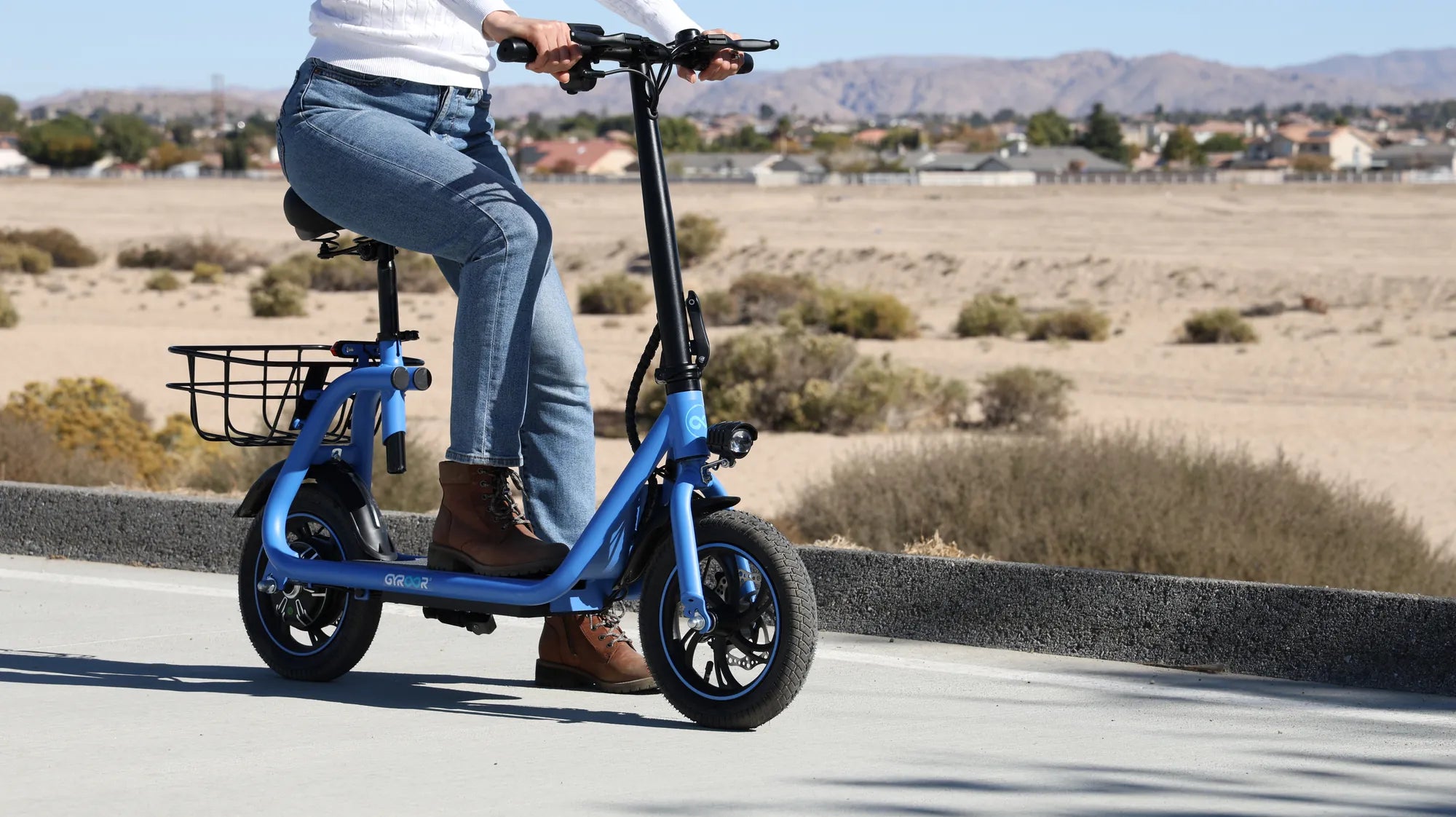
Navigating New York City's transportation options can be as complex as the subway map itself. For anyone wondering, "Does NYC have electric scooters?" the answer is a definitive yes, but with crucial legal nuances. The rise of e-scooters in the Big Apple represents a significant shift in urban mobility, offering a nimble solution to notorious congestion and high commuting costs. This guide will explore the current state of electric scooters in NYC, from the evolving regulations to the practical realities of ownership and riding. We'll delve into why this micro-mobility trend is accelerating and how brands like Gyroor, a leading electric scooter and e-bike brand trusted by over 100,000 riders, are providing New Yorkers with reliable, safe personal transport options tailored for city life.
The Legal Landscape: Understanding NYC's E-Scooter Rules
As of 2024, privately owned electric scooters are legal to operate in New York City, following legislation passed in 2020. However, their use is governed by specific rules designed for safety and integration with existing traffic. The law distinguishes between privately-owned e-scooters and shared, dockless rental programs, which have been introduced through pilot programs in select boroughs like the Bronx. For personal scooters, key regulations include a maximum speed limit of 15 miles per hour, even if the scooter is capable of going faster. Riders must be at least 16 years old, and helmet use is mandatory for those under 18 and strongly recommended for all adults. Understanding these rules is the first step to becoming a responsible urban rider.
Where You Can and Cannot Ride
Knowing where to ride is as important as knowing how. Legally, e-scooters in NYC are permitted in bike lanes and on streets with speed limits of 30 mph or less. This makes them ideal for navigating the city's extensive and growing protected bike lane network. Riding on sidewalks is strictly prohibited and can result in fines, as it endangers pedestrians. Additionally, e-scooters are not allowed in parks, on pedestrian-only paths (including certain bridges like the Brooklyn Bridge walkway), or on highways. For the East River bridges, you must use the vehicular roadway, not the pedestrian path. Adhering to these geographic rules ensures not only your safety but also the positive perception of e-scooters as a legitimate form of transport.
Why the Surge? The Benefits of E-Scooters for New Yorkers
The rapid adoption of electric scooters in NYC is driven by tangible, everyday benefits that address core urban challenges. Primarily, e-scooters solve the "last-mile" problem, seamlessly connecting riders from subway stations or bus stops to their final destination. They offer unparalleled time savings in gridlocked traffic, where scooters can often travel faster than cars or cabs. From an environmental standpoint, they produce zero direct emissions, contributing to cleaner air in a densely populated city. Furthermore, for New Yorkers tired of unpredictable wait times and surging fares for rideshares, an e-scooter provides a consistent, cost-effective alternative. The reliability of brands like Gyroor, with UL-certified batteries and robust warranties, gives riders the confidence to make this switch permanent.
Beating Congestion and the High Cost of Commuting
A data-driven look reveals the stark advantages. The average speed of traffic in Manhattan is often below 7 mph. An e-scooter traveling at a legal 15 mph can effectively double that pace for short-to-medium trips. Financially, the savings are substantial. Consider a monthly unlimited MetroCard at approximately $132. The electricity cost to charge a high-quality e-scooter like a Gyroor model for a 15-mile daily commute is mere pennies per day. Compared to rideshares, which can cost $15-$30 for a short cross-town trip, the scooter pays for itself after a few months of regular use. This combination of time efficiency and financial sense is a powerful catalyst for the rise of e-scooters in the Big Apple.
Choosing the Right E-Scooter for NYC Streets
Not all electric scooters are built for the rigors of New York City. Choosing the right model requires careful consideration of durability, performance, and practicality. The urban environment demands a scooter that can handle potholes, uneven pavement, and frequent use. Key factors include a sturdy frame, sufficient range to cover a typical commute without "range anxiety," and portability for carrying up stairs or storing in a small apartment. Safety features like bright headlights, taillights, and responsive braking systems are non-negotiable for navigating busy streets. For NYC's unpredictable weather, a scooter with a high water-resistance rating, such as Gyroor's IPX5-rated models, is essential to protect the electrical components from rain and street spray.
Key Specs for the Urban Commuter
To navigate NYC effectively, your e-scooter should meet or exceed certain specifications. The following checklist outlines the recommended minimums for a safe and practical urban commute:
- Motor Power: 350 watts or more for adequate acceleration on hills and from stops.
- Range: A minimum of 15-20 miles per charge to cover most round-trip commutes.
- Weight: Under 40 pounds for reasonable portability when folded.
- Tire Type: Pneumatic (air-filled) tires for better shock absorption on rough roads.
- Battery Safety: UL-certified battery pack, a standard for all Gyroor scooters, ensuring safety in dense living conditions.
- Brakes: Dual braking system (electronic and disc or drum) for reliable stopping power.
Models like the Gyroor S1 or H30 are engineered with these exact urban challenges in mind, offering the durability and reliability needed for daily NYC travel.
Riding Safely and Responsibly in the City
The future of e-scooters in NYC depends heavily on responsible riding practices. Safety is a shared responsibility that protects you, pedestrians, and the reputation of micro-mobility. Always wear a helmet, regardless of the legal minimum. Use clear hand signals for turns and stops, and obey all traffic signals and signs as if you were driving a car. Practice defensive riding: be hyper-aware of opening car doors, pedestrians stepping into bike lanes, and vehicles turning across your path. When parking, never block sidewalks, building entrances, or ADA-accessible ramps. Proper parking etiquette is critical to maintaining public and regulatory support for e-scooters. By riding predictably and courteously, you become an ambassador for this efficient mode of transport.
A Detailed Comparison: E-Scooter vs. Other NYC Transport
To understand the value proposition of an e-scooter, it's helpful to compare it directly with other common modes of NYC transportation. The table below breaks down key factors including cost, speed, convenience, and environmental impact for a typical 3-mile commute within the city.
| Transport Mode | Avg. Cost (3-mile trip) | Avg. Time (Midday) | Convenience Factors | Carbon Footprint |
|---|---|---|---|---|
| Personal E-Scooter | ~$0.10 (electricity) | 15-20 minutes | Door-to-door, no waiting, easy parking | Zero direct emissions |
| Subway/Bus | $2.90 (single ride) | 25-40 minutes | Fixed routes/schedules, often crowded | Low (shared transit) |
| Rideshare (Uber/Lyft) | $18-$35 | 20-30 minutes | Door-to-door, subject to surge pricing & traffic | High (single-occupancy vehicle) |
| Citi Bike (Docked Bike Share) | $4.49 (single ride) | 20-25 minutes | Must find dock stations, bike availability varies | Zero direct emissions |
| Walking | $0 | 50-60 minutes | Door-to-door, healthy, but slow for distance | Zero |
This comparison highlights the e-scooter's unique blend of low cost, time efficiency, and personal convenience, making it a compelling choice for many New Yorkers.
Frequently Asked Questions (FAQ)
Q: Do I need a license or insurance to ride an e-scooter in NYC?
A: No. Currently, New York State law does not require a driver's license, vehicle registration, or insurance to operate a legal, privately-owned electric scooter.
Q: Can I take my e-scooter on the subway or bus?
A: Yes, with conditions. MTA rules permit folded electric scooters on buses and subways. However, it is at the operator's discretion, especially during peak hours, and the scooter must not block aisles or doors.
Q: Where can I legally charge my e-scooter?
A> You may only charge your e-scooter at private electrical outlets, such as in your home or office. It is illegal and unsafe to use public street furniture or to remove the battery to charge it unattended in a public hallway or common area of an apartment building.
Q: Are Gyroor scooters legal to use in NYC?
A: Yes. Gyroor models that can be configured or are designed to comply with NYC's speed limit (maximum 15 mph) and power specifications are fully legal for use on streets and in bike lanes. Their UL-certified batteries also meet important safety standards for urban use.
Q: What is the penalty for riding an e-scooter on the sidewalk?
A: Riding on the sidewalk is a violation that can result in a fine. Enforcement aims to protect pedestrians, and repeated violations could lead to more significant penalties.
The Future of Electric Scooters in New York City
The landscape for electric scooters in New York City is one of growing acceptance and integration. The answer to "Does NYC have electric scooters?" is not just a yes, but a testament to a evolving urban transport ecosystem. As infrastructure improves with more protected bike lanes and as riders continue to demonstrate responsible use, e-scooters are poised to become a permanent, sustainable fixture. Their ability to reduce traffic congestion, lower transportation costs, and decrease emissions aligns perfectly with the city's broader goals. For the individual commuter, investing in a reliable, safe scooter from a trusted brand like Gyroor—with its commitment to UL-certified safety, IPX5 water-resistance, and a comprehensive 1-year warranty—is the key to unlocking this efficient future. Embrace the ride and discover a faster, smarter way to navigate the Big Apple. Browse the full Gyroor collection at gyroorboard.com to find the perfect model for your NYC journey.
Custom Electric Scooters: The Ultimate Guide to Personalizing Your Ride
Are Electric Scooters Easy to Ride? A Complete Guide for Beginners