



Introduction: The Fundamental Choice in Off-Road Riding
The decision between a dual sport vs dirt bike is the first and most critical fork in the trail for any aspiring off-road rider. It's a choice between pure, unadulterated performance and versatile, go-anywhere practicality. This isn't just about picking a motorcycle; it's about selecting the tool for the adventures you envision.
A dirt bike is a purpose-built competition machine, engineered for maximum agility and power on closed courses and trails. A dual-sport motorcycle, by contrast, is a street-legal compromise designed to bridge the gap between the highway and the backcountry. This guide will dissect every component, from suspension travel to license plate brackets, to help you make an informed decision.
We'll explore the engineering intent behind each design, compare critical specifications head-to-head, and match rider profiles to the ideal machine. By the end, you'll understand not just the differences on paper, but how those differences translate to mud, rocks, and asphalt under your wheels.
Core Design Philosophy: Specialization vs. Compromise
The dual sport vs dirt bike debate begins with a fundamental clash of design goals. Dirt bike manufacturers start with a blank sheet dedicated to winning races. Every gram of weight, every millimeter of suspension travel, and every horsepower is optimized for dominating motocross tracks, enduro trails, or hare scrambles. These are athletes, not commuters.
Dual-sport motorcycles are born from a different mandate: legal compliance. Engineers must balance off-road capability with a long list of Department of Transportation (DOT) requirements. The design process is an exercise in compromise, adding lights, mirrors, emissions equipment, and a catalytic converter without completely sacrificing trail prowess. The result is a Swiss Army knife on two wheels.
This philosophical divide dictates every other difference. A dirt bike's aggression is intentional; a dual-sport's mildness is calculated. Understanding this "why" is key to appreciating the "what" of their specifications and performance. One is a scalpel, the other a multi-tool.
Head-to-Head Specifications: The Data-Driven Breakdown
Let's move from philosophy to hard numbers. The following comparison table highlights the typical specifications for middleweight models in each category, illustrating the tangible outcomes of their differing design intents.
| Specification | Typical Dirt Bike (e.g., 450cc MX) | Typical Dual-Sport (e.g., 450cc DS) |
|---|---|---|
| Dry Weight | 240-260 lbs | 290-320 lbs |
| Seat Height | 37.5-38.5 inches | 36.5-37.8 inches |
| Suspension Travel (F/R) | 12+ / 12+ inches | 10-11 / 10-11 inches |
| Engine Tuning | Peaky, high-RPM powerband | Linear, low-to-mid RPM torque |
| Fuel Capacity | 1.8-2.2 gallons | 2.5-4.0+ gallons |
| Maintenance Intervals | Intensive (e.g., oil every 15 hrs) | Extended (e.g., oil every 600 mi) |
| Primary Tire Type | Aggressive knobby (not DOT) | 50/50 or 70/30 Dual-Sport (DOT) |
Engine & Performance: Explosive Power vs. Manageable Torque
Dirt bike engines are race-bred. A modern 450cc four-stroke motocross engine can produce over 55 horsepower in a package that weighs less than 70 pounds. The power delivery is explosive and focused in a high-RPM band, demanding an active riding style. Two-stroke engines offer a violent, lightweight hit that defines hardcore enduro riding.
Dual-sport engines are detuned for durability and street manners. The same 450cc displacement might yield 40-45 horsepower, with a heavier crank and different cam timing to build torque at lower RPMs. This makes them less intimidating on technical trails and more pleasant for highway cruising, though they lack the thrilling top-end rush of their dirt-only cousins.
Weight, Suspension, and Handling Dynamics
The weight gap of 50-80 pounds is the most felt difference on the trail. A 250-pound dirt bike flicks through trees and recovers from mistakes with minimal effort. Its long-travel suspension (often over 12 inches) soaks up massive jumps and g-outs with a plush, controlled stroke.
A 300+ pound dual-sport feels top-heavier and more resistant to quick direction changes. Its shorter, stiffer suspension is tuned to handle the added weight of cargo and the different demands of pavement, leading to a harsher feel on high-speed bumps and a lower threshold in whoops. The rider must muscle the bike more, trading finesse for stability.
Ergonomics, Tires, and Street-Legal Kit
Slip onto a dirt bike, and you're in an attack position. The seat is thin and steep, the bars are narrow, and the pegs are set for standing. It's a demanding but connected posture. The knobby tires provide phenomenal hookup in dirt but are unstable, noisy, and illegal on pavement, wearing out in under 1000 street miles.
A dual-sport offers a more relaxed, upright seating position akin to a standard motorcycle. The seat is wider (though often still firm) for all-day comfort. It comes equipped with DOT-approved lighting, turn signals, a horn, mirrors, and a sidestand switch. The 50/50 tires provide acceptable performance on both surfaces but excel at neither.
The Maintenance & Cost Reality
Ownership costs diverge sharply. High-performance dirt bikes require frequent, intensive maintenance. Engine oil and filter changes are needed every 10-15 riding hours. Piston and ring replacement might be scheduled every 50-100 hours. This is the cost of extracting maximum performance from minimal components.
Dual-sports follow automotive-style intervals. Oil changes every 600-1000 miles and valve checks every few thousand miles are common. While purchase prices can be similar, the long-term cost of consumables (tires, chains, sprockets) and rebuilds is generally lower for the dual-sport, provided it's not subjected to pure dirt bike abuse.
Registration and insurance add another layer. A dual-sport requires both, typically costing a few hundred dollars annually. A dirt bike, used solely off-road on private land or designated parks, may only need a one-time off-road permit or park pass, avoiding ongoing fees but severely limiting where it can be ridden.
Rider Profiles: Which Machine Matches Your Mission?
The Motocross/Closed-Course Enthusiast: You live for the track, the rhythm section, and clearing jumps. Your riding is intense, athletic, and focused on pure speed. You have a trailer and a truck. For you, the choice is clear: a dirt bike is the only tool for the job. A dual-sport would be a frustrating anchor.
The Hardcore Trail/Enduro Rider: Your playground is single-track, mountain passes, and log crossings. You prioritize ultra-light weight and suspension performance above all else. If you can legally plate a dirt bike (a complex process varying by state), you'll create a "plated dirt bike" or buy a street-legal enduro model. Otherwise, you'll resent a heavy dual-sport on the gnarliest trails.
The Adventure/Commute Hybrid Rider: You dream of exploring forest service roads, camping off the bike, and maybe using it for daily errands. You need to ride paved roads legally to connect trails. The dual sport is your perfect partner. Its versatility outweighs its off-road compromises. Models like the Honda CRF300L or Kawasaki KLX300 are ideal starters here.
The True Beginner: For a first bike, a lighter dual-sport (250-300cc) is almost always the wiser choice. The forgiving power delivery, lower seat options, and legal ability to practice basics in a parking lot are invaluable. Starting on a powerful, aggressive dirt bike can be intimidating and dangerous, limiting learning opportunities.
The Gyroor Perspective: Electric Power for Trail and Town
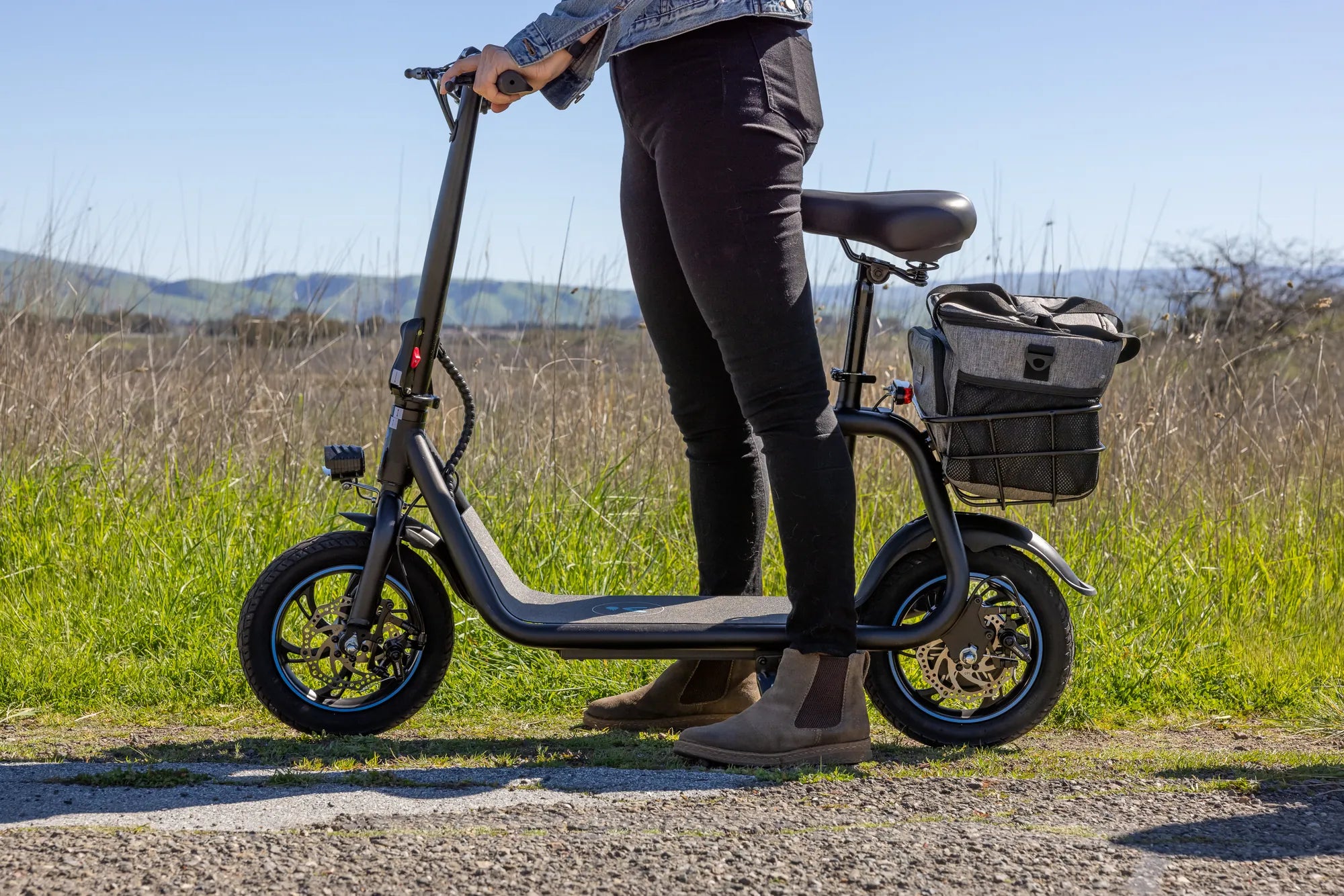
The dual sport vs dirt bike conversation is evolving with the rise of electric power. Brands like Gyroor are entering the adventure space with a new proposition: electric off-road scooters and e-bikes that offer a unique blend of accessibility, low maintenance, and eco-conscious fun.
While not matching the range or extreme performance of gas-powered machines, electric models provide instant torque, near-silent operation perfect for nature exploration, and drastically reduced upkeep. There's no oil, no filters, no complex carburetion or fuel injection. For urban trail networks, greenways, and light off-road exploration, they present a compelling gateway.
Gyroor's off-road capable models, built with UL-certified battery packs for safety and IPX5 water-resistant designs, exemplify this new category. They cater to the rider who values simplicity, sustainability, and the ability to seamlessly transition from a neighborhood path to a wooded trail without licensing or loud noise. It's a different kind of versatility, one that aligns with a growing segment of the adventure market.
For the rider curious about off-road exploration but hesitant about the complexity and cost of traditional motorcycles, an electric platform from a trusted brand with a reliable 1-year warranty can be the perfect first step into the outdoors.
Frequently Asked Questions (FAQ)
Can you make a dirt bike street legal?
It depends heavily on your state's laws. Some states (like Arizona) have relatively simple processes for adding a plate to an off-road vehicle, requiring a lighting kit, horn, mirror, and DOT tires. Others (like California) have near-impossible regulations for bikes not originally manufactured with a federal street-legal VIN. It's a complex, often expensive process with no guaranteed outcome. Research your specific state DMV requirements thoroughly.
Is a dual-sport a good beginner bike?
Yes, particularly in the 250-400cc range. Their manageable power, upright seating, and light weight (relative to street bikes) make them excellent for learning clutch control, balance, and basic riding skills. The ability to legally ride on quiet back roads and even practice off-road in a field provides a safer, more varied learning environment than starting on a powerful street bike.
Which is more expensive: dual-sport or dirt bike maintenance?
Initially, purchase prices are comparable. However, the long-term maintenance cost of a high-performance dirt bike is typically higher due to frequent engine service intervals and the brutal wear-and-tear of competitive riding. A dual-sport ridden moderately on- and off-road will have longer intervals between oil changes, valve checks, and top-end rebuilds, leading to lower annual maintenance costs.
Can a modern dual-sport handle real single-track?
It can survive it, but it will not excel. A skilled rider on a modern, lightweight dual-sport (e.g., a Beta 390 RR-S) can tackle surprisingly difficult terrain. However, the added weight, compromised suspension, and wider ergonomics will fatigue the rider faster and limit the bike's capability in extreme obstacles compared to a pure dirt bike. For moderate single-track, they are capable; for hard enduro, they are a handicap.
What about "Adventure Bikes" versus Dual-Sports?
This is a crucial distinction. Adventure bikes (e.g., BMW R 1250 GS, KTM 1290 Super Adventure) are larger, heavier (500-600+ lbs), and designed for long-distance travel on paved and unpaved roads. Dual-sports are their smaller, lighter, more off-road capable cousins. Think of it as a spectrum: Dirt Bike > Dual-Sport > Adventure Bike, with weight and comfort increasing as pure off-road prowess decreases.
Final Verdict: Defining Your Terrain
The dual sport vs dirt bike decision ultimately boils down to a single question: What is your primary terrain? If your answer is a motocross track, a dedicated off-road park, or remote trails accessible only by trailer, the dirt bike's specialized performance is irreplaceable. It is the right tool for a focused job.
If your answer involves public roads, connecting disparate trail networks, weekend camping trips, or a need for a single, do-it-all machine, the dual-sport's compromises become its greatest strengths. Its versatility unlocks a world of adventure that a dirt bike legally cannot reach.
Be honest about your use case. The allure of a lightweight dirt bike is strong, but the practicality of a license plate is often the deciding factor for real-world exploration. Whichever path you choose, it leads to the same destination: the unmatched freedom of riding on unpaved earth.
For those seeking a technologically advanced, low-maintenance entry into off-road exploration, consider the electric alternative. Browse the full Gyroor collection of robust, UL-certified electric scooters and e-bikes at gyroorboard.com to discover a quieter, simpler way to connect with the trail.
Class 2 E-Bike Speed: The Complete 20 MPH Guide
E-Bike for 13-Year-Old Boy: The Ultimate Parent's Guide to Safety & Selection