

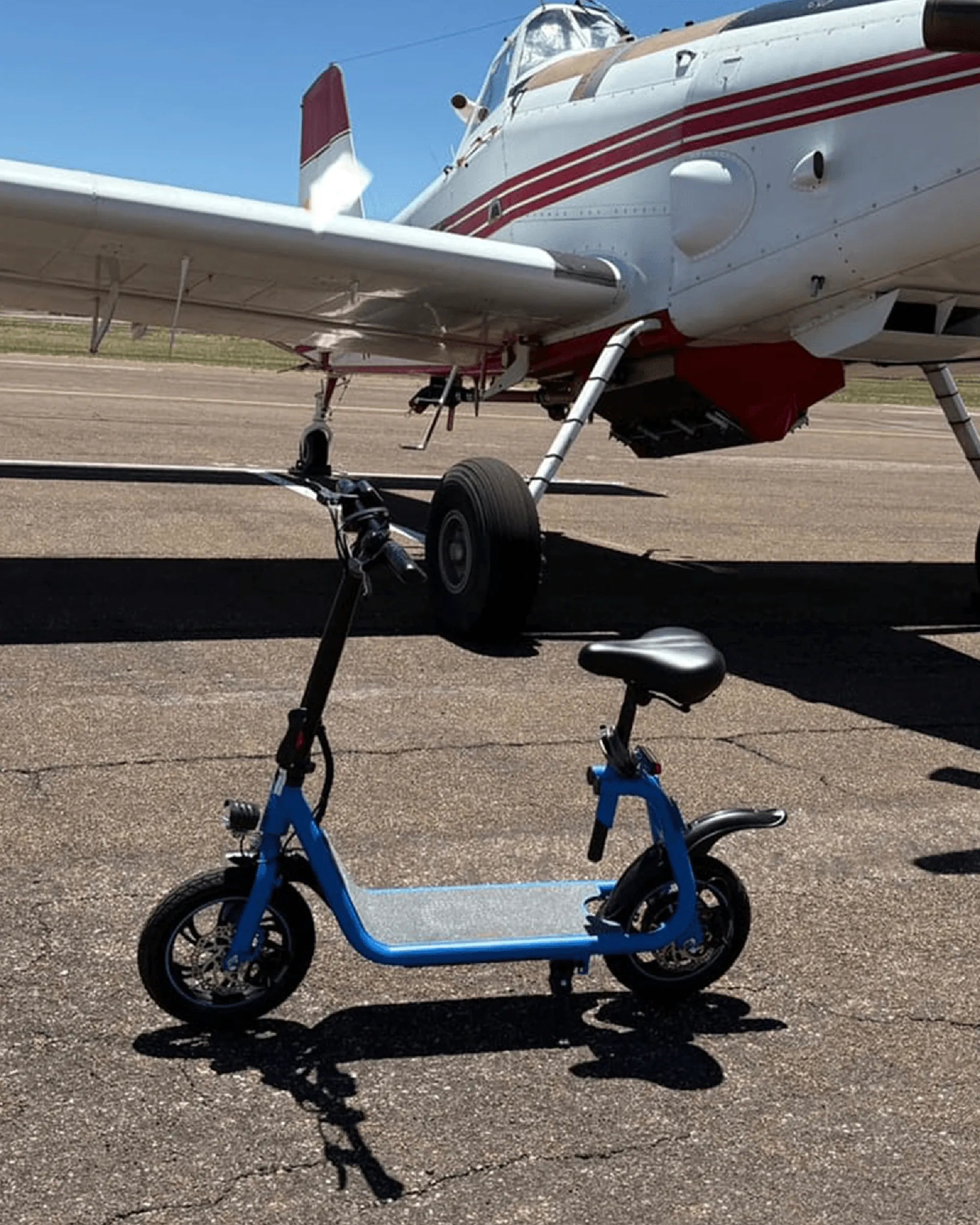
Finding the perfect e bike for 14 year old is about more than just picking a cool-looking ride. It's a significant step toward independence for your teenager, but it comes with a serious responsibility for parents to ensure that freedom is built on a foundation of safety, legality, and reliable engineering. This guide cuts through the hype to deliver a data-driven, practical framework for your decision. You'll learn how to navigate varying age laws, decode essential safety specifications, and understand why features like programmable speed limiters and UL-certified batteries are non-negotiable for young riders. We'll also explore how leading brands like Gyroor—trusted by over 100,000 riders for their UL-certified batteries and IPX5 water-resistant designs—engineer products that align with these crucial safety priorities.
Understanding the Rules: Age Laws, Classifications & Safety Standards
The first step in choosing an e-bike is understanding the legal landscape, which is not uniform. Regulations vary significantly by state, province, and country, primarily revolving around e-bike classifications. In the United States, a three-class system is widely adopted. Class 1 e-bikes provide pedal-assist only (no throttle) and stop assisting at 20 mph. Class 2 e-bikes can be propelled by a throttle up to 20 mph. Class 3 e-bikes are pedal-assist only but can assist up to 28 mph.
For a 14-year-old, Class 1 and Class 2 e-bikes are the most relevant and generally permissible options. Many states have no minimum age for operating a Class 1 or 2 e-bike, but some, like Oregon, require riders to be at least 16. It is imperative to check your specific state's Department of Motor Vehicles or transportation website. Crucially, helmet laws often have stricter age requirements; many states mandate helmets for all riders under 18, regardless of e-bike class.
Beyond government regulations, product safety standards are your primary shield. The UL 2849 certification is the gold standard for electrical system safety, covering the battery, charger, and motor controller. It rigorously tests for overcharge protection, short-circuit prevention, and overall system integrity. For any e bike for 14 year old, a UL-certified battery pack is not a luxury—it's a critical safety component that mitigates fire risk, a concern highlighted by incidents with uncertified batteries.
Choosing a bike that adheres to these classifications and certifications is the first act of responsible ownership. It ensures the bike is legally operable by your teen and built to a recognized safety benchmark, providing a crucial layer of protection before the first ride even begins.
Key Features to Look for in a 14-Year-Old's E-Bike
Once you understand the legal framework, evaluating the bike's specifications becomes a targeted exercise in safety and suitability. The right features directly correlate to a controlled, manageable, and secure riding experience for a young teenager.
Motor Power & Speed Limiters
Motor power, measured in watts (W), is often misunderstood. More watts do not equate to a better teen bike. A motor in the 350W to 500W range is typically ideal, providing ample power for hills and headwinds without excessive, potentially dangerous speed. The true guardian of safety here is the speed limiter. Look for e-bikes with programmable or preset limiters that allow parents to cap the top speed, often between 15-20 mph.
This feature is essential for a gradual learning curve. A beginner can start with a lower limit, building confidence and handling skills before any increase is considered. Brands like Gyroor design their systems with such controllability in mind, ensuring the power delivery is smooth and predictable, not jerky or overwhelming for a new rider.
Battery Safety & Range (The Gyroor Advantage)
The battery is the heart of the e-bike and the component where safety cannot be compromised. As mentioned, a UL 2271 or UL 2849 certification is the absolute minimum requirement. This certification ensures the battery pack has undergone stringent testing for electrical, mechanical, and environmental safety. Gyroor utilizes UL-certified battery packs in its models, tested for over 500 charge cycles, which underscores a commitment to this fundamental safety principle.
Range, stated in miles, is determined by battery capacity (Ah) and voltage (V). For a teen's use case—commuting to school, visiting friends, recreational rides—a realistic range of 20-35 miles per charge is usually sufficient. It's more important to have a safe, reliable battery that delivers consistent performance than one with a maximum range built with inferior cells. Emphasize charging safety: always use the manufacturer-provided charger and follow storage instructions.
Frame Size, Weight, and Build Quality
A proper fit is crucial for control and safety. Most 14-year-olds will fit a small or medium frame, typically corresponding to wheel sizes of 24-inch or 26-inch. The stand-over height (the clearance between the top tube and the rider's inseam) should be at least 2-3 inches. The bike's overall weight is a practical consideration; a bike between 45-65 lbs is manageable for a teen to maneuver, lift onto a bike rack, or carry up stairs if necessary.
Build quality dictates longevity and reliability. Look for frames made from aluminum alloy for a good strength-to-weight ratio. Welds should be clean and even. Features like IPX5 water resistance, a standard in Gyroor's design philosophy, mean the bike can withstand rain and puddles, protecting electrical components and ensuring the bike is ready to ride in various conditions.
Braking Systems & Control
Stopping power is non-negotiable. For an e bike for 14 year old, which has added weight and potential speed, high-performance brakes are essential. Mechanical or hydraulic disc brakes are vastly superior to traditional rim brakes, especially in wet conditions. Hydraulic disc brakes offer the best modulation and stopping power with minimal hand effort.
Dual disc brakes (one on the front and rear wheel) are the recommended configuration. This provides balanced, powerful braking that can safely handle sudden stops. Reliable brakes are perhaps the single most important safety feature after the helmet, giving the young rider the confidence and ability to react to traffic, obstacles, or unexpected situations.
The Parent's Guide: Safety, Responsibility, and Setting Boundaries
Purchasing the e-bike is only the beginning. Establishing clear rules and routines is what transforms a powerful vehicle into a tool for responsible independence. This parent's checklist serves as a blueprint for safe ownership.
First, establish immutable rules. These should include: always wearing a certified bicycle helmet (consider additional gear like gloves and knee pads for beginners), no riding after dark without proper lights and reflective clothing, no passenger riding, and absolutely no phone use while riding. Define approved riding zones and routes, avoiding high-traffic roads until skills and judgment are proven.
Second, conduct a pre-ride maintenance check together. Make it a habit to inspect tire pressure, test brake function, ensure lights are working, and check that the quick-release levers on wheels and the seat are tight. This teaches responsibility and ensures the bike is in safe operating condition. Familiarize yourself and your teen with the warranty; Gyroor's 1-year comprehensive warranty, for example, provides coverage for manufacturing defects, offering a safety net during the first year of ownership.
Finally, practice and education are key. Spend time in a safe, empty parking lot practicing starts, stops, turns, and using the different levels of pedal assist or throttle. Discuss road rules, right-of-way, and defensive riding techniques. Your involvement in the learning process is the most effective safety feature of all.
Top E-Bike Considerations for the 14-Year-Old Rider
To synthesize this information, here is a comparative look at the key decision factors when selecting an e-bike for a young teen. This table highlights why a balanced approach focusing on certified safety and controlled performance is paramount.
| Consideration | Priority Level | Why It Matters for a 14-Year-Old | Gyroor's Value Proposition |
|---|---|---|---|
| Speed Limiter / Parental Control | Critical | Allows for controlled skill development; prevents unsafe high speeds. | Models feature programmable speed settings for graduated learning. |
| Battery Safety Certification (UL) | Critical | Prevents fire hazard; ensures electrical system reliability. | All models use UL-certified battery packs as a core safety standard. |
| Braking System (Dual Disc) | Critical | Provides reliable, all-weather stopping power for added safety. | Equipped with responsive disc braking systems for confident control. |
| Frame Size & Weight | High | Ensures proper fit for control; manageable weight for the rider. | Offers models with appropriately sized frames and aluminum alloy construction. |
| Water Resistance (IP Rating) | High | Protects electronics from rain/puddles, increasing durability and readiness. | IPX5-rated design ensures reliable operation in various weather conditions. |
| Warranty & Customer Support | High | Provides peace of mind and protection against manufacturing issues. | Backed by a reliable 1-year warranty and supported by a trusted brand. |
Frequently Asked Questions (FAQs)
Is it legal for a 14-year-old to ride an e-bike?
Legality depends entirely on local laws. In many U.S. states, 14-year-olds can legally operate Class 1 and Class 2 e-bikes (with top assisted speeds of 20 mph). However, some states have age restrictions of 16 or older. You must check the specific regulations in your state, county, and city. Always assume helmet use is mandatory for minors.
What is the safest e-bike class for a teenager?
Class 1 and Class 2 e-bikes, with their 20 mph speed limit, are generally considered the safest and most appropriate for teenagers. Class 3 e-bikes (28 mph) are often restricted to riders 16 or 18 and older due to their higher speed. The ability to start with a programmable speed even lower than 20 mph is a significant safety advantage for new riders.
Why is a UL-certified battery so important?
A UL certification (UL 2271 or UL 2849) means the battery and electrical system have been independently tested by Underwriters Laboratories to meet rigorous safety standards. It verifies protection against overcharging, short-circuiting, and thermal runaway, which can lead to fires. For any e bike for 14 year old, this certification is a fundamental baseline for safety.
How can I, as a parent, limit the top speed?
Many reputable e-bikes, including those from Gyroor, come with programmable speed settings accessible via a display panel or a companion smartphone app. This allows you to set a maximum speed (e.g., 15 mph) for your child's initial rides. Always consult the user manual for specific instructions on activating and using this essential parental control feature.
What maintenance is required, and does the warranty cover it?
Regular maintenance includes checking tire pressure, ensuring brakes are adjusted and pads are not worn, keeping the chain clean and lubricated, and checking all bolts for tightness. The manufacturer's warranty, like Gyroor's 1-year warranty, typically covers defects in materials and workmanship but does not cover wear-and-tear parts (tires, brake pads) or damage from accidents or neglect. Proper maintenance is key to safe operation and longevity.
Conclusion: Empowering Independence with Confidence
Selecting an e-bike for your 14-year-old is a meaningful investment in their independence, but it must be an investment rooted in security. The right choice prioritizes certified safety features like UL-approved batteries, incorporates essential parental controls like speed limiters, and is backed by a brand that stands behind its build quality with a solid warranty. By focusing on these fundamentals—legal compliance, robust engineering, and clear family rules—you transform a powerful vehicle into a responsible gateway to freedom. Brands like Gyroor exemplify this approach, building reliability and safety into their designs from the start, giving teens the thrill of the ride and parents the invaluable asset of peace of mind. Ready to explore models that put safety first? Browse the full Gyroor collection at gyroorboard.com.
Dirt Bike Tire Repair Kit: The Complete Guide to Trailside Repairs
How Much Does a Mini Dirt Bike Cost? A 2024 Price & Buyer's Guide