

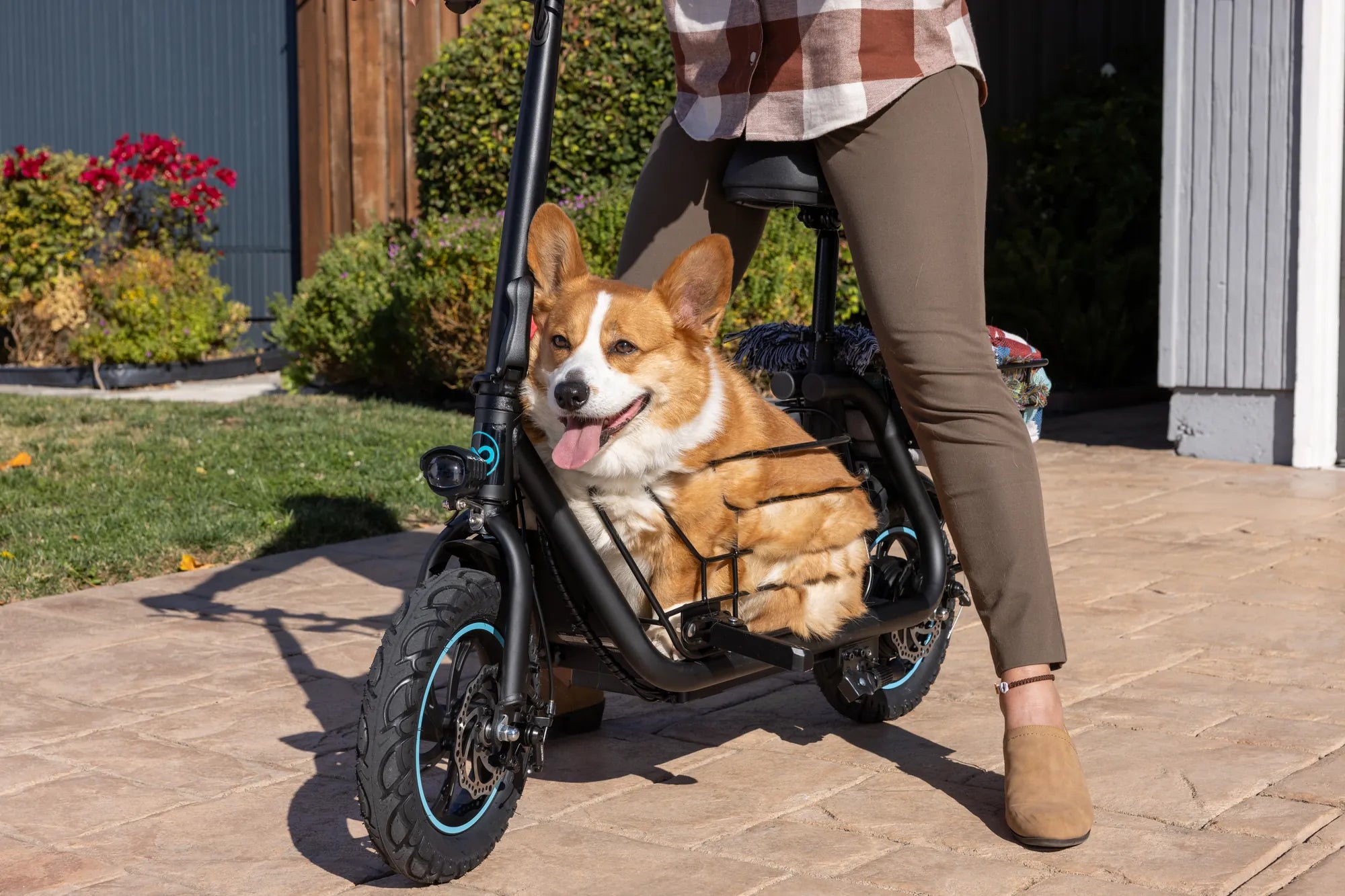
If you're wondering how much a mini dirt bike costs, the answer spans from a few hundred dollars for a basic toy to several thousand for a competition-ready machine. The final price is a direct reflection of power source, build quality, intended rider, and brand reputation. This guide will dissect every cost factor, provide clear price brackets for different needs, and reveal the often-overlooked expenses of ownership. You'll learn how to navigate the market confidently, prioritize safety, and maximize value, whether you're buying for a young beginner or a seasoned enthusiast.
Understanding the Core Price Factors
The sticker price of a mini dirt bike is a sum of its parts and pedigree. It's not just an engine on wheels; it's a combination of technology, materials, and engineering that dictates performance, safety, and longevity. Understanding these core factors is essential before exploring any price tags.
Power source is the primary differentiator. Gas-powered bikes, measured in cubic centimeters (cc), offer traditional power and longer run times but require more maintenance. Electric models, rated in volts (V) and watts (W), provide instant torque, quiet operation, and minimal upkeep. Each has a distinct cost structure that influences the initial investment and long-term spending.
Engine Type & Power: Gas vs. Electric
Gas mini bikes typically start with basic 50cc 2-stroke or 4-stroke engines. A simple 50cc model can be found at the lower end of the market, while performance-oriented 110cc or 125cc 4-stroke engines command significantly higher prices due to their complexity and power output. The cost isn't just in displacement; it's in the reliability of the carburetor, the quality of the exhaust, and the durability of internal components.
Electric dirt bikes use a motor, controller, and battery pack. Entry-level models often use 24V or 36V systems, while performance models run on 48V, 60V, or higher. The battery is the single most expensive component. A bike with a high-quality, UL-certified lithium-ion battery pack—like those used in Gyroor's electric mobility products for safety and longevity—will cost more upfront but offers greater range, faster charging, and better long-term reliability than models with uncertified batteries.
Bike Size & Rider Age/Weight Capacity
Size directly correlates with cost. Mini dirt bikes are categorized by wheel diameter and seat height. A 10-inch wheel bike for a 3-7 year old is a smaller, less expensive machine. A 14-inch or 16-inch wheel bike designed for teens or small adults requires a larger frame, more robust suspension, and a more powerful engine, pushing it into a higher price bracket.
Always match the bike to the rider's weight and height, not just age. A bike ridden at or beyond its weight capacity will strain the motor, suspension, and frame, leading to premature wear and potential safety issues. Manufacturers provide clear weight limits; adhering to them is crucial for both performance and value retention.
Build Quality & Brand Reputation
This is where price diverges most dramatically. Generic brands, often sold through third-party online marketplaces, cut costs on materials (using high-plastic content, thin steel), components (non-branded brakes, basic suspension), and critical safety features. Their lower price comes with risks: poor weld quality, unreliable electrical systems, and little to no customer support or warranty.
Established brands invest in engineering, quality control, and safety testing. For electric models, brands like Gyroor emphasize UL-certified batteries, IPX5 water-resistant designs, and reliable warranties. This reputation for safety and durability, trusted by over 100,000 riders, justifies a higher initial cost but provides peace of mind, easier access to replacement parts, and a bike built to last.
The Price Spectrum: From Toy to Serious Machine
To answer "how much does a mini dirt bike cost," we must look at specific price brackets. Each tier offers a different experience, build quality, and intended use. The following table provides a clear snapshot of what to expect across the market.
| Price Bracket | Typical Engine/Power | Best For | Build & Features | Long-Term Value |
|---|---|---|---|---|
| $100 - $500 | 24V-36V Electric / 50cc Gas (Basic) | Very young kids (4-8), flat pavement/grass | High plastic content, minimal suspension, short range/runtime, basic brakes. | Low. Often a disposable "first bike." Limited upgrade path. |
| $500 - $1,500 | 48V Electric / 50cc-110cc Gas (Reliable) | Beginners & teens (8-15), trail riding, learning | Steel frame, adjustable suspension, name-brand tires, disc brakes, better battery/engine. | High. The sweet spot for durability and fun. Reputable brands offer warranties. |
| $1,500 - $3,500+ | High-Perf. Electric / 125cc-250cc Gas | Teens, adults, competitive riding, motocross | Aluminum components, premium suspension (inverted forks), hydraulic brakes, race-grade components. | Specialized. For serious riders. Performance justifies cost. |
Entry-Level / Beginner Bikes ($100 - $500)
This bracket is dominated by small electric bikes and very basic gas-powered models. They are essentially motorized toys designed for light use by young children in controlled environments. An electric model in this range might have a 24V battery, a 30-minute run time, and a top speed of 10-12 mph.
Build quality is a significant compromise. Frames may use thin-gauge steel or composite plastics. Suspension is often rudimentary or non-existent, and braking systems are basic. These bikes serve as an introductory experience but lack the durability for frequent or rough use. They are not suitable for anything beyond flat, smooth terrain.
Mid-Range / Recreational Bikes ($500 - $1,500)
This is the most popular and recommended category for most families and beginners. Here, you find well-constructed machines that balance cost, performance, and safety. Electric models in this tier, such as those from Gyroor's higher-spec lineup, feature 48V systems, longer-lasting UL-certified batteries, and IPX5-rated water resistance for puddle confidence.
Gas bikes in this range are typically reliable 4-stroke 110cc models from recognizable manufacturers. Features include proper front and rear suspension, knobby tires for dirt, disc brakes, and steel frames designed to withstand jumps and trail use. This bracket offers the best long-term value, providing a bike a rider can grow with and enjoy for years.
High-Performance / Competition-Grade Bikes ($1,500 - $3,500+)
These are serious machines for skilled riders. Gas-powered models feature high-performance 4-stroke engines (125cc, 150cc, 250cc) with precise fuel injection, high-end exhaust systems, and fully adjustable inverted forks and rear shocks. They are built for motocross tracks and aggressive trail riding.
High-performance electric dirt bikes in this category compete directly with their gas counterparts. They boast powerful mid-drive motors, large-capacity battery packs for extended ride times, and premium components like hydraulic disc brakes and adjustable suspension. This investment is for riders committed to the sport who require professional-grade equipment.
Beyond the Sticker Price: The True Cost of Ownership
The purchase price is only the first expense. Responsible ownership requires budgeting for essential safety gear and ongoing maintenance. Ignoring these costs can lead to dangerous situations and a bike that fails prematurely.
Mandatory Safety Gear
This is non-negotiable. A proper helmet is the most critical investment. Expect to spend $80-$250 for a DOT-certified motocross helmet. Goggles ($20-$60), durable gloves ($25-$50), motocross boots ($100-$300), and protective body armor or a chest protector ($50-$150) are essential. For a new rider, a full safety kit can easily add $300-$700 to your total budget, but it is the best money you will spend.
Essential Maintenance & Running Costs
For gas bikes, factor in the cost of high-octane fuel, 2-stroke or 4-stroke oil, air filters, and spark plugs. Regular oil changes and air filter cleanings are vital for engine life. Annual maintenance costs can range from $100 to $300 for a recreational rider.
Electric bike maintenance is simpler but not free. The primary long-term cost is battery replacement. A quality lithium-ion battery lasts 3-5 years with proper care. Budgeting $200-$600 for a future replacement is prudent. All bikes require tire replacements, chain lubrication (or belt maintenance), and periodic brake pad changes.
Potential Upgrade & Repair Costs
As riders improve, they may seek upgrades. Common upgrades include better tires, performance exhaust systems (for gas), or tuning controllers (for electric). Setting aside a fund for unexpected repairs—like a bent rim, broken lever, or electrical fault—is wise, especially if purchasing a used bike or riding aggressively.
Smart Buying Tips: Maximizing Value and Safety
Armed with knowledge of costs, applying strategic buying principles ensures you get a safe, reliable bike that fits your needs without overspending.
New vs. Used: Pros, Cons, and Price Implications
Buying new from an authorized dealer or reputable brand website guarantees you get a bike with a full manufacturer's warranty, like Gyroor's 1-year comprehensive warranty. You also benefit from unblemished components and the latest safety features. The price is higher, but so is security.
The used market can offer savings of 30-50%. However, it requires diligence. Inspect the bike for frame damage, check engine compression (for gas), test the battery's health (for electric), and verify all controls work. Without a warranty, you assume all risk for hidden mechanical issues. This route is best for experienced riders who can assess a bike's condition.
Key Specs to Compare at Each Price Point
Don't just compare prices; compare specifications. Create a checklist:
- Electric: Voltage & Amp-hours (V/Ah) for power and range, motor wattage, battery certification (UL is gold standard), charger type, and water resistance rating (IPX5 is good for all-weather).
- Gas: Engine displacement (cc), 2-stroke vs. 4-stroke, carbureted vs. fuel-injected.
- All: Suspension type (coil spring vs. hydraulic), brake type (disc vs. drum), weight limit, tire quality, and most importantly, warranty length and coverage.
Where to Buy Reliably
Avoid anonymous sellers on general marketplaces. Purchase from:
- Brand official websites (e.g., gyroorboard.com).
- Authorized dealerships or specialty powersports stores.
- Reputable online retailers with clear return policies and customer service.
Frequently Asked Questions (FAQ)
Q1: Is a gas or electric mini dirt bike cheaper in the long run?
Electric bikes generally have lower long-term running costs. They require no gas, oil changes, or air filter replacements. "Fuel" costs are just electricity for charging, which is minimal. However, the battery will need replacement after several years, a significant cost. Gas bikes have higher ongoing fuel and maintenance costs but don't have a single costly component like a battery to replace. For pure low-cost operation, electric wins; for maximum ride time between refuels and traditional feel, gas persists.
Q2: What is the typical cost for a good-quality mini dirt bike for a 10-year-old?
For a durable, safe, and appropriately powered bike for a 10-year-old, plan to invest in the mid-range bracket. A realistic budget is $800 to $1,500. This will get you a reliable 48V electric bike or a 110cc gas bike with proper suspension, disc brakes, and a robust frame from a known brand. This investment ensures the bike can handle trail use, supports the rider's growth, and comes with a warranty for peace of mind.
Q3: Are cheap mini dirt bikes from online marketplaces safe?
There is a significant safety risk with ultra-cheap, no-name brands. They often lack critical safety certifications, use inferior wiring and connectors (a fire hazard), have poorly manufactured braking systems, and feature weak frames and suspension. The lack of quality control can lead to catastrophic failures. It is strongly advised to avoid these bikes. Prioritize models with clear safety standards, such as UL certification for batteries and adherence to vehicle component regulations.
Q4: Does the price include assembly and any tools?
Most mini dirt bikes are shipped partially assembled to reduce size. Assembly typically involves attaching the front wheel, handlebars, and sometimes the seat or pegs. The price rarely includes professional assembly. Some local dealers may offer assembly for a fee. Most bikes come with the necessary basic tools (wrenches, Allen keys), but having your own set of quality tools is recommended for adjustments and future maintenance.
Q5: How much should I budget for annual maintenance?
For a gas-powered bike used recreationally, budget $150-$300 per year for oil, filters, spark plugs, and general wear items like brake pads. For an electric bike, annual costs are lower, around $50-$100 for general upkeep (tire pressure, brake checks, bolt tightening), but you should set aside $30-$50 monthly in a "battery replacement fund" for the eventual cost. All bikes benefit from an annual professional inspection, which may cost $75-$150.
Conclusion: Investing in Fun and Safety
Determining how much a mini dirt bike costs is about aligning your budget with the rider's age, skill level, and intended use. While entry-level options exist, the true value lies in the mid-range market, where safety, durability, and performance converge. Remember that the bike's price is just the beginning; factoring in essential safety gear and routine maintenance is crucial for a responsible and enjoyable riding experience. By choosing a reputable brand known for quality and support—like Gyroor for electric models with their UL-certified safety focus—you invest in lasting fun and security. Ready to explore models that prioritize performance and peace of mind? Browse the full Gyroor collection at gyroorboard.com.
E-Bike for 14 Year Old: The Ultimate Safety & Buying Guide
What Is a Speed Bike? The Ultimate Guide to High-Velocity E-Bikes