


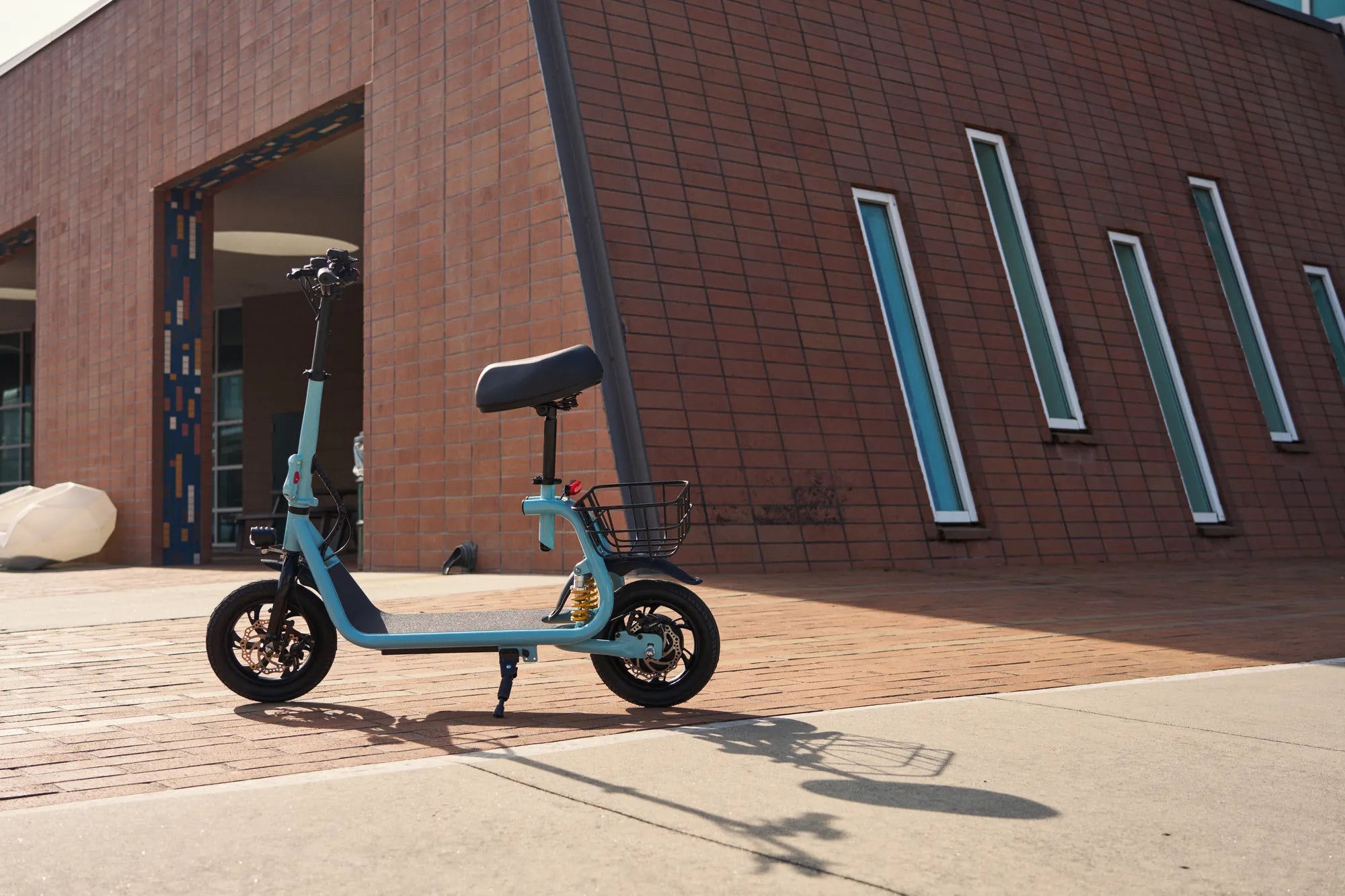
Electric bikes are revolutionizing urban transportation, offering an eco-friendly and cost-effective alternative to cars and public transit. But how much electricity do they actually consume? Whether you're a daily commuter or a weekend rider, understanding electric bike electricity consumption can help you save money and reduce your environmental footprint. Let's dive into the details.
How Electric Bikes Use Electricity
Electric bikes rely on rechargeable batteries to power their motors, which assist the rider's pedaling effort. The amount of electricity consumed depends on several factors, including battery capacity, motor efficiency, riding style, and terrain. Unlike cars, e-bikes are highly energy-efficient, often requiring only a fraction of the power needed for traditional vehicles.
Factors Affecting Electric Bike Electricity Consumption
Several key elements influence how much electricity an e-bike uses:
- Battery Capacity: Measured in watt-hours (Wh), higher-capacity batteries store more energy but may take longer to charge.
- Motor Efficiency: Modern motors convert electrical energy into motion with minimal waste.
- Riding Conditions: Hills, headwinds, and stop-and-go traffic increase energy consumption.
- Assist Level: Higher pedal assist modes drain the battery faster.
- Rider Weight and Cargo: Heavier loads require more power to move.
Calculating Electric Bike Electricity Costs
To estimate the cost of charging an e-bike, consider the battery's watt-hour rating and your local electricity rate. For example, a typical 500Wh battery charged at $0.15 per kWh would cost about $0.075 per full charge. Compared to gasoline or public transit fares, this is an incredibly economical way to travel.
Tips to Reduce Electric Bike Electricity Consumption
Maximize your e-bike's efficiency with these simple strategies:
- Use lower assist levels when possible.
- Maintain proper tire pressure for reduced rolling resistance.
- Avoid excessive acceleration and braking.
- Plan routes with fewer hills and stops.
- Keep your battery in good condition by avoiding extreme temperatures.
Environmental Impact of Electric Bike Electricity Use
Even when charged from the grid, e-bikes have a significantly lower carbon footprint than cars. In regions with renewable energy sources, their environmental impact is even smaller. By choosing an e-bike over a car for short trips, you're contributing to cleaner air and reduced greenhouse gas emissions.
Ready to experience the efficiency of electric biking? With minimal electricity consumption and maximum benefits, e-bikes offer a smart solution for modern transportation. Start pedaling toward a greener, more economical commute today!
Electric Scooter kWh per km: Understanding Efficiency and Range
80 CV Electric Bike: The Future of High-Powered E-Biking