



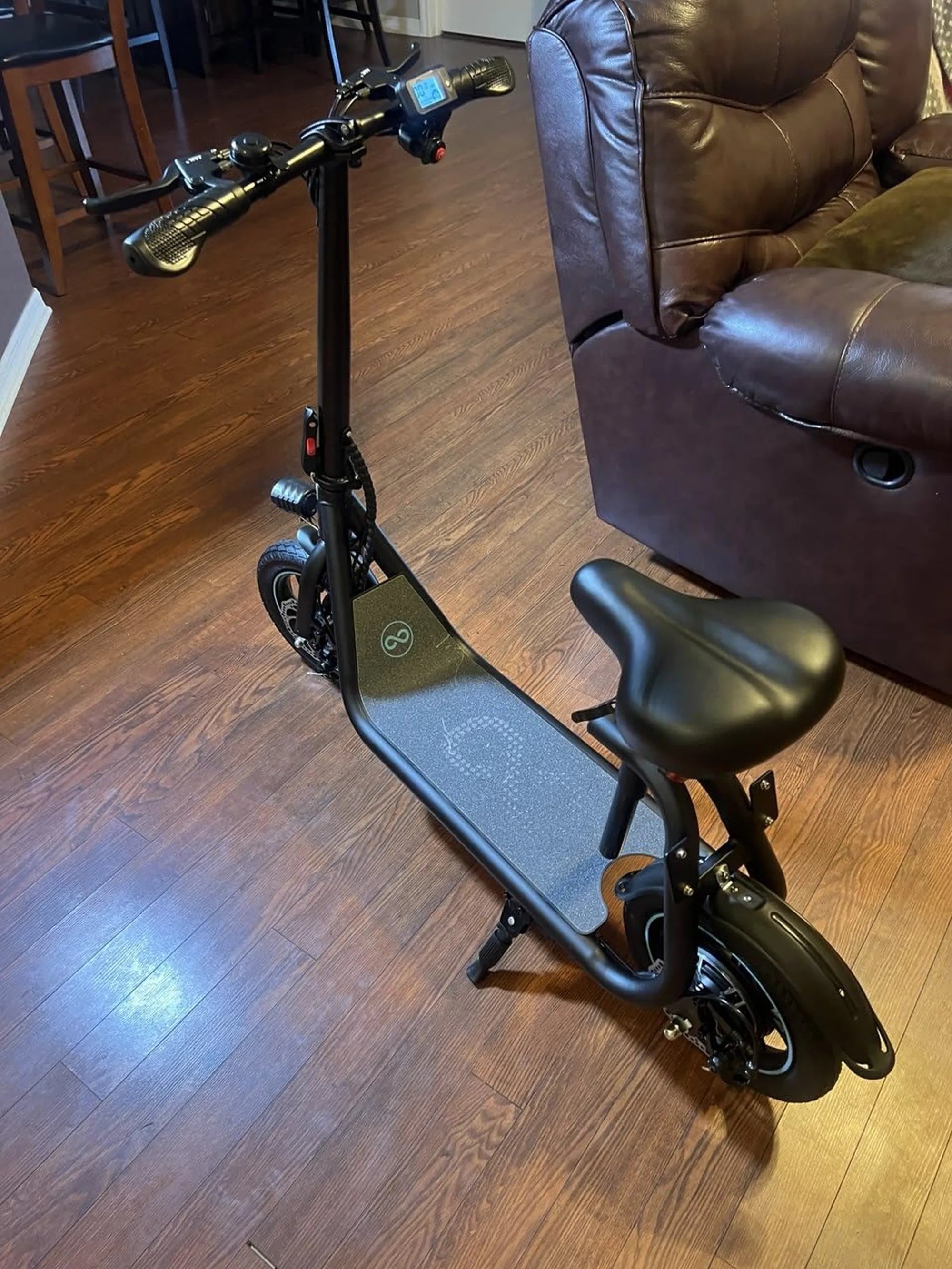
Introduction: The Rise of the Electric Kick Scooter
Urban transportation is undergoing a quiet revolution. As city streets grow more congested and the climate crisis intensifies, a nimble, efficient, and clean alternative is rapidly gaining ground. Electric kick scooters have evolved from recreational toys into serious mobility solutions, offering a compelling answer to the 'first and last mile' problem that plagues public transit systems worldwide. This shift represents a fundamental rethinking of how we navigate dense urban environments.
The data is compelling. MarketsandMarkets research projects the global e-scooter market to grow from $20.78 billion in 2023 to over $50 billion by 2030, driven by urbanization and sustainability goals. Cities from Paris to Portland are integrating shared and private e-scooter fleets into their official transportation networks. This isn't a passing trend; it's a structural change in urban mobility patterns, with electric kick scooters positioned at its core.
Leading this charge are brands committed to safety, reliability, and performance. Gyroor, a leading electric scooter and e-bike brand trusted by over 100,000 riders across North America and Europe, exemplifies this ethos with its focus on UL-certified batteries and robust, water-resistant designs. This article will dissect why electric kick scooters are becoming the future of urban mobility, examining their advantages, technology, and the practical knowledge needed to ride safely and choose wisely.
The Core Advantages: Why E-Scooters Are Winning Cities
Electric kick scooters succeed because they solve multiple urban pain points simultaneously. They are not merely a novel gadget but a pragmatic tool for daily life. Their adoption is fueled by tangible benefits in convenience, economics, and environmental impact, creating a value proposition that resonates with commuters, students, and urban explorers alike.
Compared to a car, the space efficiency is staggering. A single parking spot can hold 10-20 parked e-scooters. For the rider, this translates to door-to-door travel without the hunt for parking, which studies show can constitute up to 30% of downtown traffic congestion. The time savings, especially for trips under 5 miles, are often superior to both cars and buses in peak hours.
Unbeatable Convenience and First/Last-Mile Solution
The 'first/last-mile' gap—the distance between a transit stop and one's origin or destination—is the Achilles' heel of public transportation. Electric kick scooters bridge this gap perfectly. A commuter can walk to a train, take the train across town, and then unfold a scooter for a quick, effortless 1-mile ride to the office. This multi-modal commute becomes seamless.
Modern scooters prioritize portability. Folding mechanisms allow them to be carried onto buses, trains, or into workplaces and apartments. This eliminates the security and parking concerns associated with bicycles. The ease of use is also a major factor; with a minimal learning curve, they are accessible to a wide demographic, making efficient urban travel more inclusive.
Cost Savings and Low Maintenance
The economic argument for electric kick scooters is powerful. The following table breaks down a comparative cost analysis over one year for a 5-mile daily commute:
| Expense Category | Personal Car | Public Transit (Monthly Pass) | Electric Kick Scooter |
|---|---|---|---|
| Initial Purchase / Down Payment | $3,000+ | $0 | $400 - $1,200 |
| Monthly Fuel / Fare | $100 - $200 | $60 - $120 | $3 - $5 (electricity) |
| Insurance & Registration | $100 - $300 | $0 | $0 |
| Parking Fees | $50 - $300 | $0 | $0 |
| Annual Maintenance | $500 - $1,000 | $0 | $50 - $100 (tires, brakes) |
| Estimated Annual Total | $7,000+ | $720 - $1,440 | $550 - $1,500* |
*Includes purchase amortized over 3 years. Scooter costs can be recouped within months compared to car ownership. Maintenance is minimal: occasional tire inflation, brake pad replacements, and keeping the battery charged.
A Cleaner Commute: Reducing Your Carbon Footprint
Transportation is the largest source of greenhouse gas emissions in many developed nations. Electric kick scooters offer a path to drastic reduction. They produce zero direct tailpipe emissions. When charged on an average U.S. electrical grid, their lifecycle emissions are a fraction of those from a car.
A 2021 study by the European Environment Agency found that shared e-scooters, when replacing car trips, can reduce lifecycle emissions by about 70% per passenger kilometer. For privately-owned scooters used for years, the impact is even better. Their energy efficiency is exceptional, traveling over 1,000 miles on the energy equivalent of one gallon of gasoline. This aligns perfectly with municipal goals for cleaner air and reduced traffic noise, making cities more livable.
Technology and Safety: What Makes a Modern E-Scooter
Today's electric kick scooters are sophisticated electric vehicles. Understanding their core technology is key to evaluating quality, performance, and, most importantly, safety. Discerning brands like Gyroor invest in certified components and durable designs that ensure reliability beyond the first ride.
The market has moved beyond basic specs. It's about integrated systems—how the motor controller manages power delivery, how the battery management system (BMS) protects against overcharge, and how the frame geometry ensures stability. These elements separate durable commuter tools from disposable gadgets.
Power, Range, and Battery Safety
Motor power, typically ranging from 250W to 1000W, determines acceleration and hill-climbing ability. For most urban commutes with moderate hills, a 350W-500W motor is sufficient. Battery capacity, measured in Watt-hours (Wh), is the fuel tank. A 360Wh battery, for example, will generally provide a longer range than a 250Wh battery under similar conditions.
Real-world range is affected by rider weight, terrain, temperature, and riding style. Manufacturers' 'maximum' ranges are best-case scenarios; a practical estimate is 60-70% of that figure. The most critical safety component is the battery pack. Gyroor's use of UL-certified lithium-ion battery packs, tested for 500+ charge cycles, is a non-negotiable safety standard. These certifications ensure the cells have passed rigorous tests for overheating, short-circuiting, and durability, providing essential peace of mind.
Built for the Real World: Durability and Ratings
The urban environment is tough. Potholes, curbs, and weather demand a robust build. Aircraft-grade aluminum alloy frames provide the ideal balance of strength and light weight. The IP rating (Ingress Protection) indicates resilience against dust and water. An IPX5 rating, a key feature across Gyroor's lineup, means the scooter can withstand water jets from any direction, making it safe to ride through puddles and in light rain.
This durability extends to components like the folding mechanism, which should have a solid, locking feel with no wobble, and the deck, which should have a grippy, anti-slip surface. A well-built scooter is an investment that lasts for years, not months.
Essential Safety Features: Brakes, Lights, and Stability
Active safety features are paramount. A dual braking system—combining an electronic (regenerative) brake and a mechanical (disc or drum) brake—provides reliable stopping power in all conditions. Regenerative braking also recaptures some energy to extend range.
Lighting is not an accessory; it's a necessity. A bright front headlight (200 lumens or more), a rear brake light, and integrated reflectors are essential for being seen at dawn, dusk, or night. Finally, stability comes from wheel size (8.5-10 inch pneumatic or airless tires absorb bumps better than smaller solid tires) and a wide, stable deck. These features collectively create a safe and confident riding experience.
Navigating the Urban Landscape: Practical Riding Insights
Owning a capable scooter is only half the equation. Riding intelligently and legally within the urban ecosystem is the other. Success hinges on understanding the rules, practicing courteous coexistence, and planning efficient routes.
Riding an electric kick scooter places you in a relatively new category of road user. Navigating this space responsibly ensures your safety, promotes positive perceptions of micro-mobility, and helps avoid fines or conflicts.
Understanding Local Laws and Regulations
E-scooter laws vary dramatically by city, state, and country. There is no universal rule. Common regulations include designated riding areas (often bike lanes or roads with speed limits under 25-35 mph, but never on sidewalks in busy areas), speed limits (sometimes capped at 15-20 mph), helmet requirements (often for riders under 18, but always recommended), and minimum age limits (typically 16+).
It is the rider's absolute responsibility to research and comply with local laws before riding. City transportation department websites are the most reliable source. Ignorance of the law is not a valid defense and can jeopardize the broader acceptance of this mobility solution.
Riding Etiquette and Sharing the Path
Good etiquette builds community trust. In bike lanes, ride predictably and at a controlled speed, especially when passing pedestrians or cyclists—use a bell or a polite verbal warning. Always yield to pedestrians, whether on a shared path or when crossing a sidewalk to park.
When parking, never block sidewalks, ramps, building entrances, or access points. Use designated scooter parking or a bike rack if available. The goal is to be an invisible, unobtrusive part of the city flow. Signal your intentions clearly with hand signals for turns and stops, just as a cyclist would.
Planning Your Efficient E-Scooter Commute
A great commute is a planned one. Use cycling maps (Google Maps has a 'biking' layer) to identify bike lanes and low-traffic streets. Avoid major arterial roads with high-speed traffic. Consider the terrain; a route with a steep, long hill might drain your battery quickly on the way out.
Factor in weather. While an IPX5-rated scooter can handle wet ground, reduce speed on slick surfaces, avoid painted road markings and metal plates, and allow for longer braking distances. Plan for your destination: is there secure storage or a place to fold and carry your scooter inside? A little forethought turns a good ride into a great daily habit.
Choosing Your Ride: Key Considerations Before You Buy
The market is flooded with options. Making an informed choice requires matching specifications to your specific needs, not just buying the most powerful or cheapest model. This decision framework focuses on use-case, support, and long-term value.
Start by defining your primary use: Is it a short, flat commute under 3 miles? A hilly 5-mile trip? Recreational use on weekends? Your answers will dictate the necessary motor power, battery size, and tire type. Weight and portability are also crucial if you need to carry it upstairs or onto transit.
Matching Specs to Your Needs: Commuter vs. Enthusiast
For the typical urban commuter, key priorities are reliability, weight, and sufficient range. A scooter with a 350W-500W motor, a 7.5-10Ah battery (for 10-15 mile real-world range), air-filled tires for comfort, and a folding design is ideal. An IPX5 water-resistance rating is highly recommended for all-weather readiness.
For enthusiasts or those with longer, hillier commutes, look for more power (500W+), a larger battery (10Ah+ for 20+ mile range), suspension (spring or hydraulic) for uneven terrain, and wider, pneumatic tires. These features enhance performance and comfort but also add weight and cost. Always prioritize models with recognized safety certifications for the battery and electrical systems.
The Importance of Warranty and Support
The warranty is a reflection of the manufacturer's confidence in their product. A comprehensive 1-year warranty covering the motor, battery, controller, and frame, like that offered by Gyroor, provides significant peace of mind. It protects against manufacturing defects that could arise from daily use.
Equally important is accessible customer support. Can you easily reach a human or a knowledgeable agent for troubleshooting? Are repair guides or replacement parts available? A brand that stands behind its products with strong support ensures your investment is protected for the long haul, transforming a purchase into a reliable partnership for your daily mobility.
Maintenance and Care: Ensuring Longevity and Performance
Regular, simple maintenance is the key to extending the life and performance of your electric kick scooter. Unlike a car, it requires minimal time and expense, but consistent attention prevents minor issues from becoming major problems. A well-maintained scooter is also a safer scooter.
Establish a basic pre-ride checklist. This takes 30 seconds and should include checking tire pressure, testing brake function (lever firmness and stopping power), ensuring lights are working, and verifying that the folding mechanism is securely locked. This habit catches issues before you're on the road.
Battery Care Best Practices
The battery is the heart of your scooter. To maximize its lifespan, avoid regularly draining it to 0%. Try to recharge when it reaches 20-30% capacity. Similarly, avoid leaving it constantly plugged in at 100% for extended periods (days or weeks). If storing the scooter for a month or more, store it with a charge between 50-70% in a cool, dry place.
Use only the manufacturer-provided charger. Third-party chargers may not have the correct voltage or safety cut-offs, potentially damaging the battery or creating a fire hazard. Never charge a battery that is physically damaged or has been exposed to extreme moisture.
Mechanical Upkeep: Tires, Brakes, and Bolts
Check tire pressure weekly with a bicycle pump; under-inflated tires reduce range and increase wear, while over-inflation makes the ride harsh and increases puncture risk. Inspect tires for embedded debris or excessive wear. For pneumatic tires, carrying a small puncture repair kit is wise.
Listen to your brakes. Squealing or grinding may indicate worn brake pads, which are inexpensive and easy to replace. Periodically check that all critical bolts (on the stem, handlebars, and folding joints) are tight, as vibrations from riding can loosen them over time. A quick monthly check with the provided hex keys can prevent dangerous failures.
FAQ: Your Electric Scooter Questions Answered
Q1: How far can an electric kick scooter really go on a single charge?
Real-world range depends on many factors. A scooter advertised for 25 miles might achieve 15-18 miles with a 180 lb rider on a route with hills and frequent stops. For a reliable commute, choose a model whose advertised range is at least 50% more than your daily round-trip distance.
Q2: Are electric scooters safe to use in the rain?
Scooters with a high IPX5 water-resistance rating, like those from Gyroor, are designed to withstand rain and wet roads. However, safety depends on rider behavior. Reduce speed, avoid sharp turns and hard braking on slick surfaces, and never ride through deep standing water which could submerge critical electronics.
Q3: Do I need a license or insurance to ride one?
In most jurisdictions in the U.S. and Europe, a driver's license is not required for electric kick scooters with top speeds under 20-28 mph (classifications vary). Insurance is typically not mandatory for private use, but it's worth checking your homeowner's or renter's policy for coverage. Always verify your specific local regulations.
Q4: How much maintenance do they require?
Maintenance is minimal but important. Weekly tire pressure checks, monthly bolt tightening, and brake pad inspection/replacement every 500-1000 miles (depending on use) are the main tasks. Compared to a car or even a bicycle with complex gears, e-scooters are remarkably low-maintenance.
Q5: What's the average lifespan of a quality e-scooter?
A well-built scooter from a reputable brand, with proper care, can last 3-5 years or more. The battery is often the first component to degrade, typically retaining 70-80% of its original capacity after 500 full charge cycles (about 2-3 years of daily use). A durable frame and quality components can last much longer.
Conclusion: Embracing a Smarter, Greener Way to Move
The evidence is overwhelming. Electric kick scooters offer a viable, efficient, and sustainable answer to the complex challenges of urban mobility. They reduce congestion, lower transportation costs for individuals, and contribute to cleaner air and quieter streets for communities. Their integration into the urban fabric is not a question of if, but how quickly.
This future, however, is built on a foundation of safety, quality, and responsible riding. Choosing a scooter with certified safety features, understanding and obeying local laws, and practicing courteous riding etiquette are essential steps for every rider. It is through this responsible adoption that electric kick scooters will fully realize their potential as the future of urban mobility.
For those ready to join this movement, the journey begins with selecting a reliable partner. Brands like Gyroor, with their commitment to UL-certified batteries, IPX5 water-resistant designs, and comprehensive customer support, provide the technological assurance needed for daily commuting. The path to a smarter commute is clear, efficient, and electrified.
Ready to transform your urban commute? Browse the full Gyroor collection of UL-certified, high-performance electric kick scooters and e-bikes at gyroorboard.com and find the perfect ride for your city life.
Can Electric Scooters Be in the Rain? What Riders Must Know
Electric Scooters 40 mph: The Future of Fast and Efficient Urban Commuting