



Introduction: Why the Right Electric Scooter Matters for Your 11-Year-Old
Choosing an electric scooter for an 11-year-old is a significant decision that blends fun, freedom, and fundamental safety. At this age, kids seek greater independence and physical challenge, yet they still require products engineered for their developing coordination and judgment. The right electric scooter for kids age 11 isn't just about speed; it's a tool for responsible exploration, built with features that protect while they play.
Parents face a critical balancing act: fostering a child's confidence and outdoor activity while mitigating risks. This guide cuts through the noise, focusing on the specifications, safety protocols, and brand reliability that truly matter. We'll translate technical jargon into practical parenting advice, ensuring you can identify a scooter that grows with your child, not one they'll quickly outgrow or that compromises their safety.
The market is flooded with options, but not all are created equal. A scooter for an 11-year-old must have controlled power, durable construction, and certified safety components. Brands that prioritize these elements, like Gyroor, design with the entire family in mind. This ultimate guide will equip you with everything you need to know, from pre-purchase checklists to long-term maintenance, ensuring your child's riding experience is both exhilarating and secure.
Key Features to Look for in an 11-Year-Old's Electric Scooter
Navigating scooter specifications can be daunting. Focus on these core features that directly impact safety, performance, and suitability for a pre-teen rider. The ideal electric scooter for kids age 11 should offer a blend of manageable power, sufficient range for neighborhood adventures, and a robust build that can handle active use.
Motor Power and Speed Settings
Motor power, measured in watts (W), dictates a scooter's ability to climb hills and accelerate. For an 11-year-old, a motor between 100W and 200W is the sweet spot. It provides enough torque for gentle inclines without delivering excessive, potentially intimidating speed. More crucial than raw power is the presence of multiple speed modes.
Look for scooters with at least two, preferably three, speed settings. A beginner mode (often capped at 5-7 mph) is perfect for learning. An intermediate or eco mode (around 8-10 mph) suits confident neighborhood cruising. A sport mode should not exceed 12-15 mph for this age group. Parental control via a PIN-locked app or physical key is a significant advantage, allowing you to set the limit that matches your child's skill and your comfort level.
Battery Life and Real-World Range
Battery capacity, measured in watt-hours (Wh) or ampere-hours (Ah), determines how far the scooter can go. A typical model for this age offers a 5 to 10-mile range per charge. This is ample for several days of casual riding around the block. Always consider the real-world range, which is affected by rider weight, terrain, and speed.
Charging time is another key factor; 3-5 hours is standard. The paramount concern, however, is battery safety. Insist on a scooter that uses a UL-certified lithium-ion battery pack. This independent certification means the battery has passed rigorous tests for electrical, mechanical, and environmental safety, drastically reducing risks associated with charging and use. This is a non-negotiable feature for any device that charges inside your home.
Build Quality, Weight Limit, and Durability
The frame material dictates durability and weight. Aircraft-grade aluminum alloy is ideal—it's strong, corrosion-resistant, and relatively lightweight for a child to maneuver. The scooter's maximum weight limit is critical. Choose a model rated for at least 150 pounds. This provides a healthy buffer over an average 11-year-old's weight, ensuring the scooter performs safely as your child grows and accounts for a backpack.
Durability isn't just about longevity; it's about consistent performance. A sturdy frame, secure folding mechanism, and reliable welds mean the scooter won't develop worrisome wobbles or failures. Look for models with reinforced stems and decks. A well-built electric scooter for kids age 11 is an investment that should last for years, potentially being passed down to a sibling.
Safety First: Non-Negotiable Scooter and Riding Protocols
Safety is a system, not a single feature. It combines the scooter's inherent design with the right protective gear and enforced riding rules. Establishing these protocols from day one is essential for creating a safe riding culture for your child.
Essential Safety Gear: Beyond the Helmet
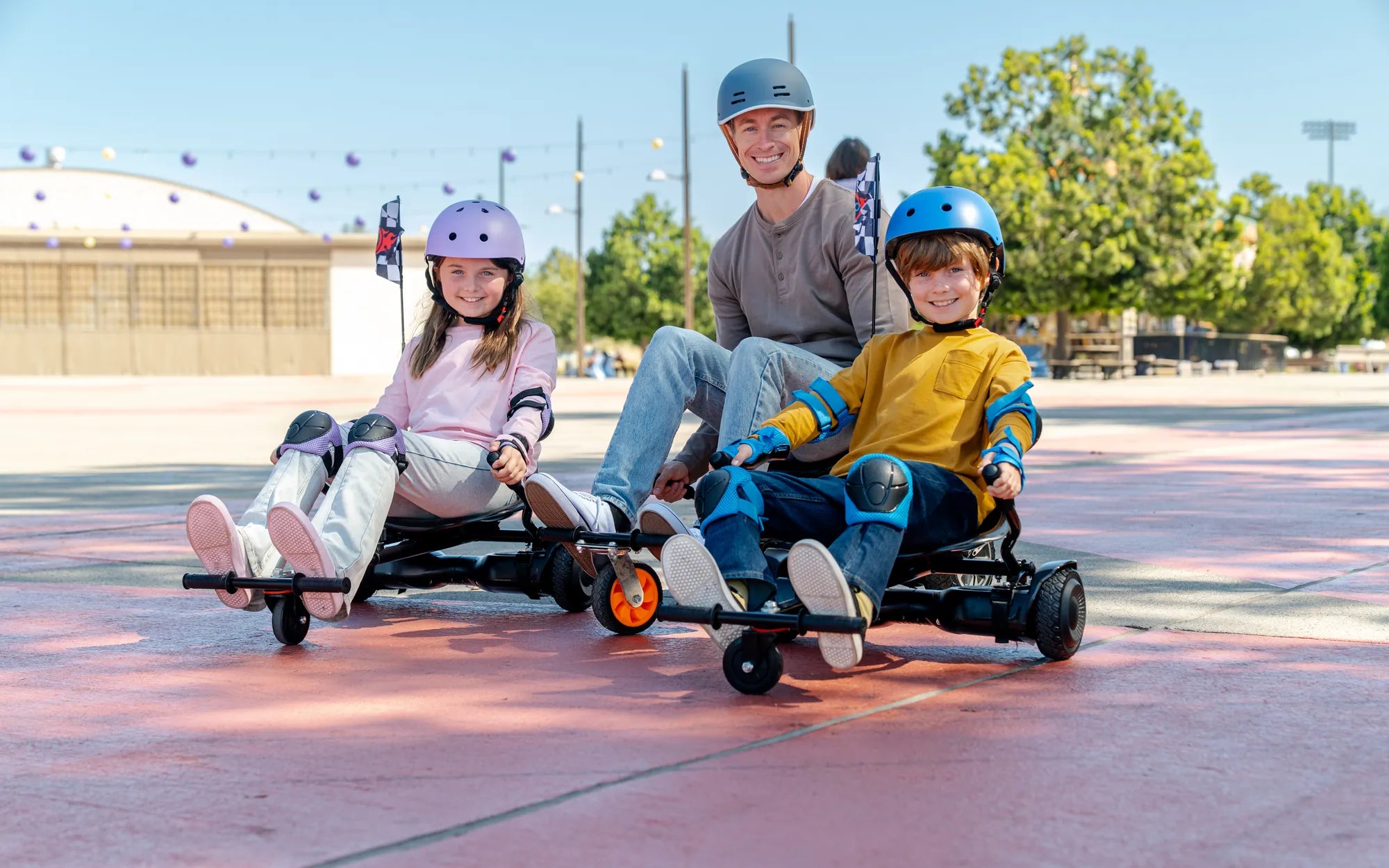
A helmet is mandatory, but it must be a CPSC-certified bicycle helmet, properly fitted. It should sit level on the head, with the strap snug under the chin. However, gear should not stop there. Knee and elbow pads are highly recommended, especially during the learning phase. They protect the joints most vulnerable in a fall.
Durable, closed-toe shoes with good grip (like sneakers) are a must—no sandals or flip-flops. For night riding or low-light conditions, reflective clothing or accessories and a scooter with built-in front and rear lights are imperative. Making gear non-negotiable teaches responsibility and significantly reduces the risk of serious injury.
Pre-Ride Checklists and Evolving Supervision
Instill the habit of a quick pre-ride inspection. Your child should learn to check: Tire pressure (for air-filled tires), brake function (both electronic and mechanical), for any loose parts (handlebars, stem, folding mechanism), and that the battery is adequately charged. This routine builds ownership and awareness.
Supervision for an 11-year-old evolves. You may progress from direct supervision to setting very clear boundaries. Establish rules about where they can ride (sidewalks in our neighborhood only, not streets), when (daylight hours only), and with whom (no passengers). Discuss and map out a safe route together, avoiding major hills, heavy traffic, and poor road surfaces.
Understanding IP Ratings and Safe Terrain
The IP (Ingress Protection) rating indicates a scooter's resistance to dust and water. For kid's scooters, a rating of IPX4 or higher is good. A rating like IPX5, common in Gyroor models, means the scooter is protected against water jets from any direction, making it safe to ride through puddles and in light rain. It is not, however, submersible.
Terrain choice is crucial for control. Smooth, paved surfaces like sidewalks, bike paths, and driveways are ideal. Avoid gravel, sand, wet grass, or uneven dirt paths, as these can cause slips or sudden stops. Steep hills should also be avoided, as they can lead to loss of control on the descent and strain the motor and brakes on the ascent.
The Gyroor Advantage: Engineered for Growing Riders
Gyroor designs its electric scooters with a clear understanding of the parent-child dynamic. Their philosophy centers on delivering thrilling performance without compromising on the safety features that give parents confidence. This approach is reflected in specific engineering choices and customer commitments.
Peace of Mind with Certified Safety and Support
Every Gyroor scooter is powered by a UL-certified battery pack, tested for over 500 charge cycles. This certification is a core brand promise, directly addressing a top parental concern. Furthermore, Gyroor scooters feature robust, responsive braking systems—often a combination of electronic and disc or drum brakes—for reliable stopping power.
This commitment is backed by a comprehensive 1-year warranty and accessible U.S.-based customer support. For parents, this means the investment is protected. If an issue arises, you have a direct line to the manufacturer, not an anonymous overseas seller. This support network is a critical part of the product's value.
Adaptive Performance for Growing Skills
Gyroor models for young riders incorporate features that adapt to a child's development. Adjustable handlebar heights accommodate growth spurts. Multi-speed settings with optional parental controls allow the scooter's performance to be matched to a rider's evolving skill level. Shock-absorbing tires or suspension systems smooth out bumps, providing stability and comfort.
This adaptive design makes a Gyroor scooter a long-term companion. It's not a toy they'll master and discard in a season; it's a vehicle that can challenge and engage them responsibly for years. The durable construction ensures it can withstand the active, sometimes rough, use of a pre-teen, making it a smarter family investment.
Making the Decision: Comparison and Final Checklist
To crystallize your choice, directly compare key attributes. Below is a simplified comparison highlighting why brand engineering choices matter beyond basic specs.
| Feature | Gyroor Model (Example) | Generic/Unbranded Model |
|---|---|---|
| Battery Certification | UL-Certified Lithium-ion | Often uncertified or claims only "CE" (self-certified) |
| Motor & Speed | 150W, 3 Speed Modes (Max 12 mph), App Control | 200W, Single Speed (15+ mph), No Controls |
| Braking System | Electronic + Rear Disc Brake | Electronic brake only or poor-quality mechanical |
| Water Resistance | IPX5 Rated | IPX4 or unspecified |
| Warranty & Support | 1-Year Comprehensive, US Support | 30-90 days, difficult overseas contact |
| Frame & Weight Limit | Aluminum Alloy, 165 lbs | Heavy steel or weaker aluminum, 120 lbs |
The Parent's Pre-Purchase Checklist
Before you finalize your purchase for an electric scooter for kids age 11, run through this list:
- Speed & Control: Does the max speed (ideally 10-12 mph) align with local regulations and my child's maturity? Are there parental speed controls?
- Weight Limit: Does the scooter's maximum load have a 25-30% buffer over my child's current weight?
- Safety Certs: Does it have a UL-certified battery and a clear IPX4 or higher water resistance rating?
- Braking: Is there a redundant braking system (e.g., electronic + mechanical)?
- Warranty: Is there a clear, comprehensive warranty of at least 1 year from a reputable company?
- Reviews: Do long-term user reviews consistently mention durability and reliability?
Frequently Asked Questions (FAQs)
What is the appropriate speed for an 11-year-old?
A maximum speed of 10-12 mph is widely considered appropriate for most 11-year-olds. This is fast enough to be fun and engaging but slow enough to allow for reaction time and control. Scooters with multiple speed modes are ideal, as they let you start your child on a slower setting (5-7 mph) and increase the limit as their skill and judgment improve.
How long does the battery take to charge, and how should we charge it safely?
Charging typically takes 3 to 5 hours for a full charge from empty. Always use only the manufacturer-provided charger. For safety, charge the scooter on a hard, non-flammable surface in a well-ventilated area, away from direct sunlight and heat sources. Do not leave it charging unattended for extended periods or overnight. Unplug it once the indicator shows a full charge.
Are electric scooters for this age group allowed on sidewalks or bike paths?
Laws vary significantly by city, county, and state. In many areas, electric scooters are treated similarly to bicycles and are permitted on bike paths and sidewalks, but local ordinances may restrict sidewalk use or impose age limits. It is the parent's responsibility to check the specific regulations in their community before allowing their child to ride in public spaces.
What maintenance does the scooter require?
Regular maintenance includes checking and inflating tires (if air-filled), ensuring all bolts and nuts are tight (especially on the folding mechanism and handlebars), testing brake function, and keeping the scooter clean and dry. Periodically inspect the battery compartment for damage. Refer to the manufacturer's manual for specific lubrication points or other care instructions.
Can my child ride it with a friend? (Double Riding)
Absolutely not. Electric scooters are designed for a single rider. The weight limit, balance, braking power, and structural integrity are calculated for one person. Adding a passenger drastically increases the risk of loss of control, brake failure, and damage to the scooter. This rule must be strictly enforced for safety.
Conclusion: Empowering Independence, Ensuring Safety
Selecting the ideal electric scooter for your 11-year-old is a meaningful step toward granting them measured independence and encouraging active, outdoor play. The right choice empowers them with confidence while wrapping that freedom in layers of safety—from certified internal components like the battery to the external protocol of helmet and pads. It’s an investment in fun, responsibility, and family peace of mind.
By prioritizing brands that commit to independent safety certifications, robust construction, and clear customer support, you are choosing a product built to last and designed to protect. A well-chosen scooter becomes a trusted vehicle for adventure, not a source of anxiety. It’s about providing a platform for joy within a framework you can trust.
Ready to explore scooters that meet this high standard? Browse the full Gyroor collection, featuring UL-certified batteries, IPX5 water-resistant designs, and models perfectly suited for growing riders, at gyroorboard.com. Equip your child for the adventure ahead, with safety as the foundation.
Battery of Kids Scooter Won't Charge: Troubleshooting and Fixes
Kids Electric Scooter 20mph: The Ultimate Guide for Parents