



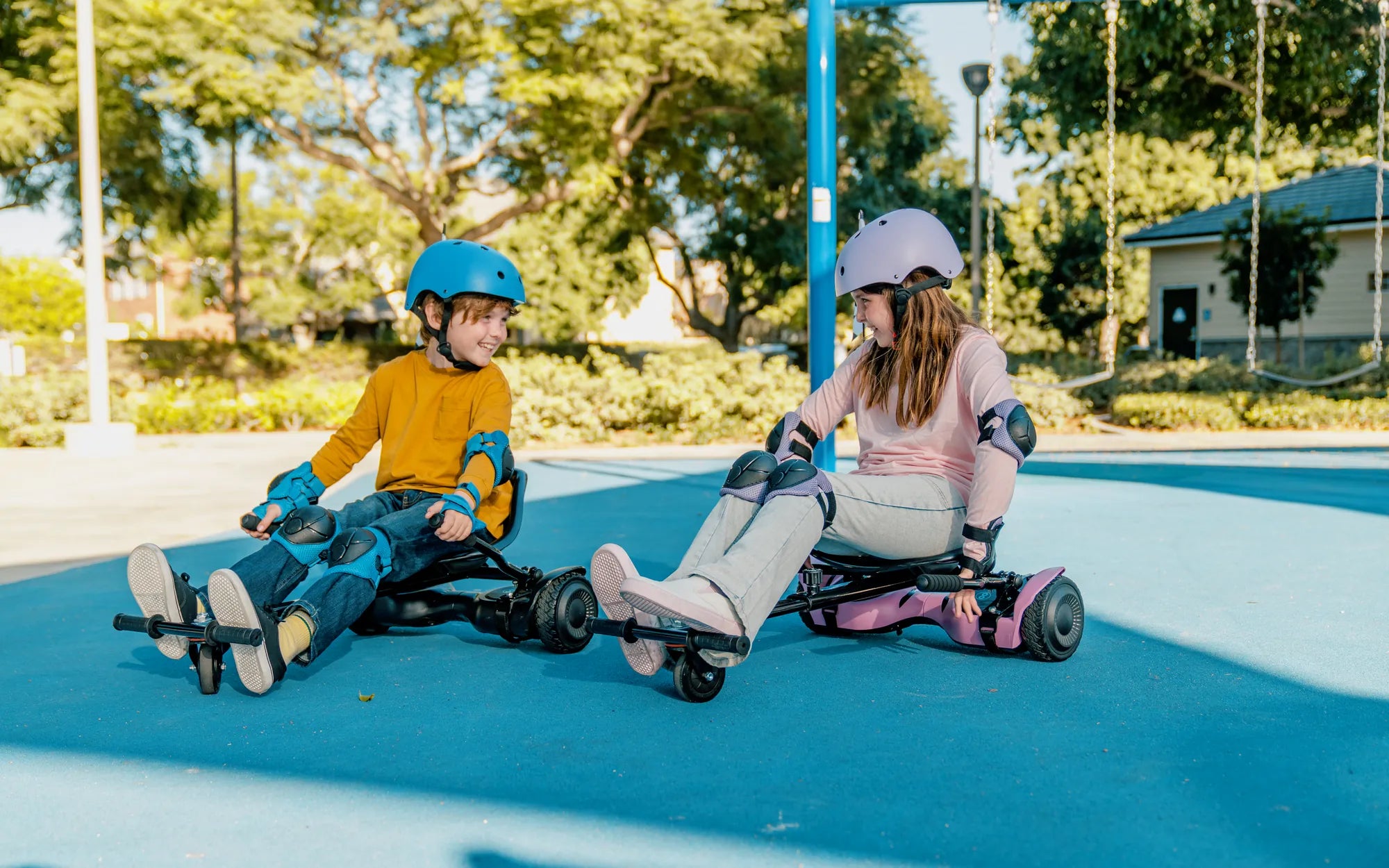
Choosing a kids electric scooter 20mph represents a significant step in your child's mobility and independence. This guide cuts through the hype to deliver the facts you need. We'll analyze the safety engineering required, decode local laws, and provide a detailed feature checklist. You'll learn how to assess if your child is truly ready for this speed and how to implement non-negotiable safety practices. The goal is to empower you with knowledge, ensuring adventure is paired with responsibility.
Introduction to High-Speed Kids' Scooters
A kids electric scooter capable of 20mph is designed for older children and teenagers seeking greater range and speed for commuting or recreational riding. Its growing popularity is driven by the practical need to cover longer distances, such as trips to school or friends' houses, more efficiently than a standard kick scooter. This category sits at the intersection of advanced fun and serious responsibility, demanding a higher standard of build quality and safety features.
The core challenge for parents is balancing the thrill of speed with uncompromising safety. Not all scooters marketed at this speed are built to handle it safely over the long term. This makes understanding the underlying engineering—from battery certification to braking systems—absolutely critical. It's about moving beyond basic toys into the realm of legitimate personal electric vehicles designed for young, but maturing, riders.
Brands like Gyroor approach this segment with a focus on this balance. Their models for older riders incorporate UL-certified battery packs, dual braking systems, and adjustable speed modes as standard. This engineering-first mindset is essential for parental peace of mind. A 20mph scooter isn't just a faster toy; it's a piece of equipment that must be as reliable as it is exciting.
The decision to purchase one should be data-driven. This guide provides that data, from weight limits and motor wattage to real-world range estimates and maintenance schedules. We will dissect what makes a scooter safe and durable at 20mph, providing you with the framework to make an informed choice for your family.
Why Consider a 20mph Scooter for Your Child?
The primary benefit of a 20mph electric scooter is expanded mobility. For responsible teens, it transforms a 30-minute walk into a 10-minute ride, effectively increasing their range for activities, part-time jobs, or social visits. This fosters independence while encouraging outdoor activity away from screens. The physical act of riding also continues to develop core strength, balance, and coordination, even on an electric model.
For many families, it serves as a practical pre-car mobility solution. It can be a cost-effective and eco-friendly way for a teenager to handle local errands or commute to school where infrastructure allows. This practical utility teaches time management and responsibility. The scooter becomes a tool for personal growth, not just a recreational device.
Speed-wise, 20mph is often seen as a "sweet spot." It is fast enough to feel exhilarating and be genuinely useful for commuting, yet it remains within a range where, with proper safety gear and training, a mature rider can maintain control. It's a significant step up from 15mph models, offering a noticeable difference in performance for an older child who has outgrown slower scooters.
Finally, a well-built 20mph scooter from a reputable brand is an investment in durable goods. These models are constructed with higher-grade materials, more powerful motors, and larger batteries than their toy-grade counterparts. With proper care, they can last for years, potentially serving the rider through early adolescence. This longevity and performance justify the higher price point associated with quality engineering.
Safety First: Non-Negotiables for 20mph Riding
At 20mph, safety protocol cannot be optional. The first and most critical rule is comprehensive protective gear. A full-face helmet is strongly recommended over a standard bicycle helmet, as it provides jaw and face protection. Knee pads, elbow pads, and durable gloves are mandatory to protect against falls. High-visibility clothing or accessories are also crucial, especially for riding near dusk or dawn.
Supervised practice in a controlled, vehicle-free environment is the essential first step. An empty parking lot or a quiet cul-de-sac is ideal. Parents must drill fundamental skills: controlled acceleration and deceleration, turning at speed, emergency braking, and scanning for hazards. This practice phase should continue until the rider demonstrates consistent, confident control and situational awareness. Do not skip this step.
Establishing clear riding rules is a parental responsibility. These should include always wearing gear, prohibiting passenger riding, avoiding wet or sandy surfaces, obeying all traffic laws, and designating approved riding routes. A strict "no headphones" policy is vital to ensure the rider can hear ambient traffic sounds. Setting these boundaries before the first independent ride is key.
Regular safety check-ups are part of ownership. Before each ride, the rider should be taught to perform a quick inspection: checking tire pressure and for wear, testing brake function, ensuring all bolts are tight, and verifying the battery is securely connected. This habit instills mechanical responsibility and prevents accidents caused by equipment failure.
Understanding Local Laws and Age Restrictions
Legality is paramount. Regulations for electric scooters vary dramatically by city, county, and state. There is no universal law. Parents must proactively research the rules in their specific municipality. Key points to investigate include the minimum legal age for e-scooter operation, maximum speed limits allowed on public paths, and where scooters are permitted (sidewalks, bike lanes, or roads).
Many jurisdictions set the minimum age for riding a 20mph e-scooter at 12, 14, or 16 years old. Some require a learner's permit or driver's license. Ignorance of the law is not an excuse and can result in fines or the impoundment of the scooter. Your research should extend to planned routes—know if your child's commute to school is legally permissible on a scooter.
Furthermore, even if state law is permissive, local city ordinances can be more restrictive. Always check with your local police department or department of transportation for the most accurate and current information. This due diligence is a critical part of responsible ownership. It also provides an excellent opportunity to educate your child about civic responsibility and legal compliance.
Key Features to Look for in a 20mph Kids' Scooter
Selecting the right scooter is about matching specifications to safety needs. Key metrics include motor power (typically 300W-500W for reliable 20mph performance), maximum rider weight (often 220 lbs or more), and wheel size (8.5-inch or larger pneumatic tires for stability). The deck should be wide and long enough for a secure, comfortable footing.
The frame material is a primary indicator of durability. Aircraft-grade aluminum or reinforced steel frames offer the best combination of strength and manageable weight. Folding mechanisms must be robust and secure, with no wobble when locked in the riding position. A poorly built folding joint is a major point of failure at higher speeds.
Lighting is a critical safety feature, not an accessory. The scooter must have a bright front headlight, a rear brake light, and side or deck reflectors. For added visibility, look for models with integrated ambient or stem lighting. This ensures your child is seen by motorists during low-light conditions, significantly reducing the risk of collision.
Finally, consider the user interface. The display should be clear and easy to read in sunlight, showing speed, battery level, and riding mode. Controls should be intuitive. A thumb throttle is generally considered safer and more controllable for new riders than a finger trigger throttle. These ergonomic details contribute significantly to a safe and confident riding experience.
UL-Certified Battery & Reliable Braking System
The battery is the most critical safety component. A UL 2271 or UL 2272 certification is non-negotiable. This independent testing verifies the battery pack has passed rigorous tests for electrical, mechanical, and environmental safety, drastically reducing fire risk. Brands like Gyroor use these UL-certified packs, which are tested for 500+ charge cycles, as a core safety standard.
Braking at 20mph requires a system that can stop the scooter quickly and controllably. A dual-braking system is essential. The most effective combination is a front electronic (regenerative) brake and a rear disc brake. The electronic brake helps slow the scooter and recapture some energy, while the mechanical disc brake provides strong, consistent stopping power, even on wet surfaces or if the electronic system fails.
Some models may use a drum brake or foot fender brake as a secondary system. While these can be adequate, a disc brake is superior for heat dissipation and consistent performance. Test the brakes during the practice phase; the rider must be able to apply them smoothly without locking up the wheels, which can cause a skid.
Robust Build Quality and Water Resistance
Build quality directly impacts safety and longevity. The scooter must feel solid, with no flex or creaking in the stem or deck. Welds should be clean and even. The handlebars and stem should have minimal play. A wide deck with a textured, grippy surface is essential for maintaining balance, especially during acceleration and braking.
Tire choice is crucial. Pneumatic (air-filled) tires are vastly superior to solid rubber tires for a 20mph scooter. They provide essential shock absorption, improving comfort and traction, especially on uneven pavement. While they require occasional pressure checks, the ride quality and safety benefits are immense. Look for tires with some tread pattern for wet-weather grip.
Water resistance is measured by an IP (Ingress Protection) rating. An IPX5 rating, a standard on Gyroor scooters, means the scooter can withstand water jets from any direction. This protects the electrical components from rain, puddles, and wet roads. It is a vital feature for real-world use, preventing short circuits and corrosion that can lead to sudden failure.
Speed Modes and Parental Controls
Adjustable speed modes are the primary tool for managing a child's progression. A quality scooter will offer at least three modes (e.g., Beginner: 10mph, Intermediate: 15mph, Advanced: 20mph). This allows a new rider to start slowly and build skills and confidence in a controlled manner. The mode should be changeable only via a sequence in the settings or a companion app, not a simple button press.
True parental controls go beyond basic speed modes. The most effective systems involve a companion smartphone app that allows a parent to set a permanent maximum speed limit, monitor riding history (routes, speeds, battery usage), and even geofence a safe riding area. Some models use a PIN code to lock the settings. This digital oversight is invaluable for ensuring rules are followed even when you're not physically present.
These controls are not about mistrust; they are about graduated responsibility. As your child demonstrates consistent maturity and skill, you can digitally "unlock" higher speeds or larger riding zones. This system provides a tangible framework for rewarding responsible behavior and creates natural checkpoints for safety discussions.
Gyroor's Approach: Engineering Trust for Young Riders
Gyroor designs its higher-speed scooters with a clear understanding of the parent's need for trust. This begins with foundational safety: every model uses UL-certified battery packs, eliminating a primary concern for fire risk. Their commitment to this standard is a core differentiator in a market where battery safety cannot be assumed.
Their frames are engineered for the dynamic stresses of 20mph riding. Using reinforced materials and rigorous testing protocols, they ensure the scooter remains stable and rattle-free. Features like IPX5 water resistance are built in, not added as an afterthought. This comprehensive approach means safety is integrated into the design from the outset, not just a list of attached features.
Gyroor supports this hardware with a robust 1-year comprehensive warranty and accessible, US-based customer support. For parents, this warranty is a safety net. If a critical component like the braking system or motor controller has an issue, it is covered, ensuring the scooter can be repaired to its original safe standard. This protects your investment and, more importantly, your child's safety.
With a community of over 100,000 riders, Gyroor's models are field-tested. The 4.5/5 average customer rating reflects a track record of reliability and performance that parents can count on. Choosing a brand with this level of proven engineering and support removes significant uncertainty from the purchasing decision.
Making the Decision: Is Your Child Ready?
Readiness is more about maturity than age. Use this checklist to evaluate: Does your child consistently follow safety rules with bicycles or other equipment? Do they demonstrate good judgment and situational awareness in dynamic environments? Are they responsible with charging electronics and caring for their belongings? Honest answers to these questions are more telling than a birth date.
Physical readiness is also key. The child must be within the scooter's stated weight limit and tall enough to comfortably reach the handlebars and control the steering. They need sufficient leg strength to stabilize the scooter at stops and core strength to maintain balance during maneuvers. A test ride on a borrowed or demo model can be very revealing.
Experience matters. A child with years of bicycle or slower scooter experience will have developed essential traffic sense and balance skills. A complete novice should start with a slower model. The progression to 20mph should be earned, not given. Set clear milestones (mastering lower speed modes, completing a safety course) that must be achieved first.
Finally, assess your own readiness as a parent. Are you prepared to enforce gear and rule compliance consistently? Will you commit to the initial training and ongoing safety conversations? Purchasing the scooter is just the first step; your active involvement is the most critical safety feature of all.
Comparison: Key Specifications for Informed Choice
| Feature | Entry-Level (10-15mph) | Advanced (20mph) | Why It Matters for 20mph |
|---|---|---|---|
| Motor Power | 150W - 250W | 300W - 500W | Provides consistent power to maintain 20mph, especially on slight inclines. |
| Battery Certification | Often uncertified | UL 2271/2272 Certified (Mandatory) | Prevents fire hazard. Gyroor and other reputable brands use these. |
| Braking System | Single brake (foot or electronic) | Dual System (Disc + Electronic) | Ensures reliable, controlled stopping power at higher speeds. |
| Tire Type | Solid or honeycomb | Pneumatic (Air-Filled) | Essential for shock absorption, traction, and a stable ride on rough surfaces. |
| Water Resistance | IPX4 or less | IPX5 or higher | Protects electronics from rain and puddles, crucial for real-world commuting. |
| Max Rider Weight | ~160 lbs | 220 lbs+ | Accommodates growing teens and ensures the frame is over-engineered for safety. |
| Parental Controls | Basic speed mode switch | App-Based Limits & Tracking | Allows remote management of speed and monitoring of riding habits. |
Frequently Asked Questions (FAQ)
Q: What is the recommended age for a 20mph electric scooter?
A: There is no universal age, as maturity varies. Most manufacturers suggest 12+, but this is a guideline. The decision should be based on your child's demonstrated responsibility, physical size, and riding experience, in addition to complying with local legal age restrictions, which often start at 12, 14, or 16.
Q: How long does the battery last on a single charge, and how far can it go?
A: Range depends on battery capacity (measured in Watt-hours or Ah), rider weight, terrain, and speed. A typical 20mph scooter with a quality battery (like Gyroor's) may offer a range of 12-20 miles per charge. Real-world range is often 70-80% of the manufacturer's ideal test conditions. Always check the battery's Wh rating for a true comparison.
Q: Can the top speed be permanently limited by a parent?
A> Yes, on quality models with proper parental controls. This is typically done through a companion smartphone app where you can set a maximum speed cap (e.g., 15mph) that cannot be overridden without your password. Some models use a PIN code on the display. Avoid models where the speed mode can be changed with a simple button press accessible to the rider.
Q: What regular maintenance does a 20mph scooter require?
A> Essential maintenance includes: checking and inflating pneumatic tires to the recommended PSI weekly; monthly inspection and adjustment of brake pads/discs; tightening all bolts and fasteners (especially on the folding mechanism and handlebars); and keeping the battery charged between 30-80% for long-term health, avoiding full discharges. Clean the scooter with a damp cloth, avoiding direct water jets on non-IPX5 components.
Q: Why is a comprehensive warranty like Gyroor's 1-year coverage important?
A> A strong warranty is a proxy for manufacturer confidence. It protects your investment against defects in critical safety components like the motor, battery management system, and brakes. For a 20mph vehicle, having access to expert support and guaranteed repairs ensures the scooter remains in safe, working order. It shifts long-term reliability risk from you back to the brand.
Conclusion: Empowering Adventure with Responsibility
A kids electric scooter 20mph can unlock a new level of freedom and fun for a responsible older child or teenager. The key to a positive experience lies in the intersection of quality equipment, enforced safety protocols, and your active guidance. By choosing a scooter built with certified batteries, robust brakes, and real parental controls, you lay a foundation of safety.
Your role extends beyond the purchase. It involves training, setting boundaries, and having ongoing conversations about responsible riding. The scooter is a tool that, when used correctly, teaches valuable lessons in independence, mechanical care, and risk management. The goal is not to eliminate risk but to manage it intelligently through preparation and quality gear.
The journey with a 20mph scooter should be one of graduated trust. Start with limits, practice diligently, and expand privileges as maturity is proven. This process itself is a valuable life lesson for your child. The thrill of the ride is magnified when it is earned and conducted within a framework of safety and respect.
Ready to explore models engineered with this safety-first philosophy? Browse the full Gyroor collection at gyroorboard.com to see scooters designed to deliver performance parents can trust, backed by UL-certified safety and comprehensive support.
Electric Scooter for Kids Age 11: The Ultimate Guide for Parents
What Is a Good Christmas Gift for Kids: Top Ideas to Delight Little Ones