



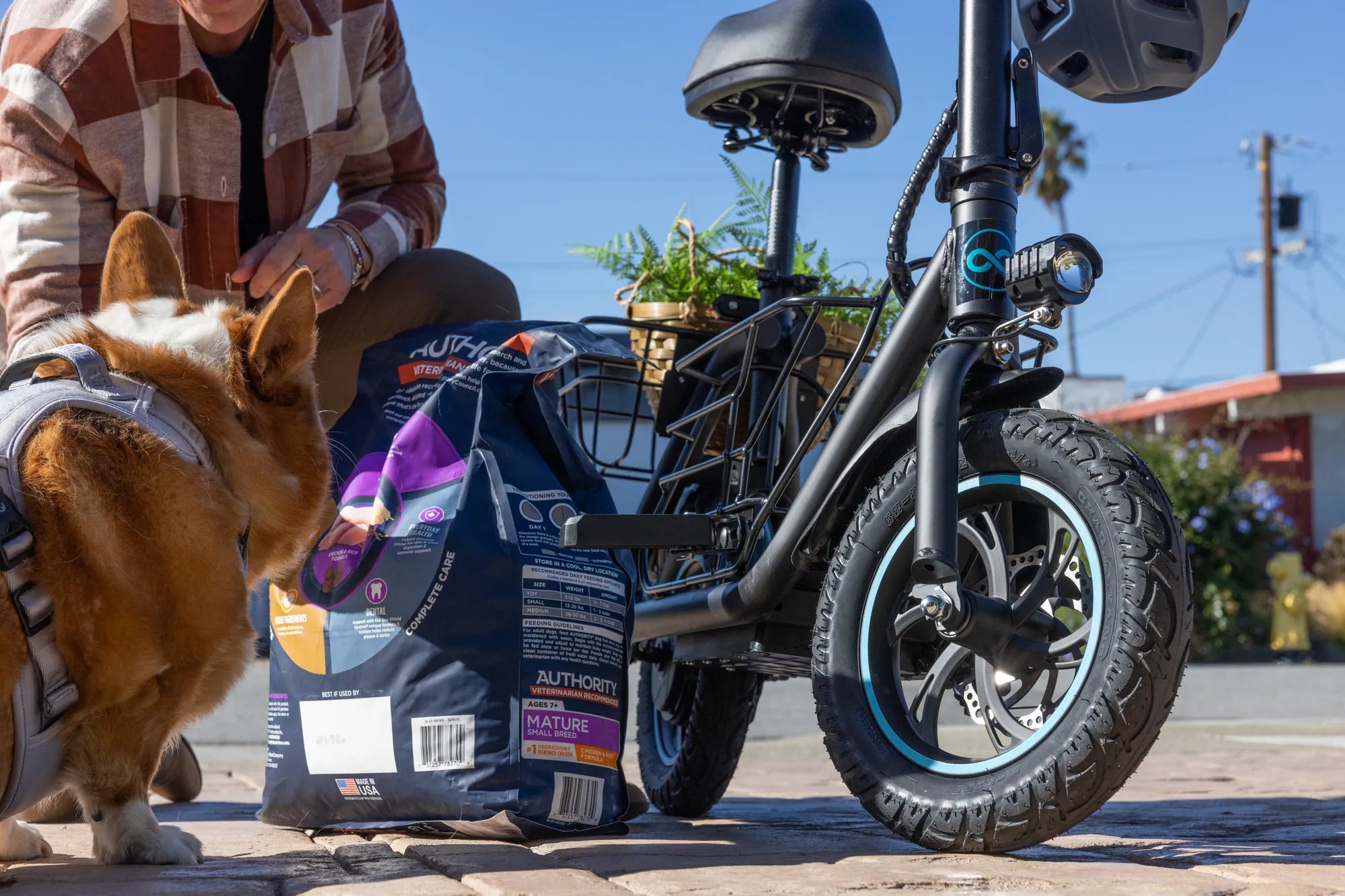
Electric scooters have become a popular choice for urban commuters and eco-conscious riders alike. But one question often dominates the conversation: how far can an electric scooter go on a single charge? The answer isn't as simple as a single number—electric scooter mileage depends on a variety of factors, from battery size to terrain. Let's dive into the details to help you get the most out of your ride.
Understanding Electric Scooter Mileage
Electric scooter mileage refers to the distance a scooter can travel on a single charge. Manufacturers often provide a range estimate, but real-world conditions can significantly affect this number. The actual mileage you achieve depends on several key factors, including battery capacity, rider weight, terrain, and riding style.
Battery Capacity and Range
The battery is the heart of your electric scooter's range. Measured in watt-hours (Wh), battery capacity determines how much energy the scooter can store. Higher-capacity batteries generally provide longer ranges, but they also add weight and cost. For example, a scooter with a 500Wh battery might offer a range of 25-40 miles, while a 250Wh model might only reach 15-20 miles.
Rider Weight and Load
Heavier riders or those carrying additional cargo will experience reduced mileage. The scooter's motor has to work harder to move extra weight, draining the battery faster. If you're planning to carry groceries or a backpack, factor this into your expected range.
Terrain and Riding Conditions
Flat, smooth surfaces are ideal for maximizing electric scooter mileage. Hills, rough terrain, and headwinds force the motor to consume more power, cutting into your range. Riding in stop-and-go traffic or frequently accelerating from a standstill also reduces efficiency.
Riding Style and Speed
Aggressive acceleration and high speeds can dramatically decrease your scooter's range. Riding at a steady, moderate pace conserves battery life. Many scooters offer eco or power-saving modes to help extend mileage by limiting top speed and acceleration.
Tire Pressure and Maintenance
Properly inflated tires reduce rolling resistance, helping your scooter travel farther on each charge. Regular maintenance, including checking brakes and keeping the scooter clean, ensures optimal performance and efficiency.
Temperature and Weather
Cold weather can reduce battery performance, leading to shorter ranges. If you're riding in winter, expect slightly reduced mileage. Wet conditions also increase rolling resistance and may affect your scooter's efficiency.
How to Maximize Your Electric Scooter Mileage
To get the most distance from your scooter, follow these tips:
- Charge the battery fully before each ride
- Maintain a consistent, moderate speed
- Avoid unnecessary stops and starts
- Keep tires properly inflated
- Reduce weight when possible
- Use eco mode when range is more important than speed
Real-World Range Expectations
Manufacturer estimates often represent ideal conditions. In reality, you should expect to achieve about 70-80% of the advertised range. If a scooter claims 30 miles, plan for 21-24 miles to avoid being stranded with a dead battery.
Planning Your Rides
When using your electric scooter for commuting or errands, always plan your route with charging options in mind. Know where public charging stations are located, or consider carrying a portable charger if your scooter supports it.
Electric scooter mileage isn't just a number—it's the key to unlocking true freedom in urban mobility. By understanding the factors that affect range and implementing smart riding practices, you can push your scooter's limits and enjoy longer, more reliable rides. Whether you're commuting to work or exploring your city, maximizing your electric scooter's mileage means more adventure with fewer stops.
Self Balancing Electric Scooter User Manual: The Ultimate Guide to Safe Riding
How to Fix E4 on Electric Scooter: A Step-by-Step Guide