



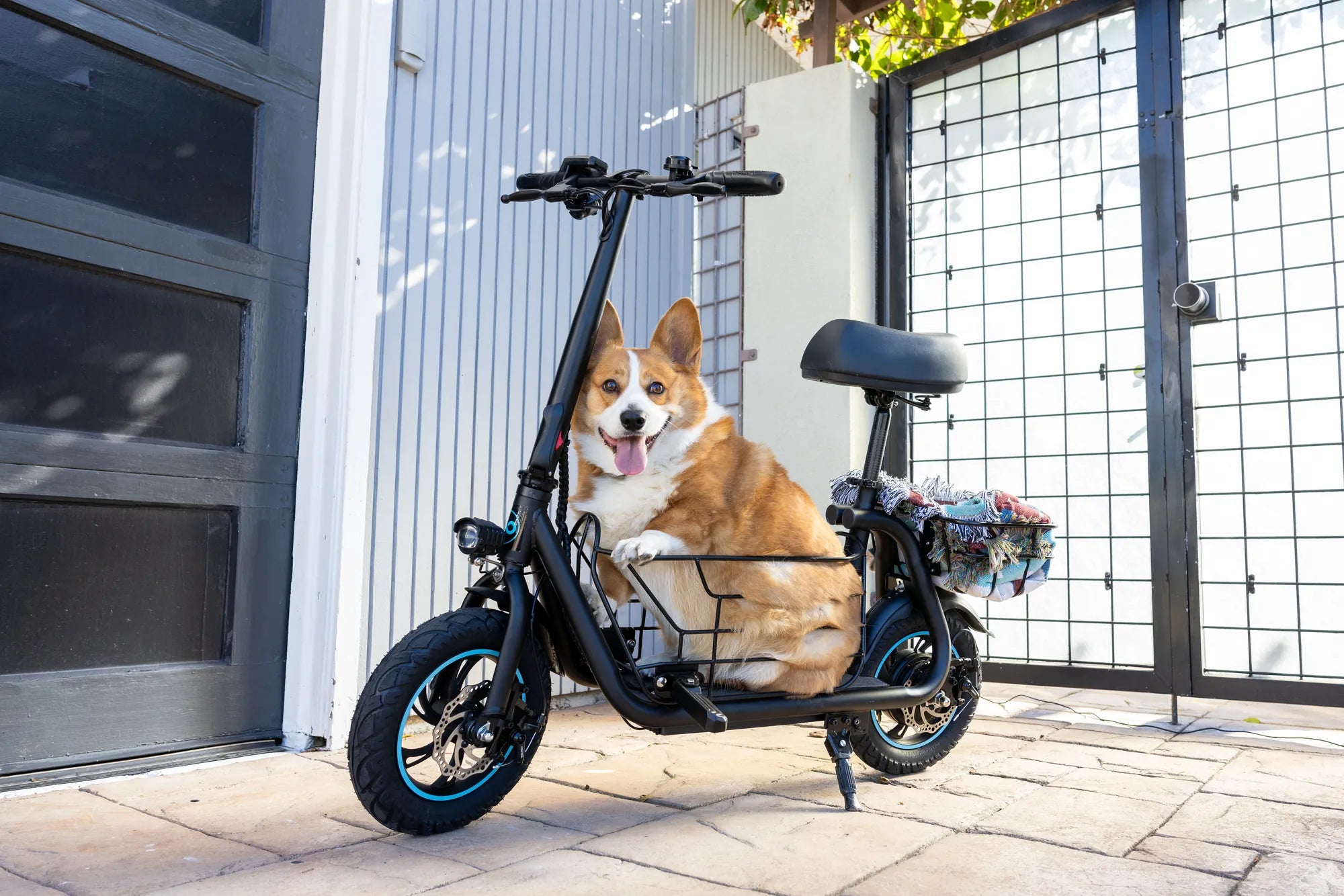
Riding a self-balancing electric scooter can be an exhilarating experience, but mastering it requires understanding the basics. Whether you're a beginner or looking to refine your skills, this user manual will guide you through every step to ensure a smooth and safe ride.
Getting Started with Your Self-Balancing Electric Scooter
Before you hop on your scooter, it's crucial to familiarize yourself with its components. Most self-balancing scooters consist of a platform with two wheels, foot pedals, a battery, and a control system. Ensure your scooter is fully charged before your first ride to avoid unexpected shutdowns.
Charging the Scooter
Plug the charger into a standard electrical outlet and connect it to the charging port on your scooter. A full charge typically takes 2-4 hours, depending on the model. Avoid overcharging, as it can reduce battery life.
Powering On and Off
Press and hold the power button until you hear a beep or see the indicator lights turn on. To power off, press and hold the same button until the lights go off. Always turn off your scooter when not in use to conserve battery.
Basic Riding Techniques
Balancing on a self-balancing scooter might feel tricky at first, but with practice, it becomes second nature. Start by placing one foot on the platform and using a wall or railing for support as you step on with the other foot. Keep your knees slightly bent and your weight centered.
Moving Forward and Backward
To move forward, lean slightly forward with your body weight. To stop or move backward, lean back gently. Avoid sudden movements, as they can cause loss of balance.
Turning Left and Right
To turn, apply slight pressure with one foot while easing off with the other. For sharper turns, shift your weight more noticeably to one side. Practice in an open area until you feel comfortable.
Safety Tips for Riding
Safety should always be your top priority when riding a self-balancing scooter. Wear a helmet, knee pads, and elbow pads to protect yourself from falls. Avoid riding on uneven or wet surfaces, as they can increase the risk of accidents.
Speed Control
Most scooters have a speed limit to prevent excessive speed. Start at a slow pace and gradually increase your speed as you gain confidence. Be mindful of your surroundings and avoid crowded areas until you're fully comfortable.
Battery Management
Monitor your battery level regularly. Low battery can affect performance and stability. If your scooter starts beeping or slowing down, it's time to recharge.
Advanced Riding Techniques
Once you've mastered the basics, you can experiment with more advanced maneuvers. Try riding in a figure-eight pattern or navigating small obstacles to improve your control and agility.
Riding Uphill and Downhill
When riding uphill, lean forward slightly to maintain momentum. For downhill rides, lean back to control your speed. Avoid steep inclines if you're not experienced, as they can be challenging to navigate.
Maintenance and Care
Regular maintenance ensures your scooter remains in top condition. Clean the wheels and platform regularly, and check for loose screws or damaged parts. Store your scooter in a dry, cool place to prolong its lifespan.
Troubleshooting Common Issues
If your scooter isn't responding, check the battery and connections. Ensure the power button is functioning and the scooter is on a flat surface when starting. Refer to the manufacturer's guide for specific troubleshooting steps.
Ready to take your self-balancing electric scooter skills to the next level? With this user manual as your guide, you'll be riding like a pro in no time. Stay safe, practice often, and enjoy the ride!
Self Balancing Scooter for Big Guys: The Ultimate Guide to Choosing the Right Ride
Electric Scooter Mileage: How Far Can You Go on a Single Charge?