



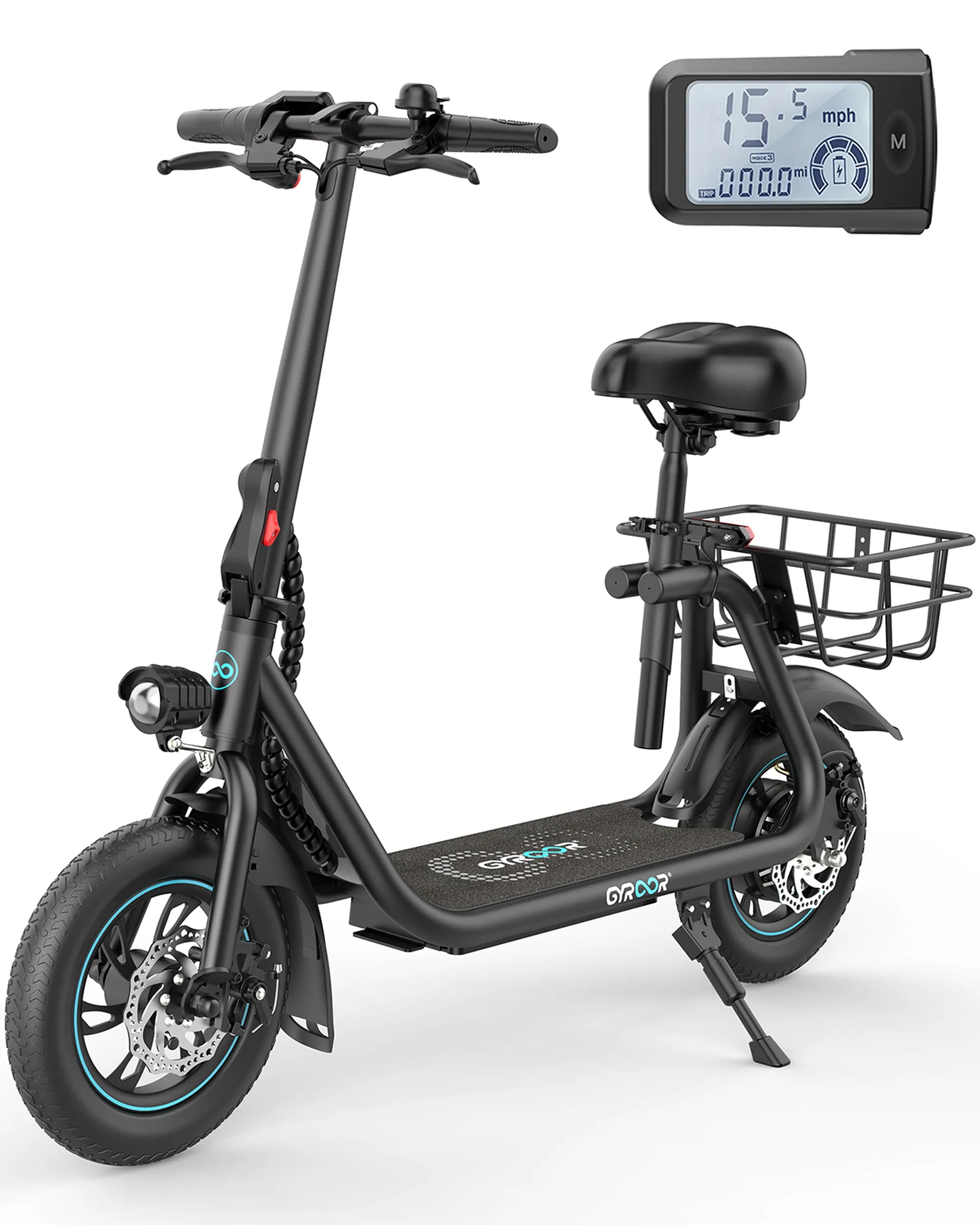
Navigating Detroit's Renaissance on Two Wheels
Downtown Detroit's remarkable resurgence is palpable. From the bustling Campus Martius to the innovative shops in Capitol Park and the vibrant Eastern Market, the city's core is alive with energy. Yet, this revitalization brings a classic urban challenge: efficient, affordable, and convenient mobility. Parking costs are steep, traffic on Woodward and Jefferson can snarl, and while the QLine streetcar and bus networks provide crucial links, the 'last mile' between a stop and your final destination remains a persistent gap.
This is where the personal electric vehicle revolution makes its most compelling case. For navigating the compact yet spread-out districts of greater downtown, a solution exists that is practical, efficient, and genuinely enjoyable. The adoption of personal electric scooters downtown Detroit represents a significant shift in how residents and visitors experience the city. This article will demonstrate why this mode of transport is not just a trend but a foundational element of the future of urban mobility in the Motor City.
We will analyze the specific urban problems electric scooters solve, outline the critical features needed for Detroit's unique streets, and provide a clear guide to riding safely and legally. The future of getting around downtown is electric, personal, and on two wheels. Understanding this shift is key to unlocking a more connected and accessible Detroit.
Why Electric Scooters Are a Game-Changer for Downtown Detroit
Downtown Detroit's layout and current transportation ecosystem create specific pain points that personal electric scooters are uniquely positioned to address. The high cost and scarcity of parking, often exceeding $20 per day in garages, immediately erodes the convenience of driving. Congestion on main arteries during events or rush hour further diminishes the appeal of cars for short intra-downtown trips.
Electric scooters downtown Detroit excel as a cost-effective and time-saving alternative. They eliminate parking fees entirely and allow riders to glide past traffic, taking advantage of bike lanes and shared pathways. Their true power, however, lies in seamless multi-modal integration. A scooter can be the perfect connector, covering the 10-15 minute walk from a QLine stop or a DDOT bus drop-off to your office, restaurant, or apartment door in under five minutes.
This connectivity enhances the entire downtown experience. It makes previously 'just a bit too far' destinations—like a trip from the Financial District to the Riverwalk, or from Midtown to Corktown—quick and effortless. This increased accessibility supports local businesses by lowering the friction of visiting them and encourages exploration of the city's diverse neighborhoods. The efficiency of electric scooters downtown Detroit directly contributes to the area's vitality and walkability, reducing car dependency for short trips.
Furthermore, they offer an unparalleled sense of freedom and engagement with the cityscape. Unlike being insulated in a car, scooter riders experience the architecture, energy, and community of downtown Detroit intimately, fostering a stronger connection to the city's ongoing renaissance.
Key Considerations for Choosing a Detroit-Ready E-Scooter
Not all electric scooters are built for the character and demands of Detroit's urban environment. Selecting the right model requires careful evaluation of performance, durability, and convenience features tailored to local conditions. The ideal scooter is a reliable daily tool, not a fair-weather toy.
It must handle variable terrain, from smooth pavement in the Monroe Street Midway to the occasionally rough patches and construction zones found in a rapidly developing city. It must offer sufficient range to explore without anxiety and possess the portability to integrate into a multi-modal commute. The following breakdown outlines the non-negotiable features for a scooter destined for Detroit's streets.
Battery Range & Power for Detroit's Urban Sprawl
Greater downtown encompasses a significant area, from the Riverfront up to New Center. A realistic minimum range is 15-20 miles on a single charge. This ensures a rider can complete a full day of errands, a commute with side trips, or an evening exploring from the stadium district to Eastern Market without constantly worrying about the battery gauge.
Motor power is equally critical. While downtown is relatively flat, inclines like the bridges over the I-75 service drives or ramps up to the Riverwalk require consistent torque. A motor rated at 350 watts or higher provides the necessary power for these climbs, ensures stable acceleration from stops, and maintains a safe speed even with a rider at the upper end of the weight limit. Underpowered scooters struggle on inclines and can become a safety hazard in traffic.
Durability & Weather Resistance for the Motor City
Detroit's weather is notoriously variable, and its streets can be demanding. A scooter's construction must be robust, with a solid deck and stem to absorb vibrations from pavement seams and occasional potholes. Pneumatic (air-filled) tires or advanced honeycomb solid tires are preferred over basic solid rubber, as they offer better shock absorption and traction.
Weather resistance is paramount. An IPX5 water-resistance rating is a key benchmark. This signifies the scooter can withstand water jets from any direction, making it capable of handling sudden summer rain showers, wet streets after cleaning, or riding through unavoidable puddles. This protection prevents water damage to critical electrical components, ensuring long-term reliability and safety throughout the spring and fall seasons.
Portability & Convenience for Multi-Modal Commutes
The true utility of an electric scooter downtown Detroit is realized when it easily transitions between riding and carrying. A one-click folding mechanism is essential. The folded scooter should be relatively lightweight (under 40 lbs is ideal) and compact enough to be carried onto the QLine during peak hours, rolled into an office building, or stored neatly in a condo without being an obstruction.
This portability transforms the scooter from a mere vehicle into a seamless part of your daily logistics. It allows you to combine a bus ride from a neighborhood outside downtown with a quick scooter ride to your final block, effectively creating a personalized, efficient transit system. Convenience features like a clear digital display, intuitive controls, and an effective braking system (disc or electronic) further enhance the daily user experience.
Gyroor Scooters: Engineered for Detroit's Streets
When evaluating scooters against the stringent requirements for Detroit commuting, certain brands stand out due to a specific engineering philosophy focused on real-world durability and rider safety. Gyroor, a leading electric scooter and e-bike brand trusted by over 100,000 riders across North America and Europe, designs its products with the demands of daily urban travel as the primary focus. Their approach directly addresses the key considerations for Detroit riders.
First and foremost is battery safety and reliability. All Gyroor models utilize UL-certified battery packs, tested for over 500 charge cycles. For the downtown Detroit commuter storing their scooter in an apartment lobby or under an office desk, this certification is not just a spec—it's a critical safety assurance. It means the power source meets rigorous independent standards for fire and electrical safety, providing peace of mind for daily charging and use.
Second, the IPX5 water-resistant design is a core feature across their lineup. This directly correlates to handling Detroit's unpredictable precipitation. Whether it's a quick shower while you're at dinner or damp streets along the Riverwalk, this level of protection guards the scooter's vital electronics. It extends the vehicle's lifespan and ensures it's ready to ride when you are, regardless of morning dew or evening sprinkles.
Finally, Gyroor supports its products with a reliable 1-year warranty and U.S.-based customer support. For a device that serves as a daily commuter tool, this commitment to post-purchase support is invaluable. It protects your investment and ensures that any issues are resolved promptly, minimizing downtime. This combination of certified safety, environmental durability, and strong warranty support aligns perfectly with the needs of a rider relying on their electric scooter downtown Detroit for daily transportation.
Riding Safely and Legally in Downtown Detroit
Responsible ridership is crucial for the long-term acceptance and success of personal electric scooters in the city. Understanding and adhering to local regulations and etiquette ensures safety for the rider, pedestrians, and other road users.
Legal Framework: In Detroit, electric scooters are generally treated similarly to bicycles. They are permitted on streets and in bike lanes. Riding on sidewalks in the central business district is typically prohibited to ensure pedestrian safety. A helmet is strongly recommended for all riders and is legally required for those under 19. The city may enforce speed limits, often aligning with the 15-20 mph range of most personal scooters. Always yield to pedestrians, whether in a crosswalk or on a shared path.
Safe Riding Practices: Defensive riding is key. Assume that car drivers may not see you. Use hand signals for turns, wear bright or reflective clothing at night, and ensure your scooter has functional front and rear lights. Always perform a quick pre-ride check of tire pressure, brakes, and folding mechanisms. Avoid distractions—do not use headphones or a phone while riding. Be particularly cautious at intersections and when crossing driveways.
Parking Etiquette: Proper parking is a community responsibility. Never block sidewalks, ADA ramps, building entrances, or bus stops. The ideal practice is to park your scooter in a designated bicycle parking area or in a nearby rack. If neither is available, park it parallel to the wall or in a furniture zone of the sidewalk, ensuring at least a 36-inch clear path for pedestrian passage. Thoughtful parking prevents clutter and maintains accessibility for everyone.
Comparative Analysis: Scooter Features for Detroit Commuting
Choosing the right scooter involves balancing key specifications. The table below compares hypothetical scooter types against the essential criteria for downtown Detroit commuting, illustrating how different models serve different needs.
| Feature / Scooter Type | Essential Commuter (Entry-Level) | Performance Urban (Mid-Range) | Detroit-Optimized (Premium) |
|---|---|---|---|
| Typical Range | 10-15 miles | 18-25 miles | 25-40+ miles |
| Motor Power | 250W - 350W | 350W - 500W | 500W - 800W Dual Motor |
| Max Speed | 15 mph | 18-20 mph | 25+ mph |
| Tire Type | Solid Rubber | Pneumatic (Air-Filled) | Pneumatic or Advanced Honeycomb |
| Suspension | Basic or None | Front Spring or Dual | Full Hydraulic or Dual Spring |
| Water Resistance | IPX4 (Splash-proof) | IPX5 (Water Jet Resistant) | IPX5 or Higher |
| Weight & Portability | Lightweight (~30 lbs) | Moderate (~40 lbs) | Heavier (45+ lbs) |
| Best For Detroit... | Short, flat trips; last-mile from transit; budget-conscious riders. | Daily commuters covering multiple districts; handling varied terrain and weather. | Power users, long explorations, all-weather reliability, and maximum comfort. |
This comparison shows that while an entry-level scooter can serve for very short trips, a mid-range or premium model with IPX5 resistance, pneumatic tires, and 18+ mile range is the most reliable choice for a true daily commuter facing the full scope of Detroit's environment.
The Bigger Picture: E-Scooters and Detroit's Sustainable Future
The proliferation of electric scooters downtown Detroit is more than a convenience trend; it's a component of the city's broader sustainable mobility strategy. By providing a viable alternative to single-occupancy car trips for short distances, e-scooters contribute directly to reducing traffic congestion and lowering carbon emissions in the urban core. Each scooter trip replaces a car trip that would have idled in traffic, searching for parking, and emitting pollutants.
This shift supports Detroit's environmental goals and improves the quality of life for all downtown users by reducing noise and air pollution. Furthermore, by enhancing connectivity, e-scooters increase the effective catchment area for local businesses. A restaurant or shop becomes accessible not just to those within a 5-block walk, but to anyone within a 15-block scooter ride, without the hassle of a car. This boosts economic vitality and street-level activity.
As the city continues to expand its network of bike lanes and greenways, the infrastructure for safe micromobility grows in parallel. Electric scooters, e-bikes, and bicycles together form a suite of zero-emission options that make downtown more livable, accessible, and resilient. They represent a forward-looking approach to urban mobility that aligns with Detroit's innovative spirit and its commitment to a greener, more connected future.
Frequently Asked Questions (FAQ)
Q: Do I need a license or insurance to ride an electric scooter in Detroit?
A: No, you do not need a driver's license, vehicle registration, or insurance to operate a personal electric scooter in Detroit. They are classified similarly to bicycles.
Q: Where exactly am I allowed to ride my e-scooter?
A: You should ride in bike lanes or on the street, following all traffic laws that apply to bicycles. Riding on sidewalks in busy downtown areas is generally prohibited. Always check for posted local signs.
Q: How do I secure my scooter when parked?
A> Use a sturdy U-lock or heavy-duty chain lock, securing the scooter frame (not just the wheel) to a fixed, immovable object like a bike rack. If possible, take the scooter inside with you for short stops.
Q: Can I ride my e-scooter in the rain?
A> Scooters with an IPX5 water-resistance rating (like many from Gyroor) are designed to handle wet conditions. However, exercise extreme caution: reduce speed, avoid painted road markings and metal surfaces, and never ride through deep standing water.
Q: What is the typical lifespan of a commuter e-scooter?
A> With proper maintenance, a quality scooter can last 2-5 years or more. Key factors are battery care (avoiding full discharges), tire condition, and protecting it from extreme weather and physical impacts. Brands with UL-certified batteries and good warranties often offer greater longevity.
Your Ticket to a More Connected Detroit
The transformation of downtown Detroit is best experienced in motion, and the right electric scooter provides the perfect platform for that experience. It offers a practical solution to the daily challenges of cost, congestion, and connectivity, while delivering a sense of freedom and engagement with the city's vibrant core. By choosing a scooter built for durability, range, and all-weather performance, you invest in a reliable key to urban mobility.
This shift towards personal electric vehicles is a tangible part of Detroit's sustainable and innovative future. It represents a smarter way to navigate, reducing environmental impact while increasing access to all the culture, business, and community the downtown area has to offer. The future of urban mobility here is electric, agile, and personal.
Ready to explore downtown Detroit with newfound freedom? Evaluate your needs based on the key considerations outlined here. For scooters engineered with the safety certifications, weather resistance, and reliable support required for serious urban commuting, browse the full Gyroor collection at gyroorboard.com to find the model that matches your Detroit journey.
Electric Scooters in Gujarat: The Future of Urban Mobility
Mobility Electric Scooters Freedom for the Elderly: A New Lease on Life