



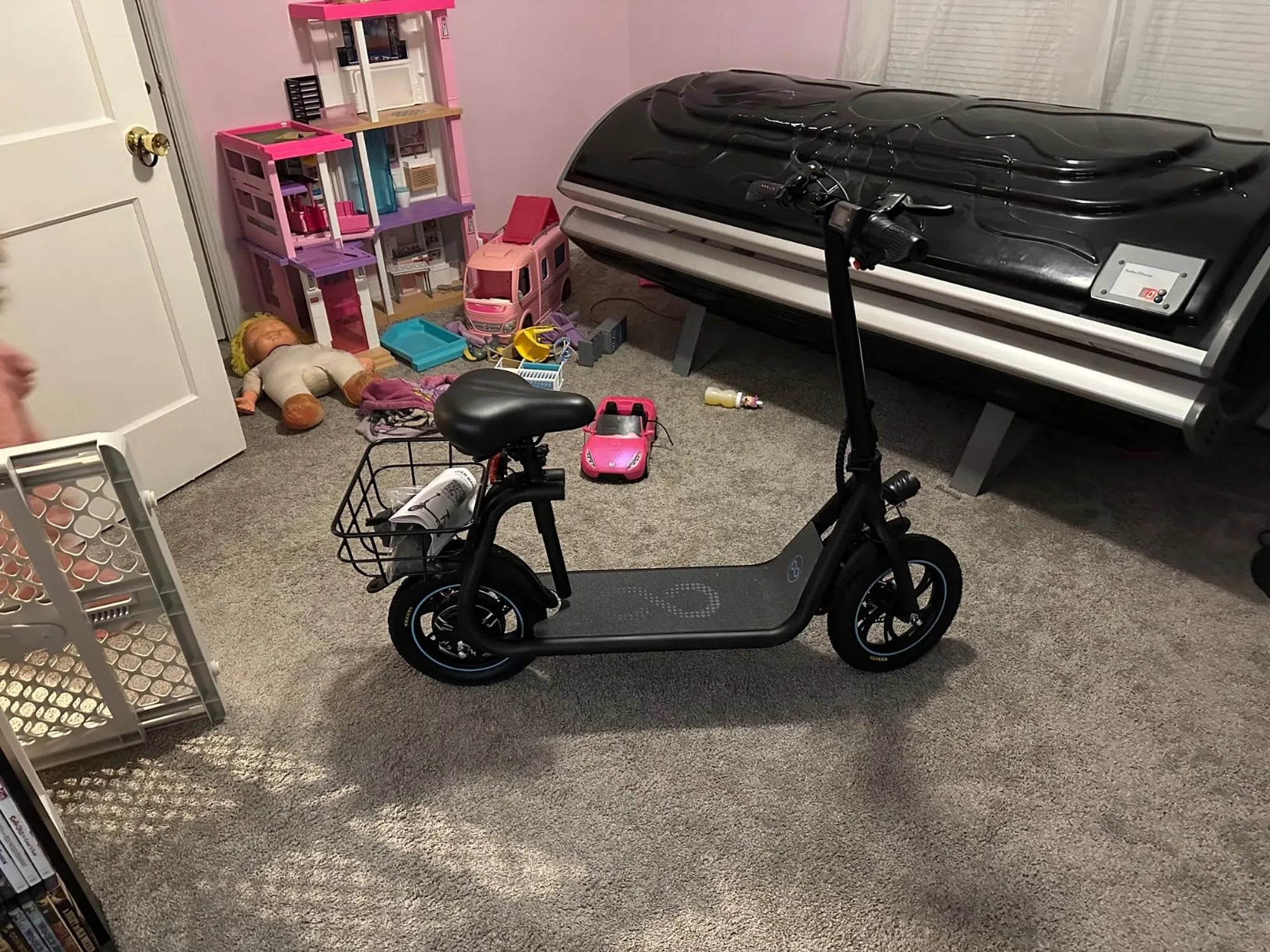
For many seniors, the gradual loss of mobility can feel like a shrinking world. Simple joys—running errands, visiting friends, exploring the neighborhood—become logistical challenges. The traditional solution often involves dependence on others or cumbersome mobility aids that can feel limiting. However, a quiet revolution in personal transportation is rewriting this narrative. The advent of robust, senior-friendly electric scooters is providing a powerful new key to autonomy. This article explores how these vehicles offer more than just transport; they provide Mobility Electric Scooters Freedom for the Elderly: A New Lease on Life, restoring independence, reconnecting individuals with their communities, and significantly enhancing quality of life. You will learn how to evaluate these scooters for safety and usability, understand the critical features that matter most, and discover practical steps to integrate this newfound freedom into daily life securely.
Redefining Independence: Beyond Simple Transportation
The core value of an electric scooter for a senior citizen is not measured in miles per hour, but in opportunities per day. It represents a fundamental shift from reliance to self-reliance. This transformation impacts nearly every facet of daily living, offering a tangible sense of control that is often eroded with age.
Psychologically, the ability to move freely under one's own power is a profound boost to self-esteem and mental well-being. The alternative—waiting for a ride, coordinating schedules, or avoiding outings altogether—can lead to social isolation and feelings of helplessness. An e-scooter flips this script, making spontaneous decisions possible again.
Physically, while not a substitute for prescribed exercise, the act of riding promotes core engagement, improves balance through active posture, and encourages outdoor activity. The gentle breeze and changing scenery provide sensory stimulation far superior to staring at four walls. This combination of mental and physical engagement is where the concept of a "new lease on life" truly takes root.
Brands like Gyroor have recognized this specific need, engineering scooters that prioritize stability and intuitive controls over raw speed. This user-centric design philosophy is essential for transforming a novel gadget into a reliable tool for daily empowerment, making the promise of mobility electric scooters freedom for the elderly: a new lease on life a practical reality.
The Freedom Equation: Practical Impacts on Daily Living
How does this freedom manifest in concrete terms? The equation is simple: accessible mobility equals expanded life. The scooter becomes an extension of the user's capabilities, unlocking routines and pleasures that were previously off-limits.
First, it restores errand independence. A quick trip to the grocery store for fresh produce, a visit to the pharmacy, or a stop at the post office ceases to be a major undertaking. The scooter's storage capabilities, often featuring a basket or under-deck space, allow for carrying small loads safely. This eliminates the anxiety of carrying heavy bags or the need to schedule a major weekly shopping trip with assistance.
Second, it revitalizes social connections. Visiting a friend in the same neighborhood, meeting at a local park, or attending a community center event becomes effortless. The barrier of "how will I get there?" dissolves. This regular social interaction is clinically proven to combat loneliness and depression, key factors in overall health and longevity for seniors.
Third, it enables exploration and leisure. Whether it's a leisurely ride along a paved bike path, a tour through a botanical garden, or simply discovering new parts of one's own town, the scooter reopens the world for exploration. This sense of adventure and novelty is crucial for cognitive health and maintaining a youthful outlook.
Finally, it provides a form of light, enjoyable exercise. The act of balancing, steering, and being outdoors increases heart rate moderately and engages the mind. It's physical activity disguised as fun, which is often the most sustainable kind. This holistic impact underscores why the right e-scooter is more than a vehicle—it's a wellness tool.
Safety First: Non-Negotiable Engineering for Senior Riders
For this freedom to be genuine, it must be built on a foundation of unwavering safety. Seniors and their families should prioritize specific engineering features that mitigate risk and build confidence. These are not optional extras but essential criteria.
Stability and Deck Design: A wide, long deck with a textured, anti-slip surface is paramount. It should comfortably accommodate both feet side-by-side in a natural stance. A lower center of gravity, achieved through well-placed battery packs, enhances balance. Models like the Gyroor Warrior feature an extra-wide deck for this exact purpose, providing a secure platform that instills confidence from the first step.
Intuitive Control Systems: Complicated controls are a deal-breaker. A simple thumb-press throttle allows for gradual, easy acceleration. Braking should involve a dedicated, easy-to-squeeze hand lever for the rear brake, often accompanied by an electronic brake for smooth, progressive stopping power. The controls must be logically placed and require minimal force to operate.
Visibility and Awareness: Senior riders must be seen and heard. Bright front LED headlights, rear brake lights, and side reflectors are mandatory for dawn, dusk, or overcast conditions. An audible horn or bell is essential for alerting pedestrians or cyclists on shared paths. These features are critical for safe navigation in any environment.
Battery and Build Integrity: This is the most critical safety component. Only UL-certified batteries should be considered. These have undergone rigorous testing for short-circuit, overcharge, and thermal stability, drastically reducing fire risk. Furthermore, an IPX5 water-resistance rating means the scooter can withstand water jets from any direction, protecting against rain-slicked roads and unexpected puddles. Gyroor builds all its models with these certified batteries and water-resistant designs, offering a fundamental layer of safety and reliability that provides peace of mind for over 100,000 riders.
Choosing the Right Ride: A Senior-Specific Checklist
Navigating the market requires a focused checklist tailored to senior needs. The goal is to match specifications to lifestyle, not to chase the highest performance numbers.
Weight Capacity and Deck: Ensure the scooter's maximum load capacity exceeds the rider's weight by a comfortable margin (at least 30-50 lbs). This ensures the motor and frame are not overstressed, preserving performance and safety. The deck should be at least 7 inches wide and 20 inches long for a stable footing.
Speed and Power: For most seniors, a top speed of 15-18 mph is more than sufficient. It's fast enough to cover ground efficiently but slow enough to maintain control and reaction time. Look for a motor with at least 350W of nominal power, which provides adequate torque for moderate inclines without straining.
Range and Battery: Match the range to typical daily use. A 15-20 mile range is usually ample for local errands and leisure. This is often achieved with a 10-12Ah battery. Remember, real-world range is affected by rider weight, terrain, and temperature. Prioritize scooters with reliable, certified batteries over those boasting extreme range with unknown cells.
Ease of Use and Portability: Is the folding mechanism simple and requires minimal bending or force? Can the scooter be lifted (approx. 35-45 lbs) into a car trunk if needed? While portability is less critical for pure home-use, a manageable weight is still important for handling. Simple, uncluttered controls and a clear display are key.
Warranty and Support: A robust warranty is a sign of manufacturer confidence. Look for at least a 1-year comprehensive warranty on the frame, motor, and battery. Accessible customer service for troubleshooting is invaluable. Gyroor's standard 1-year warranty and established support network across North America and Europe exemplify the commitment required for this demographic.
Senior-Friendly Models: A Feature Comparison
The following table compares key specifications of scooter types, highlighting features most relevant to senior riders seeking reliable mobility electric scooters freedom for the elderly: a new lease on life.
| Feature / Model Type | Commuter Focus (e.g., Gyroor Z8) | Stability Focus (e.g., Gyroor Warrior) | Lightweight & Simple |
|---|---|---|---|
| Ideal Use Case | Longer paved path rides, stable errands | Maximum stability, confidence for new riders | Short trips, easy storage, minimal lifting |
| Deck Width/Length | Moderately Wide (~7.5") | Extra Wide (~8.5") | Standard (~6.5") |
| Top Speed | ~19 mph | ~18 mph | ~15 mph |
| Range (Est.) | 20-25 miles | 18-22 miles | 12-15 miles |
| Key Senior Benefit | Balanced performance for active users | Superior standing platform reduces fatigue | Easiest to manage and transport |
| Weight (Approx.) | 42 lbs | 45 lbs | 35 lbs |
Beyond the Scooter: Building Confidence and Skill
Owning the right scooter is step one. Cultivating the skill and habits to use it safely is what turns a purchase into lasting freedom. A structured start is crucial for building confidence.
Start in a Safe Zone: Begin in a completely empty, smooth, paved area like a vacant parking lot. Practice starting, stopping, and turning at very low speeds. Focus on getting a feel for the thumb throttle's sensitivity and the brake lever's pull. Spend multiple sessions here until the controls feel like second nature.
Gear Up Without Exception: A properly fitted bicycle helmet is non-negotiable. Consider elbow and knee pads for the initial learning phase. Wearing bright, reflective clothing or a vest dramatically increases visibility to drivers, a critical factor for senior safety.
Know the Rules of the Road: E-scooter laws vary by city and state. Research local regulations: Are they allowed on sidewalks, bike lanes, or roads? What are the speed limits? Always yield to pedestrians, signal your intentions, and avoid riding in adverse weather or low-light conditions until highly experienced.
Master Battery Care: Follow the manufacturer's charging instructions precisely. Avoid leaving the scooter plugged in indefinitely after a full charge. Store the scooter (and battery) in a dry, temperate place. Proper maintenance, like checking tire pressure and ensuring bolts are tight, should become a simple monthly routine.
Plan Your Route: Before heading out, mentally plan your journey. Use apps or maps to identify bike lanes or quiet residential streets. Avoid roads with heavy, fast traffic. Be mindful of steep hills that may exceed your scooter's climbing ability on the way back. Start with short, familiar loops and gradually expand your range.
Frequently Asked Questions: Addressing Senior Concerns
Is it difficult for a senior to learn to ride an electric scooter?
Not at all. Modern scooters designed with stability in mind are surprisingly intuitive. The learning curve is shallow, especially if the rider starts in a safe, open area. Most seniors become comfortable with basic operation within 30-60 minutes of practice. The key is choosing a model with easy controls and a stable platform.
What if I have some balance issues?
If balance is a significant concern, consult with a doctor or physical therapist first. For mild issues, selecting a scooter with an exceptionally wide deck and a low center of gravity (like the Gyroor Warrior) can provide the necessary stability. Riding at moderate speeds on smooth surfaces also helps. It's always wise to start with extra caution.
How does it handle hills?
This depends on the motor power and rider weight. A 350W motor can typically handle gentle to moderate slopes (up to 10-15% grade). For areas with steeper hills, look for a more powerful motor (500W+). Always test the hill-climbing ability on a familiar, safe incline before relying on it for regular routes.
Are the batteries safe to charge in my house?
Yes, if—and only if—the scooter uses a certified battery pack from a reputable brand. This is why the UL certification is so critical. These batteries are engineered with multiple safety protections against overcharging and short circuits. Always use the manufacturer-provided charger and avoid charging on flammable surfaces like carpets or beds.
What kind of maintenance is required?
Maintenance is minimal but important. Regularly check tire pressure (for air-filled tires), ensure all bolts and fittings are snug, and keep the scooter clean, especially the braking surfaces. The most important maintenance is proper battery care: avoiding full discharges and not leaving it at 100% charge for extended periods when not in use.
Embracing an Active, Connected Future
The journey toward regaining personal mobility is one of the most empowering steps a senior can take. An electric scooter, when chosen with care for safety, stability, and simplicity, is far more than a trendy device. It is a practical key that unlocks the front door to a larger, more vibrant life. It reconnects individuals with their communities, fosters mental and physical well-being, and replaces dependency with joyful autonomy. This is the true essence of finding mobility electric scooters freedom for the elderly: a new lease on life. By prioritizing certified safety features, intuitive design, and reliable support—exemplified by brands that engineer with these values—seniors can confidently claim this new form of freedom. The road ahead is waiting to be explored. Discover a range of scooters designed with stability and safety at their core. Browse the full Gyroor collection at gyroorboard.com and take the first step toward your new adventure.
Electric Scooters Downtown Detroit: The Future of Urban Mobility
Electric Scooters Krakow: The Ultimate Guide to Eco-Friendly Commuting