



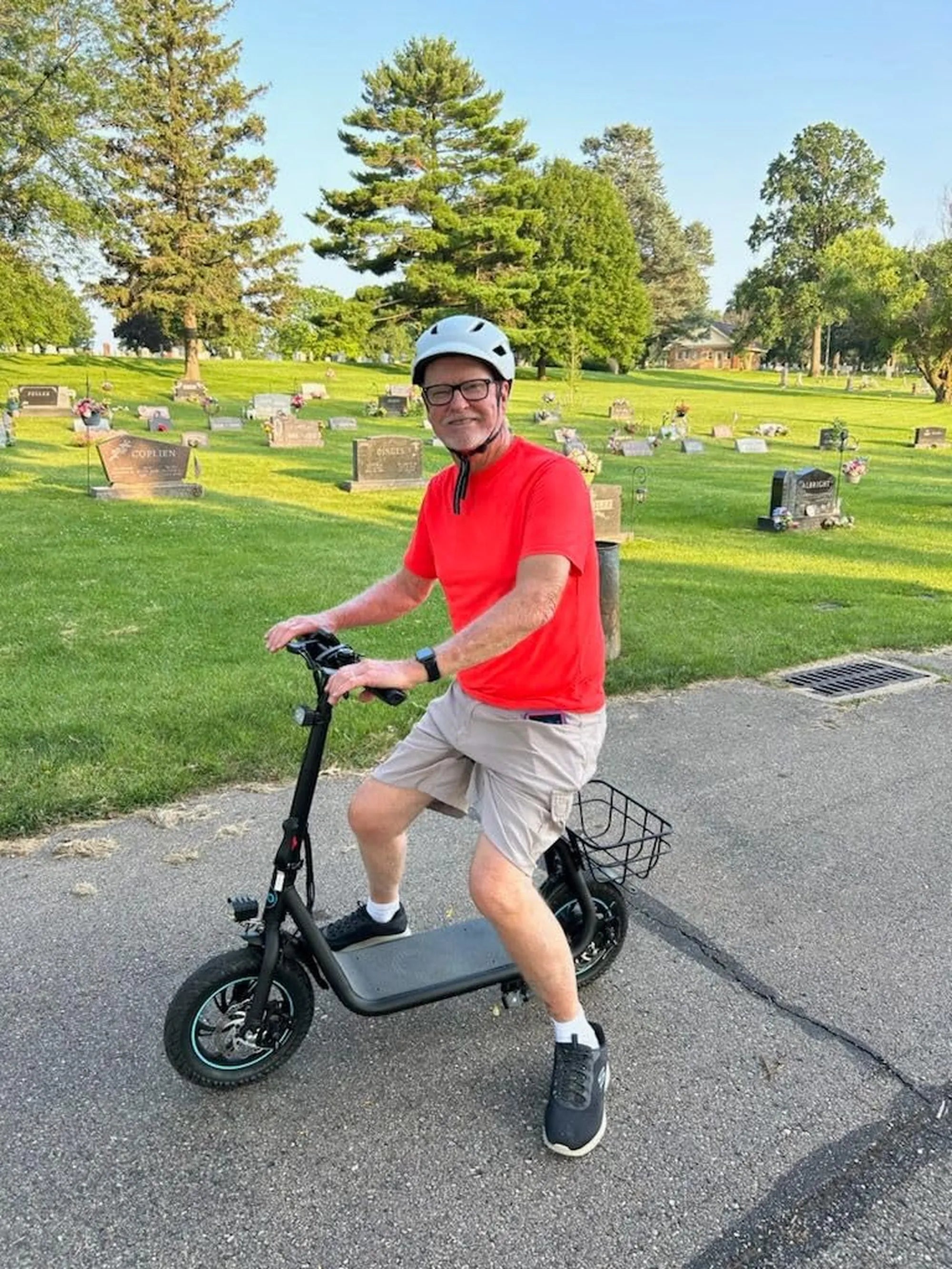
Introduction: Why Weight Capacity Matters for Adult Riders
Finding a reliable electric scooter for adults over 250 pounds requires moving beyond standard consumer models. Standard scooters, often rated for 220 lbs, can suffer from sluggish acceleration, dangerously reduced braking distance, and premature component failure under heavier loads. This isn't just about comfort—it's a critical safety and performance issue. This guide cuts through the marketing to focus on the engineering and specifications that truly matter for a secure and powerful ride.
You need a machine engineered for real-world diversity, built with reinforced frames, high-torque motors, and robust systems designed to handle the stress. Brands like Gyroor, trusted by over 100,000 riders, design with this in mind, incorporating UL-certified batteries and IPX5 water-resistant designs. We will explore the key features, compare top-performing categories, and provide the data you need to make an informed, safe choice for a heavy-duty electric scooter.
Key Features to Look for in a Heavy-Duty Electric Scooter
Selecting a scooter when you weigh over 250 lbs demands a checklist grounded in mechanical reality. Prioritizing these core features ensures your scooter won't just function but will perform reliably and safely over the long term.
Motor Power and Torque: The Heart of the Ride
Motor wattage is the most critical spec for heavier riders. A 250W motor may struggle on a flat surface with a 250+ lb load; it will fail on any incline. Look for a minimum of 500W of continuous (nominal) power, with 800W to 1000W being ideal for confident city and hill riding.
Peak power (a short burst the motor can handle) is less important than sustained torque. High torque ensures strong acceleration from a stop and maintains speed on gradients. Dual-motor configurations offer the ultimate performance, effectively distributing the load and providing exceptional hill-climbing ability, though they consume battery faster.
Frame and Deck Construction: Built for Strength
The frame is the scooter's skeleton. For heavy-duty use, aircraft-grade aluminum alloy or reinforced steel is non-negotiable. Inspect weld points in product images; they should be clean and substantial. The deck must be longer and wider than average—aim for at least 20 inches long and 8 inches wide—to provide a stable, comfortable footing.
Always choose a scooter with a maximum weight limit that exceeds your weight by a significant margin. A 300 lb limit for a 250 lb rider provides a 50 lb safety buffer for cargo, dynamic forces from bumps, and component wear. This buffer is essential for long-term durability and safety.
Battery Performance Under Load: Range Realities
Advertised range is calculated under ideal conditions with a ~160 lb rider. Weight dramatically impacts range due to increased rolling resistance and energy required for acceleration. A scooter claiming 40 miles might only deliver 18-22 miles for a 250+ lb rider.
To combat this, seek high-capacity batteries, typically 15Ah (amp-hours) or higher, at a standard 48V or 52V. A sophisticated Battery Management System (BMS) is equally vital; it protects the UL-certified cells from over-current and ensures balanced charging, which is crucial for pack longevity under heavy load cycles.
Braking and Suspension Systems: Control and Comfort
Stopping power is paramount. A single mechanical brake is insufficient. Dual braking systems—combining hydraulic or disc brakes with electronic (regenerative) brakes—are the standard for safety. This provides redundancy and dramatically reduces stopping distance.
Suspension isn't just for comfort; it manages impact forces on the frame, motor, and you. Look for front and rear spring or hydraulic suspension with adjustable preload. This allows you to stiffen the suspension to prevent bottoming out, ensuring control and protecting the scooter's integrity on rough terrain.
Top-Performing Scooter Categories for Heavier Riders
The market segments into clear categories based on use-case and capability. Matching your primary riding environment to the right category is the next step after understanding the essential features.
Reliable Heavy-Duty Commuters
These scooters prioritize a balance of power, range, and portability for daily urban travel. They feature motors from 500W to 800W, batteries from 13Ah to 15Ah, and weight limits of 280-330 lbs. Key attributes include IPX5 or higher water resistance (like Gyroor's standard rating) for all-weather reliability, integrated lighting for visibility, and often a semi-pneumatic or air-filled tire for a balance of comfort and puncture resistance. Folding mechanisms must be robust and secure.
Rugged Off-Road and All-Terrain Models
Built for trails, gravel, and rough pavement, these are the powerhouses. They boast dual motors (often 1000W each or more), extreme torque, and maximum weight limits from 330 lbs to 400+ lbs. They are characterized by large, knobby 10-inch air-filled tires, extensive suspension travel, and reinforced stems and handlebars. While heavier and less portable, they offer unparalleled performance and durability for adventurous heavier riders.
High-Performance Premium Rides
This category represents the apex of technology and performance, combining the best of commuter refinement with off-road power. Expect dual motors exceeding 1000W each, massive battery capacities (20Ah+), advanced display and control systems, and ultra-robust construction. They offer the highest top speeds (where legal) and the most realistic range for heavy riders, but at a premium price. The law of diminishing returns applies, but for those seeking the absolute best, this is the tier.
Data-Driven Comparison: Performance at 180 lbs vs. 250+ Lbs
To set accurate expectations, it's crucial to understand how key performance metrics degrade under maximum load. The table below provides realistic estimates for a well-built, single-motor 800W commuter scooter with a 15Ah battery.
| Performance Metric | At 180 lbs (Advertised Basis) | At 250+ lbs (Realistic Estimate) | Performance Impact |
|---|---|---|---|
| Actual Range | 35 miles | 18 - 22 miles | -35% to -50% |
| Max Hill Grade Ability | 20% grade | 10-12% grade | -40% to -50% |
| Acceleration (0-15 mph) | 5.5 seconds | 8-9 seconds | +45% to +65% slower |
| Effective Braking Distance | 18 feet | 24+ feet | +33% or more |
| Suspension Comfort | Optimal travel | Near max travel, stiffer feel | Increased bottom-out risk |
This data underscores why selecting a scooter rated well above your weight is essential—it helps mitigate these performance penalties and ensures a safety margin for all systems.
Safety and Maintenance Tips for Maximizing Scooter Lifespan
Owning a heavy-duty scooter requires a proactive approach to care. Following these tailored practices will enhance safety, performance, and the longevity of your investment.
Pre-Ride Checks and Riding Best Practices
Before every ride, conduct a brief inspection. Check tire pressure weekly, as under-inflated tires increase rolling resistance and risk pinch flats. Listen for unusual creaks or grinding from the stem, motor, or suspension. Ensure all bolts, especially the folding mechanism and handlebar clamp, are tight.
Adopt a riding style that reduces component strain. Avoid sudden, full-throttle starts; accelerate smoothly. Anticipate stops to use regenerative braking first, supplementing with mechanical brakes. Distribute your weight centrally on the deck and bend your knees to absorb shocks, supplementing the suspension.
Essential Maintenance for Heavy-Duty Use
Maintenance intervals will be shorter due to increased stress. Inspect disc brake pads every 200-300 miles for wear. Clean the suspension stanchions and linkages regularly to prevent grit from damaging seals. Re-torque critical frame and stem bolts every few months.
Battery care is paramount. Follow the 20-80% rule when possible: avoid draining below 20% and don't leave it charged at 100% for extended periods. Store the scooter in a dry, temperate environment. Using the official UL-certified charger protects the battery management system and ensures safe charging cycles.
Frequently Asked Questions (FAQ)
Q1: Is it safe to ride right at the scooter's maximum weight limit?
It is not recommended. The maximum limit is an engineering threshold, not a target. Riding consistently at the limit leaves no safety margin for cargo, dynamic forces from bumps, or component wear over time. For optimal safety and durability, choose a scooter with a limit at least 50 lbs above your weight.
Q2: How much will my real-world range decrease compared to the advertised range?
Expect a 35% to 50% reduction. A scooter advertised for 40 miles with a 160 lb rider will typically achieve 18-25 miles for a rider over 250 lbs, depending on terrain, riding style, and temperature. Always base your purchase on real-world testimonials from heavier riders, not manufacturer claims.
Q3: Are there any specific laws or regulations for heavier electric scooters?
Laws typically regulate scooter speed, power (wattage), and where you can ride, not weight. However, a more powerful scooter (1000W+) may be classified differently in some local jurisdictions. Always check your local regulations regarding motor wattage, top speed (often capped at 15-20 mph on public roads), and required safety equipment like lights and helmets.
Q4: How does Gyroor's warranty support riders at higher weights?
Gyroor's 1-year warranty covers defects in materials and workmanship for the original purchaser. Their scooters are stress-tested, and using a model within its stated maximum weight limit is considered normal use, keeping the warranty fully valid. Their use of UL-certified battery packs and robust construction is a direct response to ensuring reliability across their diverse customer base.
Q5: Can I carry a backpack or other cargo on top of my weight?
Yes, but you must include the total weight (your weight + cargo) when assessing the scooter's capacity. A 10 lb backpack pushes a 250 lb rider to 260 lbs. Ensure your scooter's maximum limit comfortably exceeds this total. Distribute cargo weight evenly and securely to avoid affecting your balance.
Conclusion: Finding Your Perfect Heavy-Duty Match
The journey to finding the right electric scooter for adults over 250 pounds is defined by prioritizing engineering over aesthetics. Focus on the triumvirate of a high-torque motor (500W+), a reinforced frame with a substantial weight limit buffer, and a dual braking system. Understand that range will be significantly less than advertised and plan your usage accordingly.
Choosing a brand that designs for durability, like Gyroor with its UL-certified batteries, IPX5 water resistance, and commitment to a reliable 1-year warranty, provides a foundation of trust and safety. By applying the data and principles in this guide, you can confidently select a heavy-duty electric scooter that delivers power, safety, and enjoyment for miles to come. Ready to explore models built to carry you confidently? Browse the full Gyroor collection at gyroorboard.com to find your ultimate heavy-duty ride.
Good Quality Electric Scooters: Your Guide to the Best Ride
Long Distance Electric Scooters: The Ultimate Guide for Extended Rides