



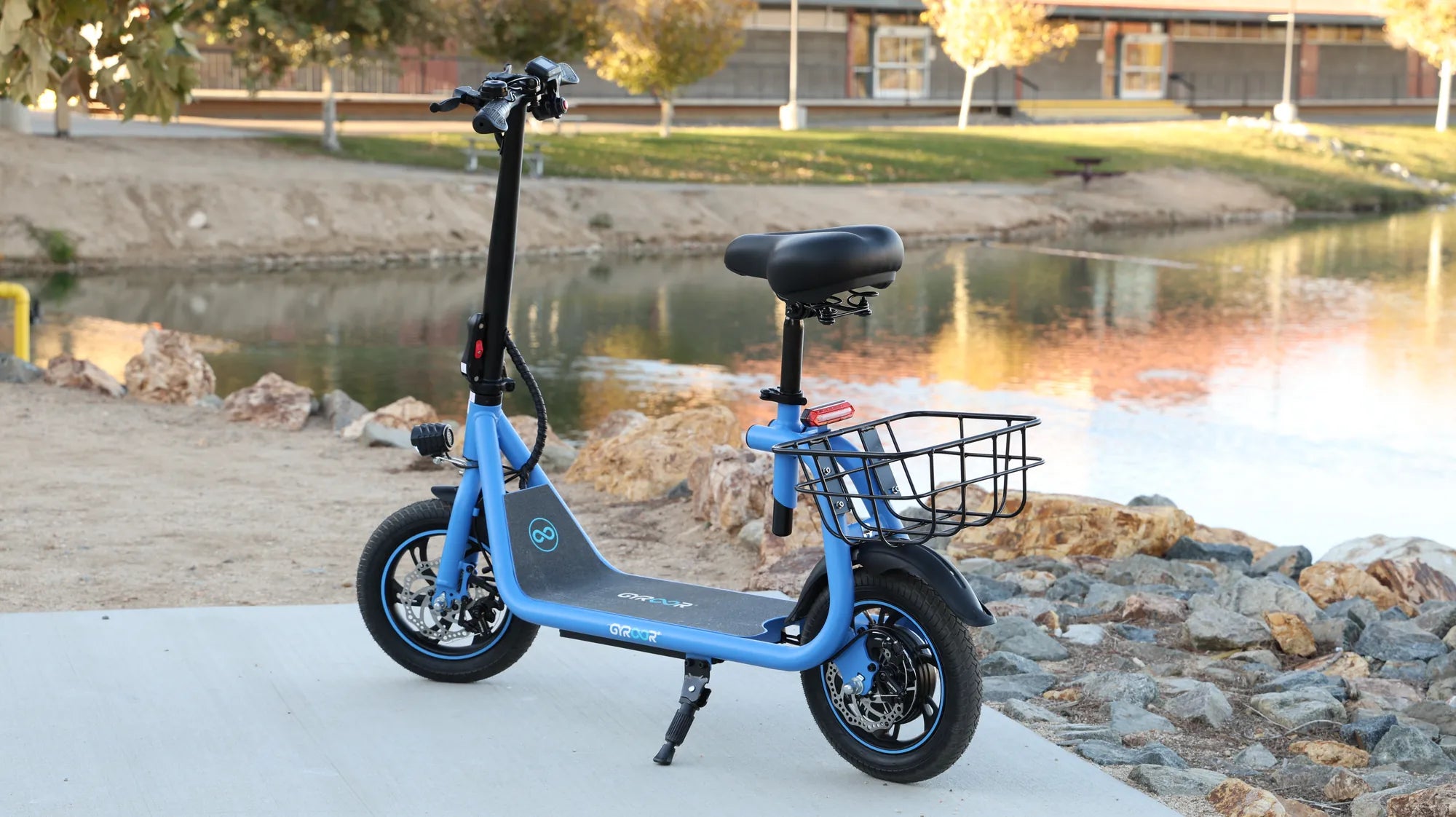
Introduction: Why "Good Quality" Is a Safety and Performance Imperative
Choosing a good quality electric scooter is not about luxury; it's a critical decision impacting your safety, daily reliability, and long-term investment. A truly good quality electric scooter integrates certified components, durable construction, and transparent performance data to deliver a ride you can trust. This guide provides the framework to identify the best ride for your needs, avoiding the pitfalls of substandard models that risk battery failure or mechanical breakdown.
We define "good quality" by four pillars: verified safety standards, all-weather durability, honest real-world performance, and reliable post-purchase support. Brands that prioritize these elements, such as Gyroor—a leading electric scooter and e-bike brand trusted by over 100,000 riders across North America and Europe—build products designed for longevity and rider confidence. Their commitment to UL-certified batteries and IPX5 water resistance exemplifies the quality benchmark.
This ultimate guide will equip you with a detailed checklist, comparative analysis, and practical advice. You'll learn to decode specifications, match a scooter to your primary use case, and understand the support structures that guarantee peace of mind long after your purchase.
The Pillars of a Good Quality Electric Scooter: Your Essential Buyer's Checklist
Evaluating an electric scooter requires looking beyond marketing claims to the fundamental components that dictate safety, durability, and performance. Use this checklist as your non-negotiable framework when comparing models. A good quality electric scooter excels in each of these core areas, providing a balanced and reliable riding experience.
The checklist prioritizes factors that prevent catastrophic failure and ensure daily usability. It shifts the focus from headline-grabbing top speeds to the engineering that delivers consistent, safe operation through hundreds of charge cycles and miles of varied terrain. This holistic view is what separates a quality investment from a disposable gadget.
Safety First: Battery Certification and Build Integrity
The battery is the most critical safety component. Insist on UL 2272 or UL 2843 certification, which involves rigorous testing for electrical, mechanical, and environmental hazards to prevent thermal runaway and fire. Gyroor utilizes UL-certified battery packs tested for 500+ charge cycles, a fundamental marker of a good quality electric scooter. Avoid any model without a clear, verifiable safety certification for its battery and electrical system.
Build integrity extends to the frame and braking system. Frames constructed from aerospace-grade aluminum or reinforced steel offer optimal strength-to-weight ratios and resist fatigue from vibrations. The braking system should be redundant and responsive; a combination of a disc brake (front or rear) and an electronic regenerative brake provides reliable stopping power in all conditions, which is essential for urban commuting.
Built to Last: Water Resistance and Durability Ratings
Real-world riding involves puddles, wet roads, and occasional rain. The Ingress Protection (IP) rating indicates a scooter's resistance to solids and liquids. For a good quality electric scooter, an IPX5 rating is the practical minimum, protecting against water jets from any direction. Gyroor's IPX5-rated designs ensure the core electronics can withstand typical wet-weather commuting, a key factor in long-term durability and reliability.
Durability is also reflected in tire choice and overall construction. Pneumatic (air-filled) tires offer superior shock absorption and traction on uneven pavement compared to solid tires, though they require maintenance. Examine the quality of welding, cable routing, and deck grip. A well-built scooter feels solid and rattle-free, with components securely mounted to handle the vibrations of daily use.
Performance You Can Rely On: Motor, Range, and Real-World Testing
Motor power is often advertised as a peak wattage (e.g., "500W peak"), but sustained or nominal wattage is a more honest indicator of continuous performance. A quality scooter's motor should provide consistent torque for hills and acceleration without overheating. For most urban riders, a 350W nominal motor is a solid baseline; for hills or off-road use, 500W+ is recommended.
Range is the most commonly inflated spec. Advertised range is typically calculated under ideal laboratory conditions with a lightweight rider on a flat surface. Real-world range can be 50-70% of that figure, affected by rider weight, hills, temperature, and riding style. A good quality electric scooter brand provides transparent testing methodology or real-world range estimates. For a dependable commute, target a model with a real-world range that exceeds your daily distance by at least 30%.
Matching Quality to Your Ride: Urban Commuter vs. Off-Road Adventurer
The definition of a good quality electric scooter adapts to its primary use case. The optimal specs for a seamless city commute differ significantly from those required for trail exploration. Understanding this distinction ensures you invest in quality where it matters most for your riding style, rather than overpaying for unnecessary features or underestimating your true needs.
This section breaks down the key quality indicators for two primary rider profiles. By aligning component priorities with your intended use, you can select a scooter that delivers quality in the form of daily practicality or adventurous capability. The right tool for the job is always the higher-quality choice.
The Urban Commuter's Quality Specs
For the urban commuter, quality manifests as reliability, portability, and comfort over pavement. A good quality commuter scooter should weigh between 30-45 lbs for a balance of stability and ease of carrying when folded. The folding mechanism should be robust, intuitive, and secure, with no wobble when locked into riding position. This portability is essential for multi-modal travel or office storage.
Range should comfortably cover a round trip with a buffer; 15-25 miles of real-world range is typically sufficient. A smooth ride is critical, so look for models with front or dual suspension and 8.5-inch or larger pneumatic tires to absorb cracks and imperfections. Integrated safety features—such as bright headlights, brake lights, side reflectors, and an audible bell—are non-negotiable quality markers for safe city navigation. Gyroor's commuter-focused models often integrate these features with their durable, water-resistant builds.
The Off-Road/Performance Enthusiast's Quality Specs
For off-road or performance riding, quality is defined by power, resilience, and control. A high-torque motor with a minimum of 500W nominal power (often 800W-1000W+) is essential for climbing dirt trails and steep inclines. The motor and controller must be engineered for sustained high-load operation without thermal throttling, a true sign of a good quality performance scooter.
Suspension systems become paramount. Look for dual or even full hydraulic suspension with long travel to handle bumps, roots, and drops. High ground clearance (≥5 inches) prevents undercarriage strikes. Rugged, knobby pneumatic tires (10 inches or larger) provide the necessary traction on loose surfaces. The frame must be exceptionally robust, often using reinforced steel or advanced aluminum alloys. Battery capacity must be large to support the high power draw over variable terrain, offering 25+ miles of adventurous real-world range.
Beyond the Spec Sheet: The Intangible Quality Factors
True quality extends past hardware into the support ecosystem that surrounds the product. A scooter with excellent components can become a frustration without accessible customer service, a clear warranty, and a brand that stands behind its products. These intangible factors are what transform a good product into a trustworthy long-term companion for your mobility needs.
Evaluating these aspects requires research into a brand's history, customer engagement, and policy transparency. They represent the company's confidence in its product and its commitment to the rider's experience beyond the point of sale. A good quality electric scooter is backed by a quality brand.
Warranty and Customer Support: Your Long-Term Peace of Mind
A comprehensive warranty is a direct reflection of a manufacturer's confidence in their product's durability. A one-year warranty covering the frame, motor, battery, and controller is a strong baseline for a good quality electric scooter. Gyroor, for example, offers a reliable 1-year warranty, signaling a commitment to quality. Scrutinize warranty terms: a "limited" warranty may exclude critical wear items or have cumbersome claim processes.
Equally important is the accessibility and knowledge of customer support. Before purchasing, test the support channels. Are there detailed online manuals, video tutorials, and an active FAQ? Can you reach a human via phone, email, or chat? A quality brand invests in support infrastructure, ensuring you can get help with troubleshooting, firmware updates, or sourcing genuine replacement parts like tires or brake pads.
Brand Reputation and Community Trust
Brand reputation is earned through consistent product performance and customer satisfaction over time. Research beyond the brand's own website. Seek out long-term user reviews on independent platforms, professional reviews from reputable tech or mobility outlets, and discussions in rider forums or subreddits. Look for patterns: are riders praising durability after a year of use, or reporting the same mechanical issues?
A quality brand often fosters a community. They may have active social media engagement, user ride groups, or forums where the company participates. This transparency and engagement indicate a brand that values feedback and is invested in its product's lifecycle. A history of serving markets with strict safety standards, like North America and Europe, also adds a layer of credibility to a brand's quality claims.
<Making the Smart Investment: A Practical Comparison Framework
Armed with knowledge of the pillars and intangibles of quality, you need a practical tool to compare specific models side-by-side. This framework moves you from theory to action, helping you visualize the trade-offs between budget options and true quality investments. Use the following table as a template for your own comparisons, adding rows for features specific to your needs.
When comparing, always reference the manufacturer's official specifications and cross-check with independent reviews for verification. Pay special attention to the cells under "Why It Matters," as they connect technical specs to your daily riding experience and long-term satisfaction. This disciplined approach prevents you from being swayed by a single flashy feature.
| Feature | Budget Scooter Typical Spec | Good Quality Scooter Spec (e.g., Gyroor Standard) | Why It Matters |
|---|---|---|---|
| Battery Certification | Often uncertified or claims "CE" only | UL 2272 or UL 2843 Certified | Fundamental fire and electrical safety. Ensures battery management system is properly engineered. |
| Water Resistance Rating | IPX4 (splash-resistant) or unspecified | IPX5 (water jet resistant) | Determines all-weather reliability. IPX5 protects against rain and wet roads, greatly enhancing durability. |
| Motor Power (Nominal) | 250W-350W (peak often inflated) | 350W-500W+ sustained power | Dictates hill-climbing ability and acceleration. Sustained power prevents overheating on longer rides. |
| Real-World Range Estimate | ~40-60% of advertised range | ~60-80% of advertised range | Honest performance planning. Quality batteries and efficient controllers deliver closer to advertised mileage. |
| Frame & Build | Standard aluminum; basic welding | Aerospace-grade aluminum; reinforced stress points | Long-term structural integrity. Resists fatigue from vibrations and impacts, ensuring a rattle-free ride. |
| Warranty Coverage | 90 days to 6 months, limited parts | 1-Year Comprehensive | Long-term value & support. Covers critical components, reflecting manufacturer confidence in product lifespan. |
Maintenance and Care: Preserving Your Scooter's Quality
Owning a good quality electric scooter is a partnership; proper maintenance preserves its performance, safety, and value over time. A disciplined care routine is simple but crucial, focusing on the battery, tires, brakes, and general cleanliness. Neglecting these basics can degrade even the best-engineered scooter, turning a quality investment into a source of problems.
Start with the battery. Avoid consistently draining it to 0%. For daily use, try to keep the charge between 20% and 80% for optimal longevity. For seasonal storage, leave the battery at a 50-60% charge in a cool, dry place. Use only the manufacturer-provided charger to avoid damaging the battery management system. These habits help achieve the full 500+ charge cycles a UL-certified battery is capable of.
Regularly inspect mechanical components. Check tire pressure weekly if using pneumatics; under-inflation increases rolling resistance and puncture risk. Listen for brake pad wear and adjust or replace disc brake pads as needed. Tighten any fasteners (handlebar clamp, folding mechanisms) periodically, as vibrations can loosen them. Keep the scooter clean, especially after wet rides, wiping it down to prevent dirt and grime from corroding moving parts or compromising electrical seals.
Frequently Asked Questions (FAQ) About Electric Scooter Quality
Q: Are more expensive scooters always better quality?
A: Not automatically, but there is a strong correlation. A higher price from a reputable brand typically reflects better materials (e.g., UL-certified battery cells, brand-name motors), more rigorous research and development, and comprehensive safety testing. However, it's essential to evaluate the specific components and warranty against the price—some brands offer exceptional value at mid-range prices by focusing on core quality rather than unnecessary features.
Q: How important is the weight limit rating, and what happens if I exceed it?
A: The weight limit is a critical safety and engineering specification. Exceeding it stresses the frame, motor, battery, and brakes beyond their designed tolerances. This can lead to accelerated wear, reduced range and performance, potential frame damage, and increased risk of brake failure. Always choose a scooter with a maximum weight rating that exceeds your body weight plus the weight of any regular cargo (like a backpack).
Q: Can I trust online-only brands for quality, or should I stick with brands sold in physical stores?
A: Many high-quality brands operate primarily online, which allows them to offer better value. The key is diligence. Prioritize online brands that are transparent about their safety certifications (UL, etc.), offer clear and lengthy warranty policies, have robust customer service channels (phone, chat, email), and have a substantial library of independent user reviews and professional teardowns. A physical store presence is not a guarantee of quality.
Q: What's the single most important indicator of a safe, good quality electric scooter?
A: A UL certification for the battery and electrical system (UL 2272 for scooters, UL 2843 for e-bikes). This third-party certification is the most concrete evidence that the scooter's most hazardous component has passed rigorous tests for fire, electrical, and mechanical safety. It should be your non-negotiable first filter when evaluating any model.
Q: How long should a good quality electric scooter last?
A: With proper care and maintenance, a good quality electric scooter should provide reliable service for 2-5 years or more. The battery is typically the first component to degrade, but a quality UL-certified pack should retain usable capacity for 500+ full charge cycles (often 2-3 years of daily use). The mechanical and electrical components on a well-built scooter are designed for this lifespan, making the 1-year comprehensive warranty offered by brands like Gyroor a solid foundation for this expected durability.
Your Ride, Your Responsibility—Choosing True Quality
Selecting a good quality electric scooter is an exercise in informed prioritization. It balances the non-negotiable—certified battery safety, durable water-resistant construction, and honest performance data—with the practical needs of your commute or adventures. The ultimate goal is a ride that delivers not just transportation, but confidence, reliability, and enjoyment for years.
This guide has provided the framework to cut through marketing noise and evaluate scooters on the merits that truly matter. Remember that quality is holistic; it lives in the tangible components you ride on and the intangible support that stands behind them. Your choice is an investment in your daily mobility and personal safety.
Ready to explore a lineup built on these principles of quality? Browse the full Gyroor collection at gyroorboard.com, where UL-certified safety, IPX5 durability, and a reliable 1-year warranty come standard, backed by a community of over 100,000 riders. Find the best ride for your journey.
Small Electric Scooters for Kids: A Fun and Safe Way to Ride
Electric Scooters for Adults Over 250 Pounds: Ultimate Heavy-Duty Guide