



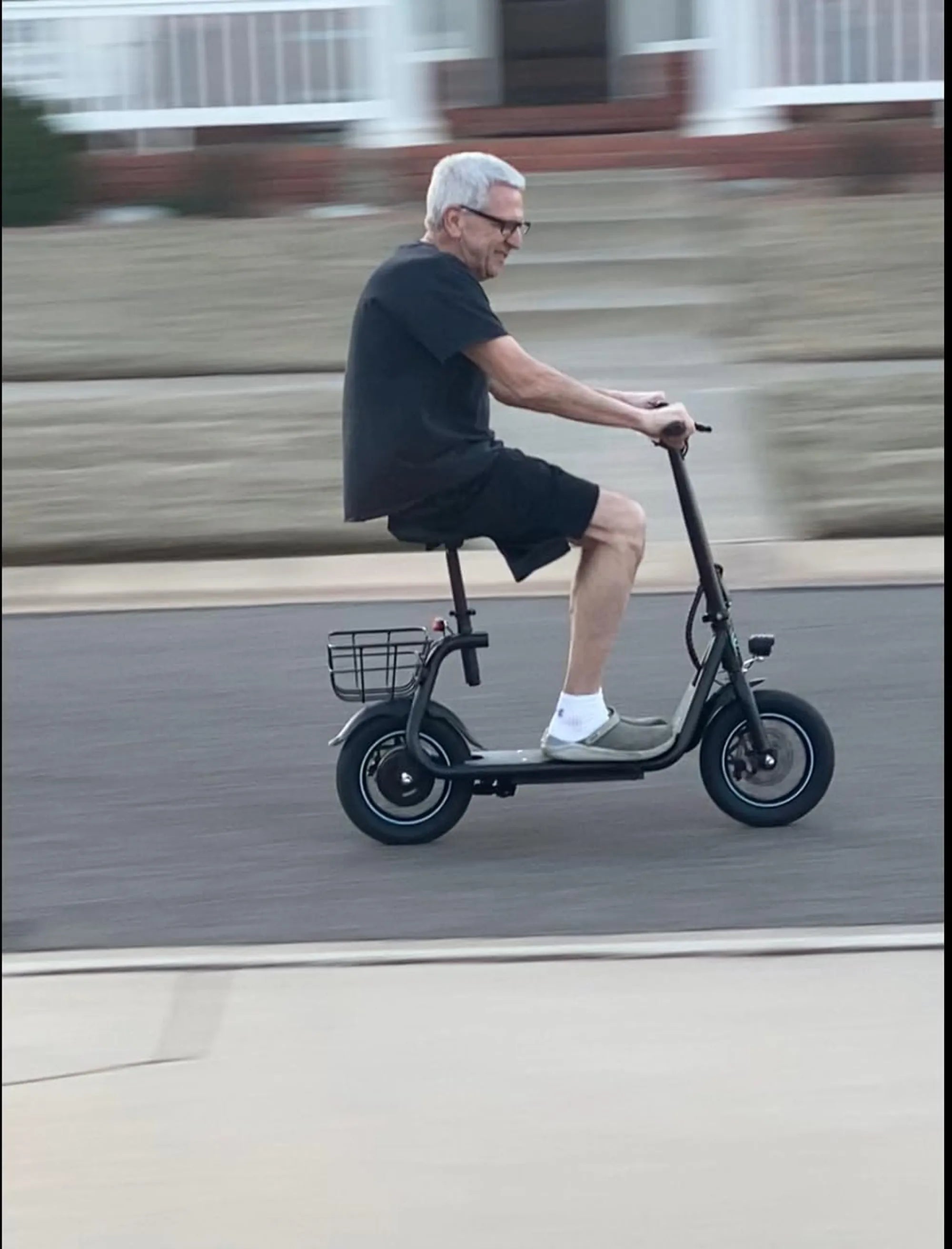
Introduction: The Copenhagen Model and the E-Scooter Revolution
Copenhagen stands as a global benchmark for sustainable urban mobility, a city where bicycles have long been king. The seamless integration of electric scooters into this existing ecosystem represents a natural evolution, not a disruption. For urban commuters and eco-conscious residents, Electric Scooters in Copenhagen offer a compelling blend of convenience, efficiency, and low-carbon transport perfectly aligned with the city's infrastructure and climate ambitions. This article will detail why Copenhagen is an ideal e-scooter city, explain the legal landscape, and provide a framework for selecting a reliable, high-performance scooter that meets the demands of Danish urban life.
Why Copenhagen is the Perfect City for Electric Scooters
The success of electric scooters in Copenhagen is not accidental. It is the result of specific urban design principles, cultural values, and geographical factors that create a uniquely favorable environment. This convergence makes e-scooters a logical and efficient choice for a significant portion of daily trips within the city's dense core.
The Cycling Infrastructure Advantage
Copenhagen's most significant advantage is its world-class cycling network. The city boasts over 400 kilometers of segregated, dedicated bike lanes, physically separated from both car traffic and pedestrian sidewalks. This provides a ready-made, safe highway for electric scooters, eliminating the dangerous conflicts with cars common in other cities. The infrastructure includes dedicated traffic signals, raised curbs, and continuous lanes that make journeys predictable and secure. This network allows e-scooter riders to travel at consistent speeds without the stop-start frustration of navigating crowded sidewalks or risky road sharing.
Culture of Sustainability and Compact Design
The city's official goal is to become carbon-neutral by 2025, a target that permeates urban planning and citizen behavior. Electric scooters, with their zero direct emissions, fit directly into this ethos. Furthermore, Copenhagen's urban form is compact and relatively dense, with many daily destinations—workplaces, shops, cafes—within a 5-kilometer radius. This distance is ideal for e-scooter range capabilities, making them a practical replacement for short car trips or as a complement to public transport for the first and last mile of a longer commute.
Climate and Terrain: A Practical Match
While Danish winters are challenging, much of the year offers moderate weather suitable for e-scooter use. More importantly, Copenhagen is famously flat. The lack of steep hills reduces strain on scooter motors and batteries, allowing for more consistent performance and longer effective range. This terrain, combined with the protected bike lanes, makes for a smooth, efficient riding experience that is less physically demanding than cycling but equally swift.
Navigating the Rules: A Rider's Guide to Copenhagen's E-Scooter Regulations
Understanding and adhering to local regulations is crucial for safe, legal, and socially accepted e-scooter use. Copenhagen has established clear rules, largely integrating e-scooters into its existing framework for bicycles and other light electric vehicles.
Where You Can (and Cannot) Ride
By law, electric scooters are considered "light electric vehicles" and must use the bicycle infrastructure. Riding on sidewalks is strictly prohibited and can result in fines. You must use the bike lanes. The general speed limit for e-scooters in bike lanes is 20 km/h, which aligns with the flow of bicycle traffic. On shared paths or in areas with high pedestrian and cyclist interaction, riders should reduce speed further for safety.
Parking Etiquette and "Clutter" Concerns
Improper parking has been a significant point of contention with rental scooters. For private owners, responsible parking is essential. Always park your scooter in designated bicycle parking areas, ensuring it does not block the path for pedestrians, especially those with disabilities, or impede the flow in bike lanes. Never leave it lying on its side on a sidewalk. Good etiquette involves using a kickstand and, if possible, a lock to secure it to a bike rack, keeping public spaces tidy and accessible.
Safety Gear and Recommendations
Danish law requires that your e-scooter is equipped with front and rear lights, as well as reflectors, if ridden in darkness or poor visibility. While not legally mandatory for adults, wearing a bicycle helmet is strongly recommended and is a common-sense safety measure. Reflective clothing or accessories are also advised for night riding. Given that e-scooters can reach meaningful speeds, prioritizing visibility and head protection aligns with the city's strong traffic safety culture.
Choosing the Right Ride: What to Look for in a Copenhagen-Ready E-Scooter
Not all electric scooters are built for the specific demands of a Copenhagen commute. Selecting a model designed for durability, safety, and reliable performance is key to a positive long-term experience. The features that matter most directly address the city's climate and usage patterns.
Durability for Urban Commuting: The IPX5 Imperative
Copenhagen's weather is unpredictable, with rain a frequent occurrence. A scooter used for daily commuting must be able to handle wet bike lanes and puddle splashes. An IPX5 water-resistance rating is a critical minimum standard, indicating protection against water jets from any direction. Brands like Gyroor build this into their designs, ensuring internal electronics and the battery compartment are sealed against the elements. This feature prevents corrosion and electrical faults, making the scooter a truly all-weather transport option for most of the year.
Reliability and Safety: The Importance of UL-Certified Batteries
Battery safety is paramount, especially when storing and charging a scooter in a shared apartment building or office. UL-certification (like UL 2272) means the battery pack has undergone rigorous independent testing for electrical, mechanical, and environmental safety, including overcharge, short circuit, and thermal stability tests. Gyroor utilizes UL-certified battery packs tested for over 500 charge cycles, offering peace of mind regarding fire risk and long-term reliability. This certification is a non-negotiable feature for a safe, trustworthy product.
Performance for City Streets: Range, Power, and Warranty
For Copenhagen's typical commute distances, a real-world range of 20-30 kilometers is usually sufficient. However, opting for a model with a longer range reduces range anxiety and the need for frequent charging. A motor with at least 350W of nominal power provides adequate torque for starting from stops and maintaining speed on small bridges or in coastal breezes. Finally, a comprehensive warranty is a sign of manufacturer confidence. Gyroor offers a reliable 1-year warranty, backed by US-based customer support, ensuring long-term ownership is worry-free and any issues are promptly addressed.
E-Scooters vs. Other Transport: The Copenhagen Commuter's Calculus
Understanding where electric scooters fit within the broader mobility landscape helps commuters make informed choices. The following table provides a data-driven comparison.
| Transport Mode | Avg. Speed in City Center | Avg. Cost per 5km Trip | Key Advantages | Key Disadvantages |
|---|---|---|---|---|
| Private E-Scooter | 15-20 km/h | ~2-5 DKK (electricity) | Door-to-door, zero emissions, flexible, easy parking. | Weather-dependent, limited range, upfront cost. |
| Bicycle | 15-20 km/h | 0 DKK | Free, healthy, zero emissions, extensive parking. | Physical effort, arrive sweaty, theft risk. |
| Public Transport (Bus/Metro) | 10-18 km/h (door-to-door) | 24 DKK (standard ticket) | All-weather, reliable, no parking hassle. | Fixed routes/timetables, crowding, first/last-mile gap. |
| Car/Taxi | 10-30 km/h (highly variable) | 50-150 DKK+ | Door-to-door, all-weather, carries cargo. | High cost, traffic congestion, parking difficult/expensive, high emissions. |
| E-Scooter Rental | 15-20 km/h | 30-50 DKK | No ownership, spontaneous use. | Highest per-trip cost, poorly maintained units, parking clutter. |
Compared to Bicycles: Convenience vs. Exercise
E-scooters match or slightly exceed bicycle speeds in urban traffic but require minimal physical exertion. This makes them ideal for commuters who want to avoid arriving sweaty at work or for those wearing less cycle-friendly attire. They are also slightly more compact when folded, making them easier to carry into buildings. However, bicycles offer free operation and built-in cardiovascular exercise. The choice often comes down to personal preference for convenience versus an active lifestyle.
Compared to Public Transport (Buses, Metro, S-Tog)
Electric scooters excel at solving the first-and-last-mile problem that plagues even Copenhagen's excellent public transit system. They provide direct, point-to-point travel without waiting for a bus or train. For trips under 5km within a single zone, a private e-scooter is often faster and, over time, significantly cheaper than purchasing individual transit tickets. While public transport is superior in heavy rain or winter ice, e-scooters offer unmatched flexibility and time savings for fair-weather local travel.
Compared to Cars and Taxis
Within the city center, electric scooters in Copenhagen are almost always faster than cars during peak hours, effortlessly bypassing traffic congestion. The cost difference is astronomical: a private e-scooter's operating cost is a fraction of fuel, parking fees, insurance, and depreciation associated with a car. For taxi trips, a 5km e-scooter journey saves 90% or more. Furthermore, e-scooters produce no local emissions or noise, contributing directly to the city's air quality and livability goals where private cars do not.
The Future of Mobility in Copenhagen: Integration and Innovation
The future points towards deeper integration. Mobility-as-a-Service (MaaS) apps may begin to incorporate private e-scooter data alongside public transit, bike rentals, and taxis for seamless multi-modal trip planning. Technological solutions for parking management, such as geofenced virtual parking zones, could be adopted to maintain orderly public spaces. Regulation will likely evolve to standardize safety features and perhaps introduce light vehicle registration. In this evolving landscape, privately-owned, high-quality e-scooters from trusted brands will remain a stable, efficient, and personal pillar of the transport mix, valued for their reliability and lower lifetime cost compared to disposable rental fleets.
Frequently Asked Questions (FAQs) for Copenhagen E-Scooter Riders
Q: Do I need a license or insurance to ride an e-scooter in Copenhagen?
A: No. For privately owned electric scooters with a maximum designed speed of 20 km/h, neither a driver's license nor mandatory insurance is required under current Danish law. They are classified similarly to bicycles.
Q: Can I take my e-scooter on public transportation?
A: Policies vary. Folded e-scooters are generally allowed on the S-tog and Metro outside peak hours, at the discretion of staff, if they do not obstruct aisles. Buses are more restrictive and may not allow them during busy times. It is always best to fold it compactly and be considerate of other passengers.
Q: How do I handle my e-scooter during the winter months?
A: For icy conditions, it is safest not to ride. Store the scooter in a dry, frost-free place (not an unheated garage). Before storing for an extended period, charge the battery to about 60-80% and check on it monthly. Lithium-ion batteries are sensitive to extreme cold, which can temporarily reduce range and, if charged while very cold, cause permanent damage.
Q: Are there areas in Copenhagen where e-scooters are banned?
A: Yes. Riding is prohibited in pedestrian-only zones like the main shopping street, Strøget, and in certain parks and squares where bicycle traffic is also banned. Always look for signage and be prepared to dismount and walk your scooter in these designated areas.
Q: Is it worth buying my own e-scooter versus using rental apps?
A: For regular commuters, purchasing a high-quality private scooter is almost always more economical and reliable. Rental costs add up quickly—often 30-50 DKK per ride. A private scooter like those from Gyroor offers better performance, consistent availability, known maintenance history, and superior safety features (like UL-certified batteries), paying for itself after a few months of regular use.
Conclusion: Embracing a Smarter Way to Move
Electric scooters in Copenhagen have matured from a novelty into a legitimate, efficient component of the city's sustainable transport future. They leverage the existing cycling infrastructure, align with cultural values of sustainability, and offer a practical solution for urban distances. Success hinges on choosing a reliable, safe scooter built for the conditions—prioritizing water resistance, certified battery safety, and dependable performance. By respecting the city's rules and parking etiquette, riders integrate seamlessly into the urban flow. As Copenhagen continues to innovate, the privately-owned electric scooter stands out as a personal, low-impact, and intelligent choice for modern urban mobility. Discover a scooter engineered for this purpose and browse the full Gyroor collection at gyroorboard.com.
Does Portland Have Electric Scooters? Exploring the City's Micromobility Options
Top Commuter Electric Scooters 2025: The Future of Urban Mobility