

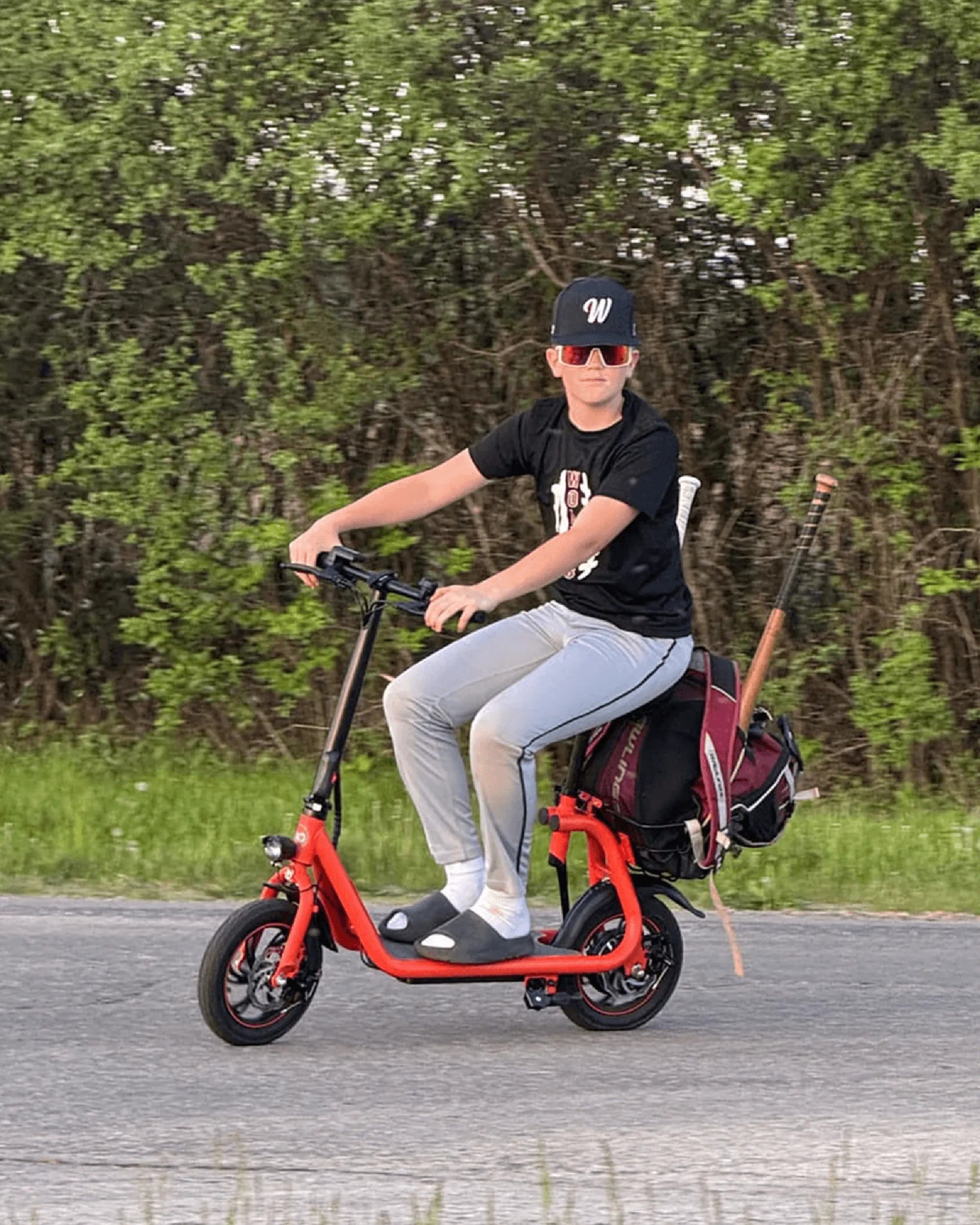
Introduction: Redefining the Urban Commute in 2025
The urban commute is undergoing a fundamental transformation. As cities grow denser and the demand for efficient, sustainable transport intensifies, the commuter electric scooter has evolved from a novelty into a legitimate, primary mode of transportation. The landscape in 2025 is defined by significant advancements in battery safety, integrated smart technology, and rugged durability designed for daily use. This article will dissect the critical features that define a top-tier commuter scooter, analyze the trends shaping the market, and provide a clear framework for making an informed purchase. We will explore how leading brands, including Gyroor—a brand trusted by over 100,000 riders across North America and Europe for its UL-certified batteries and IPX5 water-resistant designs—are engineering the future of urban mobility.
What Defines a Top-Tier Commuter Scooter in 2025?
Selecting a scooter for daily commuting requires a different lens than choosing one for occasional recreation. A top commuter electric scooter in 2025 must be a reliable, safe, and practical tool capable of handling the rigors of daily use across various urban environments. The evaluation hinges on a triad of core attributes: performance that meets real-world demands, construction that withstands the elements, and a design that prioritizes daily convenience. These criteria form the foundation for a purchase that is an investment in daily efficiency, not just an impulse buy.
Key Performance Metrics: Range, Speed, & Power
Performance specifications must translate to real-world utility. For the average commuter, a real-world range of 15-20 miles is often the minimum to alleviate range anxiety, accounting for variables like rider weight, inclines, and stop-start traffic. A top speed of 15-20 mph typically aligns with urban speed limits and bike lane regulations, providing a swift alternative to congested car traffic. Motor power, measured in watts, determines hill-climbing ability and acceleration; a 350W motor is a common baseline for flat terrains, while 500W or more provides confidence on moderate hills.
Underpinning all performance is the battery. Not all battery packs are created equal. UL-certification has become a non-negotiable safety benchmark, indicating rigorous testing for electrical, mechanical, and fire safety. A battery with a 500+ charge cycle rating, like those used in Gyroor models, ensures long-term value and reliability, directly impacting the total cost of ownership.
Durability & Weather Resistance: Built for the Real World
A commuter scooter faces potholes, curbs, rain, and dust daily. Durability starts with a robust frame, typically made from aerospace-grade aluminum, that can absorb shocks without flexing. The IP (Ingress Protection) rating is critical; an IPX5 rating, as found on Gyroor scooters, means the scooter can withstand water jets from any direction, making it safe to ride in light rain and through puddles. Tire choice is equally vital: pneumatic (air-filled) tires offer superior shock absorption and traction, while advanced airless tires eliminate the risk of flats at a potential cost to ride comfort.
Portability & Daily Practicality
The best commuter scooter seamlessly integrates into a multi-modal journey. Portability is defined by a combination of weight and folding mechanism efficiency. A weight between 30-45 lbs strikes a balance between sturdy construction and the ability to carry it up a flight of stairs or onto public transit. The folding mechanism must be intuitive, quick, and secure, allowing the scooter to transform into a compact package in seconds. Deck size and handlebar ergonomics also contribute to practicality, ensuring a stable and comfortable stance during the ride.
The 2025 Commuter Scooter Landscape: Features Shaping the Future
Beyond core specs, the 2025 commuter scooter is defined by a suite of features that enhance safety, connectivity, and comfort. These innovations transform the scooter from a simple vehicle into an intelligent mobility partner, integrating data and design to create a superior riding experience.
Smart Integration & Connectivity
Companion smartphone apps are now central to the premium commuter experience. These apps allow riders to lock their scooter electronically, track ride statistics (distance, speed, battery consumption), customize performance modes (e.g., eco, sport), and perform diagnostic checks. GPS tracking adds a powerful anti-theft layer, while firmware updates delivered over-the-air can improve performance and add features long after purchase. This connectivity turns raw data into actionable insights for optimizing your commute.
Enhanced Safety Systems: Beyond the Brakes
Safety in 2025 extends far beyond a simple braking system. Integrated lighting is paramount: bright front headlights, ambient deck lighting, and responsive brake lights ensure visibility to others. Electronic or mechanical turn signals are becoming standard, signaling intent clearly to traffic. The braking system itself is often a dual or triple setup, combining a regenerative brake (which recovers energy) with a front disc brake and rear mechanical brake for maximum stopping power and control. A wider deck and lower center of gravity further enhance stability at speed.
Comfort Innovations for Longer Rides
For commutes exceeding 15-20 minutes, comfort is a critical performance metric. Suspension systems—whether spring-based or hydraulic—absorb impacts from uneven pavement, reducing fatigue on joints and the spine. As mentioned, pneumatic tires play a huge role in comfort. Some models feature dual suspension (front and rear) for a truly plush ride. Ergonomic handlebars with rubberized grips reduce hand numbness, and adjustable stem heights allow for a more natural riding posture, making longer journeys not just possible but pleasant.
Navigating Your Purchase: Warranty, Support, and Peace of Mind
The technical specifications on a website tell only half the story. The long-term ownership experience is defined by the warranty and customer support backing the product. This is where the value proposition of a reputable brand becomes crystal clear, offering peace of mind that far outlasts the initial purchase excitement.
The Critical Importance of a Comprehensive Warranty
A strong warranty is a manufacturer's vote of confidence in its product. Look for a warranty that covers the frame, motor, battery, and electronic controller as separate components for a minimum of one year. This protects against manufacturing defects that could otherwise lead to costly repairs. Gyroor's standard 1-year comprehensive warranty serves as a benchmark, ensuring that your investment is protected as you rely on it daily. Scrutinize warranty terms; a reputable warranty is transparent and accessible.
Understanding Battery Safety and Certification
Battery safety is the single most important safety feature on an electric scooter. UL certification (specifically UL 2271 for the battery pack and UL 2849 for the entire electrical system) is the industry gold standard. It involves rigorous testing for overcharge, short circuit, crush, drop, and thermal exposure. Choosing a scooter with a UL-certified battery, like all Gyroor models, mitigates the primary risk associated with lithium-ion batteries and ensures the pack is built to last through hundreds of charge cycles safely.
The Value of Accessible, Responsive Customer Support
When an issue arises, the quality of customer support is paramount. Brands with dedicated, responsive support teams—particularly those based in your region—can dramatically reduce downtime. This includes clear communication channels for troubleshooting, a streamlined process for warranty claims, and readily available replacement parts. The alternative—dealing with slow, overseas-based support with language barriers—can turn a minor issue into a major frustration, leaving you without your primary commute vehicle for weeks.
Making the Choice: Aligning Your Scooter with Your Commute
The perfect commuter electric scooter is the one that best fits your specific journey. By profiling common commuting patterns, we can match priority features to real-world needs, helping you translate technical specs into daily benefits.
Profile 1: The Short-Haul Urbanite (Under 5 Miles)
For quick trips across downtown or a last-mile solution from transit, priorities shift dramatically. Ultra-portability is key. Look for scooters under 35 lbs with a lightning-fast, one-step folding mechanism. A real-world range of 10-15 miles is more than sufficient, allowing a focus on compact design and ease of carry. Durability remains important for daily use, but extreme power and long-range batteries add unnecessary weight and cost.
Profile 2: The Distance Commuter (5 to 15+ Miles)
This rider needs a workhorse. Maximum real-world range is the top priority, necessitating a larger, high-quality battery pack (with UL certification). Comfort features become essential: full suspension, pneumatic tires, and a wide deck are necessary for a 30+ minute ride. Motor power should be 500W or higher to maintain speed on longer stretches and moderate hills. Here, the investment in a robust warranty and proven brand reliability pays dividends in daily dependability.
Profile 3: The Multi-Modal Traveler
This commute combines scooting with buses, trains, or subways. The scooter must be an easy-to-manage package. Priority number one is the combination of lightweight design (aim for under 33 lbs) and the most compact fold possible. A streamlined profile when folded prevents it from being a burden in crowded transit. Quick-folding mechanisms and a built-in carry handle or strap are invaluable. Range can be moderate, as individual ride segments are shorter.
Commuter Scooter Comparison: Key Specifications at a Glance
This table provides a snapshot of how different scooter profiles translate into key specifications, helping you compare potential models based on your primary use case.
| Commuter Profile | Priority Features | Ideal Weight | Target Range | Key Specs to Look For |
|---|---|---|---|---|
| Short-Haul Urbanite | Portability, Fast Folding | Under 35 lbs | 10-15 miles | Compact fold, simple controls, IPX4/5 rating |
| Distance Commuter | Range, Comfort, Power | 40-55 lbs | 20+ miles | UL-certified battery, suspension, 500W+ motor, comprehensive warranty |
| Multi-Modal Traveler | Lightweight, Compact Fold | Under 33 lbs | 12-18 miles | One-step folding, carry handle, slim folded dimensions |
Frequently Asked Questions (FAQ)
1. Are electric scooters legal for my daily commute?
Laws vary significantly by city, state, and country. Generally, you must check local regulations regarding where you can ride (bike lanes vs. roads vs. sidewalks), maximum speed limits, minimum rider age, and helmet requirements. Most urban areas now have specific e-scooter laws; a quick search for your city's "micromobility" regulations is essential before riding.
2. How do I maintain my commuter scooter for longevity?
Regular maintenance is simple but crucial. Keep tire pressure at the recommended PSI (for pneumatic tires). Periodically check and adjust brake calipers for responsiveness. Clean the scooter with a damp cloth, avoiding direct high-pressure water jets on electronic parts. Store it in a dry place and avoid leaving the battery fully depleted or at 100% charge for extended periods. Follow the manufacturer's specific charging guidelines.
3. What is the true cost of ownership beyond the sticker price?
The initial purchase is just the start. Factor in the cost of a quality helmet and safety gear. Over time, you may need to replace wear items like brake pads, tires (especially pneumatic ones), and inner tubes. A strong warranty can mitigate major repair costs for the motor or battery. The largest savings, however, come from displacing costs for fuel, public transit fares, and ride-sharing services.
4. How important is water resistance for a commuter scooter?
Extremely important if you plan to ride regularly. Weather is unpredictable. An IPX5 rating means your scooter is protected against water spray from all directions, allowing you to ride confidently in light rain or on wet roads. Never submerge a scooter or ride through deep puddles, as this can exceed the design protection.
5. Can I carry my electric scooter on public transportation?
Policies are set by individual transit authorities. Many bus and train systems allow folded electric scooters, treating them like luggage or folded bicycles, but they often prohibit riding them on platforms or inside vehicles. Always check the specific rules of your local transit agency, and be courteous—fold your scooter completely and keep it out of aisles during peak hours.
Your Next Step Towards Smarter Urban Mobility
The future of urban mobility is personal, efficient, and sustainable, and the top commuter electric scooters of 2025 are leading the charge. Your decision should be guided by a clear understanding of your commute, a demand for verified safety standards like UL-certification, and the assurance of strong manufacturer support. By prioritizing these factors, you invest in more than a vehicle; you invest in time saved, stress reduced, and a greener daily routine. Explore how a meticulously engineered scooter can redefine your city travel. Browse the full Gyroor collection, featuring UL-certified, IPX5-rated models backed by a 1-year warranty, at gyroorboard.com to find the perfect partner for your 2025 commute.
Electric Scooters in Copenhagen: The Future of Urban Mobility
Security for Electric Scooters: Essential Tips to Keep Your Ride Safe