



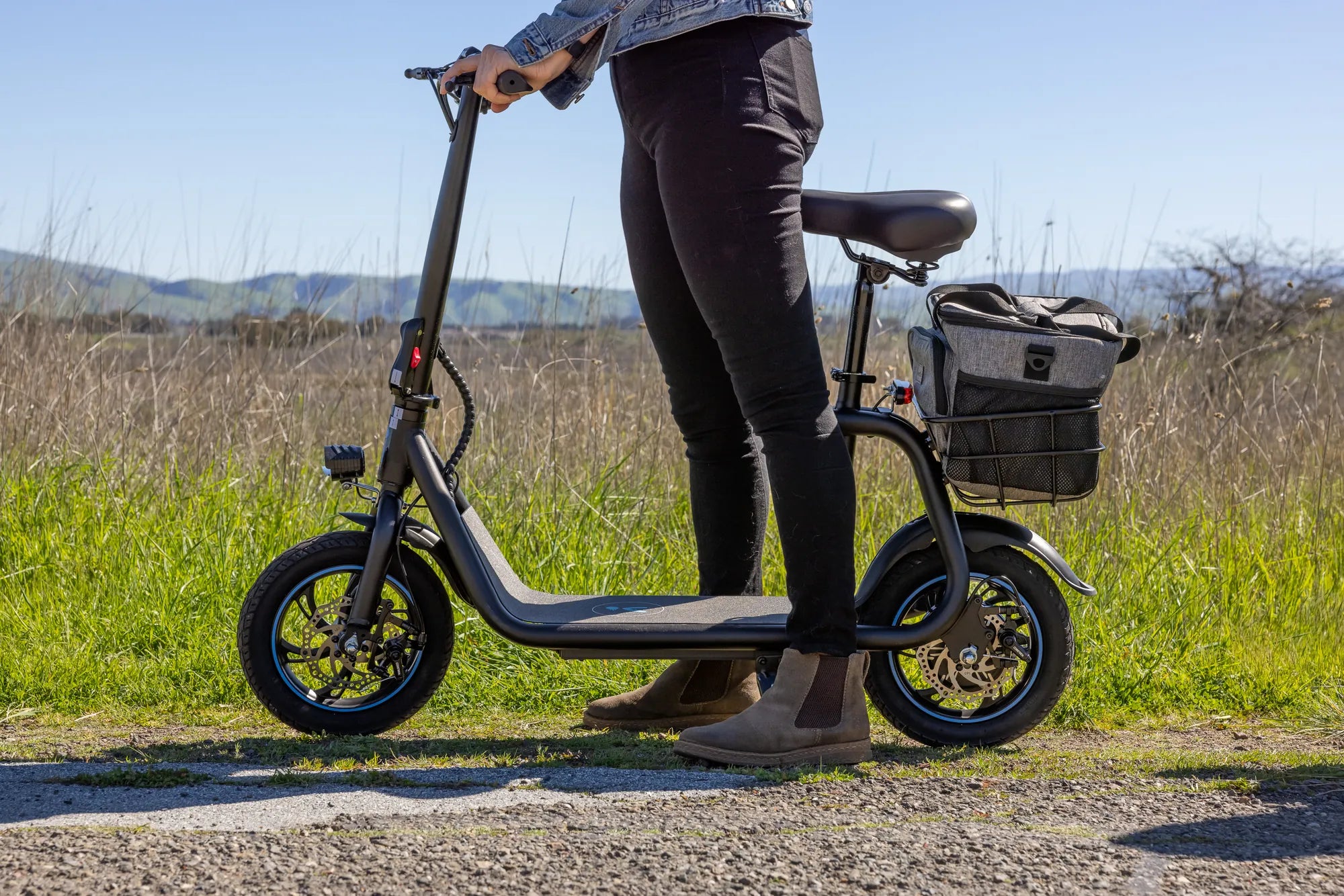
Introduction: The Rise of Electric Scooters in Japan
Electric scooters are transforming how people navigate Japan's famously dense and efficient cities. This isn't just a fleeting fad; it's a data-driven shift in urban mobility, driven by a perfect storm of regulatory change, environmental imperatives, and practical necessity. The keyword for this evolution is clear: Electric Scooters in Japan: A Growing Trend in Urban Mobility. This article provides a complete analysis of this phenomenon, from the revised legal code to the specific scooter features that make sense for Japanese streets.
You will learn about Japan's updated e-scooter regulations, the economic and social factors fueling adoption, and how to select a scooter that is both legal and reliable. We'll compare sharing services versus ownership and project the future role of e-scooters in Japan's smart city initiatives. For commuters, students, and urban residents, understanding this trend is key to unlocking a faster, greener, and more flexible way to move.
The Legal Landscape: Navigating Japan's E-Scooter Regulations
The most significant catalyst for the growth of electric scooters in Japan was the July 2023 amendment to the Road Traffic Act. This legislation created a new vehicle category, fundamentally lowering the barrier to entry for millions of potential riders. Prior to this change, most e-scooters were classified as motorcycles, requiring a license, registration, and insurance, which stifled adoption.
The new law distinguishes between two types. "Class 1" motorized bicycles include e-scooters with a maximum designed speed of 20 km/h. These can now be ridden without a driver's license by anyone aged 16 or over. "Class 2" vehicles, with a top speed over 20 km/h, remain classified as motorcycles with all associated requirements. This distinction is critical for consumers to understand before purchasing.
Operating rules are designed for safety and coexistence with other road users. Riders must use bicycle lanes where available; otherwise, they should use the roadway and are generally prohibited from sidewalks. Helmets are mandated for riders under 16 and are strongly recommended for all others. The scooters must be equipped with front and rear lights, brakes, and a bell or horn.
Key Requirements for Riders
For a Class 1 electric scooter, the rider needs no driver's license. The minimum age is 16. While not mandatory for Class 1 scooters, personal liability insurance is highly recommended to cover potential accidents or damages. Riding under the influence of alcohol is strictly prohibited.
Parking follows bicycle rules. Riders should use designated bicycle parking areas to avoid obstruction and potential fines, a crucial consideration in space-tight urban centers. Understanding and adhering to these rules is not just about legality; it's about ensuring the sustainable integration of electric scooters in Japan as a respected form of urban mobility.
Why Japan Is Embracing E-Scooters: Key Drivers of the Trend
The adoption of electric scooters in Japan is driven by powerful, overlapping factors. First is extreme urban density. Cities like Tokyo and Osaka have world-class public transit, but the "last mile" between a station and a final destination can be inefficient. Buses can be infrequent, and taxis are expensive. An e-scooter solves this problem directly, offering a personal, on-demand solution.
Secondly, Japan has committed to ambitious carbon neutrality goals. The national and municipal governments are actively promoting a shift away from fossil fuel-powered personal vehicles. Electric scooters, with their zero direct emissions, align perfectly with this green agenda. They represent a tangible step individuals can take toward reducing their carbon footprint.
Thirdly, the post-pandemic landscape accelerated a preference for personal, open-air transportation modes over crowded trains and buses. This shift in consumer behavior created a ready market for micro-mobility options. Finally, Japan's deeply ingrained tech-savvy culture means early adoption of innovative gadgets is high, especially when they offer clear utility and efficiency.
The Perfect Fit for "Last-Mile" Commutes
The concept of "last-mile" connectivity is central to urban planning. In Japan, where millions commute via train, the final leg of the journey can be the most cumbersome. An electric scooter with a 15-25 km range can cover a typical last-mile distance of 2-5 km in under 15 minutes, far outpacing walking.
This efficiency translates to real time savings and reduced stress. For the daily commuter, it eliminates the wait for a connecting bus. For the businessperson, it ensures a punctual and sweat-free arrival. This practical utility is why electric scooters in Japan are increasingly seen not as toys, but as essential urban tools, a growing trend in urban mobility that addresses a fundamental transport gap.
Choosing the Right E-Scooter for Japanese Cities: A Buyer's Guide
Selecting an e-scooter for use in Japan requires careful consideration of the legal framework and urban environment. The primary rule is compliance: the scooter must be capable of being limited to 20 km/h to qualify as a license-free Class 1 vehicle. Many reputable brands offer this feature via their app or physical settings.
Beyond speed, durability is paramount. Japanese city streets, while generally well-maintained, have curb cuts, train tracks, and varied pavement. A scooter with a robust suspension system—preferably both front and rear—is essential for a comfortable and stable ride. Tire type also matters; pneumatic (air-filled) tires generally offer better shock absorption than solid tires.
Portability is another key factor. A foldable design is non-negotiable for mixed-mode commuting (e.g., train + scooter) and for storage in typically small Japanese apartments. The weight and folding mechanism should be manageable for daily use. Finally, consider the battery range. A real-world range of 20-30 km is sufficient for most urban uses and allows for a safety buffer.
Must-Have Features for Compliance and Comfort
- Speed Limiter: Essential for legal operation as a Class 1 vehicle (max 20 km/h).
- Dual Suspension: Front and rear suspension to handle diverse urban terrain.
- Full Lighting Suite: Bright front headlight, rear brake light, and side reflectors for safety day and night.
- IP Water Resistance Rating: A rating of IPX4 or higher is crucial for Japan's rainy season and wet streets.
- Reliable Braking System: Dual braking (e.g., electronic + disc or drum) for confident stopping power.
- Compact Foldable Design: For easy carrying on transit and storage in tight spaces.
Why Trust Matters: The Importance of Brand Reliability and Certification
In a market flooded with options, choosing a brand with proven reliability and certified safety standards is critical. This is where brands like Gyroor distinguish themselves. For the Japanese context, several factors are paramount. First is battery safety. Gyroor uses UL-certified lithium-ion battery packs, rigorously tested for over 500 charge cycles. This certification is a vital safeguard, especially important in densely populated housing where fire safety is a top concern.
Second is build quality for the environment. Gyroor scooters feature IPX5 water-resistant designs, offering peace of mind during sudden downpours. Third is long-term support. With a comprehensive 1-year warranty and accessible customer service, riders have assurance against defects. Trusted by over 100,000 riders in North America and Europe with a 4.5/5 average rating, Gyroor represents the dependable engineering that makes the trend of electric scooters in Japan a safe and sustainable one.
E-Scooter Sharing vs. Ownership: What's Best in Japan?
Japan's major cities host several e-scooter sharing platforms, such as Luup and Hello Cycling. These services offer undeniable convenience for tourists or occasional users. You can locate and unlock a scooter via a smartphone app, use it for a short trip, and leave it in a designated zone. It requires no upfront investment or maintenance responsibility.
However, the sharing model has limitations. Availability is often restricted to specific wards or high-traffic areas, making it unreliable for daily commuting from residential neighborhoods. Costs can also add up quickly; frequent use often makes ownership more economical within a few months. Furthermore, shared scooters can suffer from variable maintenance standards and hygiene concerns.
| Factor | Sharing Service | Personal Ownership (e.g., Gyroor) |
|---|---|---|
| Upfront Cost | Low (per-minute fee) | Higher (one-time purchase) |
| Long-Term Cost | Expensive for daily use | Cost-effective over time |
| Availability | Limited to service zones | Always available at your door |
| Hygiene & Condition | Variable, used by many | Controlled, personalized |
| Customization | None | Settings, accessories possible |
| Primary User | Tourist/Occasional rider | Daily commuter/Enthusiast |
The Case for Personal Ownership with Gyroor
For residents and daily commuters, personal ownership of a high-quality scooter like those from Gyroor offers superior value and convenience. Ownership guarantees your transport is ready when you are, eliminating dependency on app availability and battery levels. The long-term financial calculation is clear: after the initial investment, the cost per ride plummets.
Ownership also means a consistent, hygienic, and personalized riding experience. You maintain the scooter to your standards, adjust speed settings for compliance, and add accessories like a phone mount or better lights. For anyone integrating an e-scooter into their daily routine, ownership is the logical choice, providing reliable, sustainable urban mobility that truly serves the individual's needs.
The Future of Urban Mobility: E-Scooters and Japan's Smart Cities
The integration of electric scooters is a key component of Japan's "Society 5.0" vision and its broader smart city initiatives. The future points toward deeper connectivity. We can expect to see IoT-enabled scooters that communicate with traffic infrastructure to optimize flow, or geofencing technology that automatically adjusts scooter speed in pedestrian-heavy zones.
Parking and charging solutions will also evolve. Dedicated, smart parking docks with charging capabilities could solve clutter and battery anxiety. Furthermore, seamless multi-modal integration is the goal. Imagine a transit card that pays for your train fare and your e-scooter rental or verifies your owned scooter for bringing on board during off-peak hours.
As a growing trend in urban mobility, electric scooters in Japan will contribute data to city planning, helping to design safer bicycle lanes and more efficient urban spaces. Their role in achieving carbon-neutral city goals will be formally measured and incentivized, solidifying their place not as an alternative, but as a fundamental pillar of a modern, sustainable urban transport network.
FAQ: Electric Scooters in Japan
Q1: Do I need insurance to ride an electric scooter in Japan?
A: For the license-free Class 1 scooters (max 20 km/h), insurance is not legally mandatory but is highly recommended. Personal liability insurance can protect you financially in case of an accident causing injury or property damage. Many home insurance policies can add a rider for this purpose.
Q2: Can tourists rent and ride e-scooters in Japan?
A: Yes, tourists can use sharing services. However, rules vary by provider. Most require a valid international driver's permit (IDP) from a signatory country to the Geneva Convention, alongside your original license. Always check the specific app's requirements before your trip.
Q3: Where am I allowed to park my e-scooter?
A> You should park in designated bicycle parking areas. Parking on sidewalks, in front of shop entrances, or in other areas that obstruct pedestrian or vehicle traffic can result in your scooter being impounded and a fine. Responsible parking is essential for positive public perception.
Q4: Are Gyroor electric scooters legal to use in Japan?
A: Yes, Gyroor scooters are legal provided they are configured to comply with Japanese regulations. Key factors include ensuring the maximum speed is limited to 20 km/h for road use, that they are equipped with the required lights and bell, and that they are ridden by individuals aged 16 or over. Their UL-certified batteries and IPX5 rating make them a safe and compliant choice.
Q5: How do I maintain my e-scooter for Japanese weather?
A: Regular maintenance is key. After riding in rain, wipe down the scooter to prevent corrosion. Regularly check tire pressure (for pneumatic tires) and brake function. Store the scooter in a dry place and avoid leaving it fully discharged for extended periods. Following the manufacturer's guidelines, like those provided by Gyroor, will ensure longevity and safety.
Conclusion: Riding into a Smarter, Greener Future
The rise of electric scooters in Japan is a logical and impactful evolution in urban transport. Driven by regulatory modernization, environmental needs, and the relentless pursuit of efficiency, this trend is reshaping the daily commute and offering a tangible solution to last-mile challenges. The growth of electric scooters in Japan as a mainstream component of urban mobility is now undeniable.
Success hinges on informed choices—understanding the law, selecting a scooter built for durability and compliance, and riding responsibly. By opting for reliable, well-engineered models from trusted brands that prioritize safety certifications like UL and IP ratings, riders invest not just in a product, but in a sustainable mobility future. This is how individuals contribute to cleaner, less congested, and more livable cities.
Ready to explore a reliable and compliant electric scooter for your urban journey? Browse the full Gyroor collection, featuring UL-certified batteries, IPX5 water-resistant designs, and a 1-year warranty, at gyroorboard.com.
Electric Scooters New Zealand: The Future of Urban Mobility
Electric Scooters That You Can Sit On: Ultimate Comfort Guide