



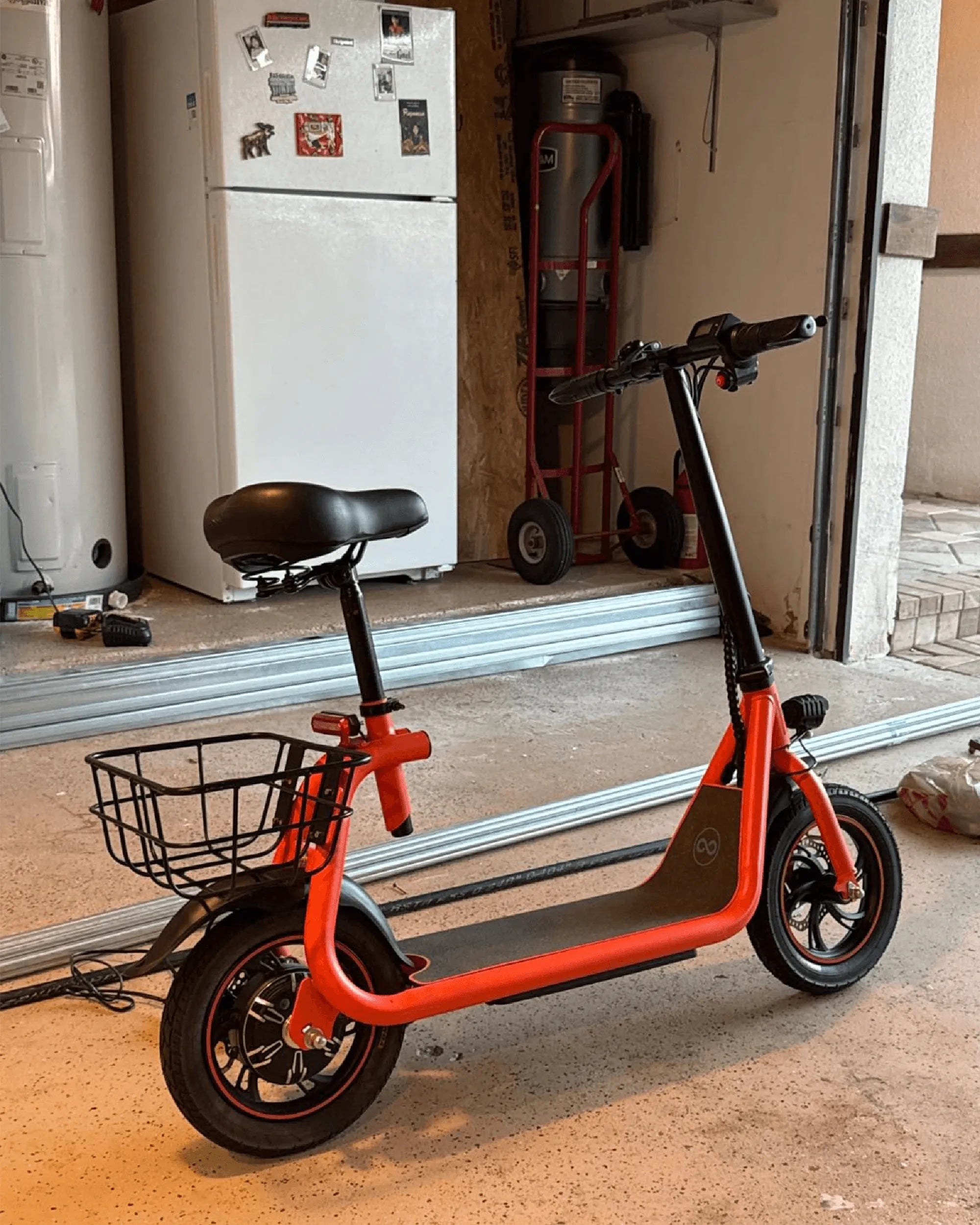
Introduction: Vijayawada's Urban Mobility Revolution
Vijayawada, the bustling commercial and cultural heart of Andhra Pradesh, stands at a crossroads of growth and congestion. As the city expands, traditional transport modes—from crowded buses to petrol-guzzling two-wheelers and auto-rickshaws—are straining under peak-hour gridlock and rising pollution levels. This article will demonstrate how Electric Scooters in Vijayawada: The Future of Urban Commuting is not just a slogan but a practical, data-backed solution. You will learn why the city's geography is ideal for e-scooters, what specifications matter most, how they compare financially to conventional transport, and how to integrate this smart mobility option into your daily life.
The adoption of electric scooters represents a shift towards sustainable, efficient, and cost-effective personal transportation. For students commuting to colleges near MG Road, professionals navigating to the BRTS corridor, or families running errands in areas like Governorpet, e-scooters offer unprecedented flexibility. This guide provides the essential knowledge for Vijayawada residents to make an informed transition to electric mobility, focusing on safety, legality, and real-world usability.
Why Vijayawada's Geography and Climate are Ideal for E-Scooters
Vijayawada's urban layout, characterized by moderate distances between residential, commercial, and educational hubs, creates a perfect use case for electric scooters. Most daily commutes fall within a 10-15 kilometer radius, a distance comfortably covered by a single charge on modern e-scooters. The city's relatively flat terrain, with the exception of the foothills near Kanaka Durga Temple, minimizes battery drain compared to hillier regions, ensuring consistent range.
The climate, while hot for much of the year, is generally dry, which is favorable for electric vehicle components. However, the occasional heavy rain during the monsoon necessitates specific build qualities. The city's ongoing infrastructure improvements, including wider footpaths and dedicated lanes in some areas, are gradually improving conditions for lighter, smaller vehicles. This evolving landscape makes the nimble and compact electric scooter an increasingly logical choice for navigating both crowded old-city areas and newer suburban developments.
Navigating Vijayawada's Hotspots: From Benz Circle to Bhavanipuram
Practical e-scooter routes showcase their daily utility. A commute from upscale areas like Patamata to the commercial hub around MG Road or Eluru Road can bypass major traffic snarls at junctions like Benz Circle. Students traveling from Bhavanipuram to schools and colleges in the NTR Circle area can avoid bus delays. The compact size of an e-scooter makes it ideal for last-mile connectivity from Vijayawada Railway Station or the Pandit Nehru Bus Station to final destinations.
For shopping or leisure trips to malls like Trendset or areas around Besant Road, e-scooters simplify parking woes. Their quiet operation also reduces noise pollution in densely populated residential neighborhoods. This practical routing advantage directly translates to time and cost savings, making the case for Electric Scooters in Vijayawada: The Future of Urban Commuting stronger with every completed trip.
Essential Features for a Vijayawada-Ready Electric Scooter
Not all electric scooters are built for Vijayawada's specific demands. Selecting a model with the right specifications is crucial for safety, durability, and satisfactory performance. Key considerations must include a battery capable of handling heat, a frame built for varied road surfaces, and a motor with enough torque for urban stop-and-go traffic. Compromising on core features for a lower price often leads to higher long-term costs and potential safety hazards.
Leading global brands like Gyroor design their products with such diverse urban environments in mind. Their scooters incorporate UL-certified battery packs, robust suspension systems, and water-resistant ratings that meet international standards. These features provide the reliability needed for daily commuting in an Indian city, where conditions can change rapidly from a smooth, newly laid road to a patchy, dusty stretch.
Battery & Range: Conquering Vijayawada's Urban Spread
The battery is the heart of an electric scooter. For Vijayawada commutes, a minimum real-world range of 25-30 kilometers is essential to cover round trips without range anxiety. More capable models offer 40-50 km, allowing for multiple errands or a day's use without immediate recharging. Crucially, battery safety is paramount. UL-certification, like that found on Gyroor scooters, ensures the battery pack has passed rigorous tests for thermal stability, overcharge protection, and durability—a critical factor in Vijayawada's summer heat.
Battery technology also dictates charging time. Most quality scooters charge fully in 4-6 hours from a standard home socket. This makes overnight charging convenient and cost-effective, leveraging off-peak electricity rates. The combination of sufficient range and safe, reliable battery chemistry makes the vision of Electric Scooters in Vijayawada: The Future of Urban Commuting a practical reality for thousands.
Build Quality & Durability: Built for Dust, Heat, and Rain
Vijayawada's environment demands a rugged build. A scooter needs a sturdy frame, often made from aerospace-grade aluminum, to withstand daily use. Good suspension—typically front and rear—is non-negotiable for comfort and component longevity on roads that may have uneven surfaces or speed breakers. Wide, air-filled tires provide better shock absorption and stability than solid rubber ones.
Water and dust resistance is equally critical. An IP rating dictates this protection. An IPX5 rating, for example, means the scooter can withstand water jets from any direction, making it safe to ride through monsoonal showers or after washing. This level of ingress protection also guards against the fine dust common in the region, preventing damage to electrical components. These durability features ensure the scooter remains a dependable asset for years, not just months.
Cost Analysis: E-Scooters vs. Traditional Transport in Vijayawada
The financial argument for electric scooters is compelling when analyzed over time. The following table compares the typical costs associated with an electric scooter against a petrol-powered scooter and using auto-rickshaws for daily commuting in Vijayawada.
| Cost Factor | Electric Scooter | Petrol Scooter (100cc) | Auto-Rickshaw (Daily Hire) |
|---|---|---|---|
| Vehicle Purchase Cost | ₹30,000 - ₹80,000 | ₹80,000 - ₹1,20,000 | N/A (Fare Based) |
| Fuel/Energy Cost per km | ₹0.10 - ₹0.25 (Electricity) | ₹2.50 - ₹3.50 (Petrol) | ₹15 - ₹25 per km (Approx. Fare) |
| Monthly Running Cost (40 km/day) | ₹120 - ₹300 | ₹3,000 - ₹4,200 | ₹18,000 - ₹30,000+ |
| Annual Maintenance | ₹1,000 - ₹2,500 (Low) | ₹3,000 - ₹5,000+ | N/A |
| Registration & Insurance | Lower (Green Tax Benefits) | Standard Rates | N/A |
As the data shows, while the upfront cost of an e-scooter can be competitive, its operational cost is a fraction of a petrol vehicle. Compared to auto-rickshaws, the savings are astronomical for regular commuters. The low maintenance—due to fewer moving parts—further enhances long-term savings, making the total cost of ownership highly attractive.
The Practical Rider's Guide: Laws, Charging, and Safety
Understanding local regulations is essential. In India, electric scooters with a motor power below 250W and a maximum speed under 25 km/h often fall under the category of low-speed electric vehicles. Registration and a driving license may not be mandatory, but helmet use is strongly advised for safety. It is crucial to check the latest Andhra Pradesh Motor Vehicles Department guidelines for any updates specific to the state.
Charging is straightforward. Most riders charge their scooters at home overnight using a standard wall outlet. Some residential complexes and commercial establishments are beginning to offer public charging points. Safety practices include regular checks of tire pressure and brakes, avoiding water submersion despite water-resistant ratings, and storing the scooter in a shaded area to protect the battery from extreme direct sunlight when not in use.
Gyroor E-Scooters: Engineered for Demanding Urban Commutes
For riders in Vijayawada seeking a reliable partner for their daily commute, Gyroor's lineup offers features that directly address local challenges. With a legacy of serving over 100,000 riders across North America and Europe, Gyroor brings globally tested reliability to Indian roads. Their scooters are built around core principles of safety and durability.
Every Gyroor scooter is powered by a UL-certified battery pack, tested for 500+ charge cycles, ensuring safety in Vijayawada's warm climate. The IPX5 water-resistant design provides confidence during sudden rains. Furthermore, a comprehensive 1-year warranty on the scooter offers peace of mind, a critical factor when investing in new technology. This combination of certified safety, robust construction, and strong warranty support makes Gyroor a compelling choice for those embracing Electric Scooters in Vijayawada: The Future of Urban Commuting.
Frequently Asked Questions for Vijayawada Riders
Q1: Are electric scooters legal on Vijayawada roads, and do I need a license?
A1: For low-speed models (under 25 km/h, motor below 250W), registration and a license are typically not mandated by central guidelines. However, riders must be over 16 years old. Always wear a helmet. It is advisable to carry the invoice and check for any recent state-specific notifications from the Transport Department.
Q2: Where can I get my e-scooter serviced or repaired in Vijayawada?
A2: Many brands, including Gyroor, operate through dealer networks or authorized service centers in major cities. Some offer doorstep service or easy spare part availability via their online platforms. Before purchasing, confirm the service support structure for the brand in Andhra Pradesh.
Q3: How does an e-scooter perform on inclines, like the roads near Kanaka Durga?
A3: Performance depends on motor torque. Models with motors rated 350W and above generally handle moderate inclines well. For steeper hills, a more powerful motor (500W+) is recommended. Test the scooter on a slope if possible, or consult specifications for hill-climbing grade.
Q4: Is the battery safe in Vijayawada's extreme summer heat?
A4> Quality batteries from reputable brands with UL/ international certifications have built-in Battery Management Systems (BMS) that protect against overheating. However, avoid leaving the scooter in direct, scorching sunlight for extended periods when parked. Store and charge in a cool, dry place to maximize battery lifespan.
Q5: What is the real-world range I can expect on Vijayawada's roads?
A5> Manufacturer ranges are under ideal conditions. In real-world use in Vijayawada, factor in rider weight, frequent stops/starts, and occasional use of throttle. A scooter advertised for 40 km may reliably deliver 28-35 km. Choose a model with a range at least 30% higher than your longest daily commute.
Your Next Commute, Reimagined
The evidence is clear: electric scooters present a transformative solution for urban mobility in Vijayawada. They slash commuting costs, reduce personal carbon footprint, and offer a nimble alternative to traffic congestion. By choosing a well-built model from a trusted brand that prioritizes battery safety and durability, residents can confidently make the switch. This shift isn't just about adopting a new gadget; it's about participating in a smarter, cleaner, and more efficient urban future for Vijayawada. The city's streets are ready for a change, and the technology is here to lead it.
Ready to explore models designed for reliability and safety? Browse the full collection of UL-certified, IPX5-rated electric scooters and e-bikes engineered for demanding urban environments at gyroorboard.com. Discover why over 100,000 riders globally trust Gyroor for their daily commute.
Family Electric Scooters: The Ultimate Guide to Fun and Eco-Friendly Commuting
Are Electric Scooters Illegal UK? The Truth About E-Scooter Laws in 2024