



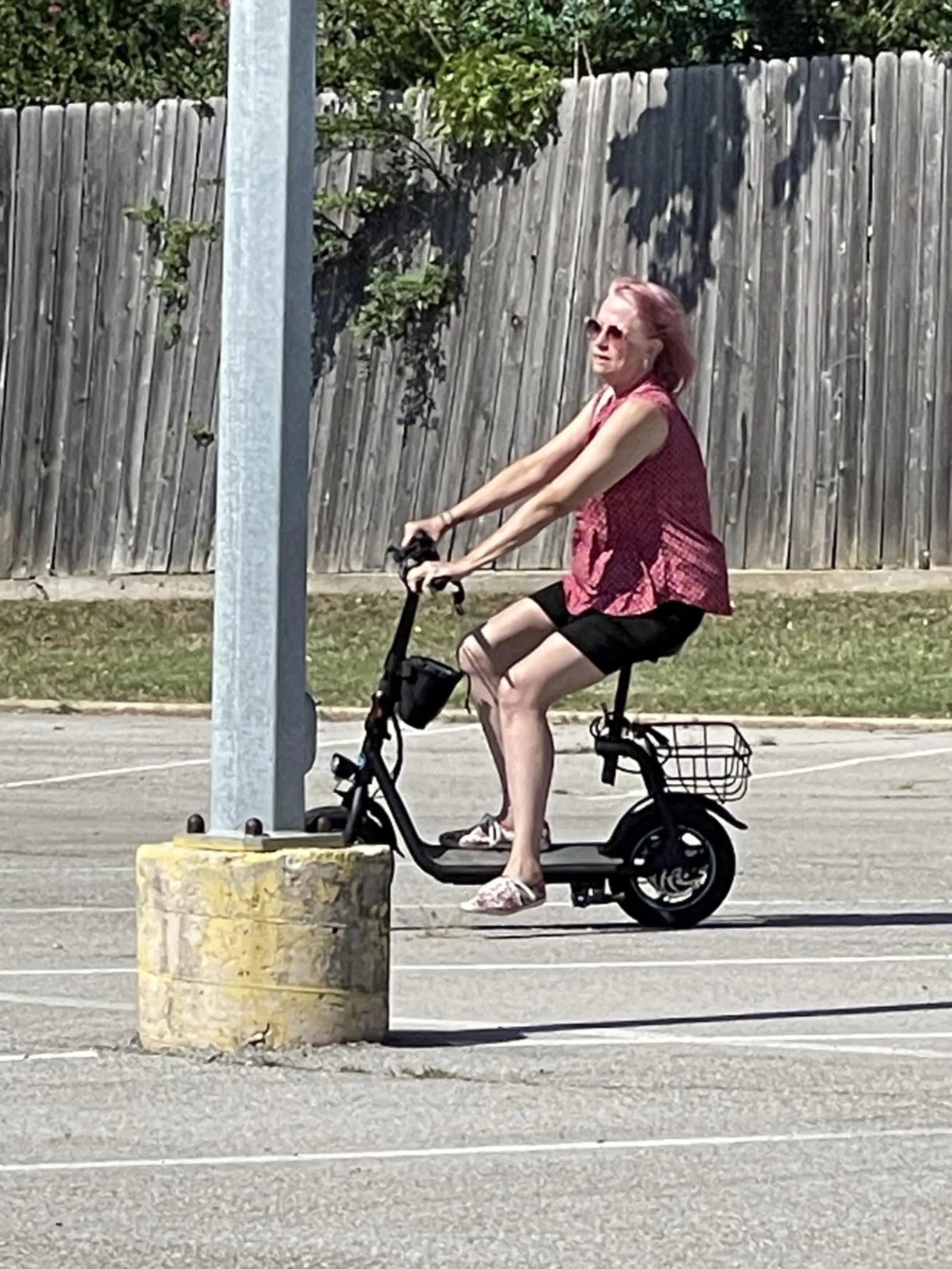
Is your electric scooter road legal? The answer is rarely a simple yes or no. Riding an e-scooter involves navigating a complex, often confusing patchwork of local, state, and federal regulations that change from one city block to the next. This guide provides the definitive, data-driven breakdown of everything you need to know before you ride. You'll learn how to decode your local laws, understand the critical technical specifications that define legality, and discover how choosing the right scooter can make compliance straightforward and safety a priority.
Understanding "Road Legal": The Three Pillars of Compliance
"Road legal" for electric scooters is not a single standard. It's a combination of three interconnected pillars: jurisdictional laws, device specifications, and rider behavior. Ignoring any one of these can result in fines, confiscation of your scooter, or personal liability in an accident.
First, jurisdiction is king. Federal law in the U.S., guided by the Consumer Product Safety Commission (CPSC), classifies low-speed electric bicycles. However, electric scooters are primarily regulated at the state and municipal levels. This creates a landscape where a scooter perfectly legal in one city may be prohibited in a neighboring town.
Second, the scooter itself must meet specific technical criteria. Regulators focus on factors that impact public safety and infrastructure use. These are not arbitrary; they are designed to integrate scooters safely with existing traffic and pedestrians.
Finally, the rider has responsibilities. Legal operation extends beyond owning a compliant vehicle. It involves where you ride, how you ride, and what protective gear you use. Compliance is a shared duty between manufacturer design and informed rider choice.
The 2024 State-by-State Legal Landscape: A Patchwork in Flux
The U.S. regulatory environment for electric scooters remains a dynamic patchwork. While no single federal law governs them, most states have now enacted some form of legislation, often in response to shared micro-mobility programs. However, local ordinances frequently add stricter layers of rules.
Broadly, states can be categorized into a few groups. "Fully Legal" states have passed laws expressly allowing e-scooters on roads, bike lanes, or paths, typically with defined speed and age limits. Examples include California, Texas, and Florida.
"Restricted or Local-Option" states may not have comprehensive state laws, leaving legality up to counties and cities. This is common in the Midwest and Northeast. In these areas, a state law might permit them, but a city council can ban them.
Explicitly banned states are now rare, but some municipalities within otherwise permissive states maintain bans. The critical takeaway is universal: you must check your specific city and county rules, not just your state law. A state's silence on the matter does not mean automatic permission.
Key Regulations to Research in Your Area
Before you ride, verify these specific parameters for your jurisdiction. This checklist forms the foundation of knowing if your electric scooter is road legal where you are.
- Maximum Speed Limit: The most common cap is 15-20 mph on public roadways. Some areas restrict scooters to 15 mph, while others may allow 20 mph or even 25 mph in certain contexts.
- Motor Wattage Limit: Power output is often regulated. A 350W or 500W motor is a common legal threshold for street-legal scooters without requiring registration.
- Minimum Rider Age: Requirements typically range from 16 to 18 years old. Some cities require riders to hold a valid driver's license or learner's permit.
- Helmet Laws: These vary widely. Some mandate helmets for all riders, others only for minors, and some have no requirement (though it is always recommended).
- Where to Ride: Rules dictate placement: bike lanes, roads with speed limits under 25/35 mph, or multi-use paths. Sidewalk riding is prohibited in most urban areas due to pedestrian safety concerns.
- DUI Laws: Operating an e-scooter under the influence of alcohol or drugs is illegal everywhere and carries similar penalties to driving a car.
Gyroor Scooters and Compliance: Engineering for Confident Riding
While the rider is responsible for knowing local laws, manufacturers play a crucial role by building scooters designed for compliant use. Brands like Gyroor engineer their products with key features that align with common regulatory frameworks, providing a solid foundation for legal operation.
This proactive design philosophy means riders aren't forced to modify or limit a scooter not built for public roads. Instead, they can select a model whose inherent specifications and safety systems are developed with real-world regulations in mind.
UL-Certified Battery: The Foundation of Safety & Future-Proofing
Battery safety has become a top concern for regulators and fire departments. A UL-certified battery pack, like those used in all Gyroor scooters, is not just a quality mark—it's a critical compliance and safety feature.
These batteries undergo rigorous testing for electrical, mechanical, and environmental safety. As municipalities grow increasingly wary of fire risks from uncertified lithium-ion batteries, owning a scooter with a UL-certified battery future-proofs your investment against evolving local safety ordinances that may mandate such certification.
Speed Modes & Responsible Power: Adapting to Local Limits
A key feature for compliance is multiple, rider-selectable speed modes. For instance, a scooter with a 500W motor might offer an Eco mode capped at 12 mph, a Normal mode at 17 mph, and a Sport mode at its maximum 22 mph.
This allows a rider in a 15 mph zone to simply select the appropriate mode, ensuring they won't accidentally exceed the legal limit. This 350W-500W motor range is intentionally chosen as it sits within the common power thresholds for low-speed, non-registered vehicles in many jurisdictions.
Essential Integrated Safety Features
Legal scooters for road use must be equipped for visibility and communication. Gyroor designs its models with these integrated, compliance-aiding features as standard, not as afterthoughts.
- Lighting Systems: A bright front headlight, rear taillight, and brake light are essential for night riding and signaling intentions to vehicles.
- Audible Signal: A bell or horn is legally required in most areas to alert pedestrians and other path users.
- IPX5 Water Resistance: This rating ensures the scooter can withstand water jets from any direction, providing reliable all-weather operation and protecting electrical components—a key factor in durability and long-term safety.
- Dual Braking Systems: A combination of electronic and mechanical (disc or drum) brakes provides reliable stopping power, which is a fundamental aspect of safe vehicle operation.
Your Pre-Ride Compliance & Safety Checklist
Before every ride, run through this actionable list to ensure you, your scooter, and your journey are legal and safe.
- Verify Local Laws: Confirm the current rules for your specific city/county regarding speed, age, helmet, and riding locations. Bookmark the official municipal website.
- Inspect Your Scooter: Check tire pressure, test front and rear lights (and brake lights), ensure the bell is functional, and verify brakes engage smoothly.
- Set Your Speed Mode: Based on your local speed limit and riding path, select the appropriate speed mode on your scooter's display to stay within legal bounds.
- Gear Up: Wear a certified bicycle helmet regardless of local law. Consider high-visibility clothing for dawn, dusk, or night riding, and wear closed-toe shoes.
- Plan Your Route: Identify bike lanes or low-speed roads. Avoid prohibited areas like sidewalks in business districts or high-speed highways.
- Carry ID: Have a driver's license or other identification on you, as some areas require it for e-scooter operation.
Comparing Common E-Scooter Use Cases & Legal Considerations
Your intended use significantly impacts the legal model you should choose and how you must operate it. The following table breaks down key considerations.
| Use Case | Recommended Specs | Key Legal Focus | Gyroor Model Example |
|---|---|---|---|
| Last-Mile Commute (Urban) | Speed: 15-20 mph, Range: 10-15 mi, 350W-500W motor | City sidewalk bans, bike lane usage, local speed limits, parking rules | Commuter-focused models with folding design and integrated lights |
| Campus/Neighborhood Errands | Speed: ≤15 mph, Range: 10 mi, Lightweight | Campus-specific regulations, local helmet laws for minors, path sharing with pedestrians | Lightweight, user-friendly scooters with simple controls |
| Recreational Path Riding | Speed: ≤20 mph, Range: 15+ mi, Suspension for comfort | Multi-use path rules, yielding to pedestrians, often lower speed limits (e.g., 10-15 mph on paths) | Comfort-oriented models with enhanced suspension and longer range |
| Performance/Enthusiast | Speed: 25+ mph, Power: 500W+ | Likely restricted from bike lanes/paths; may be limited to private property or require special registration; strict helmet/gear laws apply | High-power models should be used with extreme caution and full awareness of local prohibitions |
Frequently Asked Questions (FAQ)
Do I need a license, insurance, or registration for my electric scooter?
For low-speed electric scooters (typically under 20 mph), a driver's license, insurance, and vehicle registration are usually not required. They are classified as "low-speed micro-mobility devices." However, exceptions exist. Some cities require a valid driver's license or learner's permit to operate one. Insurance is rarely mandatory but is worth considering for liability protection. Registration is almost never required at the state level for these low-power models.
Can I ride my electric scooter on the sidewalk?
In most urban and suburban areas, sidewalk riding is prohibited or heavily restricted. It is a major safety concern for pedestrians, especially those with disabilities or small children. Laws typically direct riders to use bike lanes or roads with speed limits under 25-35 mph. Always assume sidewalk riding is illegal unless you see explicit signage permitting it.
What happens if I'm in an accident on an e-scooter?
E-scooter accidents are treated similarly to bicycle accidents. Liability is determined by fault. If you cause an accident, you can be held personally liable for damages and injuries. If a driver hits you, their auto insurance may be involved. Wearing a helmet is the single most important factor in reducing severe injury. Always call the police to file an official report, which is crucial for insurance claims.
How does Gyroor's warranty support compliant use?
Gyroor offers a reliable 1-year warranty covering defects in materials and workmanship. This warranty supports compliant use by assuring the scooter is free from factory defects that could impact safety. Importantly, the warranty is voided by illegal modifications (e.g., removing speed governors), misuse, or operation that violates local laws, as these actions fall outside the intended design parameters and compromise safety systems.
Are electric scooters allowed on public transportation?
Policies vary by transit authority. Many buses and trains allow folded e-scooters onboard, treating them like folded bicycles. Some may require them to be in a bag. During peak hours, they may be prohibited. Always check the specific rules of your local bus, subway, or light rail system before bringing your scooter aboard.
Conclusion: Knowledge is Your Best Safety Feature
Ensuring your electric scooter is road legal is a fundamental aspect of responsible ownership. It protects you from fines, reduces legal liability, and, most importantly, fosters a safer environment for everyone sharing the roads and paths. The complexity of laws underscores the importance of choosing a scooter from a brand that prioritizes compliant engineering—like UL-certified batteries, integrated safety lights, and manageable power outputs. By combining a well-designed scooter with your diligent research into local ordinances, you unlock the true freedom and convenience of electric micro-mobility. Ride smart, ride safe, and always know the rules of your road.
Ready to find a scooter built for compliance and confidence? Explore the full range of UL-certified, feature-engineered electric scooters designed for real-world riding. Browse the full Gyroor collection at gyroorboard.com.
Are Electric Scooters Easy to Ride? A Complete Guide for Beginners
Electric Scooters Hawaii: The Ultimate Guide to Eco-Friendly Island Travel