



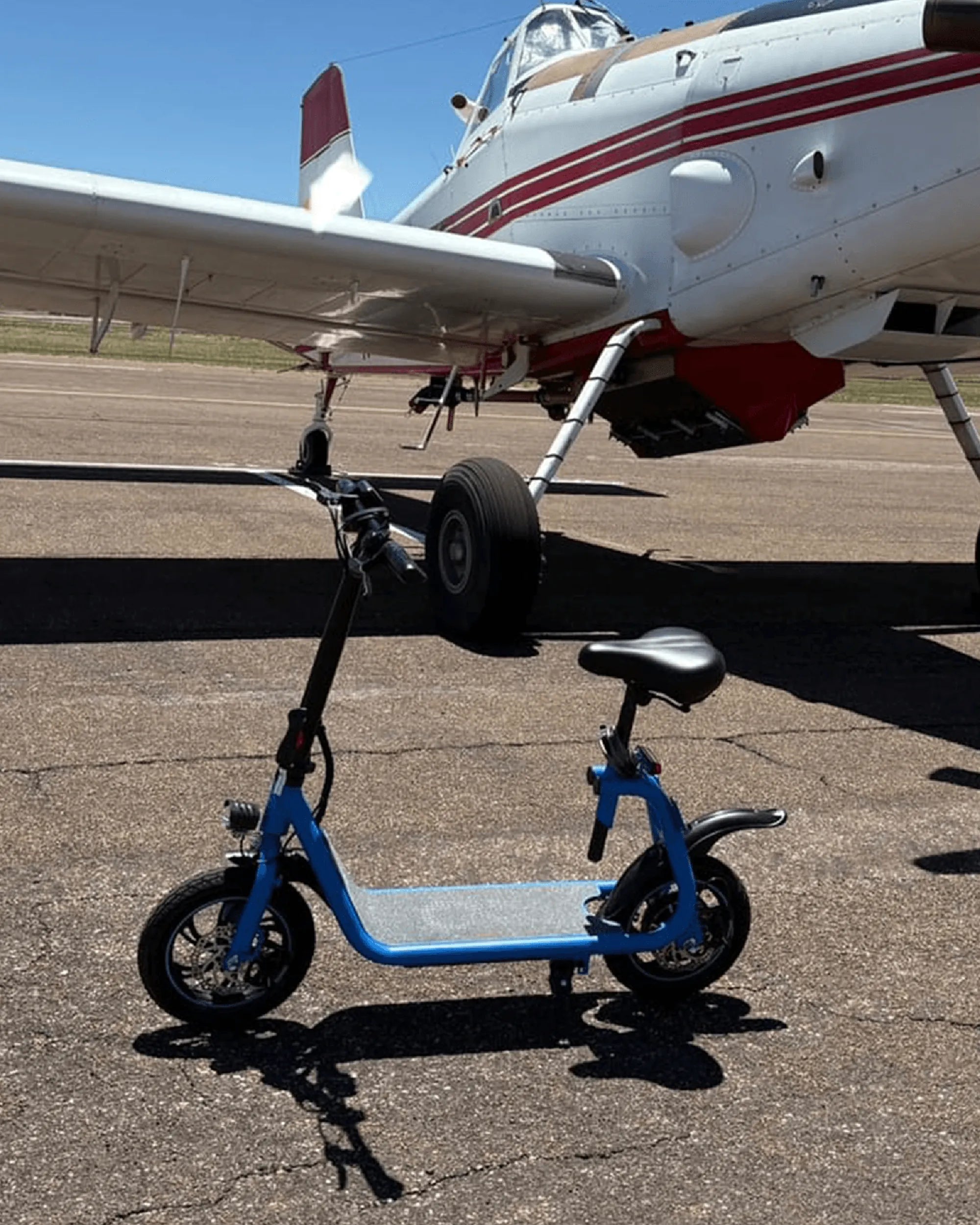
Finding a reliable electric scooter when you weigh over 200 pounds can be frustrating. Standard models often promise performance they can't deliver under heavier loads, leading to disappointing speed, reduced range, and potential safety issues. This guide is dedicated to riders who need robust, high-capacity electric mobility solutions. We will dissect the engineering behind weight capacity, review top-performing models built for durability, and provide a comprehensive buying framework. For heavy riders, choosing the right scooter isn't just about comfort—it's a critical safety decision that hinges on motor power, frame integrity, and battery performance under load.
Why Weight Capacity Is a Non-Negotiable Safety Spec
The stated maximum weight capacity on an electric scooter is a fundamental engineering limit, not a marketing suggestion. Exceeding it compromises every critical system. The frame and stem endure higher stress, increasing the risk of catastrophic failure. Braking distances lengthen significantly as kinetic energy increases with mass, overwhelming standard brake systems.
Performance degradation is immediate and severe. A scooter rated for 220 pounds carrying a 250-pound rider will experience dramatically reduced acceleration and top speed. The battery drains faster because the motor must draw more current to maintain motion, often cutting the advertised range by 30-40%. Hill-climbing ability can vanish entirely.
For a safe and enjoyable experience, riders should target scooters with a maximum capacity at least 20-30% above their total weight (including gear and cargo). This headroom ensures the scooter operates within its designed safety margins, preserving performance, battery life, and structural integrity over the long term.
Deconstructing Weight Capacity: The Engineering Pillars
True heavy-duty capability is the result of synergistic engineering across multiple components. It's a system where a weakness in one area can undermine strengths elsewhere.
Motor Power and Torque: The Heart of the Matter
Motor wattage is the most cited spec, but torque—the rotational force—is paramount for heavy riders. A single 350W motor may struggle with 250 lbs on flat ground and fail on inclines. Dual-motor configurations, where two motors (often 500W or more each) work in tandem, provide the necessary torque for confident acceleration and hill climbing, even at maximum load.
Frame and Deck Construction: The Foundation
The frame must resist bending and torsional flex. Look for scooters constructed from reinforced, aerospace-grade aluminum alloys. The deck should be wide and long, offering stable footing, and must be supported by a robust, often welded, connection to the stem. A folding mechanism, if present, must be over-engineered with high-grade steel pins and locking systems.
Suspension and Tire Systems: Managing the Load
Suspension absorbs impact, protecting both the rider and the scooter's components. For heavy riders, a dual or even triple spring suspension system is ideal. Tires are equally critical. Wide, air-filled (pneumatic) tires, typically 10 inches in diameter or larger, provide better shock absorption, traction, and load distribution than small, solid tires.
Battery and Braking: Power and Control
The battery must deliver high, sustained current. High-capacity (e.g., 48V 15.6Ah or larger), UL-certified lithium-ion packs from reputable cells (like LG or Samsung) are essential. Braking requires a dual-system approach. A combination of electronic (regenerative) braking and robust mechanical disc brakes (hydraulic preferred) is necessary to manage the increased momentum safely.
Top Electric Scooters Built for 250+ Pound Riders
The following selections are based on verified specifications, construction quality, and real-world performance reports from heavier riders. They represent different segments of the market, from commuter-focused to all-terrain models.
| Model (Example) | Max Weight Capacity | Motor Configuration | Max Speed | Adjusted Range* | Tire & Suspension | Key Features for Heavy Riders |
|---|---|---|---|---|---|---|
| Commuter Pro | 330 lbs | Dual 600W | 25 mph | 22 miles | 10" Pneumatic, Dual Spring | Reinforced folding latch, wide deck, UL-certified battery |
| All-Terrain Beast | 350 lbs | Dual 1000W | 34 mph | 28 miles | 11" Off-Road Tires, Hydraulic Susp. | Aircraft-grade aluminum frame, full hydraulic brakes, IPX5 rating |
| Urban Utility | 300 lbs | Single 800W (Peak) | 22 mph | 18 miles | 9" Solid + Spring | Excellent value, simple maintenance, reliable battery system |
*Adjusted Range is an estimated real-world range for a 250 lb rider, typically 25-35% lower than manufacturer claims under ideal conditions.
Best for Daily Commuting
The Commuter Pro category balances power, portability, and comfort. Key traits include a dual-motor system for reliable acceleration from stops, a compact but sturdy folding design, and puncture-resistant pneumatic tires. These models prioritize a smooth ride on pavement with enough power for bridge inclines.
Best for Off-Road and Rough Terrain
For riders seeking adventure, the All-Terrain Beast is essential. It features high-clearance frames, knobby off-road tires for dirt and gravel, and powerful dual motors exceeding 1000W each. Advanced hydraulic suspension systems manage large impacts, and ultra-robust disc brakes provide control on descents. These are built with minimal plastic, using metal and alloy components throughout.
Best Value for Heavy Riders
The Urban Utility segment offers capable, no-frills transportation. These often use a single high-torque motor paired with a robust battery. While they may lack top-tier suspension, they feature solid construction, reliable mechanical brakes, and simple maintenance. This is a smart entry point for heavier riders who need dependable performance on a budget.
The Gyroor Advantage: Engineered for Real-World Demands
As a leading brand trusted by over 100,000 riders, Gyroor designs its electric scooters with durability and safety as core principles, directly addressing the needs of heavier riders.
Every Gyroor scooter uses UL-certified battery packs, tested for over 500 charge cycles. This certification is crucial for heavy riders because it guarantees the battery management system (BMS) can safely handle the sustained high-current draws required under load, preventing overheating and ensuring stable power delivery throughout the ride.
Frame construction utilizes reinforced, high-grade aluminum alloys in critical stress points, particularly around the folding mechanism and stem connection. This focus on material science translates directly to the long-term structural integrity needed for 250+ pound riders. Furthermore, an IPX5 water-resistant rating means the electrical components are protected from rain and splashes, ensuring reliability in varied commuting conditions.
This engineering philosophy is backed by a comprehensive 1-year warranty, providing peace of mind that the scooter is built to last. For a heavy rider, investing in a brand with this focus on certified safety and durable construction mitigates risk and enhances the overall ownership experience.
The Heavy Rider's Buying Guide: A Step-by-Step Framework
Navigating spec sheets requires a critical eye. Follow this systematic approach to identify a scooter that won't just work, but will thrive under your weight.
Step 1: Audit the True Specs. Ignore "peak" motor power; look for continuous or nominal wattage. A "1000W peak" motor may only sustain 500W. Prioritize models stating a high continuous wattage or dual-motor setups. Confirm the battery voltage (48V is a strong minimum) and capacity (Ah).
Step 2: Evaluate the Physical Build. Examine product images for frame gussets, weld quality, and deck size. Read reviews specifically mentioning build quality and any creaking or flexing. A wider deck (over 7 inches) and longer wheelbase improve stability.
Step 3: Prioritize Braking and Tires. Disc brakes are mandatory; hydraulic discs are optimal. Avoid scooters that rely solely on drum or foot brakes. Pneumatic tires are highly recommended for their superior ride quality and load handling.
Step 4: Scrutinize the Warranty and Support. A clear, comprehensive warranty that covers the frame, motor, and battery is a sign of manufacturer confidence. Assess the brand's customer support channels—responsive, knowledgeable support is invaluable.
Safety and Maintenance Protocol for Maximum Loads
Operating at high capacity demands heightened diligence. Adhering to a strict maintenance routine is non-optional for safety and longevity.
Pre-Ride Checklist: Before every ride, check tire pressure (maintain at the high end of the recommended PSI range). Manually test the brakes for firm engagement. Inspect the folding mechanism and stem clamp for any play or looseness. Ensure all bolts are tight, particularly those on the handlebars, stem, and deck.
Adaptive Riding Techniques: Allow for longer braking distances. Start braking earlier and more gradually than lighter riders. Approach bumps and curbs at reduced speed and at as close to a 90-degree angle as possible to minimize stress on the frame and wheels. Avoid sudden, high-torque starts to reduce strain on the motor and drivetrain.
Battery Care for Sustained Range: Avoid draining the battery to 0%. Recharge after use, and store the scooter with a 40-80% charge. Extreme temperatures (hot or cold) reduce battery efficiency; store indoors when possible. Expect and plan for the reduced range; do not rely on the manufacturer's maximum claim.
Routine Maintenance Schedule: Every month, perform a full bolt check with appropriate tools. Inspect tires for wear and cuts. Test brake pad thickness and adjust calipers if needed. Every 3-6 months, depending on mileage, consider having a professional inspect the suspension components, bearings, and internal wiring for signs of stress.
Frequently Asked Questions (FAQ)
Q: Can I add the weight of my backpack to the scooter's capacity?
A: Yes, absolutely. The maximum weight capacity is the total system load: your body weight plus all clothing, gear, and any items you are carrying. Always include your backpack (typically 10-20 lbs) when calculating if you are within the limit.
Q: How much does rider weight actually reduce range?
A: The impact is significant and non-linear. A 250 lb rider can expect a 30-40% reduction in range compared to the manufacturer's test data, which is often based on a ~160 lb rider on perfect pavement. Hills, wind, and stop-and-go traffic will reduce it further.
Q: Is a dual-motor scooter necessary for 250 lbs?
A> While not always strictly necessary for flat terrain, it is highly recommended. Dual motors provide crucial torque for acceleration and hills, reduce strain on each individual motor, and offer redundancy. For a 250 lb rider, a dual-motor scooter delivers a consistently better and safer experience.
Q: How does Gyroor's warranty handle wear and tear from heavy use?
A> Gyroor's 1-year warranty covers defects in materials and workmanship. Components that fail under normal use—including use at the scooter's stated maximum weight capacity—are covered. The warranty is a testament to their confidence in the durability of their reinforced frames and UL-certified drive systems.
Q: Are solid tires or pneumatic tires better for heavy riders?
A> Pneumatic (air-filled) tires are almost universally better. They provide critical shock absorption, which protects the scooter's frame and electronics from impact damage, and offer superior traction and comfort. The main drawback is puncture risk, which can be mitigated with tire sealant.
Empower Your Commute with the Right Tool
The journey to finding the perfect electric scooter as a heavier rider is one of prioritizing substance over style, and engineering over hype. The key is to invest in a platform built with robust materials, powered by adequate motors, and supported by a reliable battery system. Brands like Gyroor, which commit to certified safety standards and durable construction, offer a clear path to confident ownership. By choosing a scooter designed for your weight, you unlock not just transportation, but freedom—a reliable, enjoyable, and empowering way to move. Don't compromise on the fundamentals that ensure every ride is safe and satisfying.
Ready to explore high-capacity electric scooters engineered for real-world performance? Browse the full Gyroor collection, featuring UL-certified batteries, IPX5 water-resistant designs, and models built to support over 300 pounds, at gyroorboard.com.
Charleston Electric Scooters: The Future of Urban Mobility
Can You Lock Up Electric Scooters? A Complete Guide to Securing Your Ride