



Introduction: The $250 Price Point – Realistic or Too Good to Be True?
The demand for personal electric mobility has skyrocketed, creating a market flooded with options at every price point. For budget-conscious commuters, students, and urban dwellers, the sub-$250 category represents a critical entry point into the world of electric scooters. This segment promises an affordable and efficient commuting solution for short daily trips.
Navigating this space requires a shift in perspective. The goal isn't to find a high-performance machine, but a reliable tool for specific, manageable tasks. An electric scooter under $250 can be a legitimate and practical solution for last-mile connectivity, campus travel, or quick neighborhood errands, provided you set the right expectations and know what features are non-negotiable for safety and durability.
This guide will dissect what the sub-$250 market truly offers. We'll move beyond marketing claims to focus on the engineering and safety considerations that separate a trustworthy daily rider from a disposable gadget. The core thesis is simple: affordable doesn't have to mean compromising on the fundamental pillars of safe, reliable transportation.
Defining Expectations: What You Get in an Electric Scooter Under $250
When shopping for electric scooters under $250, understanding the standard specifications is crucial for avoiding disappointment. This price bracket is defined by entry-level performance, designed for light-duty, short-range use on relatively smooth terrain.
Typically, you can expect a motor in the 250W to 300W range. This provides adequate power for flat surfaces and gentle inclines, supporting speeds between 10 to 15 miles per hour. A rider weighing 160-180 pounds should anticipate this performance; heavier riders or those facing steeper hills will experience reduced speed and acceleration.
Battery capacity is the primary limiter. Ranges in this category generally fall between 8 to 12 miles per charge under ideal conditions. Real-world factors like rider weight, temperature, terrain, and riding style will reduce this figure. Most models use a 36V or lower battery system with a capacity of 5-7.5 Ah.
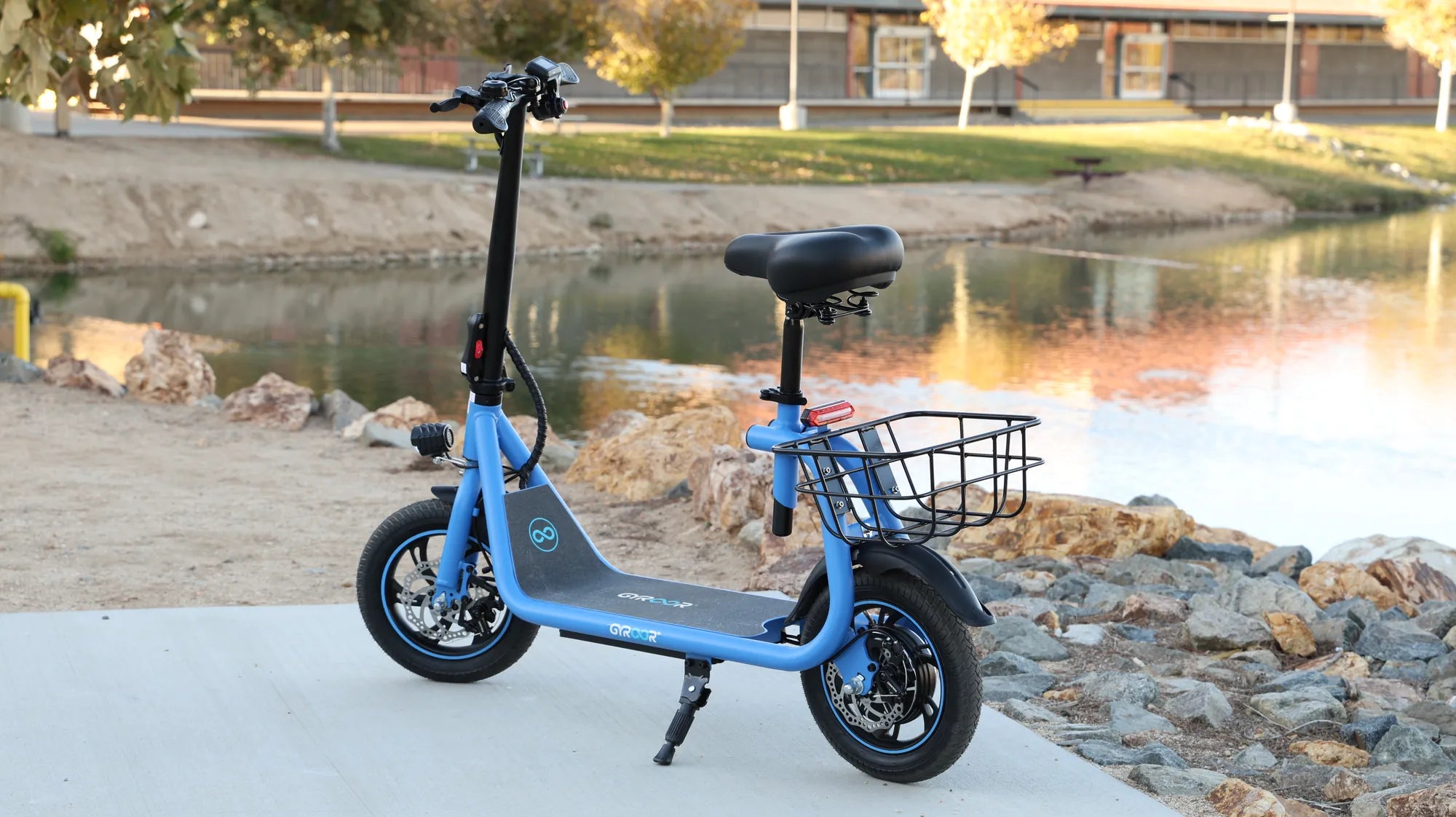
Construction materials lean towards aluminum alloy frames, which offer a good balance of weight and strength. You'll commonly find basic folding mechanisms, simple LED displays, and either mechanical disc or drum brakes. The focus is on delivering the core function of motorized transport without advanced features like suspension systems or app connectivity.
Key Features to Prioritize (Even on a Budget)
Even with a limited budget, certain features are non-negotiable for your safety and the scooter's longevity. Prioritizing these will save you money and frustration in the long run.
First, battery certification is paramount. Insist on a model that uses a UL-certified or similarly recognized lithium-ion battery pack. This certification means the battery has undergone rigorous testing for safety, stability, and durability, significantly reducing fire risk. It's the most important investment you can make.
Second, consider weather resistance. A documented IP rating, ideally IPX4 or IPX5, indicates the scooter can handle splashes from puddles and light rain. An IPX5 rating, like those found on Gyroor scooters, means the unit can withstand water jets from any direction, making it suitable for real-world urban conditions where you might encounter wet pavement.
Finally, a verifiable warranty is a sign of manufacturer confidence. A one-year warranty that covers the motor, battery, and controller indicates the brand stands behind its product's core components. This is far more valuable than a vague "90-day warranty" or no warranty at all.
The Engineering Philosophy Behind Reliable Budget Scooters
Creating a dependable electric scooter under $250 is an exercise in intelligent engineering trade-offs. Reputable brands achieve this not by cutting corners on safety, but by optimizing the design and sourcing of core components for reliability over peak performance.
The philosophy centers on robustness. This means using a welded aluminum frame instead of a bolted assembly for greater rigidity, employing sealed bearings in the wheels to prevent dust and water ingress, and integrating battery management systems (BMS) that prevent overcharging and overheating. These are unseen features that directly impact daily durability.
Component selection is also key. A reliable 250W brushless hub motor, while not the most powerful, is virtually maintenance-free and highly efficient for its class. Pairing it with a high-quality, certified battery pack from a known cell manufacturer ensures consistent performance over hundreds of charge cycles, which is the true definition of value.
This approach is exemplified by brands like Gyroor, which apply the same safety-first engineering principles across their lineup. By standardizing on UL-certified batteries and IPX5 water-resistant designs even for entry-level models, they ensure the foundational elements of a safe ride are never compromised, regardless of price.
Gyroor's Approach to Value: Safety as the Foundation
For a leading brand like Gyroor, trusted by over 100,000 riders, value in the sub-$250 segment is defined by safety and reliability, not just a low sticker price. Their engineering focus ensures that even affordable models meet critical benchmarks for secure daily use.
The cornerstone of this approach is the UL-certified battery pack. Every Gyroor scooter utilizes batteries tested for 500+ charge cycles, with integrated protection against over-current, short-circuiting, and extreme temperatures. This commitment transforms the battery from a potential liability into the most dependable component of the scooter.
Further, Gyroor designs its scooters with IPX5 water resistance. This rating isn't an afterthought; it's built into the deck sealing, display casing, and motor hub. It allows riders to confidently navigate damp streets or encounter unexpected rain, greatly increasing the scooter's utility as a true commuting tool rather than a fair-weather toy.
This is complemented by a clear one-year warranty and accessible customer support. For the budget buyer, this support network is invaluable, providing peace of mind that extends far beyond the purchase date. It represents the total cost of ownership, where initial value is protected over time.
The Smart Buyer's Checklist: 5 Must-Ask Questions
Before purchasing any electric scooter under $250, use this checklist to evaluate your options critically. Answering these questions will help you avoid common pitfalls.
1. Battery Safety: Is the lithium-ion battery UL-certified or from a reputable manufacturer (e.g., LG, Samsung, Panasonic)? Avoid any model with vague or unverifiable battery claims. This is your primary safety filter.
2. Build & Weather Resistance: Does the product have a documented IP rating for water and dust resistance? Look for at least IPX4, with IPX5 being ideal for commuting. Check that the folding mechanism is robust and the deck has a non-slip surface.
3. Rider Weight & Terrain Compatibility: What is the scooter's maximum weight capacity? Does the motor power (in watts) align with your weight and local incline? A 250W motor is sufficient for a 180 lb rider on flat ground but will struggle on hills.
4. After-Sales Support: Does the brand offer a clear, written warranty covering the battery, motor, and frame? Is there accessible customer service for troubleshooting and parts? A US-based support team is a significant advantage.
5. Real-World Range Calculation: Are the advertised range estimates based on ideal conditions? Subtract 20-30% from the claimed range to estimate real-world performance. Consider your daily round-trip distance and charge accordingly.
Performance and Use Case Comparison
Not all budget scooters are suited for the same tasks. Your specific commuting needs should guide your choice. Below is a comparison of common scenarios and the scooter specifications that best address them.
| Primary Use Case | Recommended Motor | Minimum Realistic Range | Critical Feature | Terrain Type |
|---|---|---|---|---|
| Last-Mile (Train/Bus to Office) | 250W | 6 miles | Lightweight Fold, IPX5 | Paved City Streets |
| College Campus Transit | 300W | 8 miles | Durable Tires, Good Brakes | Sidewalks, Bike Paths |
| Suburban Neighborhood Errands | 300W | 10 miles | Carrying Hook, LED Lights | Residential Roads |
| Flat Urban Commute (Sub-3 miles) | 250W | 7 miles | UL-Certified Battery, Warranty | Bike Lanes, Smooth Pavement |
For last-mile solutions, portability and weather resistance are key. A scooter that folds quickly and can handle puddles is ideal. For campus use, durability against frequent curb hops and reliable brakes for pedestrian-dense areas take precedence.
Suburban riders might prioritize a slightly longer range and practical features like a rear cargo hook. For all urban commuters, the non-negotiable feature remains the safety-certified battery, as the scooter will be used frequently and stored in various environments.
Beyond the Scooter: Calculating the True Cost of Ownership
The initial purchase price is just one part of the equation. Understanding the long-term costs associated with a budget electric scooter is essential for making a truly economical decision.
The largest potential hidden cost is battery replacement. A non-certified, low-quality battery may degrade significantly within a year, holding only a fraction of its original charge. Replacing it can cost $80-$150, effectively doubling your investment. A UL-certified battery, with its tested 500+ cycle life, is designed to last for years under normal use, protecting your initial investment.
Maintenance is another factor. Consider tire type: air-filled (pneumatic) tires offer a smoother ride but can puncture; solid tires are puncture-proof but transmit more vibration. Brake pads will wear and need adjustment or replacement. A scooter with standard, replaceable parts is more economical than one with proprietary components.
Finally, factor in the value of the warranty. A comprehensive one-year warranty that includes labor for repairs can save you hundreds of dollars. It also indicates the manufacturer's confidence in their product's durability. When comparing models, view the warranty as a direct financial safeguard.
Safety, Maintenance, and Best Practices
Owning an electric scooter requires adopting safe riding habits and basic maintenance routines to ensure longevity and safe operation, especially for budget models where build margins are thinner.
Always wear a helmet. This is non-negotiable. Consider additional gear like knee and elbow pads, especially when learning. Obey local traffic laws, use bike lanes where available, and be hyper-aware of pedestrians and vehicles. Install bright front and rear lights if they are not already integrated.
For maintenance, establish a simple pre-ride checklist: inspect tires for pressure or wear, test both brakes, ensure the folding mechanism is locked, and verify that all lights are functional. Keep the scooter clean, especially the braking surfaces, and store it in a dry place away from extreme temperatures.
Charge the battery responsibly. Use only the provided charger, avoid leaving the scooter plugged in for extended periods after reaching 100%, and never charge it immediately after a ride while the battery is still warm. These practices will maximize the lifespan of your most critical and expensive component.
Frequently Asked Questions (FAQ)
Q1: Can an electric scooter under $250 handle hills?
A: Manage your expectations. Most scooters in this range with 250W-300W motors are designed for flat to gently rolling terrain. A moderate hill will significantly reduce speed. If your commute has consistent inclines, you may need to consider a more powerful (and expensive) model.
Q2: How long does the battery last before needing replacement?
A: A high-quality, UL-certified lithium-ion battery is typically rated for 500+ full charge cycles. If you use 50% of the battery daily, this translates to several years of use. Lower-quality batteries may degrade to 70% capacity in under 200 cycles.
Q3: Are these scooters legal to ride on sidewalks?
A: Laws vary dramatically by city, state, and country. Generally, they are not permitted on sidewalks. They are often treated as bicycles and belong in bike lanes or on the road where the speed limit is low. Always check your specific local regulations before riding.
Q4: What is the difference between a 250W and a 300W motor at this price?
A: The 300W motor will provide slightly better acceleration and hill-climbing capability. It may also maintain top speed more easily under load (e.g., with a heavier rider). However, both are in the same performance class, and real-world differences may be subtle.
Q5: Is assembly required, and is it difficult?
A>Most electric scooters under $250 arrive 90-95% assembled. You typically only need to attach the handlebar to the stem and secure it with provided tools, a process that takes 5-10 minutes. Always fully tighten all bolts and ensure the folding mechanism is secure before first use.
Affordable Doesn't Have to Mean Compromising on Core Safety
The search for electric scooters under $250 reveals a market segment where informed choices yield significant rewards. The most affordable and efficient commuting solutions are those that balance cost with uncompromising standards for safety-critical components. By prioritizing UL-certified batteries, verifiable water resistance, and legitimate warranty support, you invest in reliable transportation, not just a cheap product.
Brands like Gyroor demonstrate that value engineering is possible without sacrificing foundational safety. Their commitment to certified battery packs, IPX5-rated construction, and customer-focused warranties provides a blueprint for what to seek in the budget category. This approach ensures that your scooter is a dependable tool for daily life.
Your journey begins with realistic expectations and a disciplined buyer's checklist. Focus on the features that guarantee safe, durable operation over the long term. The right electric scooter under $250 can be a transformative tool for your daily commute, offering freedom, efficiency, and fun without straining your finances.
Ready to explore models built with this safety-first philosophy? Browse the full Gyroor collection, featuring UL-certified, water-resistant electric scooters designed for real-world commuting, at gyroorboard.com.
Electric Scooters With Suspension: The Ultimate Ride for Comfort and Performance
Best Deals on Electric Scooters: A Strategic Guide to Value