



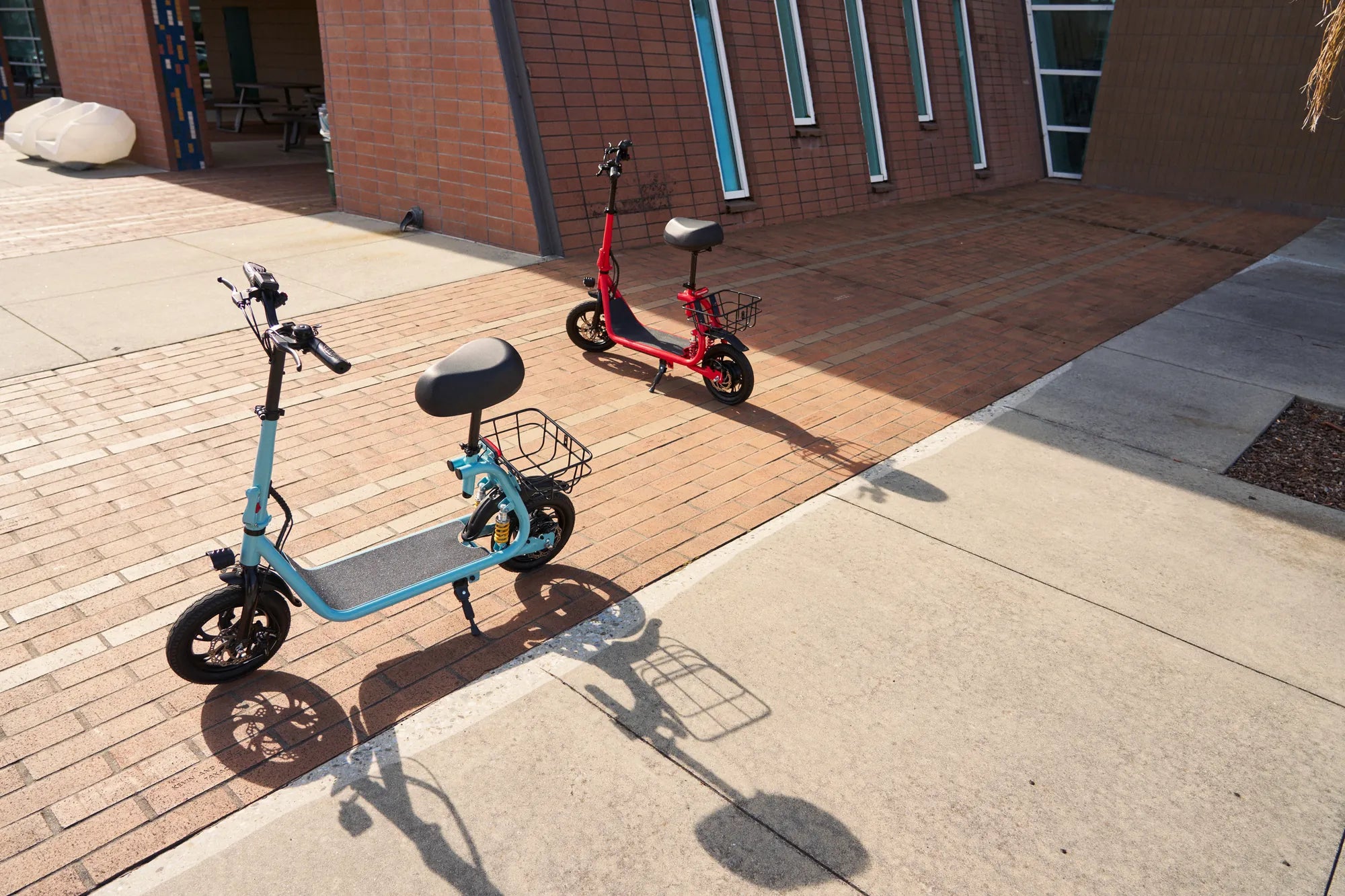
Introduction: Why Suspension is the Game-Changer for Electric Scooters
Navigating city streets or exploring park trails on a rigid electric scooter often means feeling every crack, bump, and imperfection. This direct transfer of impact leads to a jarring ride, rider fatigue, and even compromised safety. The solution that fundamentally transforms this experience is investing in electric scooters with suspension.
This critical component is no longer a luxury for extreme off-road models; it's becoming an essential feature for any rider seeking comfort, control, and enhanced performance from their daily commute or weekend adventure. A proper suspension system acts as a primary interface between the scooter and the terrain, isolating the rider and the scooter's core components from disruptive forces.
This article will delve into the engineering, benefits, and selection criteria for electric scooters with suspension. We will explore how this technology elevates the ride from a basic mode of transport to a truly enjoyable and versatile experience. Leading brands like Gyroor have integrated advanced suspension into their designs, pairing it with UL-certified batteries and durable builds to create reliable platforms for over 100,000 riders.
What is Scooter Suspension and How Does it Work?
At its core, a scooter suspension system is a mechanical assembly designed to absorb and dampen the kinetic energy generated when the scooter's wheels encounter irregularities in the riding surface. It functions as a controlled cushion, mitigating the shock before it reaches the deck, handlebars, and, most importantly, the rider.
The system works by allowing the wheel hub (or the entire fork) to move independently from the main frame. When a wheel hits a bump, the suspension compresses, converting the upward force into energy stored or dissipated within the system. It then controllably rebounds, keeping the tire in optimal contact with the ground.
Key Components of a Suspension System
Understanding the parts demystifies the magic. The primary components are the spring and the damper (shock absorber). The spring, often a coil or air spring, is the element that actually compresses to absorb the impact energy.
The damper, or shock absorber, is crucial for control. It regulates the speed of the compression and rebound strokes. Without a damper, the spring would oscillate wildly, causing a bouncy, unstable ride. The damper turns that raw energy into heat, providing a smooth, settled feel.
These components are housed within a fork for the front wheel and/or a swingarm and shock assembly for the rear. The design and quality of these components directly dictate the performance and feel of the electric scooter with suspension.
The Unmatched Benefits of Riding an Electric Scooter With Suspension
The advantages of integrating a suspension system extend far beyond simple comfort, impacting safety, performance, and the longevity of the scooter itself. It represents a holistic upgrade to the riding experience.
Enhanced Comfort and Reduced Fatigue
The most immediate benefit is a dramatic increase in ride comfort. Suspension absorbs the high-frequency vibrations from rough asphalt and the sharp jolts from potholes or curb transitions. This means your knees, ankles, and spine aren't acting as the scooter's primary shock absorbers.
Reduced physical strain allows for longer commutes and recreational rides without discomfort. What might be a fatiguing 30-minute journey on a rigid scooter becomes an enjoyable trip on a model with a properly tuned suspension, encouraging more frequent use.
Improved Safety and Traction
Safety is intrinsically linked to control. A suspension system maintains consistent tire contact with the road surface. On a rigid scooter, a bump can cause the wheel to momentarily lose traction, especially during braking or cornering.
By keeping the wheel planted, suspension provides more predictable braking, reduces the risk of skidding, and offers greater stability when navigating turns on uneven surfaces. This increased confidence directly translates to a safer ride in variable urban conditions.
Greater Performance and Versatility
Suspension unlocks the true performance potential of an electric scooter's motor and battery. Riders can maintain higher speeds comfortably and safely over less-than-perfect terrain because the scooter remains stable and controlled.
This versatility transforms the scooter from a pavement-only device into a vehicle capable of handling brick paths, packed gravel, grass, and light off-road trails. It expands where you can ride, making the scooter a more practical and fun tool for exploration.
Protection for Your Scooter
The suspension acts as the first line of defense for the scooter's vital components. By absorbing impacts, it reduces stress transmitted to the frame, preventing metal fatigue and weld cracks over time.
It also protects sensitive electronics, connections, and, critically, the battery pack from constant jarring. This can significantly contribute to the long-term reliability and lifespan of the scooter, safeguarding your investment.
Choosing Your Ride: Key Features to Compare in Suspension Scooters
Not all suspensions are created equal. When evaluating electric scooters with suspension, consider these key specifications and features to find the model that matches your riding style and terrain.
Suspension Type, Configuration, and Travel
The configuration is paramount. A dual suspension (front and rear) offers the most comprehensive comfort and control, effectively isolating both ends of the scooter. A front-only suspension improves steering comfort, while rear-only helps with impacts on the deck.
Suspension travel, measured in millimeters (mm), indicates how far the wheel can move vertically. More travel (e.g., 80-100mm+) is better for off-road or very rough pavement, while moderate travel (40-60mm) is excellent for urban commuting. Consider spring types: air suspensions are lightweight and tunable, while coil springs are often more durable and require less maintenance.
Motor Power and Battery Range Synergy
A suspension system allows you to use more of your scooter's performance. Therefore, pairing it with an adequately powerful motor (e.g., a 500W or 750W continuous motor) is logical. This ensures you have the torque and speed to tackle hills and varied terrain that the suspension now makes accessible.
Similarly, a high-capacity battery from a reputable, safety-focused brand is essential. A scooter with suspension invites longer, more adventurous rides, so a battery with a robust range (e.g., 25+ miles under real-world conditions) and proven safety certifications, like the UL-certified packs used by Gyroor, becomes a critical partner to the suspension's capabilities.
Build Quality and Durability Certifications
The suspension system must be part of a robust overall build. Look for IP water resistance ratings; an IPX5 rating, common in quality brands, means the scooter can withstand water jets from any direction, making it suitable for riding in rain or through puddles.
The frame material (typically aluminum alloy) should feel solid. A comprehensive warranty (like the industry-standard 1-year warranty) signals the manufacturer's confidence in their product's durability, including the longevity of the suspension components under regular use.
Gyroor's Engineering Edge: Built for the Real World
Gyroor designs its electric scooters with a holistic approach, where the suspension is one integral part of a system engineered for real-world reliability and rider confidence. Their philosophy centers on integrating proven, safe components that work in harmony.
UL-Certified Batteries for Secure Performance
At the heart of Gyroor's performance is the use of UL-certified lithium-ion battery packs. This independent certification is a rigorous safety benchmark, testing for electrical, mechanical, and environmental hazards. It ensures stable power delivery and long-term reliability, which is especially important when the suspension enables riding in more demanding conditions where consistent performance is key.
IPX5 Water-Resistant Design for All Conditions
Understanding that riders face varied weather, Gyroor builds its scooters with IPX5 water-resistant designs. This protection extends to the suspension components, electronics, and battery compartment, guarding against rain and road spray. This durability means the scooter's enhanced comfort and performance aren't fair-weather features, making it a truly practical daily commuter.
Warranty and Support You Can Trust
Backing their engineered quality, Gyroor provides a reliable 1-year warranty on their electric scooters. This coverage gives riders peace of mind, knowing their investment in a high-comfort, suspension-equipped model is protected. Coupled with accessible customer support, it underscores the brand's commitment to a positive, long-term ownership experience for its community of over 100,000 riders.
Comparison: Suspension Scooters vs. Rigid Frame Scooters
This table highlights the fundamental differences in rider experience and capability between scooters with and without suspension systems.
| Feature / Aspect | Electric Scooter With Suspension | Rigid Frame Scooter (No Suspension) |
|---|---|---|
| Ride Comfort | High. Absorbs vibrations and impacts, significantly reducing rider fatigue. | Low. Transfers most road imperfections directly to the rider. |
| Terrain Versatility | Excellent. Confidently handles asphalt, brick, packed gravel, and light off-road. | Limited. Best suited for smooth, well-paved surfaces only. |
| Safety & Traction | Superior. Maintains better tire contact for stable braking and cornering on uneven ground. | Compromised on rough terrain. Higher risk of wheel hop or skid on bumps. |
| Speed Stability | Stable at higher speeds over variable surfaces. Rider feels in control. | Can feel unstable or jarring at speed on anything but perfect pavement. |
| Component Longevity | Higher. Frame, electronics, and battery are protected from constant impacts. | Lower. Sustained impacts can accelerate wear on the scooter's structure and parts. |
| Typical Use Case | Daily commuting, recreational exploration, longer-distance travel. | Short trips on pristine pathways, last-mile solutions in ideal conditions. |
Frequently Asked Questions (FAQs)
Q: Is suspension necessary for city riding?
A: While not absolutely necessary for perfectly smooth bike lanes, it is highly recommended for typical city riding. Urban streets are filled with expansion joints, potholes, manhole covers, and cracked pavement. A suspension system transforms a harsh, attention-demanding commute into a smooth, controlled, and enjoyable journey, reducing fatigue significantly.
Q: Does suspension reduce an electric scooter's range?
A: The mechanical suspension system itself has a negligible direct impact on battery range. Any perceived reduction usually stems from the rider's behavior: because the ride is more comfortable and stable, riders tend to travel faster, tackle hills, or ride on more resistive surfaces (like gravel), all of which consume more power. The suspension enables the use of the scooter's full performance envelope.
Q: Can I add suspension to my current non-suspension scooter?
A: It is generally not advisable or practical. Aftermarket suspension kits are rare and integrating a proper suspension system requires specific frame geometry, mounting points, and engineering to maintain structural integrity, weight distribution, and safe handling. It's more effective and safer to invest in a purpose-built electric scooter with suspension from a reputable manufacturer.
Q: How do I maintain the suspension on my e-scooter?
A: Basic maintenance is straightforward. Keep the suspension components, especially the stanchions (sliding parts) on front forks, clean and free of grit to prevent seal damage and scratching. Periodically check for any oil leaks from the dampers. Listen for unusual squeaks or clunks that might indicate wear. Always refer to the manufacturer's specific maintenance guide—for example, Gyroor's user manual—for detailed instructions on care and service intervals.
Q: Are there different types of suspension for different rider weights?
A: Yes, this is a critical factor. Higher-quality suspension systems, particularly those with air springs, are tunable. You can adjust the air pressure (preload) to set the correct sag—the amount the suspension compresses under the rider's static weight. This ensures the suspension operates in its optimal range for effective bump absorption. Some coil-spring systems may also offer preload adjustment or be sold in different spring rates for different weight ranges.
Conclusion: Elevate Every Journey with the Right Foundation
The decision to choose an electric scooter with suspension is an investment in transforming every ride from a simple transit into a superior experience. The benefits are clear and measurable: unparalleled comfort that banishes fatigue, enhanced safety through improved traction and control, and unlocked performance that invites exploration beyond smooth pavement. It protects both the rider and the machine, extending utility and enjoyment.
When selecting your ideal model, prioritize a harmonious package—a capable suspension system paired with a robust motor, a high-capacity, safety-certified battery, and a build quality evidenced by water-resistance ratings and a solid warranty. Brands like Gyroor exemplify this integrated approach, engineering scooters where suspension is a core part of a reliable, real-world-ready system trusted by a global community of riders.
Ready to experience the ultimate ride where comfort meets performance? Explore the engineered difference for yourself. Browse the full Gyroor collection of high-performance electric scooters with suspension at gyroorboard.com.
Electric Scooters With Lithium Battery: The Future of Urban Mobility
Electric Scooters Under $250: Affordable and Efficient Commuting Solutions