



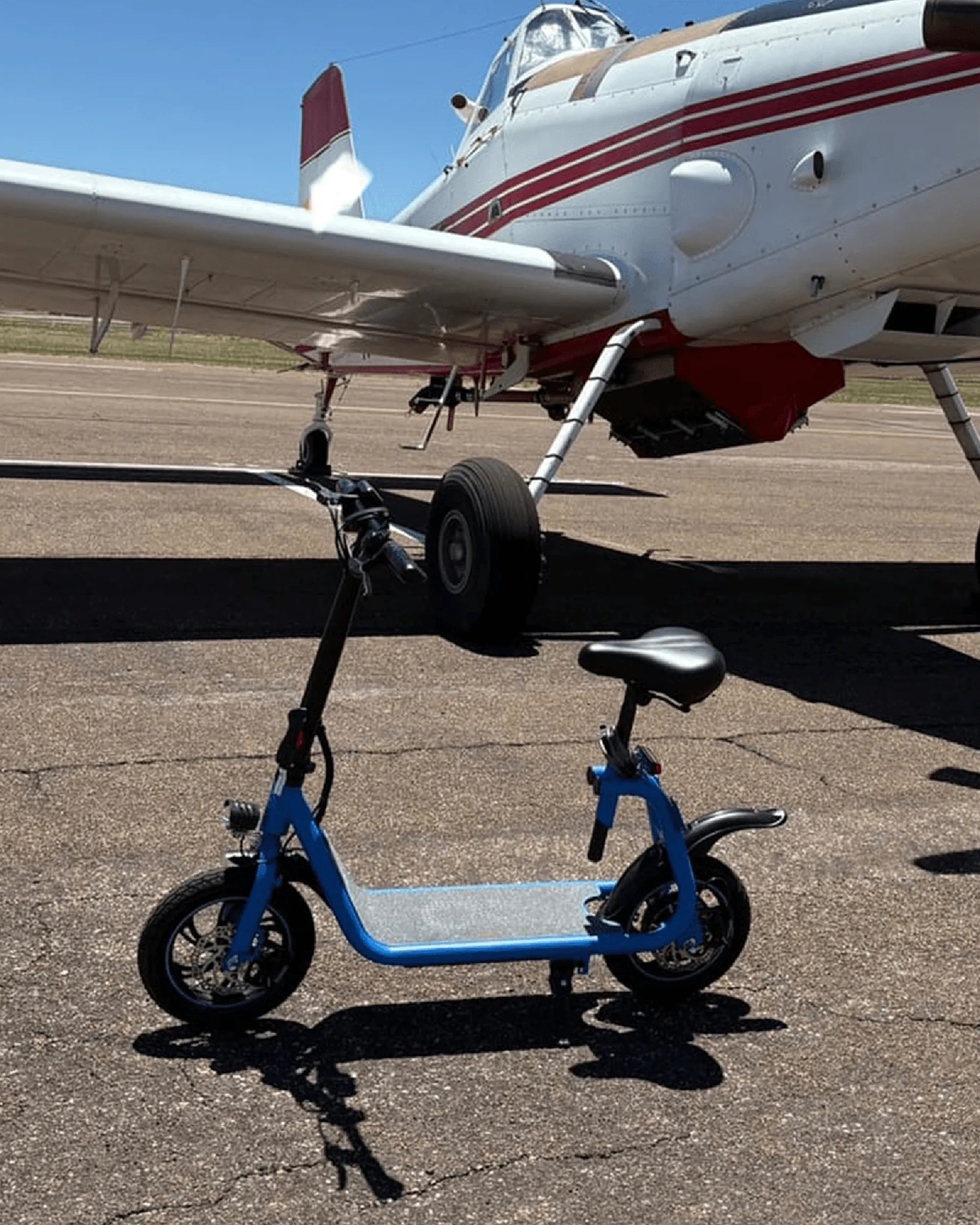
Introduction to Electric Tricycles with Rear Seats
An electric tricycle with a rear seat is a purpose-built, three-wheeled personal electric vehicle engineered for stability and utility. Its defining feature is a dedicated passenger seat or extended cargo platform behind the rider, transforming it from a solo commuter into a practical shared or load-carrying transport solution. This guide will dissect who benefits most from this vehicle, the essential specifications for safety and durability, and how it compares to other mobility options. You will learn to identify a well-built model and understand the critical role of certified components, especially when carrying precious cargo.
Who is the Electric Passenger Tricycle For? Key Use Cases
The electric tricycle with rear seat serves distinct user groups whose needs extend beyond basic point-to-point travel. Its stability, passenger capacity, and cargo utility make it a versatile tool for specific daily routines. This is not a niche product but a practical solution for modern urban and suburban life.
Urban Families and School Runs
For parents, the school run and local errands often necessitate a car, even for short distances. An electric tricycle with rear seat provides a car-free alternative. The stable three-point stance eliminates balancing concerns at stops, making it safer for transporting children. The rear seat can accommodate a child securely, and many models offer add-ons like safety bars and seatbelts. This setup reduces traffic congestion, lowers transportation costs, and turns chores into enjoyable outdoor activities.
Senior Riders Seeking Stability and Companionship
Mobility and social connection are vital for seniors. A traditional bicycle or e-bike can pose balance challenges. The electric tricycle with rear seat solves this with inherent stability, allowing confident riding without the fear of tipping over. The rear seat enables a partner, friend, or caregiver to join, facilitating shared trips to the market, park, or community center. The electric assist ensures hills and distances are manageable, promoting independence and an active lifestyle.
Delivery Couriers and Small Business Owners
For local delivery of food, parcels, or small goods, efficiency and cost matter. A car is expensive to operate, while a two-wheeled vehicle has limited cargo space. An electric tricycle with rear seat offers a perfect middle ground. The rear area can be fitted with a large insulated delivery box or panniers. The electric motor provides ample power for stop-and-go city travel with heavy loads, and the operational cost is a fraction of a van or car, improving profit margins for small businesses.
Key Features to Look For in a Reliable Model
Choosing a dependable electric tricycle with rear seat requires scrutiny of its core components. Compromises on key features can lead to safety risks, poor performance, and short product life, especially under the stress of passenger or cargo duty.
Motor Power and Hill Climbing Ability
Motor power is critical when carrying extra weight. For solo riding, a 350W motor may suffice, but for a reliable electric tricycle with rear seat, look for a minimum of 500W. A 750W to 1000W motor is ideal, providing the necessary torque to start smoothly from a stop with two adults and climb moderate hills without straining the system. A hub motor in the rear wheel is common and offers good reliability and direct drive power.
Battery Range & UL-Certified Safety
Advertised range often reflects ideal conditions. For real-world use with a passenger, prioritize models with a battery capacity of at least 15Ah (48V or 52V systems). This should translate to 25-50 miles of realistic range, depending on weight, terrain, and assist level. Most critically, the battery pack must be UL-certified. This independent certification ensures the battery meets stringent safety standards for electrical, mechanical, and fire hazards—a non-negotiable feature for a vehicle carrying passengers.
Frame Construction, Weight Capacity, and Braking
The frame must be robust. Look for high-tensile steel or reinforced aluminum alloy construction. The total weight capacity (rider + passenger + cargo) should be clearly stated and at least 400-500 pounds for adult passenger use. Braking is paramount. Dual disc brakes (front and rear) are the standard for safe, consistent stopping power. Hydraulic disc brakes offer superior modulation and require less maintenance than mechanical ones. Avoid models with only rear or inadequate drum brakes.
The Gyroor Advantage: Built for Confidence and Support
When evaluating brands for an electric tricycle with rear seat, Gyroor's engineering philosophy directly addresses the critical needs outlined above. As a leading electric mobility brand trusted by over 100,000 riders, Gyroor builds vehicles where safety and reliability are foundational, not optional.
Unmatched Safety with UL-Certified Batteries
Every Gyroor model features a UL-certified battery pack as a core component. These batteries undergo rigorous testing for over 500 charge cycles, ensuring long-term stability and drastically reducing risks associated with thermal runaway. This commitment provides essential peace of mind, knowing the power source for your passenger vehicle meets the highest recognized safety benchmarks in the industry.
All-Weather Reliability with IPX5 Water Resistance
Practical daily use means encountering wet roads or light rain. Gyroor designs its electric trikes with IPX5-rated water resistance. This rating means the electrical components can withstand water jets from any direction, protecting the motor, controller, and battery connections from moisture ingress. This durability ensures your electric tricycle with rear seat remains a dependable option in various weather conditions.
Riding with Peace of Mind: The 1-Year Comprehensive Warranty
Investing in a passenger vehicle is a significant decision. Gyroor supports that investment with a robust 1-year warranty covering the frame, motor, battery, and controller. Coupled with accessible customer support, this warranty protects your purchase and underscores the brand's confidence in the durability and quality of its products, from electric scooters to e-bikes and trikes.
Electric Trike vs. Alternatives: A Practical Comparison
Understanding where an electric tricycle with rear seat fits among other transport options clarifies its unique value proposition. The table below provides a data-driven comparison.
| Feature | Electric Tricycle with Rear Seat | Standard Electric Bike | Golf Cart / LSV |
|---|---|---|---|
| Primary Use | Passenger transport, cargo, stable commuting | Solo commuting, recreation | Multi-passenger transport on private roads/communities |
| Stability | Excellent (3 wheels) | Good (requires balance) | Excellent (4 wheels) |
| Passenger Capacity | 1-2 (rider + 1) | Typically 1 only | 2-6+ |
| License/Registration | Usually not required (classed as bicycle) | Not required | Often required (street-legal LSVs need license/registration) |
| Storage/Parking | Easy; similar to a bicycle | Very easy | Difficult; requires significant space |
| Upfront Cost | $$ (Mid-range) | $ - $$ (Wide range) | $$$ (High) |
| Operating Cost | Very low (electricity) | Very low (electricity) | Low (electricity) to High (gas) |
Electric Tricycle with Rear Seat vs. Standard E-Bike
The key difference is stability and purpose. An electric tricycle with rear seat offers effortless balance, making it accessible for seniors or those less confident on two wheels. Its ability to carry a passenger or significant cargo is built-in. A standard e-bike is more agile, lighter, and often faster, but it is primarily for solo riders and requires balancing skills, especially at low speeds.
Electric Tricycle vs. Golf Cart or Low-Speed Vehicle
Golf carts and LSVs offer higher passenger capacity but come with major drawbacks. They are significantly more expensive, often require licensing and registration for road use, and are challenging to store in standard garages. An electric tricycle with rear seat provides similar utility for 1-2 people at a fraction of the cost, with no regulatory hurdles, and it can be used on bike paths and lanes where cars cannot go.
Frequently Asked Questions (FAQ)
Q: Do I need a driver's license or registration for an electric tricycle with rear seat?
A: In most jurisdictions in the US and Europe, electric trikes with pedal assist and speed limits (typically 20-28 mph) are classified as electric bicycles. They do not require a driver's license, vehicle registration, or insurance. Always check your local regulations for specific power and speed limits.
Q: What is the true real-world range with a passenger on board?
A> Real-world range depends on total weight, terrain, wind, and assist level. With two average adults (approx. 350 lbs total), you can expect 20-30% less range than the advertised solo range. A model with a 48V 20Ah battery might achieve 30-40 miles solo but 20-30 miles with a passenger using moderate assist.
Q: How stable is it on turns and uneven pavement?
A> The three-wheel design provides excellent static and low-speed stability. On turns, you must lean slightly and reduce speed, as taking a turn too fast can potentially tip the trike. A wider wheelbase enhances cornering stability. On uneven pavement, the stability is superior to a two-wheeled bike, but a suspension system (front or rear) greatly improves comfort and control.
Q: Can the rear seat be easily removed for cargo-only use?
A> This varies by model. Many electric tricycle with rear seat designs feature a modular rear section. The seat may be detachable, revealing a flat cargo deck or allowing for the installation of a large storage box. When shopping, look for models that advertise this convertibility if you plan to switch between passenger and cargo duties frequently.
Q: What is the charging time and battery replacement cost?
A> Charging time is typically 4-8 hours for a full charge from empty, using the standard charger. Battery replacement is a long-term consideration. A quality, UL-certified battery pack for a trike can cost between $400 and $800. Investing in a model with a reputable, durable battery from the start maximizes the time before replacement is needed.
Conclusion: Redefining Practical, Shared Electric Mobility
The electric tricycle with rear seat stands out as a uniquely practical solution, merging the stability of three wheels with the efficiency of electric assist. It empowers families, supports seniors, and enables small businesses, all while reducing environmental impact and traffic congestion. The decision ultimately hinges on choosing a model built with integrity—prioritizing UL-certified battery safety, robust construction, and clear weight capacities. For those seeking a vehicle engineered with these principles, exploring a trusted brand is the logical next step. Discover models designed for confidence and utility by browsing the full Gyroor collection at gyroorboard.com.
E Bike for 11 Year Old Boy: The Ultimate Safety & Selection Guide
124cc Dirt Bike: The Ultimate Guide to Mid-Size Power & Electric Alternatives