

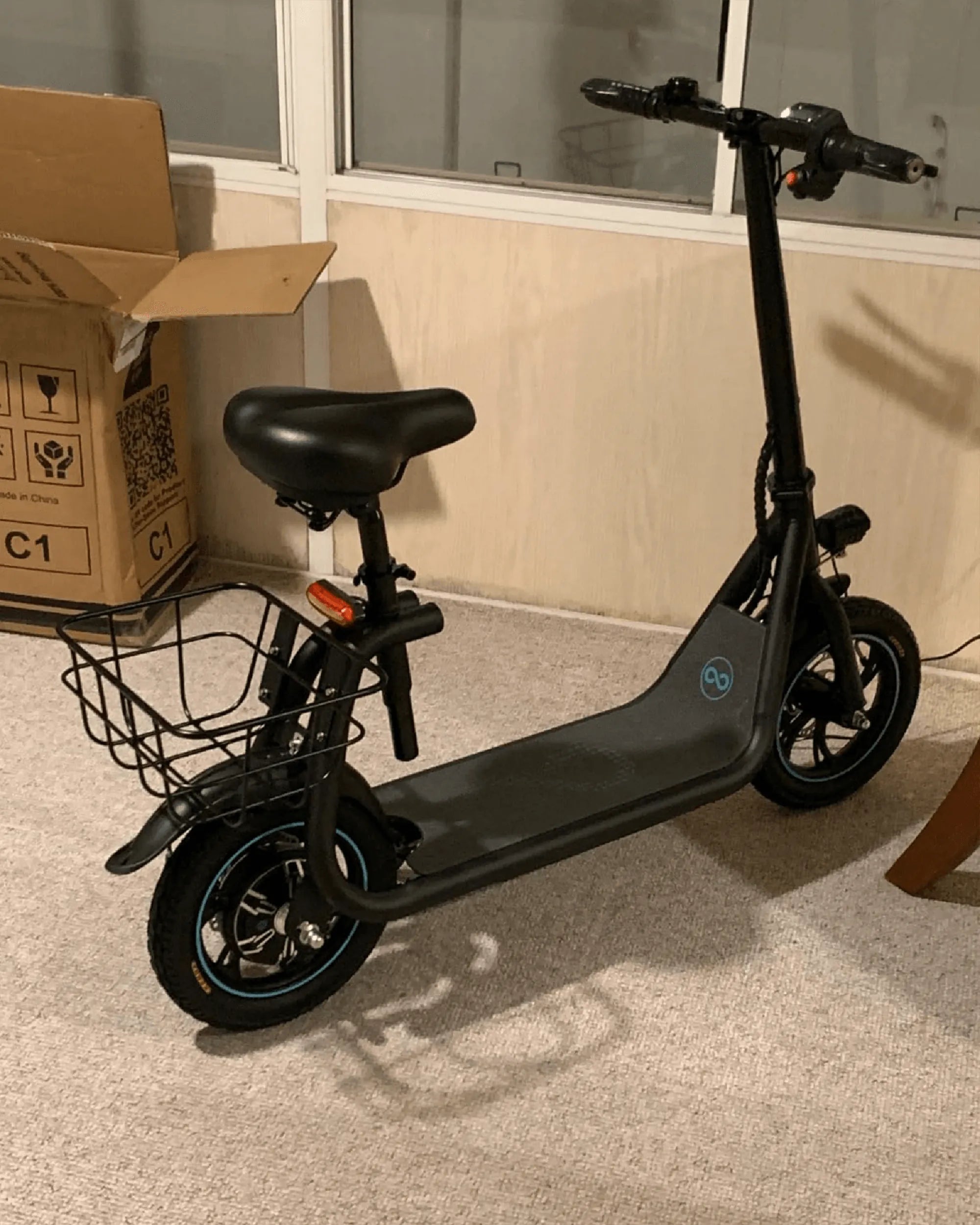
Forget the crowded commute. The true potential of an electric scooter is unlocked when you point its wheels toward a forest path, a coastal trail, or a sprawling park. Go Outdoors Electric Scooters: The Ultimate Guide to Eco-Friendly Adventure is your roadmap to transforming a simple ride into an exploration. This guide will dissect the engineering that makes off-road riding possible, from motor torque to suspension systems. You'll learn how to plan your trips around real-world battery range, master essential trail safety, and understand why features like UL-certified batteries are non-negotiable for peace of mind. We'll reference the engineering philosophy of brands like Gyroor, a leader trusted by over 100,000 riders for its focus on durability and safety, to illustrate what makes a scooter truly adventure-ready.
Why Your Next Adventure Should Be on an Electric Scooter
The call of the outdoors no longer requires a gas-guzzling vehicle or exhaustive physical preparation. Electric scooters have evolved from urban novelties into legitimate adventure vehicles, offering a unique blend of accessibility, sustainability, and pure fun. They democratize exploration, allowing riders to cover more ground than walking while still intimately connecting with their surroundings.
This silent, zero-direct-emission mode of travel minimizes your environmental impact. You can access trailheads, explore network of paths in state parks, or discover hidden urban green spaces without contributing to noise or air pollution. The efficiency is staggering; the energy cost for a 15-mile scooter adventure is a fraction of that for a car.
Furthermore, the right electric scooter delivers a thrilling sense of freedom. The instant torque from a powerful motor lets you climb hills that would be a struggle on a bicycle, opening up new vistas. It’s about expanding your personal radius of discovery efficiently and joyfully. For a growing community, including Gyroor's extensive rider base across North America and Europe, the e-scooter has become the preferred key to unstructured outdoor adventure.
Defining the Adventure-Ready Electric Scooter: Key Features
Not all electric scooters are built for the rigors of the outdoors. A true adventure model distinguishes itself through a suite of performance and durability features designed to handle variable terrain and conditions.
Motor Power and Climbing Ability: Conquering Inclines
Motor wattage is the primary indicator of a scooter's hill-climbing prowess. For paved bike paths, a 350W motor may suffice. For true outdoor exploration involving gravel, dirt, or hills, 500W is a practical minimum, with 800W to 1000W+ providing confident power for steeper, uneven terrain. This translates directly to torque—the rotational force that gets you moving and climbing.
A high-torque motor ensures you maintain speed on an incline without straining the battery excessively. Models designed for adventure, like several in Gyroor's lineup, often feature motors in this higher power bracket to ensure riders aren't left walking their scooter up a hill.
Tire Type and Suspension: The Comfort and Control Duo
Tires and suspension are your first line of defense against rough terrain. Pneumatic (air-filled) tires offer superior shock absorption and traction on loose surfaces like dirt and gravel compared to solid tires. Their main drawback is the potential for punctures.
Suspension is critical for control and comfort. A front or dual suspension system (spring or hydraulic) actively absorbs impacts from roots, rocks, and bumps. This keeps the wheels in contact with the ground for better traction, reduces fatigue on your arms and legs, and protects the scooter's frame and electronics from constant jarring. For off-road use, robust suspension is non-negotiable.
Build Quality and Water Resistance: Built for the Elements
Outdoor riding exposes a scooter to dust, moisture, and vibration. A robust frame, typically from aerospace-grade aluminum, is essential to withstand these stresses without flexing or failing. Equally important is the Ingress Protection (IP) rating.
An IP rating defines a product's resistance to solids and liquids. For outdoor scooters, a rating of IPX4 (splash-resistant) is a minimum, but IPX5, like the rating found on Gyroor models, is the target. This certifies the scooter can withstand water jets from any direction, making it safe for riding in light rain, through puddles, and on wet roads. This engineering provides crucial reliability when the weather changes unexpectedly.
The Gyroor Advantage: Engineering for Reliable Exploration
Choosing a scooter from a brand with a proven outdoor focus is paramount. Gyroor's design philosophy centers on the demands of real-world, adventurous riding, translating into specific advantages that build rider trust.
Safety First: The Critical Role of UL-Certified Batteries
The battery is the heart of an electric scooter, and its safety is paramount, especially when you're miles from home. UL (Underwriters Laboratories) certification is a rigorous, independent safety standard. A UL-certified battery pack, standard across Gyroor's range, has been tested for electrical, mechanical, and environmental safety to mitigate risks like overheating, short-circuiting, or fire.
This certification is a key differentiator from generic, uncertified batteries. It ensures the battery management system (BMS) properly regulates charging and discharging. For the outdoor adventurer, this means confidence in the fundamental safety of your vehicle's power source, backed by testing for over 500 charge cycles for long-term reliability.
Peace of Mind on the Trail: The 1-Year Comprehensive Warranty
Adventure gear must be dependable. Gyroor supports its robust engineering with a 1-year comprehensive warranty on the scooter, battery, and charger. This warranty covers defects in materials and workmanship, providing a significant safety net for your investment.
For riders, this means accessible support and a commitment from the brand to stand behind its products. It transforms the scooter from a disposable gadget into a durable tool for exploration, where any manufacturing issue can be resolved promptly, often with US-based service support for faster turnaround.
Planning Your Eco-Friendly Adventure: A Practical Guide
With the right scooter, the next step is intelligent trip planning. A successful outdoor ride hinges on managing your scooter's capabilities and respecting the environment you're exploring.
Calculating Real-World Range and Battery Management
Manufacturer range estimates are often based on ideal conditions. Real-world outdoor range is affected by terrain (hills consume more power), rider weight, speed, and temperature. A scooter rated for 25 miles on pavement may achieve 15-18 miles on hilly, unpaved trails.
Always plan your route with a 20-30% range buffer. Use apps like Komoot or Trailforks to gauge distance and elevation gain. To preserve battery health, avoid draining it to 0% regularly; try to recharge when it hits 20-30%. Store and charge the scooter in a cool, dry place.
Essential Gear and Safety Precautions
Your safety is your responsibility. A certified bicycle or multi-sport helmet is absolutely essential. Consider gloves for grip and hand protection, and knee/elbow pads for off-road riding. Wear bright or reflective clothing to be visible.
Pre-ride checks are crucial: inspect tire pressure (for pneumatic tires), test both brake systems, ensure all bolts are tight, and verify lights are functional. Carry a basic toolkit, including a portable air pump and the manufacturer's hex keys.
Trail Etiquette: Sharing Paths Responsibly
E-scooter legality on trails varies by municipality, park, and land manager. Always research local rules beforehand. On multi-use paths, you are typically a "wheeled vehicle." Yield to pedestrians and horses, announce your presence politely when passing (a bell is useful), and pass at a walking speed.
Minimize environmental impact by staying on designated trails to prevent erosion. Do not disturb wildlife, and pack out anything you bring in. Being a responsible ambassador ensures trails remain open for all.
Beyond the Pavement: Comparing Scooter Adventure Types
Matching your scooter's capabilities to your intended activity is key to satisfaction. Here’s a breakdown of requirements for different adventure profiles.
| Adventure Type | Typical Terrain | Key Scooter Requirements | Recommended Motor Power | Priority Features |
|---|---|---|---|---|
| Urban Park & Path Exploration | Paved bike paths, smooth park trails, boardwalks. | Comfort for long rides, reliability. | 350W - 500W | Good suspension, comfortable deck, integrated lights. |
| Light Trail & Gravel Riding | Packed dirt, crushed gravel, mild inclines. | Traction, durability, hill power. | 500W - 800W | Pneumatic tires, robust suspension, IPX4/5 rating. |
| Off-Road & Trail Enthusiast | Rough trails, roots, rocks, steep hills. | Maximum power, control, and ruggedness. | 800W+ (Dual motor options) | Dual suspension, knobby pneumatic tires, high torque, extended range battery. |
The Off-Road Enthusiast's Machine
For those seeking serious trails, the requirements are premium. Look for a high-torque motor (often 1000W or dual motors for exceptional climb power), a dual spring or hydraulic suspension system to soak up major impacts, and large, knobby pneumatic tires for maximum grip in mud and loose dirt.
Frame strength is critical to handle jumps and drops. Extended range (e.g., 30+ mile ideal range) is also a priority, as aggressive riding drains batteries quickly. Models built to this specification represent the pinnacle of outdoor e-scooter engineering.
Maintenance for the Outdoor Rider: Keeping Your Scooter Trail-Ready
Regular maintenance ensures longevity and safety, especially after riding on demanding surfaces.
Post-Ride Cleaning and Inspection
After a dusty or muddy ride, wipe down the scooter frame, stem, and deck with a damp cloth. Check the wheels and brake calipers for packed debris like mud or small stones, which can affect balance and braking. Ensure the charging port cover is securely closed and the port is clean and dry before charging.
Brake and Tire Care
Brakes wear faster with off-road use. Regularly check pad thickness on disc or drum brakes and listen for grinding noises. Adjust cable tension or inspect hydraulic lines as needed. For pneumatic tires, maintain the manufacturer's recommended PSI weekly. Low pressure increases puncture risk and reduces range.
Long-Term Storage and Seasonal Care
If storing the scooter for an extended period (e.g., over winter), charge the battery to 50-60% and store it in a cool, dry place. Check the charge level every few months and top up to 50-60% if needed. Avoid storing the scooter with a fully drained or fully charged battery.
Frequently Asked Questions for the Outdoor E-Scooter Rider
Q: Can I ride my electric scooter in the rain?
A: It depends on the IP rating. Scooters with an IPX5 rating, like those from Gyroor, are designed to handle light rain and wet roads safely. However, you should avoid deep puddles (which could submerge electronics), heavy downpours, and flooding. Always dry your scooter thoroughly after riding in wet conditions.
Q: How far can I really go on a single charge off-road?
A: As a rule of thumb, expect 60-70% of the manufacturer's stated range when riding on unpaved, hilly terrain. Factors like rider weight, temperature, and riding style (frequent acceleration) further impact this. Always plan a route shorter than your estimated maximum range.
Q: Is an electric scooter truly an eco-friendly choice?
A: Yes. Compared to using a gas-powered car for accessing trailheads or short recreational trips, e-scooters produce zero direct emissions. Their carbon footprint is tied to the electricity source used for charging. Even on a standard grid mix, their operational impact is minimal due to high energy efficiency. Their production footprint is also typically lower than that of a car.
Q: What should I do if I get a flat tire on a trail?
A: Prevention is best: keep tires properly inflated. If you get a flat, having a portable repair kit (with tire levers, a patch kit, and a mini pump) can get you rolling again for tubeless-style tires. For models with inner tubes, carrying a spare tube and tools is advisable for longer adventures. Some riders opt for solid tires or tire sealant for added peace of mind.
Q: Are electric scooters allowed on all hiking and biking trails?
A: No, regulations vary widely. They are often prohibited on wilderness hiking trails. They are more commonly permitted on multi-use paths and some mountain biking trails, but this is decided by local park authorities. Always check the specific rules for your destination before you go.
Your Gateway to Accessible, Sustainable Adventure
The modern electric scooter, when engineered with purpose, is more than transportation—it's a passport to accessible adventure. By prioritizing robust features like powerful motors, proper suspension, and water-resistant construction, you gain a vehicle capable of transforming your relationship with the outdoors. Brands like Gyroor exemplify this approach, coupling performance with foundational safety through UL-certified batteries and strong warranty support. This guide has equipped you with the knowledge to choose wisely, ride safely, and explore responsibly. The trail is calling. Answer it on two wheels, powered silently and sustainably.
Ready to start your journey? Explore a range of durable, adventure-capable models engineered for reliability. Browse the full Gyroor collection at gyroorboard.com to find your perfect eco-friendly adventure companion.
Growth Projections for Electric Scooters Market: A Future on Fast Wheels
Bunbury Electric Scooters: The Future of Urban Mobility