

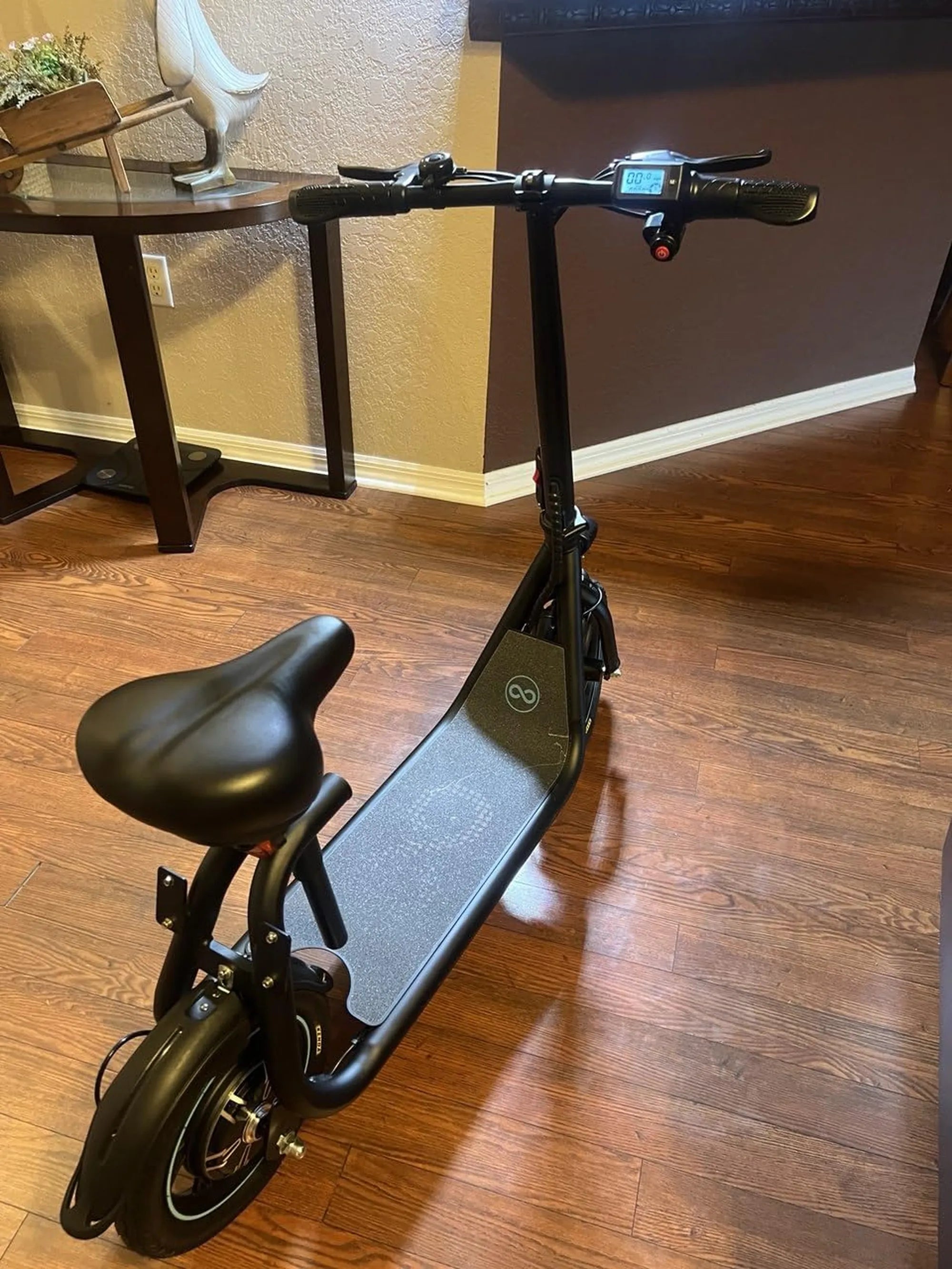
Introduction: The Electric Scooter Market in Hyperdrive
The global electric scooter market has shifted from niche novelty to mainstream mobility solution in less than a decade. Projections indicate we are witnessing just the initial phase of a fundamental transformation in how people navigate cities and communities. This article analyzes the concrete data, powerful drivers, and tangible implications behind the growth projections for electric scooters market: a future on fast wheels.
We will dissect market size forecasts from leading research firms, identify the regions and segments experiencing the most explosive growth, and explore the technological and societal forces fueling this expansion. For consumers, understanding these projections is crucial for making informed purchasing decisions as the market evolves toward smarter, safer, and more capable personal electric vehicles.
The Numbers Behind the Boom: Key Market Projections
Quantitative forecasts from industry analysts paint a picture of sustained, robust expansion. Grand View Research valued the global e-scooter market at approximately USD 33.18 billion in 2023. Their analysis projects a compound annual growth rate (CAGR) of 8.7% from 2024 to 2030, which would see the market reach nearly USD 60 billion by the end of the decade.
Other firms like MarketsandMarkarks and Precedence Research offer similarly bullish outlooks, with CAGRs ranging from 8% to over 15% depending on the segment and region analyzed. This consistency across independent analyses underscores the strength of the underlying trend. The growth projections for electric scooters market are not based on speculation but on measurable factors like rising urbanization rates, technological cost reductions, and clear policy shifts.
The private ownership segment, in particular, is outpacing shared services in growth rate post-pandemic. Consumers are increasingly investing in their own reliable, always-available transportation rather than relying on sporadic rental availability. This shift toward personal ownership is a key pillar supporting long-term market expansion and product innovation.
Regional Growth Hotspots: Where Adoption is Accelerating
Growth is not uniform globally; specific regions are emerging as powerful engines of adoption. North America, particularly the United States, remains the largest market in terms of revenue. High disposable income, dense urban centers, and a rapid embrace of micro-mobility solutions drive this leadership. Cities like Los Angeles, New York, and Miami have become testing grounds for both private and shared models.
Europe follows closely, with its growth heavily influenced by stringent environmental regulations and ambitious urban carbon-reduction plans. Countries like Germany, France, and the Netherlands are leading the charge, supported by extensive cycling infrastructure that easily accommodates e-scooters. The European market is characterized by a strong preference for high-quality, durable models with clear safety certifications.
The Asia-Pacific region is projected to witness the highest CAGR during the forecast period. This is fueled by massive urban populations, severe traffic congestion in megacities, and a strong manufacturing base for components and complete vehicles. China, India, and Southeast Asian nations are pivotal, with local brands and international players competing fiercely in this high-volume market.
Segment Analysis: Sharing vs. Private Ownership
The market narrative has evolved significantly from the early days of dockless rental fleets. While the sharing economy introduced millions to e-scooters, the private ownership segment is now the primary growth driver. Consumers have recognized the limitations of shared scooters—variable condition, limited availability, and higher long-term cost for frequent riders—and are opting for personal units.
Private scooters offer consistent performance, customization, and a sense of ownership. Brands responding to this demand, like Gyroor, focus on features that matter to owners: UL-certified battery safety for peace of mind at home, IPX5 water resistance for all-weather reliability, and robust warranties that protect the investment. This focus on quality and safety directly supports the positive growth projections for electric scooters market in the ownership sector.
The shared segment is not disappearing; rather, it is consolidating and maturing. Operators are moving toward more durable, swappable-battery fleet models and seeking deeper partnerships with cities. Its role is now seen as complementary—providing access for tourists and occasional users—while private ownership captures the daily commuter and enthusiast.
Fueling the Growth: 5 Key Drivers of Market Expansion
Multiple powerful, interconnected forces are propelling the e-scooter market forward. These drivers transform the scooter from a recreational toy into an essential tool for modern urban living.
1. Urbanization and the Last-Mile Solution
Global urbanization continues unabated, leading to denser cities and longer, more frustrating commutes. Electric scooters present a supremely efficient solution to the "last-mile" problem—the final leg of a journey from a public transit hub to home or office. They bridge distances of 1-5 miles faster than walking and more conveniently than waiting for a bus or navigating traffic in a car.
This utility is quantifiable in time and cost savings. For city planners, promoting e-scooter use is a strategy to reduce car dependency, alleviate traffic congestion, and make more efficient use of existing road space. The alignment of individual convenience with broader urban efficiency goals creates a powerful, sustainable driver for adoption.
2. Technological Advancements and Rider Trust
Rapid innovation is making e-scooters more capable, safer, and more reliable. Lithium-ion battery energy density continues to improve, enabling longer ranges without increasing weight. Motor efficiency gains provide better hill-climbing power and acceleration. Connectivity features like smartphone integration for locking, diagnostics, and ride tracking are becoming standard.
Most critically, advancements in safety technology are building essential consumer trust. The implementation of UL certification for battery packs, as used across Gyroor's lineup, addresses a major concern about fire risk. Features like electronic braking systems, improved suspension, and bright, always-on lighting enhance real-world safety. These innovations assure riders that the product is mature and dependable, directly fueling market confidence and growth.
3. Supportive Policy and Infrastructure Development
The regulatory environment is evolving from reactive to proactive. Early bans and confusion are giving way to structured frameworks that define where scooters can be ridden, parked, and what safety standards they must meet. This legal clarity removes a significant barrier to adoption for both individuals and rental companies.
Concurrently, cities are investing in infrastructure. The expansion of dedicated bike lanes, which safely accommodate scooters, and the creation of designated parking corrals reduce conflicts with pedestrians and vehicles. This tangible commitment from municipalities signals that e-scooters are a permanent, valued part of the transportation ecosystem, encouraging further investment and use.
4. Environmental and Economic Consciousness
The environmental argument for e-scooters is compelling. As pure electric vehicles, they produce zero tailpipe emissions. Their small size and efficiency result in a minuscule carbon footprint compared to even the most efficient electric car, especially when charged via a grid increasingly powered by renewables.
Economically, the value proposition is stark. The upfront cost of a quality e-scooter is a fraction of a car, and the operating costs—minimal electricity, no insurance mandate in most areas, low maintenance—are negligible. For cost-conscious commuters and environmentally aware citizens, the e-scooter offers a practical way to align values with daily action, driving conscientious adoption.
5. Post-Pandemic Shift in Commuting Preferences
The COVID-19 pandemic permanently altered attitudes toward crowded public transit and shared spaces. The desire for personal, controlled, and flexible transportation options skyrocketed. Electric scooters fulfilled this need perfectly, offering an open-air, single-occupant commute.
This behavioral shift was not temporary. Many workers who adopted e-scooters during the pandemic have retained them for hybrid or full-time office commutes, realizing the enduring benefits. The pandemic acted as a massive, involuntary trial period, converting millions of potential users into actual riders and cementing the scooter's role in the post-pandemic mobility mix.
Challenges on the Road: Hurdles to Sustained Growth
Despite the optimistic outlook, significant challenges must be navigated to ensure growth is sustainable and beneficial for all.
Regulatory fragmentation remains a hurdle. Laws vary dramatically between cities, states, and countries regarding helmet use, minimum age, allowable pathways, and speed limits. This inconsistency can confuse consumers and hinder broader, seamless adoption. A move toward more standardized regulations would provide stability for manufacturers and clarity for riders.
Safety concerns, both real and perceived, persist. Rider injuries from collisions or falls, and conflicts with pedestrians on sidewalks, generate negative headlines. The industry's response must be twofold: continued technological investment in vehicle safety (better brakes, lighting, stability) and a major commitment to rider education on safe operation and etiquette.
Durability and waste issues, particularly associated with early-generation rental fleets, have impacted public perception. The market must continue its shift toward repairable, long-lasting products designed with circular economy principles in mind. For private owners, this means choosing brands that offer reliable warranties and accessible service, like Gyroor's 1-year comprehensive coverage, ensuring the product's lifespan matches its sustainability promise.
The Future Rider: What Projections Mean for You
For the urban commuter, student, or enthusiast, these market trends translate into a rapidly improving user experience and more meaningful purchasing choices.
Smarter, Safer, and More Capable Rides
Competition and innovation will deliver tangible benefits. Expect ranges to consistently push past 30-40 miles on a single charge, reducing "range anxiety." Safety will be further integrated with automatic brake lights, turn signals, and even collision avoidance sensors becoming commonplace. Ride comfort will improve through advanced suspension systems and pneumatic, self-sealing tires. The scooter of 2030 will be a far more sophisticated and dependable machine than today's models.
Evolving Urban Landscapes and Rider Responsibility
As ridership grows, cities will continue to adapt. We'll see more dedicated micro-mobility lanes, secure parking and charging stations, and integration with public transit apps. With this infrastructure comes greater responsibility for riders. Adherence to local laws, respectful sharing of pathways, and proper parking will be essential to maintain access and positive community relations. The future rider is not just a user but a stakeholder in urban mobility.
The Investment Perspective: Value and Warranty as Standards
In a maturing market, consumers should expect more for their money. The baseline will include robust construction, reputable component brands (especially for batteries and motors), and comprehensive customer support. A strong warranty is no longer a bonus but a necessity, indicating the manufacturer's confidence in its product. Brands that have already established these standards, trusted by over 100,000 riders like Gyroor across North America and Europe, are setting the benchmark that will define the future of consumer expectations.
Comparison of E-Scooter Market Segments
| Segment | Primary Growth Driver | Key Consumer Priority | Market Maturity | Example Use Case |
|---|---|---|---|---|
| Private Ownership | Daily commuting, personal convenience, cost savings | Reliability, safety features, range, warranty | High Growth Phase | Owned commuter scooter for daily 5-mile trip to work. |
| Shared/Rental Fleets | Tourism, occasional trips, first-time trial | Immediate availability, ease of payment, basic functionality | Consolidation & Maturation Phase | Tourist renting a scooter for short sightseeing in a city center. |
| Performance/Off-Road | Enthusiasts, recreation, rugged terrain | Power, suspension, durability, top speed | Niche Growth Phase | Off-road model for trail riding on weekends. |
| Last-Mile Logistics | E-commerce delivery, urban courier services | Cargo capacity, durability, low operating cost | Emerging Phase | Delivery rider using a heavy-duty scooter for food packages. |
FAQ: Your Questions on E-Scooter Market Growth, Answered
Q1: What is the projected CAGR for the private e-scooter market?
A: While overall market CAGR is estimated around 8-10%, the private ownership segment is consistently projected to grow at a higher rate, often estimated between 12-18% CAGR through 2030, as it captures market share from shared services and attracts new buyers.
Q2: Which region is expected to see the fastest growth?
A: The Asia-Pacific region is forecast to exhibit the highest Compound Annual Growth Rate (CAGR), driven by its massive population, rapid urbanization, and government initiatives promoting electric vehicles to combat pollution and congestion.
Q3: How do safety certifications influence market trends?
A> Safety certifications like UL for batteries are becoming a critical market differentiator. They build essential consumer trust, reduce liability concerns for manufacturers and retailers, and are increasingly mandated by regulators. Brands that prioritize certified safety components are positioned to lead the market as it matures.
Q4: Are e-scooters primarily for young people?
A: The user demographic is broadening rapidly. While early adoption was youth-driven, the market now significantly includes adult commuters (30-50 years old) seeking efficient transportation. Manufacturers are responding with models featuring larger decks, higher weight capacities, and more stable riding dynamics to suit a wider age range.
Q5: What is the single biggest factor that could slow market growth?
A: A consistent, major factor would be a failure to manage public safety and infrastructure integration. If injury rates rise significantly or conflicts with pedestrians and drivers lead to widespread public backlash and restrictive legislation, it could dampen growth. Proactive safety innovation and responsible rider education are key to mitigating this risk.
Conclusion: Rolling Towards a Connected, Efficient Future
The data is clear: the electric scooter is not a passing trend but a cornerstone of the future of urban mobility. The strong growth projections for electric scooters market: a future on fast wheels are underpinned by irreversible global trends—urban density, technological progress, and environmental urgency. For consumers, this means an expanding array of high-quality, safe, and capable options for transforming their daily commute and reducing their carbon footprint.
The journey ahead will be shaped by brands that refuse to cut corners on safety and durability, by cities that thoughtfully integrate micro-mobility into their planning, and by riders who embrace both the freedom and the responsibility that comes with this new form of transport. The future of short-distance travel is electric, efficient, and on two fast wheels.
Ready to join the mobility revolution with a scooter built for the future? Explore a range of models designed with safety-first engineering, including UL-certified batteries and robust warranties. Browse the full Gyroor collection at gyroorboard.com to find the perfect ride for your journey.
Best Place for Electric Scooters: Where to Find the Perfect Ride
Go Outdoors Electric Scooters: The Ultimate Guide to Eco-Friendly Adventure