



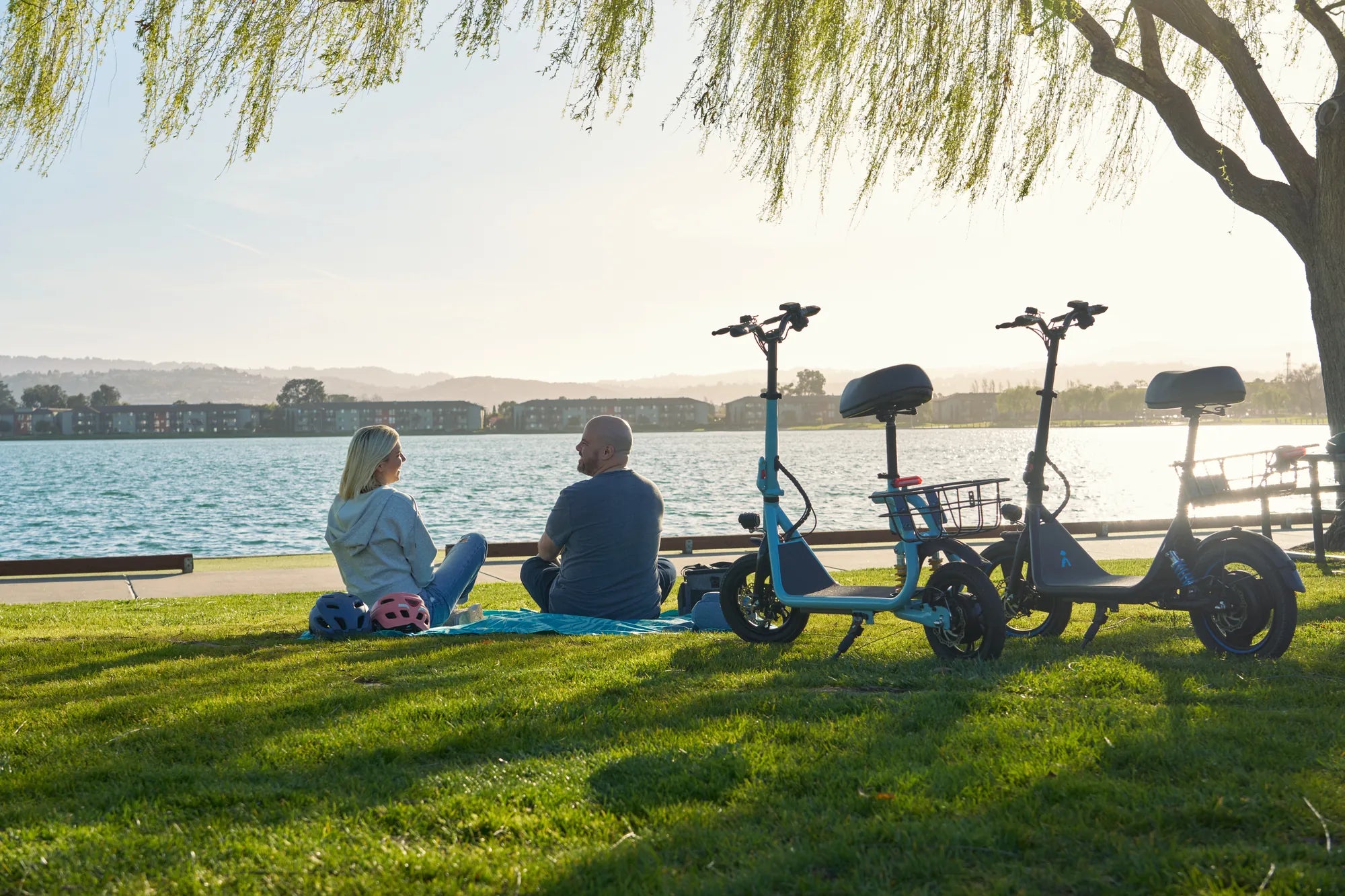
What is a High Scooter and Why It's Redefining Urban Mobility
A high scooter is not merely an electric scooter; it's a category defined by superior engineering, performance, and build quality designed for serious urban mobility. These models move beyond basic last-mile transportation to become legitimate car replacements for many commutes, offering power, range, and durability that standard scooters cannot match. The term 'high scooter' signifies a focus on uncompromising components: high-wattage motors, extended-range UL-certified batteries, advanced suspension, and frames built to withstand daily, rigorous use. For over 100,000 riders across North America and Europe, this category represents a shift towards efficient, exhilarating, and reliable personal transport.
This guide will dissect the anatomy of a true high-performance scooter. You will learn the critical specifications that separate premium models from entry-level alternatives, understand the importance of safety certifications, and discover how to match a scooter's capabilities to your specific riding needs. We will explore the engineering philosophy behind leading brands and provide essential data on ownership, maintenance, and safety. By the end, you'll be equipped to make an informed investment in a vehicle that can transform your daily commute and recreational riding.
Key Features That Define a True High-Performance Scooter
Identifying a genuine high scooter requires looking beyond marketing claims to a core set of technical and build characteristics. These features collectively deliver an experience of safety, confidence, and longevity that defines the category. The investment in a high scooter is an investment in these foundational elements, which ensure consistent performance over hundreds of charge cycles and thousands of miles.
Performance is multi-faceted, encompassing acceleration, hill-climbing ability, top speed, and stability at that speed. Durability involves the scooter's resistance to mechanical stress, weather, and the wear of daily use. Finally, safety is paramount, encompassing not just rider controls like brakes, but the inherent safety of the electrical system, particularly the battery pack. A true high scooter excels in all three areas.
Uncompromising Power and Speed
The heart of any high scooter is its motor. While basic models may feature motors from 250W to 350W, a high scooter typically starts at a minimum of 500W, with many premium models boasting 800W, 1000W, or even dual-motor configurations exceeding 2000W. This power translates directly to real-world utility. A 500W+ motor provides confident acceleration from a stop, allowing you to merge safely with urban traffic flow. More importantly, it delivers essential torque for climbing hills, a common weakness of underpowered scooters.
Sustained speed is another key metric. High scooters often have top speeds ranging from 20 mph to over 30 mph. This speed must be paired with a stable platform—a rigid frame, wide deck, and quality suspension—to remain safe and controllable. The power of a high scooter isn't just about going fast; it's about having ample performance in reserve for overtaking, maintaining speed on inclines, and ensuring you are a predictable participant in traffic, which enhances overall safety.
Extended Range and Advanced Battery Technology
Range anxiety is a primary concern for electric vehicle owners, and high scooters address this with large-capacity battery packs. Battery capacity is measured in watt-hours (Wh), a more accurate metric than voltage alone. While a basic commuter scooter may have a 250Wh battery, a high scooter will often feature packs from 500Wh to over 1000Wh. This translates to real-world ranges of 25 to 50 miles or more on a single charge, depending on rider weight, terrain, and speed.
The technology and certification of the battery are as important as its capacity. High-quality scooters exclusively use lithium-ion cells arranged in packs with sophisticated Battery Management Systems (BMS). The critical differentiator is safety certification. Brands like Gyroor build their high scooters around UL-certified battery packs. This independent certification verifies that the battery has passed rigorous tests for electrical, mechanical, and fire safety. It is the single most important feature for preventing malfunctions and ensuring the pack's longevity over its 500+ rated charge cycles.
Superior Build for Durability and Comfort
The performance of a high scooter must be housed in a frame that can handle it. Aerospace-grade aluminum alloys are standard for the stem and deck, providing an optimal strength-to-weight ratio. The welding and finish should be clean and robust, with no play or flex in the folding mechanism—a common failure point on lesser models. This solid construction is the foundation for a safe, predictable ride at high speeds.
Comfort over urban terrain is non-negotiable. A high scooter employs suspension systems—typically dual spring or hydraulic shocks at the front and/or rear—to absorb impacts from potholes, cracks, and curbs. This protects both the scooter and the rider. Complementing the suspension are large, air-filled tires (often 10 inches in diameter or more). These provide better shock absorption and stability than small, solid tires. Finally, an IPX5 water-resistance rating is a hallmark of a serious scooter, protecting the electrical components from rain and road spray, making it a truly all-weather vehicle.
Gyroor's High Scooter Philosophy: Engineering Meets Everyday Reliability
Gyroor approaches the high scooter category with a philosophy centered on certified safety, real-world durability, and comprehensive support. This philosophy translates into specific engineering choices and brand promises that directly address the common pain points and concerns of discerning riders. The goal is to create products that are not only high-performing but also trustworthy and dependable over the long term.
This commitment is evident in the brand's core specifications. By mandating UL-certified batteries and IPX5 water resistance across its high-performance lineup, Gyroor builds a foundation of reliability. This is backed by a clear 1-year warranty and accessible customer support, creating a complete ownership ecosystem. The focus is on delivering a high scooter that performs consistently, day after day, in the variable conditions of actual city commuting.
The Safety Standard: UL-Certified Batteries as a Core Promise
In an industry where battery safety is paramount, Gyroor's insistence on UL certification is a defining commitment. A UL-certified battery pack has undergone independent testing by Underwriters Laboratories to meet stringent standards for overcharge protection, short-circuit prevention, temperature control, and overall construction. This certification is your assurance that the most critical—and potentially hazardous—component in your scooter has been vetted for safety.
The practical benefits are immense. It drastically reduces the risk of battery-related incidents, such as thermal runaway, which can lead to fires. Furthermore, a properly engineered and certified battery maintains its capacity and health over a much longer lifespan. While a generic battery might see significant degradation within a year, a UL-certified pack like those used by Gyroor is engineered for 500+ charge cycles with minimal capacity loss, protecting your investment and ensuring the advertised range remains consistent for years.
Built for the Real World: IPX5 Rating and Warranty Assurance
A high scooter is a tool for daily life, and daily life involves unpredictable weather. An IPX5 water-resistance rating means the scooter's electrical components are protected against low-pressure water jets from any direction. You can confidently ride through a rain shower or on wet roads without fear of a short circuit or motor damage. This feature transforms the scooter from a fair-weather novelty into a legitimate primary transportation device.
Durability is also backed by policy. Gyroor supports its robust engineering with a 1-year warranty covering manufacturing defects on the frame, motor, battery, and controller. This warranty provides peace of mind, knowing that the brand stands behind the quality of its high scooter construction. Coupled with responsive, US-based customer support, it ensures that any issues are resolved promptly, maximizing your uptime and riding enjoyment.
Choosing Your High Scooter: A Practical Comparison for Different Riders
Selecting the right high scooter is about aligning its capabilities with your primary use case. The following table provides a clear, data-driven comparison for three common rider profiles, highlighting the key specifications to prioritize.
| Rider Profile | Priority Features | Recommended Motor | Recommended Range | Key Considerations |
|---|---|---|---|---|
| The Urban Commuter | Range, Portability, Reliability | 500W - 800W | 30+ miles | Foldable design, IPX5 rating, comfortable suspension for daily pavement use. |
| The Off-Road Enthusiast | Power, Torque, Suspension | 800W+ (Single or Dual) | 25+ miles | Advanced hydraulic suspension, knobby off-road tires, high ground clearance, robust frame. |
| The Eco-Conscious & Cost-Saver | Total Cost of Ownership, Durability | 500W+ | 35+ miles | UL-certified battery for longevity, minimal maintenance design, cost-per-mile calculation vs. car/public transit. |
The Urban Commuter: Prioritizing Range and Portability
For the daily commuter, a high scooter is a car replacement. The primary metrics are sufficient range to cover the round trip with a safety margin, and a design that facilitates the 'first/last mile' connection to public transit if needed. A motor in the 500W-800W range provides ample power for city hills and traffic, while a battery offering 30+ miles of real-world range eliminates daily charging anxiety.
Portability is key. A reliable, secure folding mechanism allows the scooter to be stored under a desk or carried onto a train during off-peak hours. Comfort features like a spacious deck, good suspension, and air-filled tires make the twice-daily ride enjoyable. The IPX5 rating ensures the commute happens rain or shine. For this rider, the high scooter investment pays off quickly in saved fuel, parking fees, and time.
The Off-Road Enthusiast: Demanding Power and Suspension
This rider views a high scooter as a recreational vehicle for trails, parks, and unpaved paths. The demands on the scooter are extreme, requiring a focus on raw power and mechanical resilience. A motor of 800W or higher is essential, with dual-motor setups providing incredible torque for steep, loose inclines. Top speed is less critical than low-end power and control.
The suspension system is the most critical component. A basic high scooter's spring suspension is insufficient; off-road models require long-travel hydraulic shocks front and rear to absorb large impacts. Large, knobby air-filled tires (often 10 inches or larger) provide traction on dirt and gravel. The frame must be exceptionally rigid to handle the torsional stresses of uneven terrain. This type of high scooter is a specialized tool built for adventure beyond the pavement.
The Eco-Conscious Rider: Focusing on Sustainability and Total Cost
For this rider, the high scooter is an environmental and economic statement. The analysis goes beyond the sticker price to the total cost of ownership and long-term sustainability. A durable scooter with high-quality, repairable components creates less waste than disposable, low-cost models. The UL-certified battery is central to this, as its long life cycle means it won't need replacement for many years.
The economic calculation is powerful. Compare the scooter's upfront cost plus minimal electricity for charging against the monthly costs of car ownership (loan, insurance, fuel, maintenance, parking) or a public transit pass. Over a year or two, the high scooter often pays for itself. Furthermore, by replacing car trips, the rider directly reduces their carbon footprint, making the high scooter one of the most effective personal choices for urban sustainability.
Beyond the Specs: Essential Accessories and Riding Tips for High Scooters
Owning a high scooter comes with the responsibility of safe operation and proper maintenance. The increased performance necessitates a higher standard of safety gear, while protecting your investment requires a basic maintenance routine. These practices ensure you get the maximum enjoyment, safety, and lifespan from your vehicle.
Safety gear is non-negotiable. At the speeds a high scooter can achieve, a fall can have serious consequences. A high-quality helmet is the absolute minimum. For speeds over 20 mph, a full-face helmet or a certified bicycle helmet is strongly recommended. Gloves protect your hands in a fall and improve grip. Consider additional visibility aids like reflective clothing or additional LED lights for night riding. A robust, hardened steel U-lock is essential for securing your valuable scooter during stops.
Maintenance Checklist for Peak Performance and Longevity
Regular maintenance is simple but crucial. Establish a weekly or pre-ride check: inspect tire pressure (air-filled tires typically require 40-50 PSI), as low pressure increases rolling resistance and wear. Test both brakes for proper engagement and adjust cable tension if needed. Periodically check that all bolts, especially those on the stem, folding mechanism, and handlebars, are tight.
Battery care is paramount for longevity. Avoid draining the battery to 0% regularly; try to recharge when it reaches 20-30%. Store the scooter in a cool, dry place, and avoid leaving it fully charged at 100% for extended periods (weeks). If storing for winter, charge the battery to about 60%. Keep the scooter clean, especially the brake discs and charging port. Following this simple checklist will keep your high scooter running smoothly and reliably for thousands of miles.
Frequently Asked Questions About High Scooters
Q: Are high scooters legal on bike paths and roads?
A: Laws vary significantly by city, state, and country. Generally, electric scooters with a top speed under 20 mph are more widely allowed on bike paths. High scooters capable of 25+ mph may be restricted to roads or have specific licensing/helmet requirements. It is the rider's responsibility to check and comply with all local regulations before riding.
Q: How does weather, like cold temperatures, affect battery range?
A: Cold weather significantly reduces lithium-ion battery performance. You can expect a 20-40% reduction in range in freezing temperatures (32°F / 0°C). Store the scooter indoors when not in use and allow the battery to warm up before riding in the cold to mitigate this effect. The IPX5 rating protects against water but does not make the scooter immune to extreme cold's impact on chemistry.
Q: What is the true cost of ownership, including maintenance?
A> The upfront cost is the largest expense. Annual maintenance is relatively low: occasional tire replacements (if air-filled), brake pads, and potentially a new battery after 3-5 years of heavy use. Electricity costs are negligible—roughly $0.10 to $0.30 for a full charge. Compare this to hundreds of dollars per month for car ownership.
Q: Can I carry a high scooter onto public transportation?
A> Policies are set by individual transit authorities. Many allow folded electric scooters during off-peak hours, but they may prohibit them during rush hour due to space constraints. Always check the specific rules of your local bus, train, or subway system. The foldability of your high scooter is a key feature for this use case.
Q: How does Gyroor's warranty and support process work?
A> Gyroor offers a 1-year warranty from the date of purchase against defects in materials and workmanship. The process typically involves contacting customer support via email or the website with a description and evidence (photos/video) of the issue. For qualified claims, Gyroor will often ship replacement parts directly to the customer. Their US-based support team aims to provide clear guidance for troubleshooting and resolution.
Elevating Your Ride – The Smart Investment in a High-Quality E-Scooter
A true high scooter represents a fundamental shift in personal urban transportation, blending performance, safety, and practicality. It is defined by a powerful motor for confident commuting, an extended-range battery with critical safety certifications, and a durable, weather-resistant build designed for daily use. This combination delivers not just a ride, but a reliable solution that can save time, money, and reduce your environmental impact.
The choice ultimately comes down to trust in engineering and support. Prioritizing brands that invest in UL-certified batteries, IPX5 water resistance, and a solid warranty ensures your investment is protected. By matching the scooter's capabilities to your primary use case—whether it's efficient commuting, off-road adventure, or sustainable living—you unlock the full potential of this transformative technology. A high scooter is more than a gadget; it's a key to a more efficient and enjoyable urban life.
Ready to explore models that embody these high-performance principles? Browse the full Gyroor collection, featuring UL-certified, IPX5-rated high scooters built for reliability, at gyroorboard.com.
Scooter Benefits: The Ultimate Guide to Saving Time, Money, and the Planet
Trike Parts and Accessories: The Ultimate Guide to Maintenance, Upgrades & Safety