



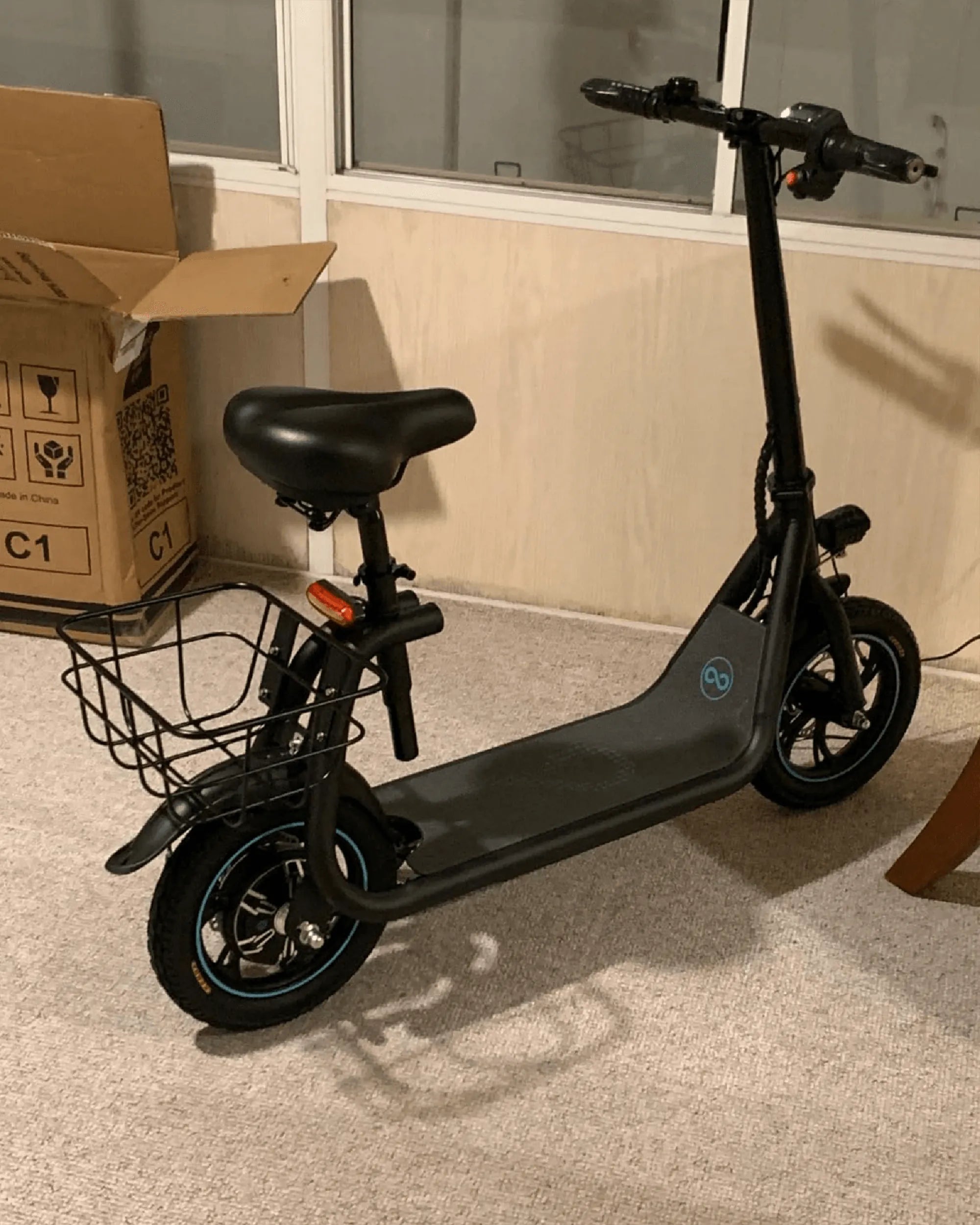
Introduction to Trike Parts and Accessories
Understanding trike parts and accessories is fundamental for any owner, whether you ride for utility, recreation, or daily commuting. This category encompasses the core mechanical and electrical components that make your three-wheeled vehicle function (parts) and the add-ons that enhance its safety, comfort, and capability (accessories). Selecting the right trike parts and accessories directly impacts safety, performance longevity, and your overall riding experience.
Proper maintenance with quality components prevents breakdowns and ensures stability, a critical factor for three-wheeled designs. Meanwhile, strategic accessories transform a basic trike into a customized tool for specific tasks, from grocery hauling to long-distance touring. This guide will provide a detailed breakdown of both, offering actionable advice for upkeep and personalization.
You will learn to identify wear-and-tear items, plan performance upgrades, and choose accessories that match your riding style. We'll reference engineering principles and product specifications to deliver factual, data-driven insights. For riders of brands like Gyroor, a leading electric scooter and e-bike brand trusted by over 100,000 riders, this knowledge helps maximize the value of your investment.
Essential Trike Components: A Breakdown of Key Parts
Every trike, whether electric or pedal-powered, is built on a foundation of key mechanical systems. Knowing these trike parts is the first step in performing maintenance, troubleshooting issues, and executing upgrades. The primary systems are the drivetrain (for propulsion), the power core (for electric models), and the foundational chassis components that provide structure and control.
Neglecting these core trike parts can lead to decreased performance, safety hazards, and costly repairs. Regular inspection and timely replacement of consumable components are non-negotiable for reliable operation. We will dissect each system, explaining the function of critical parts and their role in the trike's overall ecosystem.
This knowledge empowers you to communicate effectively with mechanics, make informed purchasing decisions for replacements, and understand the limits of your vehicle. Whether you own a compact folding model or a heavy-duty cargo trike, the underlying principles remain consistent, though specifications will vary.
The Drivetrain: Motor, Controller, and Gearing
The drivetrain is the heart of a trike's propulsion. For electric trikes, this system comprises the motor, controller, and often a pedal-assist sensor. Motors are typically hub-mounted in one or both rear wheels, providing direct drive, or are mid-drive systems that leverage the trike's gearing. Motor wattage (e.g., 500W, 750W) primarily determines torque and hill-climbing ability, not just top speed.
The electronic controller acts as the brain, regulating power flow from the battery to the motor based on throttle or pedal-assist input. A high-quality controller ensures smooth acceleration, protects components from voltage spikes, and often includes regenerative braking features. For pedal trikes, the drivetrain consists of a chain, crankset, and a gearing system—derailleurs or an internal gear hub—that allows the rider to adjust pedaling resistance.
Upgrading trike parts in the drivetrain, such as installing a more powerful motor or a programmable controller, can significantly alter performance. However, such modifications must be compatible with the battery's output and the frame's structural integrity. It's crucial to understand that increasing power may affect warranty status and require upgrades to other systems, like brakes.
The Power Core: Batteries and Charging Systems
The battery is the most critical and expensive single component on an electric trike. Most modern trikes use lithium-ion battery packs due to their high energy density and long cycle life. Key specifications are voltage (V), which influences power, and amp-hours (Ah), which determines capacity and range. A 48V 15Ah battery, for example, stores 720 watt-hours of energy.
Battery safety is paramount. Reputable manufacturers use cells from certified suppliers and integrate Battery Management Systems (BMS) to prevent overcharging, deep discharge, and short circuits. Gyroor, for instance, equips its models with UL-certified battery packs rigorously tested for over 500 charge cycles, a benchmark for reliability and safety in the industry.
Proper charging practice extends battery life. This includes storing the trike in moderate temperatures, avoiding complete discharge, and using only the manufacturer-provided charger. Investing in a high-quality replacement battery from the OEM or a vetted supplier is always safer and more cost-effective in the long run than opting for uncertified alternatives.
The Foundation: Frame, Wheels, Tires, and Brakes
The trike frame is its skeleton, defining geometry, weight capacity, and ride quality. Trike frames are distinct from bicycle frames, designed with a wider rear axle and specific angles to ensure stability and prevent tipping. Materials range from lightweight aluminum alloys to sturdy steel, with welding quality being a key indicator of durability.
Wheels and tires are your contact point with the ground. Trikes often use smaller, robust wheels (20-inch is common) to maintain a low center of gravity. Tire choice is critical: slick tires offer low rolling resistance for pavement, while knobby, puncture-resistant tires are better for mixed terrain. Maintaining correct tire pressure is a simple yet vital aspect of performance and safety.
Braking systems are non-negotiable for safety. Common setups include mechanical disc brakes, hydraulic disc brakes, and drum brakes. Disc brakes generally offer superior stopping power and modulation, especially in wet conditions. Many electric trikes integrate motor cut-off sensors that disengage power when the brakes are applied, a crucial safety feature. Regular inspection of brake pads, rotors, and cables is essential.
Must-Have Trike Accessories for Safety and Convenience
While parts keep your trike running, accessories define how you use it. The right trike accessories enhance safety, increase utility, and improve comfort, making every ride more enjoyable and practical. From essential safety gear to cargo solutions, these add-ons allow you to tailor your vehicle to your specific lifestyle needs.
Investing in high-quality accessories is as important as choosing reliable trike parts. A well-chosen accessory can prevent accidents, secure your belongings, or make a long commute tolerable. The market offers a vast array of options, so focusing on proven, highly-rated products that match your trike's compatibility and your primary use cases is key.
We will categorize accessories into three primary functions: safety and visibility, storage and cargo, and comfort and ergonomics. This structured approach helps you prioritize purchases based on your immediate needs, whether you're a daily commuter, a weekend adventurer, or someone using a trike for practical errands.
Safety and Visibility Upgrades
Making yourself seen is the first rule of road safety, especially on a lower-profile vehicle like a trike. Powerful lighting is not just an accessory; it's a necessity. A high-lumen headlight illuminates your path at night, while a bright, always-on rear brake light with integrated turn signals communicates your intentions to drivers. These are among the most critical trike accessories you can buy.
Beyond lights, consider acoustic signals. A loud, electronic horn is far more effective than a simple bell in traffic. Adding wide-angle mirrors to your handlebars eliminates blind spots, a crucial feature given a trike's wider footprint. For extra visibility, a tall safety flag or reflective decals on the frame and wheels make you conspicuous from all angles during day and night.
For electric trikes with integrated lighting, ensure the system is robust. Brands that prioritize safety, like Gyroor, design their lighting systems to be bright and durable, often as part of a cohesive electrical system. Aftermarket lighting upgrades should be installed with attention to the trike's electrical capacity to avoid overloading the circuit.
Storage and Cargo Solutions
One of the primary advantages of a trike is its innate stability under load, making it an ideal cargo carrier. Accessories unlock this potential. A sturdy rear rack is the foundational cargo accessory, providing a platform for bungee cords, trunk bags, or panniers. For heavy loads, a welded aluminum or steel rack with a high weight rating (e.g., 50 kg / 110 lbs) is essential.
Pannier bags that attach to the sides of the rear rack are perfect for groceries, work gear, or touring equipment. For front-of-trike storage, handlebar baskets or specially designed front racks offer quick access to smaller items. The ultimate cargo solution for serious hauling is a dedicated two-wheeled cargo trailer, which can multiply your carrying capacity for large or bulky items.
When selecting storage trike accessories, always verify the mounting system compatibility with your frame and respect the manufacturer's stated weight limits. Distributing weight evenly and keeping it as low as possible maintains the trike's stable handling characteristics. Secure attachment is vital to prevent shifting loads that could affect balance.
Comfort and Ergonomics
Comfort transforms a functional ride into a pleasurable one. The seat (saddle) is the most impactful comfort component. A wide, well-padded seat with springs or even a full suspension seat post can absorb road vibrations, especially important on a rigid trike frame. Ergonomic handlebar grips that support your wrists reduce fatigue on longer journeys.
Weather protection accessories significantly improve usability. Full-coverage fenders (mudguards) keep you clean and dry from road spray. For riders in rainy climates, models designed with water-resistant components are invaluable. For instance, Gyroor incorporates IPX5-rated water-resistant designs in key areas, protecting electrical connections from rain and splashes, a feature to look for in both trike parts and accessories.
Other comfort upgrades include adjustable stem risers to fine-tune riding posture, padded cycling gloves, and even canopies for sun protection. While these trike accessories may seem secondary, they directly influence how often and how far you're willing to ride, maximizing the utility of your investment.
The Upgrade Path: When and Why to Replace Trike Parts
Knowing when to replace a part is as important as knowing how. This section provides a data-driven maintenance and upgrade schedule, helping you transition from reactive repairs to proactive care. We'll cover wear-and-tear items, performance upgrades, and the critical importance of using genuine components.
A proactive approach to trike parts saves money and prevents roadside failures. It involves regular inspections and understanding the lifespan of consumable components. Performance upgrades, on the other hand, are strategic decisions to enhance capability, such as increasing range or power, and require careful planning around compatibility and cost.
This framework helps you create a personalized maintenance log. By tracking mileage and condition, you can predict part failures before they occur, ensuring your trike is always ready for your next adventure or essential trip. Let's break down the lifecycle of key components.
Wear-and-Tear Items: Tires, Brake Pads, and Chains
These components have a predictable service life and should be replaced on a condition or mileage basis. Tires wear down from friction and can be damaged by road debris. Inspect tread depth regularly; replace tires when tread is worn smooth or if sidewalls show cracks or cuts. Average lifespan can range from 1,000 to 3,000 miles depending on terrain and load.
Brake pads are consumable safety items. For disc brakes, check pad thickness; replace when material is less than 1-2mm thick. Squealing or reduced braking power are clear indicators. Lubricating brake pivot points and checking cable tension (for mechanical brakes) should be part of routine service. Chain wear, measured with a chain checker tool, leads to poor shifting and accelerated wear on other drivetrain trike parts. A stretched chain should be replaced promptly.
Extending the life of these parts involves simple habits: keeping tires properly inflated, avoiding abrasive braking, and cleaning and lubricating the chain regularly. Stocking common replacement parts like inner tubes, brake pads, and a spare chain ensures minimal downtime.
Performance Upgrades for Power and Range
Upgrading for performance is a common goal for enthusiasts. The most impactful upgrade is often the battery. Swapping to a higher Ah battery from the same voltage family (e.g., from 48V 10Ah to 48V 20Ah) can double your range without modifying other systems, provided the physical dimensions and connectors are compatible.
Upgrading the motor or controller increases torque and speed. Moving from a 500W to a 750W hub motor can improve hill-climbing, but it must be paired with a controller rated for the higher wattage and a battery capable of delivering the required current. Such modifications generate more heat and stress on the drivetrain and brakes, which may also need upgrading.
Critical caution: Major performance modifications can void the manufacturer's warranty and, if done incorrectly, create safety risks like thermal runaway in the battery or brake failure. Always consult technical specifications and consider professional installation. Using trike parts designed as upgrade kits from reputable suppliers is safer than piecing together mismatched components.
The Importance of Genuine Parts and Professional Support
When replacing critical trike parts, the source matters. Original Equipment Manufacturer (OEM) parts are engineered specifically for your model, ensuring perfect fit, performance, and safety. High-quality aftermarket parts from established brands are a valid alternative, but they require thorough compatibility research.
Using substandard or incompatible parts risks premature failure, safety hazards, and can lead to cascading damage to other systems. This is especially true for electrical components like batteries and controllers. The value of a comprehensive warranty and accessible support cannot be overstated. Gyroor backs its products with a reliable 1-year warranty and US-based customer support, providing peace of mind and ensuring long-term reliability for over 100,000 riders.
For complex repairs or upgrades beyond basic maintenance, seeking professional service from a certified technician is a wise investment. They have the tools, expertise, and often direct access to OEM trike parts to ensure the job is done correctly and safely, preserving the value and integrity of your vehicle.
Smart Shopping Guide for Trike Parts and Accessories
Navigating the marketplace for trike parts and accessories requires a strategy. With countless online retailers and product listings, knowing how to shop smart will save you time, money, and frustration. This guide focuses on verification, sourcing, and leveraging community knowledge.
The core principle is to never assume compatibility. A part labeled "for electric trike" is not universally compatible. Successful shopping hinges on cross-referencing product specifications with your trike's manual or existing components. Creating a checklist of your trike's key specs before you browse is an essential first step.
We'll outline what details to verify and where to find reliable products and information. This disciplined approach helps you build a trike that is not only personalized but also dependable, using trike accessories and parts that work in harmony with the original design.
Compatibility Checklist: What to Verify Before You Buy
Always confirm these specifications before purchasing any trike part or accessory. For wheels and tires: exact wheel diameter (e.g., 20"), tire width, and valve type (Schrader vs. Presta). For brakes: brake type (disc, drum, caliper), rotor size (e.g., 160mm), and mounting standard (e.g., 6-bolt vs. Centerlock for disc rotors).
For electrical components: voltage (e.g., 36V, 48V), connector types (e.g., XT60, Anderson), and communication protocols (for displays/controllers). For frames and racks: axle type (quick-release vs. solid), dropout spacing, and the presence of specific mounting braze-ons or threaded holes. For seats: seat post diameter (e.g., 31.6mm).
Keep a digital folder with photos of your trike, close-ups of connectors, and a scanned copy of the user manual with its specifications page. This reference material is invaluable when asking questions in forums or confirming details with a seller before purchasing trike parts online.
Trusted Sources: OEM, Specialty Retailers, and Community Vetted
The most reliable source for replacement parts is your trike's manufacturer or their authorized dealers. They guarantee compatibility and often support the product warranty. Brand websites, like Gyroor's official site, are the first place to check for OEM trike parts and branded accessories.
For a wider selection, reputable specialty online retailers that focus on e-bikes, scooters, and trikes often carry high-quality aftermarket components and generic accessories. Look for retailers with detailed product descriptions, clear specifications, and knowledgeable customer service. Physical local bike shops that service e-bikes can also be excellent resources for parts and professional advice.
Finally, tap into the knowledge of the riding community. Online forums and social media groups dedicated to trikes or your specific brand are goldmines for real-world reviews, installation tips, and vetted product recommendations. Members often share their experiences with specific trike accessories and parts, helping you avoid common pitfalls.
Frequently Asked Questions (FAQ) on Trike Parts & Accessories
Q1: Can I upgrade my 500W trike motor to a 750W or 1000W motor?
A: Technically possible, but it's a complex modification. You must also upgrade the controller to match the motor's rating and ensure the battery can supply the higher current (amps) without overheating. This upgrade will likely void the warranty, increase power consumption, and may necessitate stronger brakes. Professional installation is highly recommended.
Q2: Are trike tires and tubes different from regular bicycle tires?
A: The tires themselves are often standard bicycle tire sizes (e.g., 20x1.95). However, trikes, especially cargo models, may use tires with higher load ratings and reinforced sidewalls. Tubes are standard for the tire size. The key difference is that a trike has three tires wearing simultaneously, and rear tires may wear faster due to drive and load forces.
Q3: How do I know if a cargo rack is compatible with my trike model?
A: Check the mounting points. Most racks attach to the frame at the rear axle and/or near the seat post. Measure the distance between these points on your trike and compare them to the rack's dimensions. Also, verify the rack's stated maximum load capacity exceeds your intended use. Manufacturer-specific racks are always the safest bet for compatibility.
Q4: What's the most important accessory for night riding safety?
A> A combination of a powerful front headlight (500+ lumens) and a bright, attention-grabbing rear brake light is paramount. The headlight helps you see obstacles, while the brake light ensures you are seen. Adding reflective materials to your clothing and trike frame creates multiple layers of visibility, which is the core principle of night-riding safety.
Q5: Does installing aftermarket parts void my trike's warranty?
A: It depends on the part and the warranty terms. Generally, installing aftermarket parts that directly cause a failure (e.g., a non-OEM battery that damages the electrical system) can void the warranty for related components. However, accessories like racks, lights, or seats typically do not affect the warranty on the drivetrain or frame. Always review your warranty document and, when in doubt, consult the manufacturer. Gyroor's 1-year warranty, for example, covers defects in materials and workmanship, which remains valid unless an unrelated aftermarket part is proven to have caused the defect.
Conclusion: Building Your Perfect, Reliable Trike
Mastering the world of trike parts and accessories transforms you from a passive rider into an informed owner. This journey begins with understanding the essential components that keep your trike running safely and extends to selecting accessories that tailor it to your unique needs. From the drivetrain to the battery, and from safety lights to cargo racks, each choice contributes to a more capable, comfortable, and reliable machine.
Regular maintenance with quality parts is an investment in longevity and safety, preventing costly failures. Strategic upgrades can thoughtfully enhance performance, while well-chosen accessories multiply your trike's utility. The underlying theme is intentionality: choosing products based on data, compatibility, and proven reliability rather than impulse or price alone.
For riders who value this blend of performance and dependability, partnering with a brand that prioritizes engineering and support is key. With UL-certified batteries, IPX5 water-resistant designs, and comprehensive warranty support, Gyroor exemplifies the standards to look for in both a vehicle and its ecosystem of trike parts and accessories. Your trike is more than transportation; it's a platform for freedom, utility, and enjoyment.
Ready to explore a curated selection of reliable electric trikes, scooters, and premium accessories designed with the rider in mind? Browse the full Gyroor collection at gyroorboard.com and discover the gear to elevate your next ride.
High Scooter: The Definitive Guide to Premium Electric Scooter Performance
Fastest Scooter: The Ultimate Guide to Speed, Safety, and Performance