



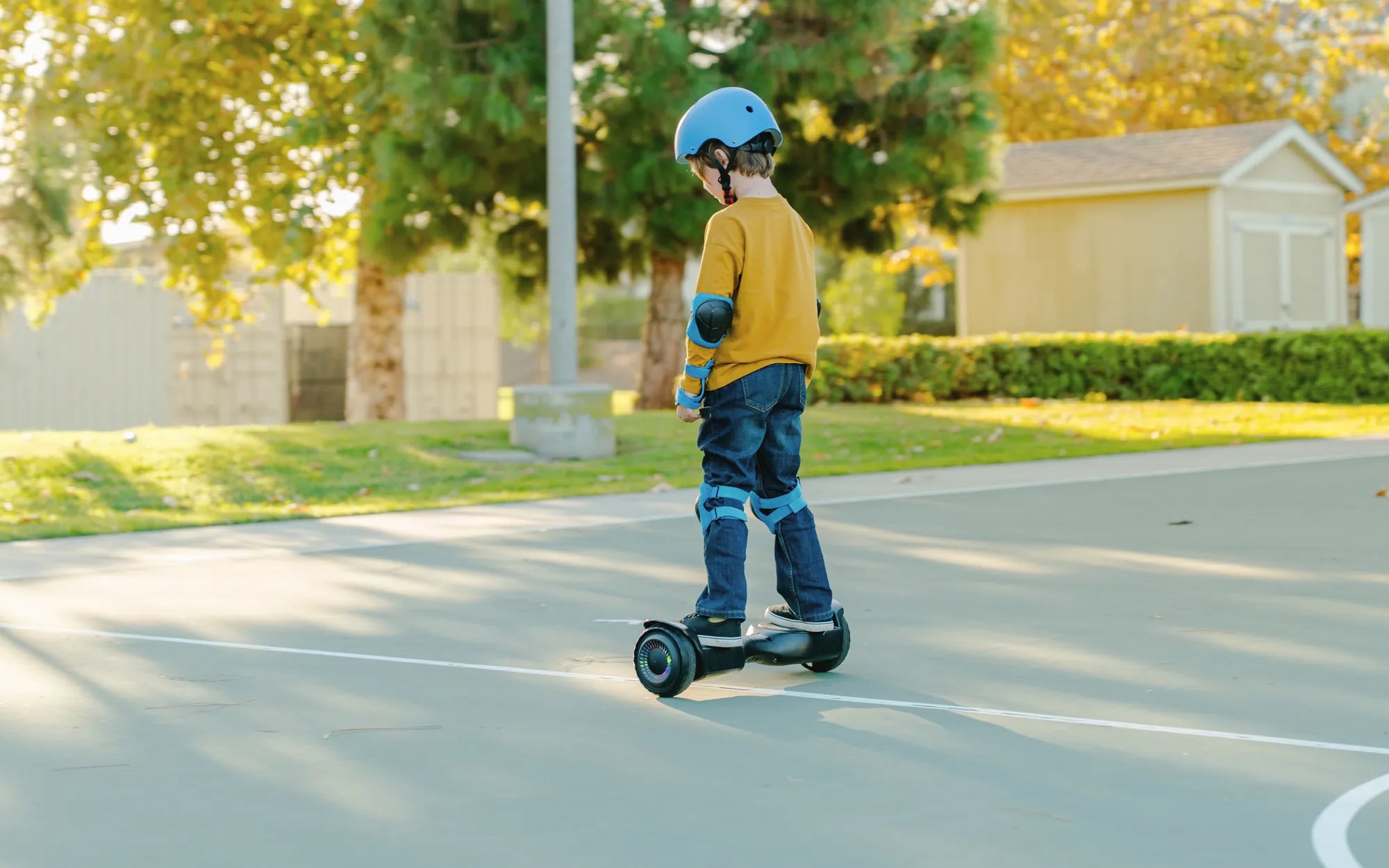
Imagine gliding through the city at breathtaking speeds, effortlessly weaving through traffic on a sleek, futuristic device. The hoverboard capable of reaching 100 km/h is no longer science fiction—it's here, and it's changing the way we think about personal transportation.
The Evolution of High-Speed Hoverboards
From their humble beginnings as self-balancing scooters to the cutting-edge speed demons of today, hoverboards have undergone a remarkable transformation. The latest generation of these devices pushes the boundaries of what's possible, combining advanced engineering with futuristic design to achieve unprecedented velocities.
Breaking the Speed Barrier
Reaching 100 km/h on a hoverboard requires innovative solutions to numerous technical challenges. Engineers have developed:
- High-torque electric motors with exceptional power-to-weight ratios
- Advanced battery systems that deliver sustained high performance
- Aerodynamic designs that minimize wind resistance at high speeds
- Precision gyroscopic stabilization systems for unparalleled control
Safety Considerations at Extreme Speeds
Operating any vehicle at 100 km/h demands serious attention to safety. Modern high-speed hoverboards incorporate multiple protective features:
Built-in Safety Mechanisms
Manufacturers have implemented sophisticated systems to protect riders, including:
- Automatic speed governors that prevent inexperienced users from accessing top speeds
- Emergency braking systems that can stop the device within remarkably short distances
- Tilt detection technology that shuts down the board if it senses dangerous angles
- LED lighting systems for maximum visibility during night riding
The Technology Behind the Speed
What makes these incredible speeds possible? The answer lies in several groundbreaking technological advancements:
Power Delivery Systems
The heart of any high-performance hoverboard is its power system. Modern designs feature:
- Dual or quad motor configurations for balanced power distribution
- Smart energy management that optimizes battery usage during acceleration
- Regenerative braking that recaptures energy during deceleration
Materials Science Breakthroughs
Lightweight yet durable materials are essential for high-speed operation:
- Aerospace-grade aluminum alloys for the frame
- Carbon fiber reinforced components in critical stress areas
- High-friction rubber compounds for tire treads
The Riding Experience at 100 km/h
What does it actually feel like to ride at these incredible speeds? Those who've experienced it describe:
- An almost surreal sensation of floating above the ground
- Heightened awareness and focus required to maintain control
- The thrill of acceleration that rivals many traditional vehicles
- A unique connection between rider and machine
Legal and Regulatory Considerations
Before attempting to reach such high speeds, riders must understand the legal landscape:
- Many jurisdictions classify high-speed hoverboards as motor vehicles
- Helmet laws often apply to these devices
- Some areas restrict where they can be operated
- Insurance requirements may apply in certain locations
Maintaining Your High-Speed Hoverboard
Keeping a performance hoverboard in top condition requires special attention:
- Regular battery maintenance and proper charging practices
- Tire pressure checks and tread inspections
- Software updates for optimal performance
- Periodic professional servicing of critical components
The era of ultra-fast personal transportation has arrived, and hoverboards capable of 100 km/h are leading the charge. Whether you're an adrenaline junkie or simply fascinated by cutting-edge mobility solutions, these incredible machines represent the pinnacle of personal transport technology—ready to take you into the future at breathtaking speed.
Blinking Lights on Hoverboard: What They Mean and How to Fix Them
Blinking Lights on Hoverboard: What They Mean and How to Fix Them