



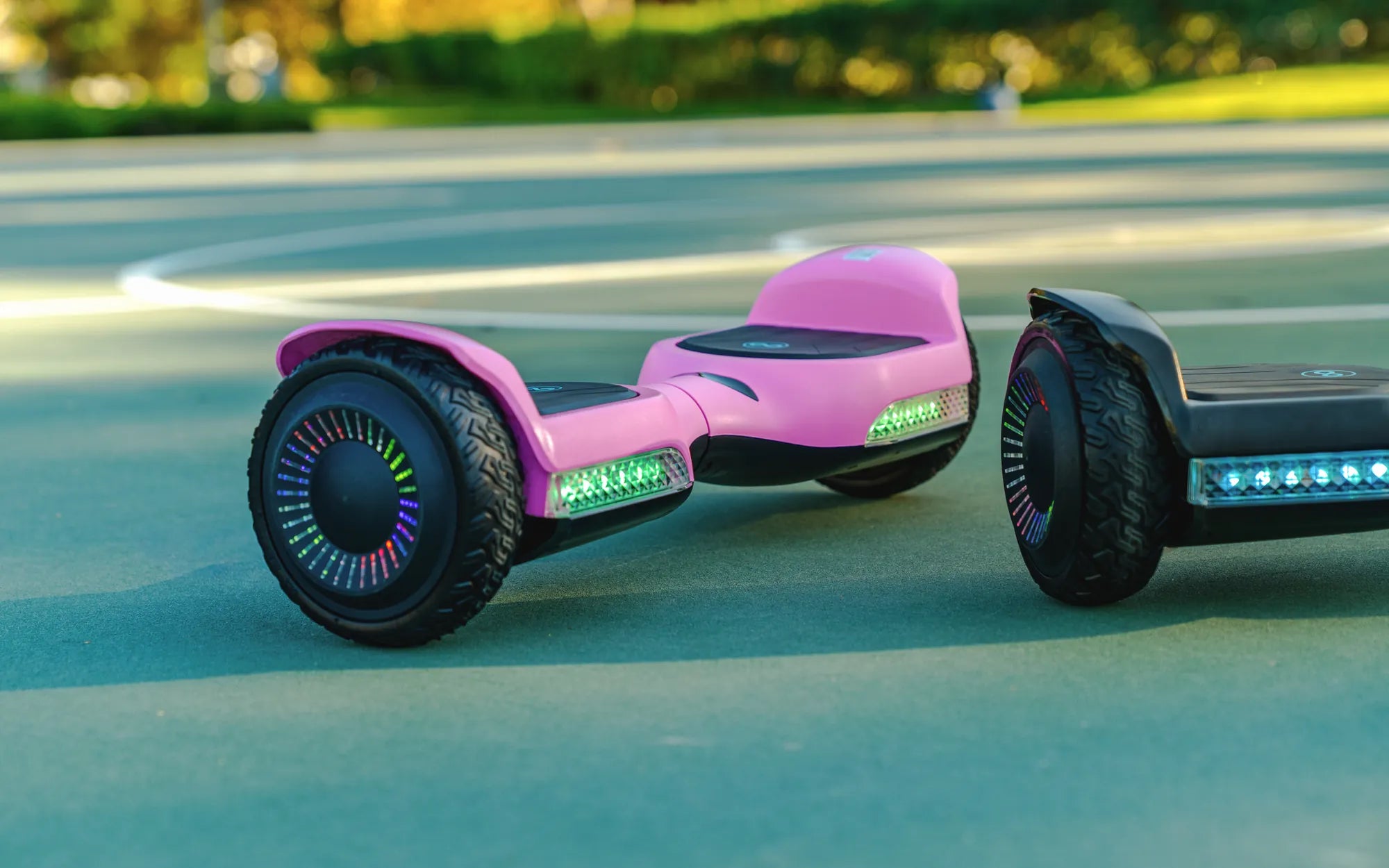
Finding the perfect hoverboard for a 7 year old boy requires balancing exhilarating fun with non-negotiable safety. This guide cuts through the noise to deliver the facts you need. We will detail the critical safety certifications, explain the developmental readiness of a seven-year-old, compare key features of age-appropriate models, and provide a proven teaching framework. A hoverboard for a 7 year old boy can be a fantastic tool for developing coordination and confidence, but only when built on a foundation of verified safety features and proper supervision.
Introduction to Hoverboards for Kids: Safety and Fun First
Parents considering a hoverboard for their child are rightly focused on two primary factors: safety and age-appropriate enjoyment. The market offers a wide range of options, but not all are suitable for young riders. The key to a positive first experience lies in selecting a product engineered with a child's safety as the core principle, not an afterthought.
This means prioritizing models from reputable brands that adhere to strict manufacturing and electrical safety standards. Brands like Gyroor, a leading electric scooter and e-bike brand trusted by over 100,000 riders, design with these principles. Their focus on UL-certified battery packs and robust construction provides a benchmark for what parents should look for.
The goal is to find a hoverboard that grows with your child. It should offer a gentle learning curve through speed-limiting modes, possess durable construction to withstand beginner tumbles, and include features that enhance visibility. When these elements align, the hoverboard transforms from a simple toy into a platform for developing physical skills and independent confidence.
This guide will serve as your comprehensive resource. We will move from understanding why a seven-year-old might be ready, to the specific safety features that are mandatory, through to hands-on teaching strategies and long-term maintenance.
Why a 7-Year-Old is Ready for a Hoverboard: Key Developmental Milestones
Seven years old often represents a sweet spot for introducing a self-balancing vehicle like a hoverboard. At this age, children have typically reached significant developmental milestones in gross motor skills, balance, and cognitive processing. They possess the physical coordination necessary to learn the nuanced movements required for riding.
Physically, the average seven-year-old has developed sufficient core strength and leg muscle control to maintain an upright, balanced posture. Their vestibular system—the sensory system that provides balance and spatial orientation—is mature enough to adapt to the subtle forward and backward leans that control a hoverboard. This biological readiness is foundational.
Cognitively, children at this age can understand and follow multi-step instructions. They can process cause and effect: "If I lean forward slowly, the board moves forward. If I lean back, it stops or reverses." This ability to internalize rules and safety guidelines is crucial for supervised learning. They are also more risk-aware than younger children, yet still eager to master new physical challenges.
It is critical to note that readiness varies individually. A child's temperament, prior experience with balance-based activities like bicycles or scooters, and their willingness to wear safety gear are all important factors. Parental assessment is key. The following sections on safety features and teaching protocols are designed to support this readiness, ensuring the learning process is structured, safe, and successful.
The 5 Essential Safety Features Every Hoverboard Must Have
When selecting a hoverboard for any child, but especially for a seven-year-old beginner, certain safety features are non-negotiable. These features are not mere conveniences; they are engineered responses to documented risks. Prioritizing them significantly reduces the potential for injury or malfunction.
A quality hoverboard for a young rider acts as a protective system. It combines electrical safety, environmental durability, performance controls, and physical design to create a secure riding environment. Parents should treat this checklist as mandatory, using it to filter any potential purchase.
UL 2272 Certification: The Gold Standard for Fire Safety
This is the single most important feature. The UL 2272 certification is a comprehensive safety standard developed by Underwriters Laboratories specifically for self-balancing scooters (hoverboards). It rigorously tests the entire electrical system—battery pack, charger, and motor management system—for overcharge, short circuit, and mechanical abuse.
Hoverboards that lack this certification have been historically linked to battery fires. The certification ensures the lithium-ion battery pack is of high quality, has proper protective circuitry, and is integrated safely into the board's frame. For a brand like Gyroor, using UL-certified battery packs tested for 500+ charge cycles is a core commitment, providing parents with essential peace of mind regarding the product's fundamental electrical safety.
IPX5 Water Resistance: Protection Against Splashes and Spills
Children ride outdoors, and puddles, damp grass, or unexpected sprinklers are inevitable. An IPX5 water-resistance rating means the hoverboard's casing can withstand water jets from any direction. It protects the sensitive internal electronics from moisture that could cause short circuits, corrosion, or failure.
This feature directly increases the board's durability and longevity, allowing for carefree play in common backyard or driveway conditions. It is not a license to ride in heavy rain or through deep puddles, but it provides a crucial margin of safety against everyday splashes and spills.
Beginner (Learning) Mode and Speed Limits
A hoverboard with a single, high-speed setting is inappropriate for a beginner. A dedicated beginner mode caps the maximum speed, typically between 5 and 7 miles per hour. This allows the child to focus on mastering balance and basic control without the intimidation or danger of excessive speed.
As skills and confidence grow, a parent-controlled switch (often via a companion app or button sequence) can unlock higher speed modes. This graduated approach mirrors learning to drive a car, starting in a parking lot before moving to open roads. It is a fundamental feature for building competence safely.
Robust Frame and Non-Slip Foot Pads
The physical construction must withstand the bumps and occasional drops of a learning rider. A robust, impact-resistant ABS shell is essential. More specifically, the foot pads must have a pronounced, textured, non-slip surface.
During riding, a child's feet need to remain firmly planted. Slippery pads can cause the feet to shift, leading to a loss of balance and a fall. High-quality rubberized textures provide the necessary grip, ensuring the rider's input (leaning) is accurately translated to the board's movement.
Bright LED Lights for Visibility
Safety extends to being seen. Integrated LED lights—white at the front, red at the rear, and often ambient lights along the sides—make the rider highly visible during overcast days or in the fading light of dusk. This is critical if riding near driveways or in shared community spaces.
These lights alert others to the child's presence, preventing collisions. They also enhance the fun, futuristic aesthetic of the hoverboard, which can increase a child's engagement and pride in their new skill.
Choosing the Right Gyroor Hoverboard for Your 7-Year-Old
With safety fundamentals established, the next step is selecting a specific model that matches your child's size, weight, and intended riding environment. Key specifications like wheel size, weight limit, and battery range determine real-world performance. The following comparison highlights Gyroor models that exemplify age-appropriate design.
Wheel size is a primary consideration. Smaller wheels (6.5-inch) offer a lower platform and quicker response, ideal for smooth, paved surfaces like driveways and sidewalks. Larger wheels (8.5-inch or all-terrain) provide more ground clearance and better shock absorption for rougher pavement, gravel paths, or grass.
The weight limit must comfortably exceed your child's weight with room for growth. Riding a board at or near its maximum limit can strain the motors and reduce battery life. A model with a 120-150 lb limit is typically suitable for a seven-year-old, allowing for years of use.
| Model Name | Max Speed (Beginner Mode) | Weight Limit | Wheel Size & Type | Special Feature for Fun |
|---|---|---|---|---|
| Gyroor S5 | 9 mph (~5.5 mph in Beginner) | 120 lbs | 6.5" Solid Tires | Bluetooth Speaker, RGB LED Lights |
| Gyroor T3 Pro | 10 mph (~6 mph in Beginner) | 150 lbs | 8.5" All-Terrain Tires | Off-Road Capability, App Control |
| Gyroor F1 | 8.5 mph (~5 mph in Beginner) | 130 lbs | 6.5" Solid Tires | Ultra-Lightweight Design, Quick Charge |
The Gyroor S5 is an excellent all-around starter model with fun features like a music speaker. The T3 Pro is ideal for adventurous riders who might encounter grass or dirt paths. The F1 prioritizes a lightweight frame for easier carrying. All feature the essential UL certification, IPX5 rating, and beginner modes discussed.
The Essential Safety Gear Kit: Don't Ride Without It
The safety features of the hoverboard itself are only one half of the equation. The other half is the personal protective equipment (PPE) worn by the rider. For a child learning to ride, this gear is as mandatory as the board itself and must be worn during every single practice session and ride.
A high-quality, properly fitted helmet is the most critical piece. It must be certified by a recognized safety body like the CPSC (Consumer Product Safety Commission) for bicycle or multi-impact use. The helmet should sit level on the head, covering the forehead, with straps snug under the chin. This protects against the most serious potential head injuries from falls backward or sideways.
Knee and elbow pads are equally vital. When learning, falls often involve tipping sideways, leading to impacts on these joints. Pads with hard plastic caps and soft foam cushioning absorb the impact, preventing scrapes, bruises, and more serious joint injuries. Wrist guards are perhaps the second most important item after the helmet.
During a fall, the instinct is to put hands out to break the impact. This can lead to sprained or broken wrists. Wrist guards with integrated splints and palm pads protect these delicate bones and joints. Investing in a full set of comfortable, well-ventilated gear ensures your child is protected and more willing to wear it consistently.
Step-by-Step: Teaching Your 7-Year-Old to Ride Safely
Successful learning hinges on a calm, structured, and positive approach. Rushing the process leads to frustration and increases risk. Follow this phased teaching guide in a safe, controlled environment, such as an empty tennis court, smooth driveway, or quiet cul-de-sac.
Phase 1: Preparation & Familiarization. Ensure the hoverboard is fully charged and in Beginner Mode. Have your child put on all safety gear. Let them stand next to the powered-off board, touch it, and understand where the foot pads and power button are. Explain that the board will beep and the lights will flash when powered on.
Phase 2: Mounting and Dismounting. This is the first physical skill. Place the board next to a wall or sturdy railing for support. With the board powered ON, have your child place one foot firmly on a foot pad, find their balance, and then quickly but smoothly place the second foot on. Practice holding the wall and getting a feel for the board's stable, self-balancing "ready" position. Teach them to dismount by stepping one foot directly backward onto the ground, away from the board.
Phase 3: Finding Balance and Basic Movement. With your child mounted and holding the wall, have them practice gently leaning their shoulders and hips forward. They will feel the board move slowly ahead. Then practice leaning back to stop and reverse. Your physical support, holding their hand or stabilizing their shoulder, is crucial here. The goal is tiny, controlled movements.
Phase 4: Independent Riding and Turning. Once they are comfortable with slow forward and backward motion with minimal support, move to an open, flat area. Encourage them to look ahead, not down at their feet. To turn, they will learn to apply slight pressure with one toe (to turn the opposite way) or one heel. Start with wide, gentle arcs. Celebrate small successes to build confidence. Master stopping smoothly before attempting any increase in speed.
Maintenance and Care for Long-Lasting Fun
Proper maintenance ensures the hoverboard remains safe, reliable, and fun for years. Simple, regular checks performed with your child can also teach them responsibility for their belongings.
Battery Care: Follow the manufacturer's charging instructions. Use only the provided UL-certified charger. Avoid leaving the board plugged in for extended periods after it reaches 100%. Store the board in a cool, dry place, and avoid exposing it to extreme temperatures. For long-term storage (over a month), charge the battery to about 50-60%.
Cleaning and Inspection: Regularly wipe down the board with a slightly damp cloth. Never hose it down or use pressurized water, even with an IPX5 rating. Check the tire tread (on air-filled models) for wear and ensure they are properly inflated. For solid-tire models, inspect for cuts or embedded debris. Periodically check that all screws are tight and that the foot pads and body shell are free of cracks.
Post-Ride Check: Make it a habit to inspect the board after any significant ride, especially if it encountered bumps or rough terrain. Listen for any new or unusual sounds from the motors or wheel bearings. These simple routines prevent small issues from becoming major problems and reinforce the connection between care, safety, and continuous enjoyment.
Frequently Asked Questions (FAQ)
Q: Is a hoverboard safe for a 7-year-old?
A: With the right precautions, yes. Safety depends on three pillars: 1) A high-quality, UL 2272 certified hoverboard with a beginner mode, 2) A full set of protective gear (helmet, knee/elbow pads, wrist guards) worn every time, and 3) Active adult supervision and practice in a safe, traffic-free area. Brands like Gyroor design specifically with these safety parameters in mind.
Q: What is the best wheel size for a child?
A: For a seven-year-old primarily riding on smooth pavements, 6.5-inch wheels offer a stable, responsive ride. If your child will frequently ride on bumpy sidewalks, gravel, or grass, opt for a model with larger 8.5-inch all-terrain wheels, which provide better shock absorption and obstacle clearance.
Q: How long does the battery last on a single charge?
A: For a typical child's use of intermittent riding, a Gyroor hoverboard can provide 1 to 2 hours of ride time on a full charge. Range is affected by the rider's weight, terrain, and riding style (frequent acceleration/deceleration). Most models require 1.5 to 3 hours for a full charge.
Q: What does the Gyroor warranty cover?
A: Gyroor offers a 1-year comprehensive warranty that covers manufacturing defects in materials and workmanship. This includes the battery, motors, and electronic components. This warranty provides significant peace of mind, ensuring your investment is protected against faults.
Q: Can my child ride a hoverboard in the rain?
A: It is not recommended. While an IPX5 rating protects against splashes and puddles, riding in active rain or through standing water deeper than the wheel hubs can compromise the board's electronics and create slippery, unsafe riding conditions. Always dry the board thoroughly if it gets wet.
Conclusion: Confidence on Two Wheels
Selecting a hoverboard for a 7 year old boy is a decision that, when made carefully, yields immense rewards in fun, physical activity, and self-assurance. The journey begins with an uncompromising commitment to safety: prioritize UL 2272 certification and complete protective gear as your non-negotiable foundation. From there, choose a model with age-appropriate features like a speed-capped beginner mode and robust construction to support the learning process.
Teaching your child to ride is a shared adventure that builds trust and celebrates incremental progress. The skills of balance, coordination, and risk assessment they develop extend far beyond the hoverboard itself. By following the structured guidance on maintenance, you ensure this source of joy remains reliable for seasons to come.
Brands that engineer specifically for young riders, such as Gyroor with their UL-certified batteries, IPX5 water-resistant designs, and reliable 1-year warranty, provide the trustworthy platform needed for this adventure. They demonstrate that safety and exhilarating fun are not mutually exclusive, but are instead designed to work in harmony.
Ready to find the perfect model to start your child's riding journey? Browse the full Gyroor collection at gyroorboard.com to explore hoverboards built with the safety, durability, and fun features that let young riders explore with confidence.
Big Hoverboard: The Ultimate Guide to the Future of Personal Transportation
Toy Scooter for Kids: The Ultimate Guide to Fun and Safety