



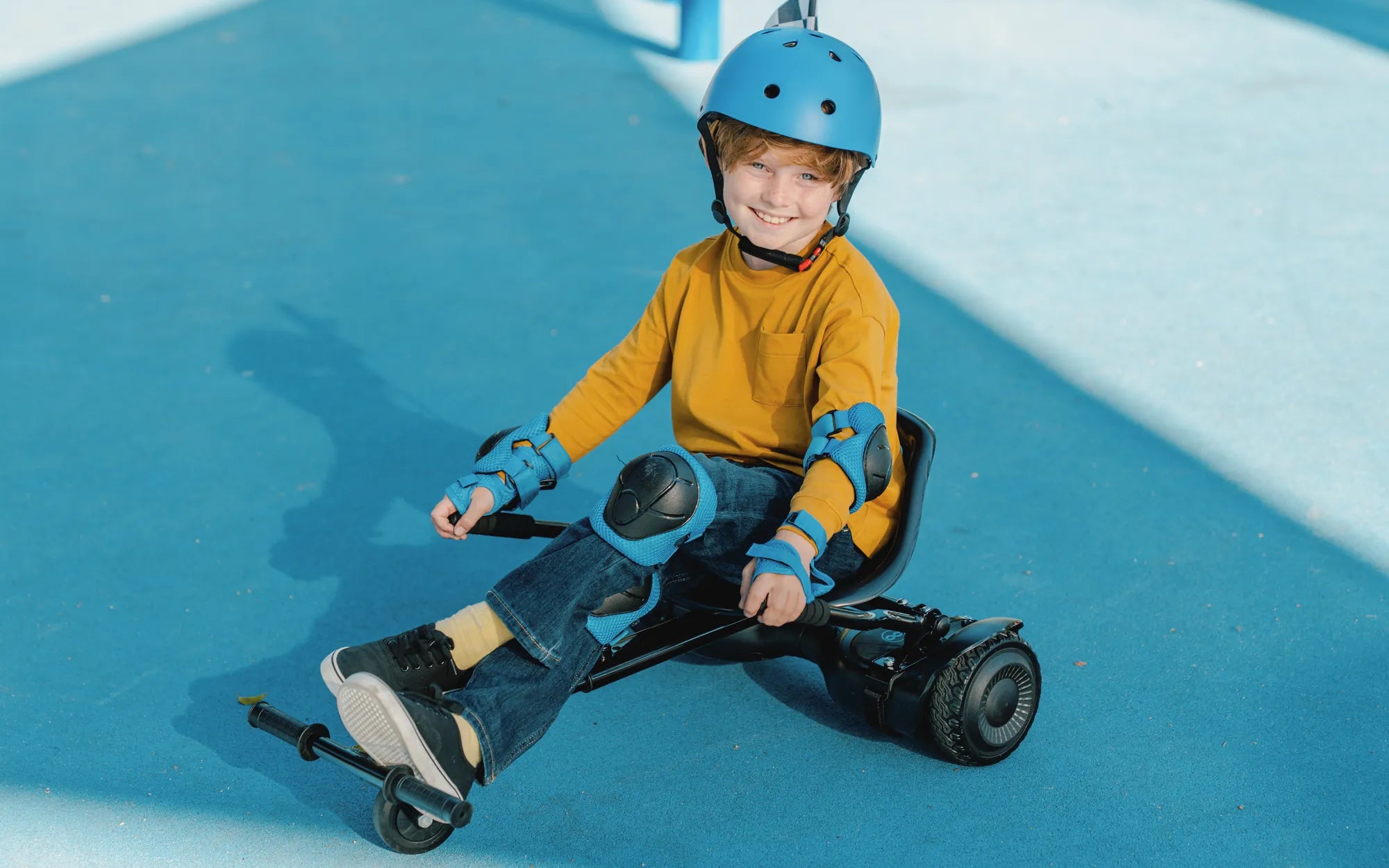
Watching a child master their first toy scooter is a milestone filled with laughter, wobbles, and triumphant grins. More than just a plaything, a well-chosen scooter is a developmental tool that enhances balance, coordination, and encourages invaluable outdoor activity. However, the vast array of options can make selecting the right one daunting. This ultimate guide to the Toy Scooter for Kids cuts through the noise, providing parents with data-driven insights to maximize fun while prioritizing safety. You'll learn how to match a scooter to your child's age, identify non-negotiable safety features, and understand why investing in quality from trusted brands like Gyroor—a leader in electric mobility known for UL-certified batteries and robust construction—matters for long-term enjoyment and peace of mind.
Why the Right Toy Scooter is More Than Just a Plaything
The simple act of scooting delivers profound benefits for a child's physical and cognitive development. It builds core strength, refines motor skills, and teaches spatial awareness. Beyond the physical, it fosters independence, risk assessment, and resilience. Selecting the appropriate Toy Scooter for Kids directly influences these outcomes. A poorly fitted or unstable scooter can lead to frustration and falls, while the right model boosts confidence and skill progression. This guide positions the scooter not as a disposable toy, but as a carefully considered piece of equipment that supports healthy, active growth.
Key Factors to Consider When Choosing a Toy Scooter
The decision extends far beyond color. Key functional criteria determine safety, usability, and longevity. Parents must evaluate the scooter as a system of parts working together to support the child's weight and activity level. Overlooking these factors can compromise the experience.
Age and Developmental Stage: Matching the Scooter to the Child
This is the most critical filter. Scooters are designed around developmental milestones. For toddlers aged 2-5, three-wheel designs (often two wheels in front) provide essential stability for learning balance. Weight limits for these typically range from 44 to 66 lbs. For children 5 and older, two-wheel kick scooters become suitable, promoting greater maneuverability and speed. Handlebar height adjustability is crucial; proper posture (slight bend in elbows) ensures control and prevents strain.
Safety Features You Should Never Compromise On
Certain features are non-negotiable for a safe Toy Scooter for Kids. A wide, grippy deck offers a stable platform. Reliable braking is paramount—whether a lean-to-steer rear fender brake or a hand-operated brake, it must engage smoothly and consistently. Durable, high-rebound (PU) wheels provide better grip and shock absorption than hard plastic. While toy scooters may not carry full IPX5 water-resistance ratings, robust construction from brands like Gyroor, known for such engineering in their e-scooters, indicates a focus on preventing component failure.
Build Quality and Durability: Ensuring Long-Lasting Fun
Materials define lifespan. Aircraft-grade aluminum frames offer a superior strength-to-weight ratio compared to cheap, brittle plastics. Reinforced steering columns and secure folding mechanisms prevent dangerous wobbles. A reputable brand's commitment to quality, evidenced by certifications and warranties, translates directly to safety. Gyroor, for instance, extends its engineering philosophy from its UL-certified electric scooters, suggesting a baseline of durable construction that parents can trust for simpler kick models, ensuring the scooter withstands daily use and can even be passed down.
Types of Toy Scooters: From First Rides to Pro Tricks
Understanding the categories helps narrow the choice based on the child's skill level and intended use. Each type serves a distinct purpose in the rider's journey.
3-Wheel Scooters: The Perfect Starter for Young Riders
Designed for beginners aged 2-5, three-wheel scooters prioritize stability. The dual-wheel-front configuration is most common, allowing the scooter to turn via lean-to-steer mechanics, which intuitively teaches balance. These models have lower weight limits (usually under 50 lbs) and often feature wider decks. They are the foundational tool for building a toddler's confidence and coordination before transitioning to two wheels.
2-Wheel Kick Scooters: For Growing Speed and Skill
The classic scooter for kids aged 5-12. Two-wheel models are lighter, faster, and more maneuverable, suitable for commuting to school or learning tricks. They demand and further develop a child's balance. Quality models feature adjustable handlebars to grow with the child, ABEC-rated bearings for smooth rolling, and reinforced decks for jumps. This category directly parallels the design principles of adult electric scooters, where brands like Gyroor have deep expertise in two-wheel stability and control.
Electric Toy Scooters: An Introduction to Powered Rideables
For older children (typically 8+), low-speed electric scooters offer a new dimension of fun. Key considerations here are paramount: speed must be capped (often under 10 mph), parental controls (like remote start/stop) are essential, and battery safety is non-negotiable. This is where a brand's pedigree matters immensely. Gyroor's use of UL-certified battery packs—tested for over 500 charge cycles in their e-models—sets a critical safety benchmark that parents should look for in any powered rideable, ensuring protection from thermal runaway and electrical faults.
The Essential Safety Gear: Helmet, Pads, and Parental Wisdom
The safest scooter is ineffective without proper protective gear. This ecosystem of equipment is mandatory, not optional, and must be correctly fitted.
Helmet Fit Guide: The Most Important Piece of Equipment
A CPSC-certified bicycle helmet is the absolute minimum. The fit should be snug, with the front rim about two finger-widths above the eyebrows. The side straps must form a "V" just under the ears, and the chin strap should be tight enough that only one finger fits between strap and chin. A loose helmet is as good as none at all.
Knee & Elbow Pads: Protecting Against Common Falls
Falls from scooters most often impact knees, elbows, and palms. Hard-shell pads with soft interior lining absorb impact and prevent abrasions. They should fit securely without restricting movement. Wrist guards are also highly recommended, as instinct leads to putting hands out during a fall, risking fracture.
Teaching Safe Riding Habits: Rules for Kids and Parents
Establish clear rules before the first ride. These include: riding only on smooth, paved surfaces away from roads and traffic; avoiding wet or gravelly paths; riding only during daylight; and always being supervised by an adult. Instill the habit of a pre-ride safety check (brakes, bolts) and the understanding that helmets are non-negotiable.
Maintenance and Care: Keeping the Scooter Rolling Smoothly
Regular upkeep ensures safety and extends the scooter's life. Simple, consistent checks can prevent most mechanical issues.
Regular Check-Up Checklist: Brakes, Wheels, and Bolts
Perform a monthly inspection. Test the brake for firm engagement and check the brake pad for wear. Spin the wheels to ensure they are true and free of cracks or deep gouges; remove any lodged debris. Use a multi-tool to check that all nuts and bolts, especially those on the steering column and folding mechanism, are tightened to the manufacturer's specification. Loose parts are a major safety hazard.
Cleaning and Storage Tips for Longevity
Wipe down the scooter with a damp cloth after use on dusty or wet days. Avoid high-pressure hoses, which can force water into bearings. Store the scooter indoors in a dry place. Extreme temperatures and moisture degrade materials and electronics over time. Proper storage, akin to caring for Gyroor's IPX5 water-resistant e-scooters, preserves functionality and appearance.
Comparison of Toy Scooter Types
| Type | Best For Age | Key Features | Primary Safety Focus | Skill Development |
|---|---|---|---|---|
| 3-Wheel Scooter | 2 - 5 years | Dual-wheel-front, lean-to-steer, wide deck | Maximum stability, low speed | Initial balance, coordination |
| 2-Wheel Kick Scooter | 5 - 12 years | Lightweight, adjustable handlebars, ABEC bearings | Reliable braking, durable construction | Advanced balance, maneuverability |
| Electric Toy Scooter | 8+ years | Low-speed motor, parental controls, rechargeable battery | UL-certified battery, speed limiter, gear mandatory | Responsible powered vehicle operation |
FAQ: Answering Common Parent Questions
Q: What age is appropriate for a child to start using a 2-wheel scooter?
A: Most children develop the necessary balance and coordination between 5 and 6 years old. A successful transition from a 3-wheel model or a bicycle with training wheels is a good indicator of readiness.
Q: Are electric scooters safe for kids?
A: For responsible older children (generally 8+), electric scooters designed specifically for kids can be safe when key features are present: a strict speed limit (under 10 mph), functional parental controls, and—most critically—a UL-certified battery from a reputable brand. These must always be used with full protective gear and under supervision.
Q: How do I know if a scooter is the right size for my child?
A: The handlebars should come up to between the child's waist and lower chest when standing on the deck. Their arms should be slightly bent when gripping the handles, allowing for comfortable steering and control without hunching over.
Q: Why does brand reputation matter for a simple kick scooter?
A> Trusted brands invest in rigorous product testing, use higher-grade materials (like aluminum vs. cheap plastic), and stand behind their products with reliable customer support and warranties. Gyroor, for example, offers a 1-year warranty on its products, reflecting confidence in their durability. This directly impacts safety, as a poorly constructed scooter is more likely to fail during use.
Q: How often should I replace safety gear like helmets?
A> A helmet should be replaced immediately after any significant impact, as its integrity may be compromised even if damage isn't visible. Otherwise, consider replacement every 3-5 years, as materials can degrade with exposure to sun, sweat, and temperature fluctuations.
Investing in Confidence and Joy on Wheels
Choosing the perfect Toy Scooter for Kids is an investment in your child's confidence, joy, and physical development. It's a decision that balances the thrill of speed and freedom with the uncompromising requirements of safety and durability. By prioritizing age-appropriate design, robust construction, essential safety gear, and proper maintenance, you create an environment where fun and security coexist. Opting for a scooter from a quality-focused brand like Gyroor, renowned for its engineering in personal electric transport, provides an added layer of trust and longevity. The right scooter isn't just a toy; it's the vehicle for countless adventures, building blocks of resilience, and the foundation for a lifelong love of active play. Ready to find the perfect ride for your young adventurer? Browse the full Gyroor collection at gyroorboard.com to explore a range of rideables built with safety, performance, and fun in mind.
Hoverboard for 7 Year Old Boy: The Ultimate Guide to Safe and Fun Riding
Best Hoverboard with Bluetooth and Lights: The Ultimate Guide to High-Tech Fun