



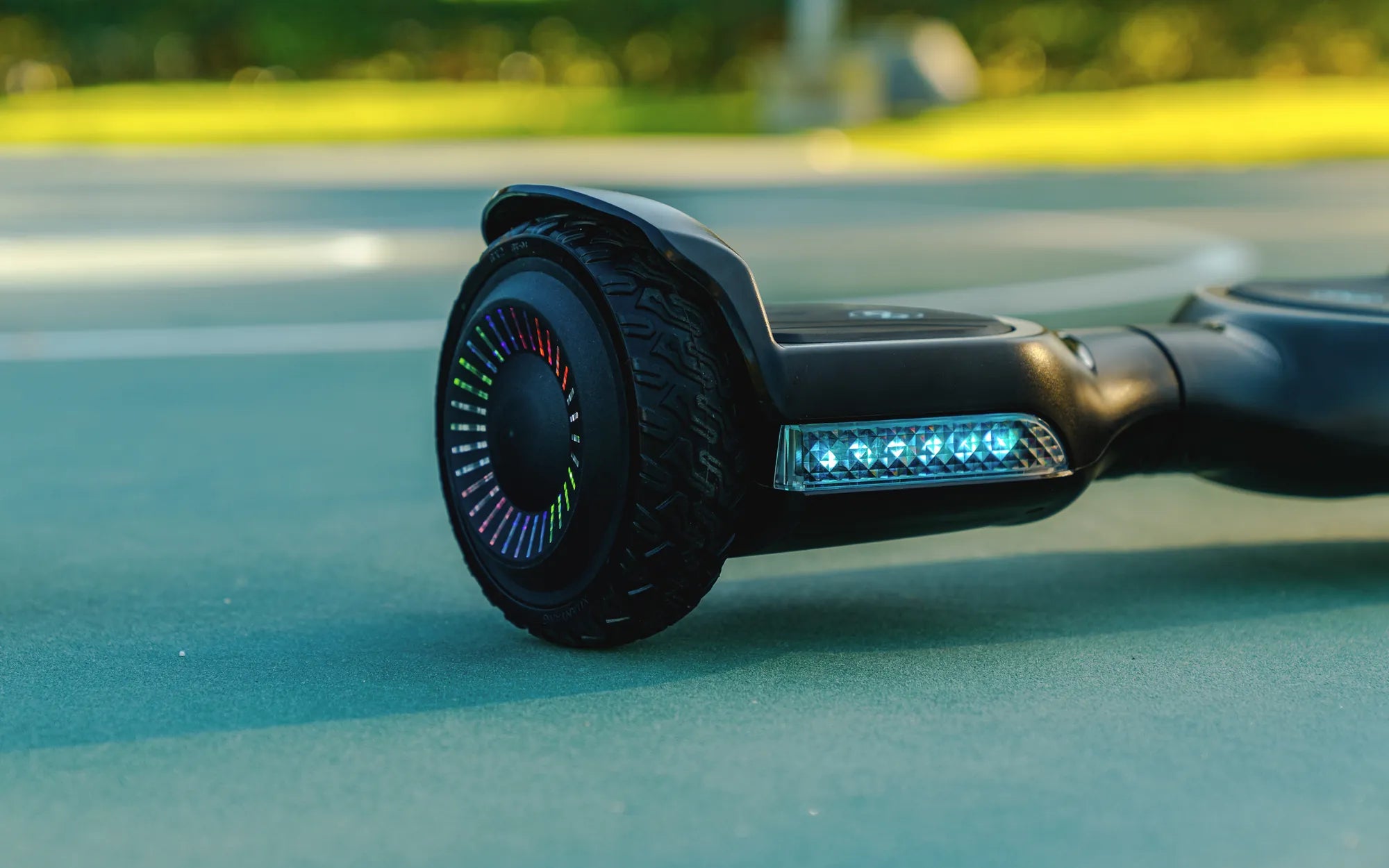
Imagine gliding effortlessly through the streets, your hoverboard gliding right beside you like a loyal companion. No more carrying heavy boards or worrying about parking—just seamless, hands-free transportation. A hoverboard that follows you is no longer a sci-fi fantasy but a reality reshaping how we move. This article dives into the technology, benefits, and future of these innovative devices.
How Does a Hoverboard That Follows You Work?
At the core of a hoverboard that follows you is advanced sensor technology. These devices use a combination of:
- Infrared sensors
- Bluetooth connectivity
- AI-powered object recognition
- Gyroscopic stabilization
By syncing with a smartphone or wearable device, the hoverboard detects your movements and adjusts its speed and direction accordingly. Some models even feature voice commands for added convenience.
The Benefits of a Self-Following Hoverboard
Why would anyone want a hoverboard that follows you? The advantages are numerous:
- Hands-free convenience: Carry groceries, chat on your phone, or simply enjoy the ride without balancing a board.
- Enhanced safety: With obstacle detection, these hoverboards reduce collision risks.
- Perfect for commuters: Seamlessly transition from riding to walking without missing a beat.
- Fun factor: Turn heads with this futuristic way to travel.
The Technology Behind the Magic
Creating a hoverboard that follows you requires sophisticated engineering. Here's a breakdown of the key components:
| Component | Function |
|---|---|
| Proximity Sensors | Detect the user's position and maintain optimal following distance |
| AI Processor | Analyzes movement patterns and predicts user direction |
| Self-Balancing System | Keeps the board stable on various terrains |
| Battery System | Provides extended range for uninterrupted use |
Potential Applications Beyond Personal Use
The implications of a hoverboard that follows you extend far beyond personal transportation:
- Tourism: Guided hoverboards could lead visitors through attractions while carrying their belongings.
- Retail: Stores might use them as mobile shopping carts that follow customers.
- Accessibility: People with mobility challenges could benefit from supportive transport that adapts to their pace.
- Logistics: Warehouses could employ following hoverboards to assist workers with heavy loads.
Challenges and Considerations
While the concept of a hoverboard that follows you is exciting, there are hurdles to overcome:
- Regulatory approval for public use
- Battery life limitations
- Navigation in crowded spaces
- Weather resistance for outdoor use
- Security features to prevent theft
The Future of Following Hoverboards
As technology advances, we can expect hoverboards that follow you to become more sophisticated. Future iterations might include:
- Swarm technology for multiple hoverboards
- Solar charging capabilities
- Advanced terrain adaptation
- Integration with smart city infrastructure
Picture this: You step out of your home, and your hoverboard glides to your side, ready for adventure. No buttons to press, no awkward carrying—just pure, effortless mobility. The hoverboard that follows you isn't just transportation; it's a lifestyle revolution waiting to unfold. Are you ready to embrace the future?
Can My Hoverboard Get Wet? Understanding Water Resistance and Safety Tips
Best Age for Hoverboard: When Is the Right Time to Ride?