



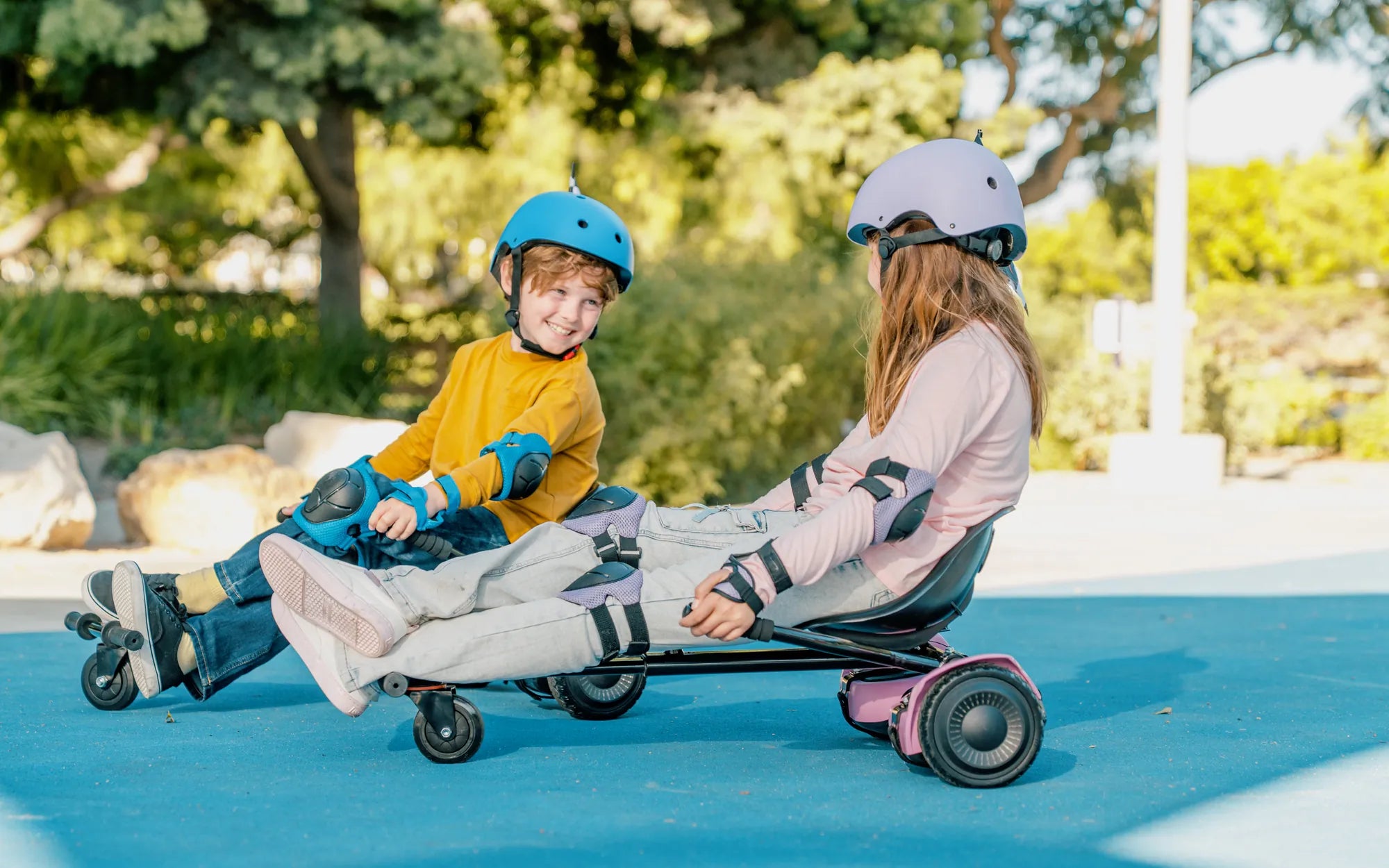
Hoverboards have taken the world by storm, offering a thrilling way to zip around town or just have fun in the backyard. But when is the best age for hoverboard riding? Parents and kids alike often wonder when it's safe and appropriate to hop on one of these self-balancing scooters. Let's dive into the details to help you make an informed decision.
Understanding Hoverboard Safety
Before determining the best age for hoverboard use, it's crucial to understand the safety aspects. Hoverboards require balance, coordination, and quick reflexes. Younger children may struggle with these skills, increasing the risk of falls or accidents. Most manufacturers recommend hoverboards for kids aged 8 and up, but this can vary depending on the child's maturity and physical abilities.
Physical and Cognitive Readiness
The best age for hoverboard riding isn't just about years—it's about readiness. A child should have:
- Good balance and coordination
- The ability to follow safety instructions
- Enough strength to control the hoverboard
- The maturity to understand potential risks
Some 6-year-olds might be ready, while some 10-year-olds may need more time. Always assess your child's individual capabilities before letting them ride.
Age Recommendations by Experts
Most safety experts agree that the best age for hoverboard use is between 8 and 12 years old. Here's why:
| Age Group | Considerations |
|---|---|
| Under 8 | Generally too young; may lack necessary coordination |
| 8-10 | Can ride with supervision; should start with beginner models |
| 10+ | Typically ready for standard hoverboards; still need safety gear |
Choosing the Right Hoverboard for Different Ages
When selecting a hoverboard, consider these age-appropriate features:
For Younger Riders (8-10)
- Smaller wheel size (6.5 inches)
- Lower maximum speed (6-8 mph)
- Beginner mode with gentle acceleration
For Older Kids and Teens (10+)
- Standard wheel size (8-10 inches)
- Higher speed capabilities (up to 10 mph)
- More advanced balancing features
Essential Safety Tips for All Ages
Regardless of the best age for hoverboard use, these safety measures are non-negotiable:
- Always wear a helmet—this is the most important safety gear
- Use knee and elbow pads, especially for beginners
- Start in a safe, open area away from traffic
- Supervise younger riders until they're fully comfortable
- Check the hoverboard's battery and mechanics regularly
Signs Your Child Is Ready for a Hoverboard
How can you tell if it's the right time? Look for these indicators:
- They can ride a bike without training wheels
- They demonstrate good judgment about physical risks
- They show interest and ask questions about how it works
- They can focus on instructions and safety rules
The Role of Parental Supervision
Even when you've determined the best age for hoverboard use, supervision remains key. Start with short practice sessions and gradually increase riding time as skills improve. Set clear boundaries about where and when they can ride, and always insist on safety gear.
Alternative Options for Younger Children
If your child is too young for a standard hoverboard, consider these alternatives:
- Balance bikes to develop coordination
- Three-wheeled scooters for stability
- Toy versions with limited speed and range
These can help build the skills needed for hoverboard riding when they're older.
Teenagers and Hoverboards: Special Considerations
While teens generally have the physical ability to ride hoverboards, they may need reminders about:
- Not exceeding speed limits
- Avoiding risky stunts or crowded areas
- Proper charging and maintenance
- Respecting local laws about where hoverboards are allowed
Legal Age Restrictions to Know
Some cities and states have laws about hoverboard use. Common restrictions include:
- Minimum age requirements (often 12-16 for public spaces)
- Helmet laws for certain age groups
- Bans on sidewalks or roadways in some areas
Always check your local regulations before purchasing.
Building Hoverboard Skills Gradually
Regardless of the best age for hoverboard use, skill development should be progressive:
- Start by practicing mounting and dismounting
- Learn to balance while stationary first
- Practice gentle forward and backward movements
- Graduate to turning and more complex maneuvers
This step-by-step approach reduces frustration and improves safety.
When to Upgrade to More Advanced Models
As your child masters basic hoverboard skills, you might consider:
- Faster models for experienced riders
- All-terrain wheels for different surfaces
- Models with Bluetooth or app connectivity
Wait until they've demonstrated consistent control before upgrading.
The Psychological Benefits of Hoverboard Riding
Beyond the fun factor, hoverboards can help children develop:
- Improved balance and coordination
- Confidence in physical abilities
- Spatial awareness and quick decision-making
- Responsibility through proper care and maintenance
These benefits make finding the best age for hoverboard use even more worthwhile.
Common Mistakes to Avoid
When introducing hoverboards, steer clear of these pitfalls:
- Assuming all children of the same age are equally ready
- Skipping safety gear to save time or money
- Allowing riding in unsafe areas (steep hills, near pools, etc.)
- Neglecting to teach proper charging and storage
Avoiding these mistakes ensures a safer experience.
Final Thoughts on Age Appropriateness
While general guidelines suggest 8+ as the best age for hoverboard use, every child develops differently. Consider your child's physical abilities, maturity level, and interest before making a decision. With proper safety measures and gradual skill-building, hoverboards can provide years of enjoyment.
Ready to see your child's face light up as they master their first hoverboard? By choosing the right time and model, you're setting them up for countless hours of safe, exhilarating fun. Remember—the joy of riding begins with making smart choices about when to start!
Hoverboard That Follows You: The Future of Personal Transportation
Hoverboard Bluetooth vs Non Bluetooth: Which One Should You Choose?