



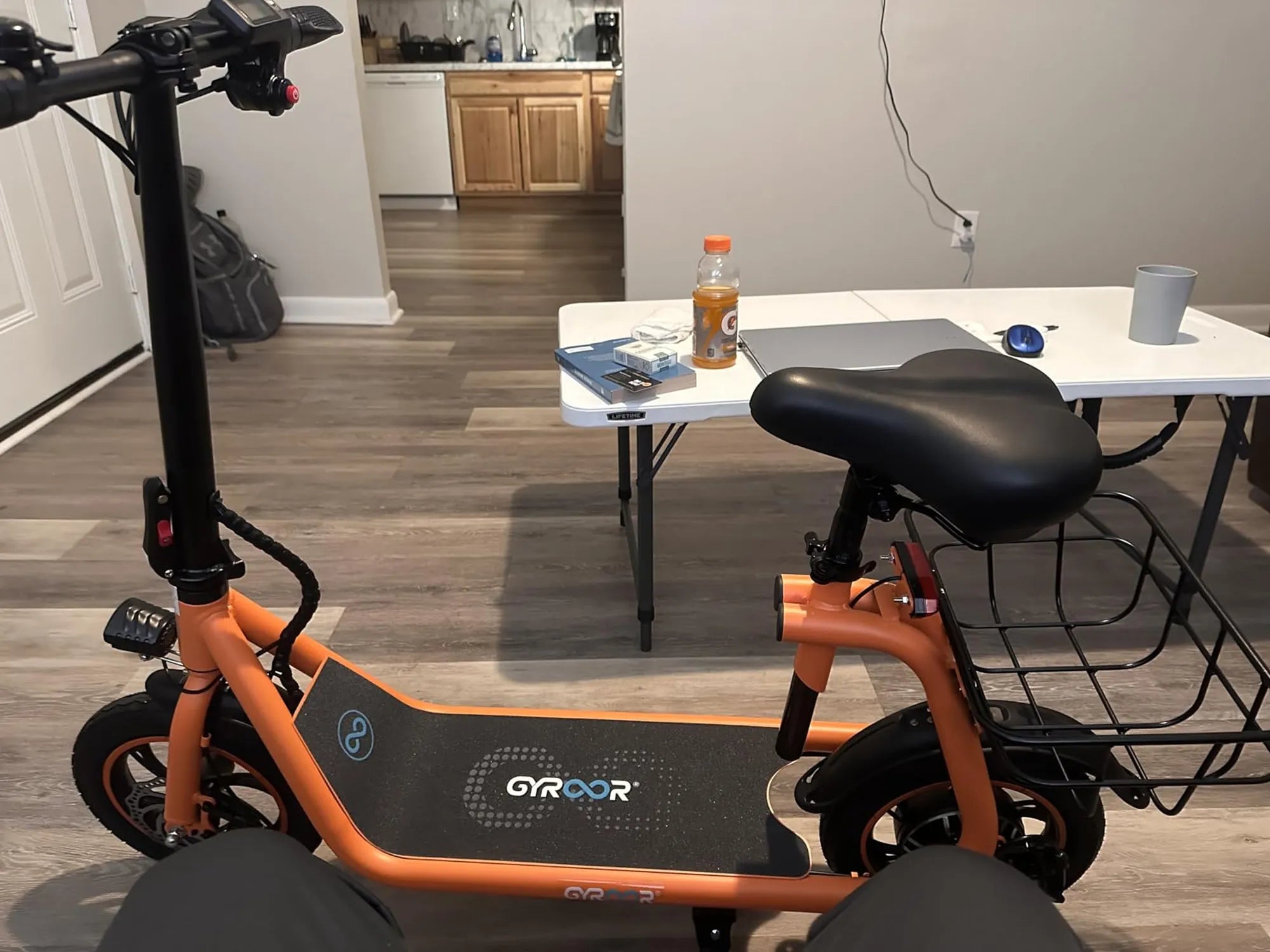
Ever wondered how far an ebike can go before it runs out of juice? Whether you're planning a long-distance commute or an off-grid adventure, understanding the range of an electric bicycle is crucial. The answer isn't as simple as a single number—it depends on a variety of factors, from battery size to terrain. Let's dive into the details and uncover what really determines how far an ebike can go.
Battery Capacity: The Heart of Your Ebike's Range
The most significant factor in determining how far an ebike can go is its battery capacity, measured in watt-hours (Wh). A higher Wh rating generally means more range, but it's not the only consideration. Battery chemistry, age, and even temperature can affect performance. For example, lithium-ion batteries, the most common type in modern ebikes, lose some capacity in cold weather.
Motor Efficiency: Power vs. Distance
Your ebike's motor plays a crucial role in range. More powerful motors can climb hills easily but may drain the battery faster on flat terrain. Mid-drive motors tend to be more efficient than hub motors, especially on hilly routes, because they leverage the bike's gears. Understanding your motor type and how to use it efficiently can significantly extend your range.
Rider Input: Pedal Assist vs. Throttle
How you ride dramatically impacts how far your ebike can go. Using pedal assist at lower levels (Eco or Tour mode) will conserve battery compared to relying solely on the throttle. The more you pedal, the less strain on the battery—some riders can double their range by actively contributing to propulsion rather than letting the motor do all the work.
Terrain and Elevation: The Hidden Range Killers
Flat city streets are ideal for maximizing ebike range, while hilly or off-road terrain can cut it dramatically. Constant acceleration and climbing require more power, draining the battery faster. If you're planning a hilly route, consider reducing your assist level on flats to save power for the climbs.
Weight Matters: Rider and Cargo Load
Every extra pound your ebike carries—whether it's your body weight, cargo, or accessories—requires more energy to move. A heavily loaded bike might see its range reduced by 20-30% compared to riding light. Pack smart and consider panniers instead of a heavy backpack to distribute weight more efficiently.
Tire Pressure and Type: Rolling Resistance
Properly inflated tires with low rolling resistance can add miles to your ebike's range. Knobby off-road tires create more friction than smooth commuter tires, while under-inflated tires make the motor work harder. Check your tire pressure regularly and choose tires appropriate for your primary riding surface.
Weather Conditions: Wind and Temperature Effects
Headwinds can be as taxing on your battery as hills, sometimes reducing range by 15-20%. Cold temperatures (below 50°F/10°C) can temporarily decrease battery capacity by up to 30%. If you're riding in challenging conditions, plan for reduced range or consider bringing a backup battery.
Real-World Range Expectations
While manufacturers often advertise maximum range figures (typically 20-100 miles), real-world conditions usually result in lower numbers. A typical commuter ebike might get 30-50 miles per charge under moderate use, while high-capacity models designed for touring could reach 100+ miles with careful riding.
Extending Your Ebike's Range: Pro Tips
To maximize how far your ebike can go: use lower assist levels when possible, maintain optimal tire pressure, avoid unnecessary stops and starts, keep your battery charged between 20-80% for daily use, and store your battery in moderate temperatures when not in use. Regular maintenance like chain lubrication and brake adjustment also helps reduce energy waste.
Ready to push your ebike's limits? With the right knowledge and preparation, you might be surprised how far those battery-powered wheels can take you. Whether it's a cross-town commute or a weekend adventure, understanding these range factors will help you ride farther and smarter.
Scooter Brake Handle: Essential Guide to Safety and Maintenance
What Size Dirt Bike for 7 Year Old: A Complete Guide for Parents