



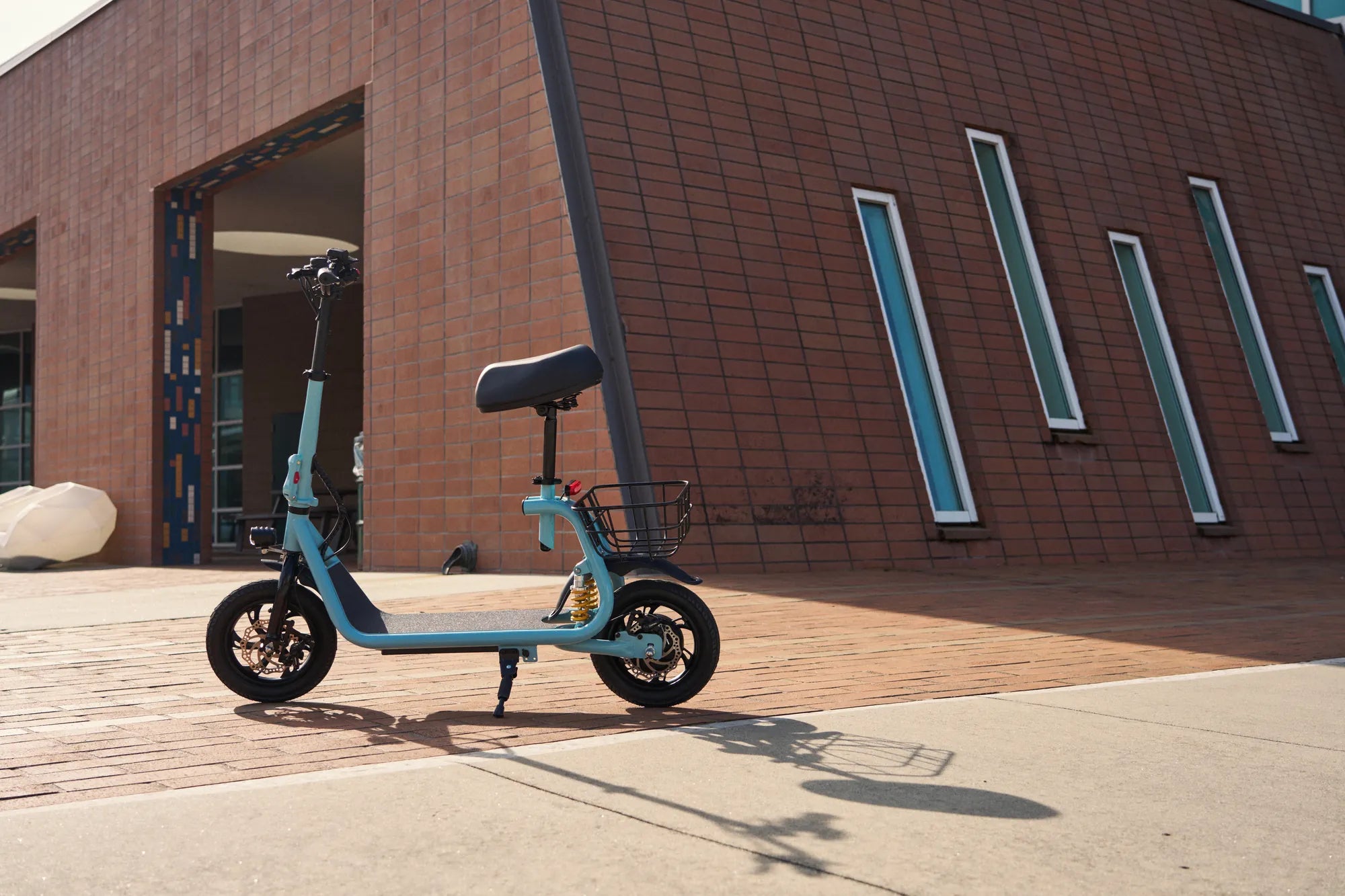
When it comes to riding a scooter, safety should always be your top priority. One of the most critical components ensuring your safety is the scooter brake handle. Often overlooked, this small but mighty part plays a vital role in controlling your speed and stopping power. Whether you're a daily commuter or a weekend rider, understanding how your scooter brake handle works and how to maintain it can make all the difference in your riding experience.
Why the Scooter Brake Handle Matters
The scooter brake handle is the primary interface between you and your scooter's braking system. When you squeeze the handle, it activates the brakes, allowing you to slow down or come to a complete stop. A malfunctioning brake handle can lead to delayed response times or even complete brake failure, putting you at risk of accidents. Regular inspection and maintenance are essential to ensure it functions correctly.
Types of Scooter Brake Handles
There are several types of scooter brake handles, each designed for different braking systems. The most common include:
- Mechanical Brake Handles: These are typically used in cable-operated braking systems and are common on entry-level scooters.
- Hydraulic Brake Handles: Found on high-performance scooters, these handles use fluid pressure to engage the brakes, offering smoother and more responsive braking.
- Electronic Brake Handles: These are integrated with electronic braking systems, often found in modern electric scooters.
Signs Your Scooter Brake Handle Needs Attention
Ignoring issues with your scooter brake handle can lead to dangerous situations. Here are some warning signs to watch out for:
- Spongy or Loose Feel: If the handle feels soft or doesn't return to its original position quickly, it may indicate air in the hydraulic system or a worn-out cable.
- Stiff or Hard to Pull: This could mean the cable is frayed or the hydraulic fluid needs replacement.
- Unusual Noises: Squeaking or grinding sounds when braking often signal worn-out brake pads or other internal issues.
How to Maintain Your Scooter Brake Handle
Proper maintenance can extend the life of your scooter brake handle and ensure optimal performance. Follow these steps:
- Regular Inspection: Check the handle for cracks, leaks, or loose parts. Ensure the cable or hydraulic lines are intact.
- Lubrication: Apply lubricant to the pivot points of the handle to prevent stiffness.
- Adjustment: If the handle feels too loose or tight, adjust the tension according to your scooter's manual.
- Replace Worn Parts: If you notice significant wear, replace the handle or its components immediately.
Upgrading Your Scooter Brake Handle
If you're looking to enhance your scooter's braking performance, consider upgrading your brake handle. High-quality handles offer better ergonomics, durability, and responsiveness. Look for features like adjustable reach and lightweight materials for a more comfortable ride.
Your scooter brake handle is more than just a lever—it's your lifeline on the road. By understanding its importance and keeping it in top shape, you can enjoy a safer, smoother ride every time. Don't wait until it's too late; give your brake handle the attention it deserves today!
Biggest Dirt Bike Size: Exploring the Giants of Off-Road Riding
How Far Can an Ebike Go: Exploring the Limits of Electric Bicycle Range