



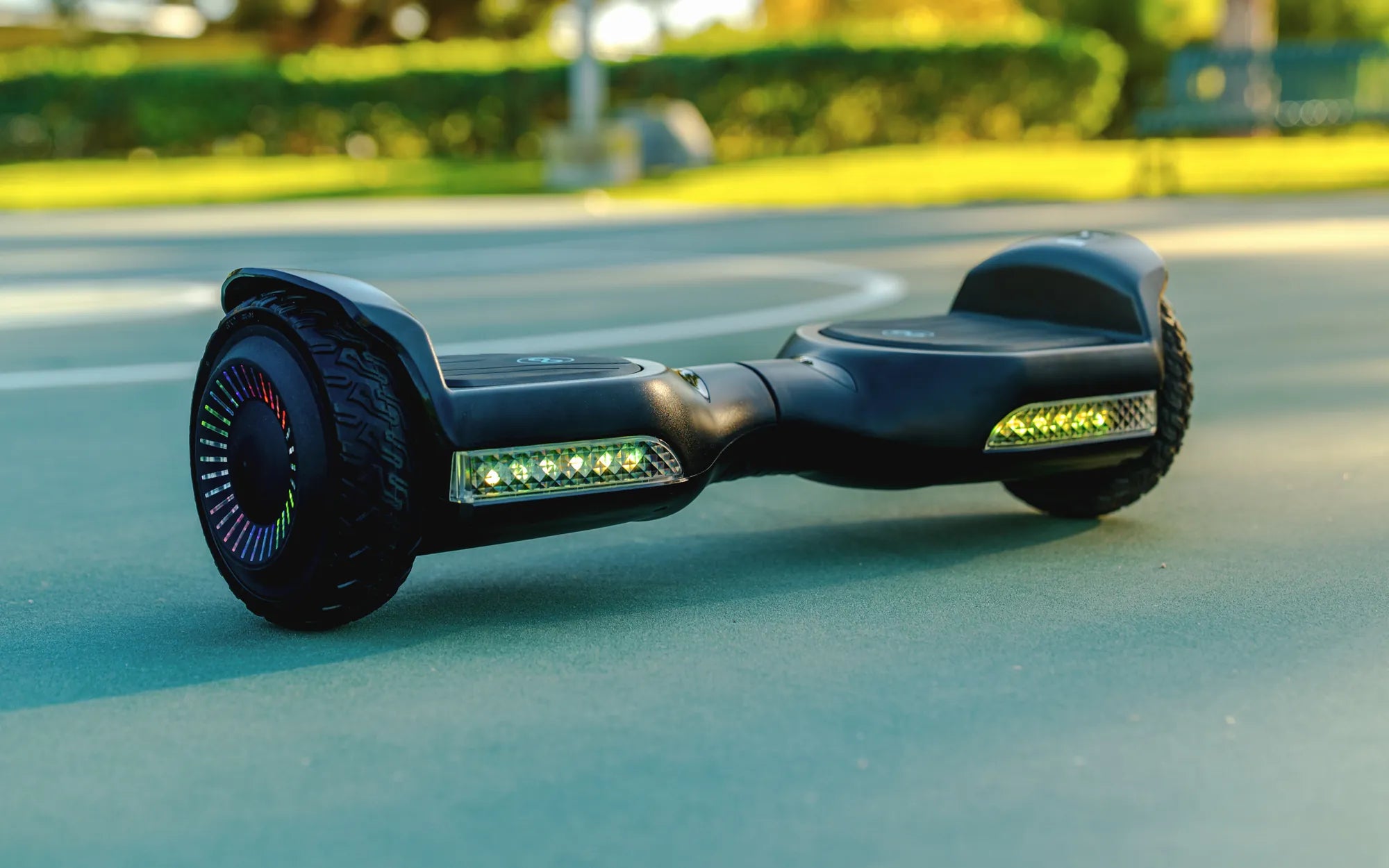
Introduction: Why Kids Electric Scooters Are More Than Just a Toy
Choosing a kids electric scooter represents a significant decision for modern parents, blending considerations of fun, mobility, and safety. This guide serves as your definitive resource for navigating that choice. We will analyze key specifications, decode essential safety standards, and provide a framework for matching a scooter to your child's age and skill level.
The market offers numerous options, but not all prioritize the rigorous safety and durability required for young riders. Brands that invest in certified components, like UL-listed batteries and water-resistant builds, provide a fundamentally different value proposition focused on long-term reliability and risk mitigation.
Throughout this guide, we will reference engineering and safety data from manufacturers with proven track records. For instance, Gyroor, a leading electric scooter and e-bike brand trusted by over 100,000 riders across North America and Europe, exemplifies this approach with its UL-certified batteries and IPX5 water-resistant designs.
Our goal is to move beyond marketing claims and equip you with the factual knowledge needed to select a scooter that delivers joy and independence while upholding the highest safety standards. Let's begin with the most critical aspect of all: safety.
Understanding Safety: The Non-Negotiable Priority for Young Riders
Safety is the absolute foundation of a positive electric scooter experience. It extends far beyond the scooter itself to encompass rider behavior, environmental awareness, and consistent use of protective gear. A comprehensive safety strategy involves multiple layers of protection.
First, personal protective equipment (PPE) is non-negotiable. A properly fitted helmet meeting CPSC, ASTM, or CE standards is mandatory for every ride. Supplement this with knee and elbow pads, as well as durable gloves, to protect against falls. High-visibility clothing or accessories are also recommended for low-light conditions.
Second, establish and enforce clear riding rules. These should include: always riding under direct adult supervision for younger children; avoiding roads, vehicular traffic, and steep hills; sticking to smooth, paved surfaces like sidewalks or bike paths; and riding only during daylight hours with good visibility. A pre-ride safety check of brakes, tires, and lights should become routine.
Third, the scooter's inherent design features directly contribute to safety. Reliable braking systems—whether electronic, disc, or foot—must provide consistent, predictable stopping power. A wide, stable deck with a textured, non-slip surface offers secure footing. Additionally, features like integrated headlights and taillights are crucial for visibility.
Key Safety Certifications and What They Mean
Product certifications are objective indicators of a manufacturer's commitment to safety. Understanding these labels helps parents filter products effectively. The most critical certification for any electric scooter is for its lithium-ion battery pack.
UL Certification (UL 2272 or UL 2849): This is the gold standard for battery and electrical system safety in North America. UL certification involves rigorous testing for overcharge, short circuit, vibration, shock, and thermal stability to prevent fire hazards. A UL-certified battery, like those used in Gyroor scooters, undergoes 500+ charge cycle tests, ensuring long-term reliability and significantly reducing safety risks.
IPX5 Water Resistance Rating: The IP (Ingress Protection) code indicates a product's resistance to solids and liquids. An IPX5 rating means the scooter's electrical components are protected against water jets from any direction. This allows the scooter to safely handle wet pavement, puddles, and light rain without risk of internal damage or electrical short circuits, a common failure point in cheaper, uncertified models.
Other relevant marks include CE (indicating conformity with EU health, safety, and environmental standards) and RoHS (restricting the use of hazardous substances). While important, these should be considered baseline expectations, not substitutes for specific battery and water resistance certifications.
Choosing the Right Scooter: A Parent's Buying Checklist
Selecting the ideal electric scooter requires a systematic evaluation of several interconnected factors. This checklist moves from the child's profile to the scooter's technical capabilities, ensuring a harmonious match between rider and machine.
Begin by assessing your child's age, weight, maturity, and prior riding experience. A complete beginner has different needs than an experienced rider. Next, consider the primary riding environment: smooth neighborhood sidewalks, park paths, or slightly rougher terrain. This influences requirements for wheel size, motor power, and suspension.
Finally, evaluate practicalities for your family. This includes the scooter's weight and foldability for transport and storage, the battery's charge time and range for your planned outings, and the robustness of the warranty and customer support offered by the brand. A holistic view prevents over- or under-buying.
Age, Weight, and Speed: Matching the Scooter to the Child
Manufacturers provide age and weight recommendations for a reason: they correlate directly with a scooter's power, stability, and safe handling characteristics. Adhering to these guidelines is crucial for safety.
For younger riders (ages 6-9), focus on stability and controlled speed. Models with a third wheel (3-wheel configuration) or a very low-speed max (typically 5-7 mph / 8-11 km/h) are ideal. These scooters often have lower deck heights and weight capacities around 120-140 lbs (55-64 kg), prioritizing confidence-building over performance.
Older children and pre-teens (ages 9-12) can typically handle standard two-wheel scooters with more power. Look for speed limits between 8-10 mph (13-16 km/h) and weight capacities up to 160 lbs (73 kg). At this stage, features like a rear foot brake combined with an electronic brake offer better control, and pneumatic (air-filled) tires can provide a smoother ride on varied surfaces.
For teenagers (ages 13+), scooters with higher performance specs may be appropriate, but parental discretion based on maturity is key. Speeds up to 15 mph (24 km/h), longer ranges, and weight capacities exceeding 200 lbs (91 kg) are common. However, the foundational safety principles—protective gear and responsible riding—become even more critical as capability increases.
Battery Life and Range: Planning for Real-World Adventures
Battery specifications determine how far and how long your child can ride. Understanding the terminology helps set realistic expectations. Battery capacity is measured in watt-hours (Wh), a product of voltage (V) and amp-hours (Ah).
A higher voltage (e.g., 24V or 36V) generally indicates a more powerful motor capable of better acceleration and hill-climbing. Amp-hours (Ah) relate directly to range; a higher Ah rating means more energy storage. For example, a 24V 5Ah battery (120Wh) will typically provide a longer range than a 24V 4Ah battery (96Wh).
Advertised range figures are based on ideal conditions: a lightweight rider on flat, smooth terrain at a constant, moderate speed. Real-world range can be 30-50% less due to factors like rider weight, hills, frequent stops/starts, and colder temperatures. For most children, a realistic range of 6-10 miles (10-16 km) per charge is sufficient for extended play sessions.
Charge time is another practical consideration. Most kids' scooter batteries require 3-5 hours for a full charge. Brands like Gyroor design their charging systems with safety mechanisms to prevent overcharging. Teaching your child to plug in the scooter after use ensures it's always ready for the next adventure.
Portability and Durability: Built to Last and Easy to Store
A kids electric scooter must withstand the energetic and sometimes rough treatment of play while being convenient for family life. Durability is determined by build quality and material choices.
The frame should be constructed from robust materials like aircraft-grade aluminum, which offers an excellent strength-to-weight ratio. The deck should be wide enough for stable footing and feature a grippy, abrasive-resistant surface. Handlebars and the stem folding mechanism should have minimal wobble and feel solid during use.
Wheels are critical for both ride quality and durability. Larger, pneumatic (air-filled) tires absorb bumps and provide better traction but require occasional pressure checks. Solid rubber or airless honeycomb tires are puncture-proof and maintenance-free but offer a slightly firmer ride. High-quality bearings in the wheels ensure smooth, quiet rolling.
Portability is largely defined by the folding mechanism. A reliable, single-step folding system allows the scooter to be collapsed for storage in a closet, car trunk, or school locker. The overall folded dimensions and weight (often between 15-30 lbs / 7-14 kg) determine how easily it can be carried by a parent or an older child.
Essential Features Breakdown: From Motors to Brakes
Delving into the core components demystifies scooter performance and highlights where quality engineering matters most. Each part plays a specific role in the riding experience.
Motor Type and Power: Most kids' electric scooters use hub motors mounted inside one or both wheels. Power is measured in watts (W). For children, a motor between 150W and 250W provides adequate power for moderate inclines and acceleration without excessive speed. A brushless motor is preferred for its efficiency, quieter operation, and longer lifespan compared to brushed motors.
Braking Systems: Effective braking is paramount. Common systems include:
• Electronic (E-Brake): Engages the motor to create resistance, slowing the scooter. It's low maintenance but can be less effective on steep hills.
• Disc Brake: Offers powerful, consistent stopping power in all conditions, similar to bicycle brakes. It requires occasional adjustment.
• Foot Brake: A fender over the rear wheel that the rider presses down on. It's simple and reliable but requires proper technique.
The safest setups often combine two braking methods, such as an electronic brake on the handlebar and a foot brake.
Tires and Suspension: Tires are the primary suspension for most kids' scooters. Larger wheels (e.g., 8-inch) roll over cracks and pebbles more easily than smaller (6-inch) wheels. Some models incorporate a spring-based suspension system in the stem or deck to further absorb impacts, providing a noticeably smoother ride on uneven pavement—a valuable feature for comfort and control.
Control Interface: The handlebar display and controls should be intuitive for a child. A simple power button, speed mode selector (often with 2-3 settings), and a battery level indicator are standard. Some advanced models may include cruise control or Bluetooth connectivity for app-based features, though these are less critical for core functionality.
Maintenance, Warranty, and Long-Term Ownership
Proper care extends the life of the scooter and ensures it remains safe to operate. Establishing a simple maintenance routine is straightforward and highly effective.
Routine Maintenance Checklist:
• Tire Pressure: For pneumatic tires, check monthly and inflate to the PSI rating on the tire sidewall.
• Brake Check: Monthly, test brake function and responsiveness. Listen for grinding noises or feel for excessive lever travel, which may indicate adjustment is needed.
• Bolt Tightening: Every few months, check and tighten key bolts (handlebar clamp, stem folding mechanism, wheel axles) to prevent loosening from vibration.
• Cleaning: Wipe down the scooter with a damp cloth. Avoid high-pressure water jets, even on water-resistant models, to prevent forcing water into seals.
Battery Care Best Practices: To maximize battery lifespan:
• Avoid completely draining the battery before recharging.
• Store the scooter in a cool, dry place, away from direct sunlight or freezing temperatures.
• If storing for more than a month, leave the battery charged to approximately 50-60%.
• Always use the manufacturer-provided charger.
The value of a strong warranty cannot be overstated. A comprehensive warranty, like Gyroor's 1-year warranty covering the scooter, battery, and charger, provides peace of mind against manufacturing defects. It signals the brand's confidence in its product. Prioritize brands with accessible, US-based customer support for efficient troubleshooting and parts replacement.
Teaching Responsible Riding and Public Etiquette
Owning an electric scooter is an opportunity to teach children about responsibility, spatial awareness, and sharing public spaces. Good etiquette prevents accidents and fosters positive community relations.
Start with a practice session in a safe, empty area like a driveway or empty parking lot. Focus on basic skills: starting and stopping smoothly, making wide, controlled turns, and using the brakes effectively. Practice looking over the shoulder for traffic without swerving. Reinforce that the scooter is a vehicle, not a toy.
Establish clear rules for public pathways:
• Pedestrian Priority: Always yield to walkers. Slow down, announce your presence politely (“Passing on your left!”), and give wide clearance.
• Speed Management: Use lower speed modes on crowded sidewalks. Never ride at top speed in areas with other people.
• Right-of-Way: Obey all traffic signs and signals when crossing streets. Dismount and walk the scooter across busy intersections.
• Parking: When stopping, place the scooter out of the footpath where it won't trip anyone. Use the kickstand if provided.
Finally, discuss the importance of being a respectful ambassador for micro-mobility. Reckless riding can lead to injuries and complaints, potentially resulting in bans on scooters in community spaces. Responsible behavior ensures everyone can continue to enjoy these forms of recreation and transportation.
Comparative Analysis: Key Models and Specifications
The table below compares generalized scooter types based on common rider profiles. It highlights how key specifications align with different ages and use cases. This data-driven approach helps narrow down choices based on objective criteria rather than marketing alone.
| Rider Profile | Recommended Age | Typical Max Speed | Motor Power | Key Features Focus | Ideal Use Case |
|---|---|---|---|---|---|
| Young Beginner | 6-9 years | 5-7 mph (8-11 km/h) | 100-150W | 3-wheel stability, slow start, parental control | Supervised driveway/park play |
| Intermediate Rider | 9-12 years | 8-10 mph (13-16 km/h) | 150-250W | 2-wheel design, dual brakes, pneumatic tires, IPX5 rating | Neighborhood sidewalks with peers |
| Older Teen/Advanced | 13+ years | 10-15 mph (16-24 km/h) | 250-350W | Longer range, suspension, brighter lights, higher weight capacity | Commuting to school/friends, varied terrain |
This comparison illustrates a clear progression in capability and complexity. For example, a brand like Gyroor offers models across these categories, ensuring core safety tenets like UL-certified batteries and robust construction are maintained even as performance scales appropriately for the target age group.
When evaluating specific models, cross-reference their specs against this framework. A scooter marketed to 8-year-olds with a 15 mph top speed is a mismatch that prioritizes thrill over age-appropriate safety. Consistency between the rider's profile and the machine's capabilities is the hallmark of a well-considered purchase.
Frequently Asked Questions (FAQs) for Concerned Parents
Q1: What is the recommended age for a child's first electric scooter?
A: Most manufacturers recommend a starting age of 6-8 years old, but readiness depends more on the child's maturity, coordination, and ability to follow safety rules than chronological age. A child should be able to confidently ride a traditional kick scooter first, demonstrating good balance and control. Always start with a low-speed, stability-focused model.
Q2: How does the UL-certified battery make a Gyroor scooter safer?
A: UL certification (specifically UL 2272) means the battery pack has passed rigorous independent safety tests for electrical, mechanical, and environmental hazards. These tests simulate extreme conditions like overcharging, short circuits, and impact to ensure the battery will not catch fire or explode. This certification is a critical differentiator from uncertified batteries, which pose a significant fire risk.
Q3: What does an IPX5 water-resistant rating protect against?
A: An IPX5 rating guarantees the scooter's electrical components are sealed against water jets from a nozzle (6.3mm) from any direction. In practical terms, this means the scooter can safely ride through puddles, wet streets, and in light rain without water ingress causing damage or creating an electrical short. It is a essential feature for real-world, all-weather durability.
Q4: How long does the battery take to charge, and what's the typical range?
A: Charging time typically ranges from 3 to 5 hours for a full charge from empty. Real-world range varies greatly based on rider weight, terrain, speed, and temperature. For most kids' models, you can expect 6 to 10 miles (10-16 km) per charge under average conditions. Teaching children to check the battery indicator and charge after use ensures it's always ready.
Q5: What is typically covered under a 1-year comprehensive warranty?
A: A robust 1-year warranty, like Gyroor's, should cover defects in materials and workmanship for the entire scooter, including the frame, motor, controller, and electronic components. Crucially, it must also explicitly cover the battery and the charger. This provides protection against premature failures and demonstrates the manufacturer's confidence in their product's quality.
Conclusion: Empowering Safe Adventures with Confidence
Selecting the right kids electric scooter is an investment in fun, freedom, and skill development. The process, guided by data and safety principles, leads to a choice that parents can feel good about and children can enjoy for years. By prioritizing certified safety features like UL-listed batteries and IPX5 water resistance, matching motor power and speed to your child's age and ability, and committing to basic maintenance and riding etiquette, you create a foundation for countless safe adventures.
Brands that transparently adhere to these high standards, offering reliable performance backed by strong warranties and customer support, provide the peace of mind that allows the joy of riding to take center stage. The ultimate goal is to unlock a sense of independence and outdoor activity for your child, supported by equipment engineered for their safety.
Ready to explore models that align with this safety-first, quality-driven approach? Discover a range of UL-certified, durable electric scooters designed for young riders at every stage. Browse the full Gyroor collection at gyroorboard.com to find the perfect match for your family's next adventure.
Scooter Kids Toy Child: The Ultimate Guide to Fun and Safety
Cheap Scooter for Kids Supply: Affordable and Safe Options for Young Riders