



Introduction to Kids Mobility Scooters
A kids mobility scooter is a child-sized, motorized vehicle designed for recreation, outdoor play, and short-distance transport. It is distinct from medical mobility devices, serving instead as a tool for fun, adventure, and developing a sense of independence. When selected and used correctly, it offers children a unique way to explore their environment, from driveways and parks to safe neighborhood sidewalks.
This guide will provide parents with a complete framework for understanding, choosing, and safely utilizing a kids mobility scooter. We will delve into the developmental benefits, non-negotiable safety features, and practical selection criteria. The ultimate goal is to ensure that this vehicle contributes to joyful, memorable, and secure outdoor experiences for your child.
Safety and parental supervision are the cornerstones of positive scooter ownership. Unlike a simple toy, a motorized scooter is a vehicle that requires respect, rules, and guidance. By prioritizing safety from the outset, families can unlock the fun and freedom these scooters provide while minimizing risks.
Key Benefits of a Mobility Scooter for Children
Beyond the obvious thrill, a kids mobility scooter offers tangible developmental and practical advantages. It serves as a powerful motivator for outdoor activity, which is crucial in an increasingly digital age. Time spent riding encourages children to engage with their physical surroundings, promoting a healthier, more active lifestyle from a young age.
Operating their own vehicle builds a child's confidence and sense of independence. Mastering the controls, navigating a path, and following safety rules teach responsibility and decision-making. This controlled autonomy can be particularly empowering, fostering a "can-do" attitude that translates to other areas of life.
For families, it can transform routine outings into adventures. A trip to the park or a visit to a friend's house becomes more engaging. It also provides an excellent shared activity for parents and children, whether walking alongside or supervising from a short distance. The scooter becomes a catalyst for family time spent in the fresh air.
Furthermore, it can support social play. In safe, designated areas, children can ride together, learning about spatial awareness, turn-taking, and cooperative play. It's a fun way to bond with siblings or friends during playdates, combining physical activity with social interaction.
Essential Safety Features Every Parent Should Look For
Safety is not an optional extra; it is the primary consideration. The market varies widely, and discerning key features is critical. First and foremost is battery safety. Always insist on a UL-certified battery pack. This independent certification ensures the battery has passed rigorous tests for electrical, mechanical, and fire safety, drastically reducing risks of overheating or failure.
Weather resistance is equally important. An IPX5 water-resistant rating means the scooter can withstand water jets from any direction. This protects the electrical components from puddles, light rain, and accidental splashes, ensuring reliability and longevity. It is a fundamental feature for any outdoor vehicle.
A robust warranty reflects manufacturer confidence. A comprehensive 1-year warranty that covers the motor, battery, and frame provides essential peace of mind. It signals that the company stands behind its product's durability and is committed to customer support, a hallmark of reputable brands like Gyroor.
Additional non-negotiable features include a speed limiter or multiple speed settings (with a beginner mode as low as 3-4 mph), a wide wheelbase for stability, a reliable braking system (disc or electronic), and bright LED lights for visibility. A sturdy frame with a weight capacity well above your child's current weight is also crucial for safety and durability.
Choosing the Right Scooter: Age, Weight, and Terrain Guide
Selecting the appropriate model requires matching the scooter's specifications to your child's age, size, and intended riding environment. Never purchase a scooter meant for older children in hopes of "growing into it"—this is a significant safety hazard. Always adhere strictly to the manufacturer's age and weight recommendations.
The following table provides a general framework for matching scooter types to different age groups and use cases. These are guidelines; always verify against the specific model's manual.
| Age Group | Recommended Max Speed | Key Features | Ideal Terrain |
|---|---|---|---|
| 3 - 5 years | 3 - 4 mph (5 - 6.5 km/h) | Low-speed start, wide deck, handlebar height adjustment, parental remote control option. | Flat, smooth pavement (driveways, indoor courts). |
| 6 - 9 years | 6 - 8 mph (10 - 13 km/h) | Multiple speed modes, air-filled tires for comfort, improved suspension, brighter lights. | Paved paths, smooth park trails, sidewalks. |
| 10+ years | 10 - 12 mph (16 - 19 km/h) | Higher weight capacity, longer range, more powerful motor, all-terrain tire options. | Hard-packed dirt, gravel paths, grassy fields (with appropriate tires). |
Tire choice is critical for terrain. Solid rubber tires are puncture-proof and low-maintenance for smooth pavement. Air-filled (pneumatic) tires offer superior shock absorption and traction on slightly rougher surfaces like packed dirt or bumpy sidewalks. For true all-terrain use, look for knobby, air-filled tires.
Consider the scooter's range, which is directly tied to battery capacity. For younger children, 5-7 miles is typically sufficient. For older kids on longer adventures, a range of 10-15 miles may be preferable. Remember, real-world range is affected by weight, terrain, and speed.
Safe Riding Practices and Parental Supervision Rules
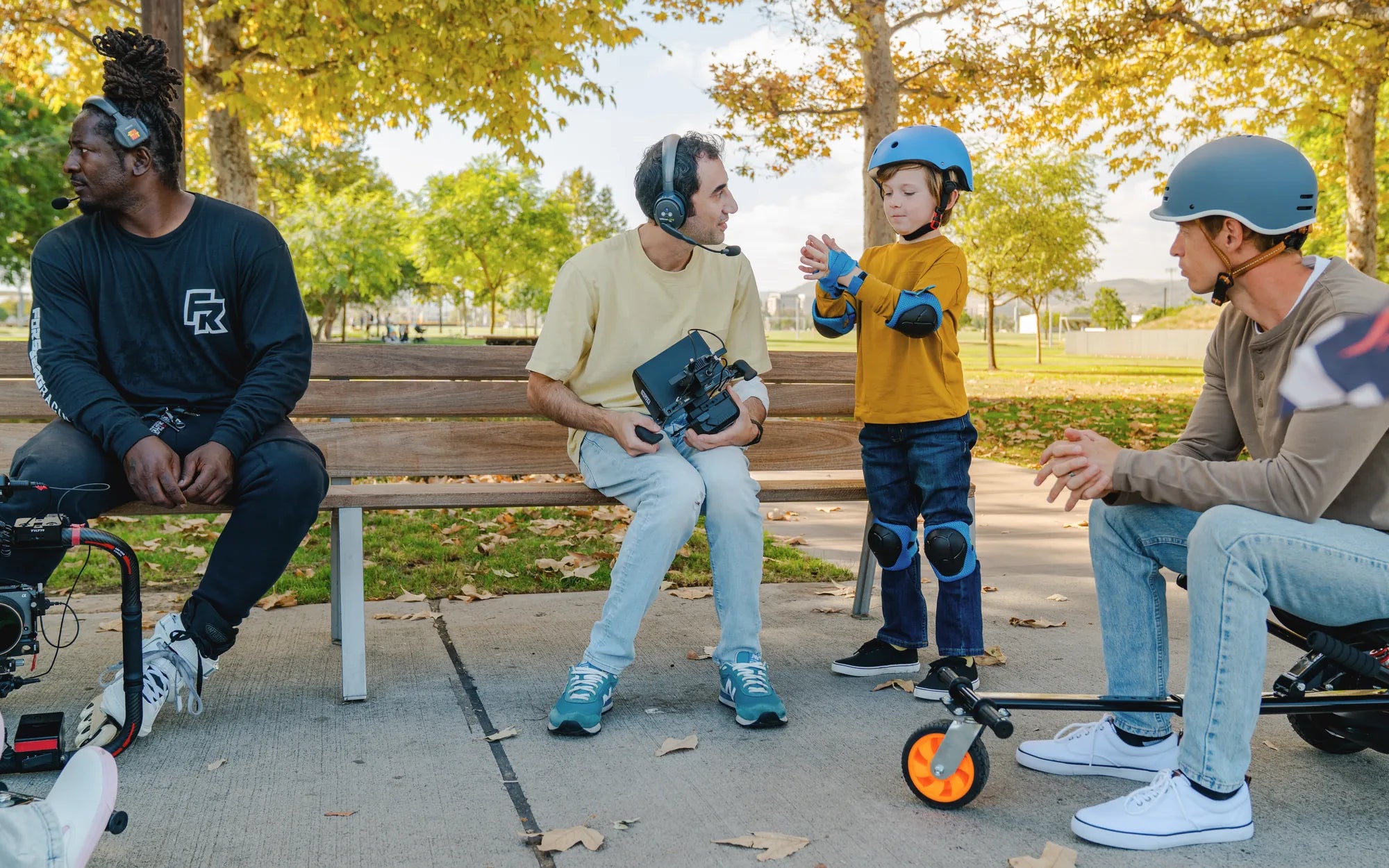
Establishing and enforcing clear rules is as important as choosing a safe scooter. Rule #1: Protective gear is mandatory, not optional. This includes a properly fitted bicycle helmet, knee pads, and elbow pads every single time the scooter is used. Wrist guards are also highly recommended.
Define appropriate riding zones. These should be away from roads, vehicular traffic, steep hills, bodies of water (like pools or ponds), and crowded public areas. Ideal locations are empty parking lots, smooth park paths, quiet cul-de-sacs, or your own driveway. Always perform a visual inspection of the area for debris, cracks, or obstacles.
Supervision is non-negotiable for younger children and strongly advised for older ones. An adult should be present and attentive at all times. For beginners, use the slowest speed setting and practice basic operations—starting, stopping, steering, and using the brake—in a confined, hazard-free area before venturing further.
Establish pre-ride checks: ensure the battery is adequately charged, tires are properly inflated, brakes are functioning, and all lights are working. Teach your child that the kids mobility scooter is a vehicle, not a toy. It requires responsible operation, respect for pedestrians, and an understanding that reckless behavior will result in the loss of riding privileges.
Maintenance and Care for Longevity
Proper maintenance ensures safety and extends the life of the scooter. After each ride, especially in wet or dusty conditions, wipe down the scooter with a damp cloth. Avoid high-pressure hoses, even on water-resistant models, as they can force water into seals.
Battery care is paramount. Use only the manufacturer-provided charger. Avoid leaving the scooter plugged in for extended periods after it's fully charged. Store the scooter and battery in a cool, dry place, away from direct sunlight or extreme temperatures. For long-term storage, maintain a charge level of around 50-60%.
Regularly inspect key mechanical parts. Check tire pressure monthly if using air-filled tires. Listen for unusual noises from the motor or wheels. Test the brakes before each ride to ensure they engage smoothly and effectively. Tighten any bolts or screws that may have loosened from vibration.
Be prepared for basic troubleshooting. If the scooter won't power on, check the battery connection and charge. If it's making a noise but not moving, ensure the motor is not obstructed. For any electrical issues or significant mechanical problems, contact the manufacturer's customer support. Reputable brands like Gyroor offer accessible support channels for their customers.
Why Brand Reputation and Support Matter
In the world of motorized vehicles for children, brand reputation is a proxy for safety and reliability. Established brands invest in research, development, and rigorous testing. They adhere to higher quality control standards and use better-grade materials, particularly for critical components like batteries and motors.
A trusted brand provides more than just a product; it offers a safety ecosystem. This includes clear manuals, accessible customer service, and available replacement parts. For instance, Gyroor, as a leading electric scooter and e-bike brand trusted by over 100,000 riders across North America and Europe, builds its reputation on UL-certified batteries, IPX5 water-resistant designs, and a reliable 1-year warranty.
Customer support is crucial. Before purchasing, research the brand's support channels. Are they responsive? Do they have service centers or readily available parts? A brand with a strong community and positive reviews from other parents is a valuable indicator of post-purchase satisfaction and safety.
Choosing a reputable brand mitigates risk. It means you are less likely to encounter catastrophic failures due to poor battery management or subpar construction. The initial investment in a quality kids mobility scooter from a known manufacturer pays dividends in safety, durability, and peace of mind.
Frequently Asked Questions (FAQs)
Q: What is the appropriate age for a kids mobility scooter?
A: Most manufacturers design models for children as young as 3 years old, but with strict speed limits (under 4 mph) and often remote parental control. The key is maturity and the ability to understand and follow safety rules, not just chronological age. Always follow the manufacturer's age rating.
Q: How long does the battery last on a single charge?
A: Battery life varies by model and usage. For younger children's scooters, expect 5-7 miles per charge. For models designed for older kids, ranges of 10-15 miles are common. Factors like rider weight, terrain, speed, and temperature all affect real-world range.
Q: Are parts and customer support readily available?
A> This varies drastically by brand. This is where choosing a reputable company is critical. Established brands like Gyroor, with a large customer base and US-based support, typically offer accessible parts and service. Always check warranty terms and support accessibility before purchasing.
Q: Can it be used in the rain or through puddles?
A> Only if the scooter has a certified water-resistance rating, such as IPX5. An IPX5 rating means it can handle water jets and is safe for use in light rain and over puddles. Never submerge the scooter, and always dry it off after riding in wet conditions. Scooters without this rating should be kept completely dry.
Q: What is the most important safety feature?
A> While multiple features work together, the UL-certified battery is arguably the most critical from a hazard-prevention standpoint. It ensures the energy source powering the vehicle meets the highest safety standards, preventing fire and electrical risks. Never compromise on battery certification.
Fostering Fun and Responsibility
A kids mobility scooter, when approached with the right mindset and precautions, can be a fantastic addition to your child's life. It merges the joy of movement with lessons in responsibility, independence, and outdoor exploration. The benefits—from increased physical activity to boosted confidence—are substantial and real.
The journey begins with informed selection, prioritizing verified safety features like UL-certification, robust water resistance, and a strong warranty. It continues with the establishment of ironclad safety rules, consistent supervision, and proper maintenance. This holistic approach ensures the scooter remains a source of fun, not worry.
By choosing a vehicle from a brand committed to quality and safety, you invest in your child's adventure and your own peace of mind. It allows the entire family to focus on creating positive memories, exploring the neighborhood, and enjoying the simple pleasure of a ride together.
Ready to explore safe, reliable options for your child's next adventure? Browse the full collection of UL-certified, family-tested electric scooters and find the perfect match for your rider at gyroorboard.com.
What Age Can Kids Scooter: A Parent's Guide to Safe Riding
Hoverboard Bike: The Future of Personal Transportation Unveiled